Analysis · —
The Walled Garden: How Big Tech's Smart Glasses Play Boxes Out Open-Source Builders
As titans like Meta and ByteDance cement proprietary AI ecosystems, the path for independent smart glasses innovation becomes narrower and more challenging.

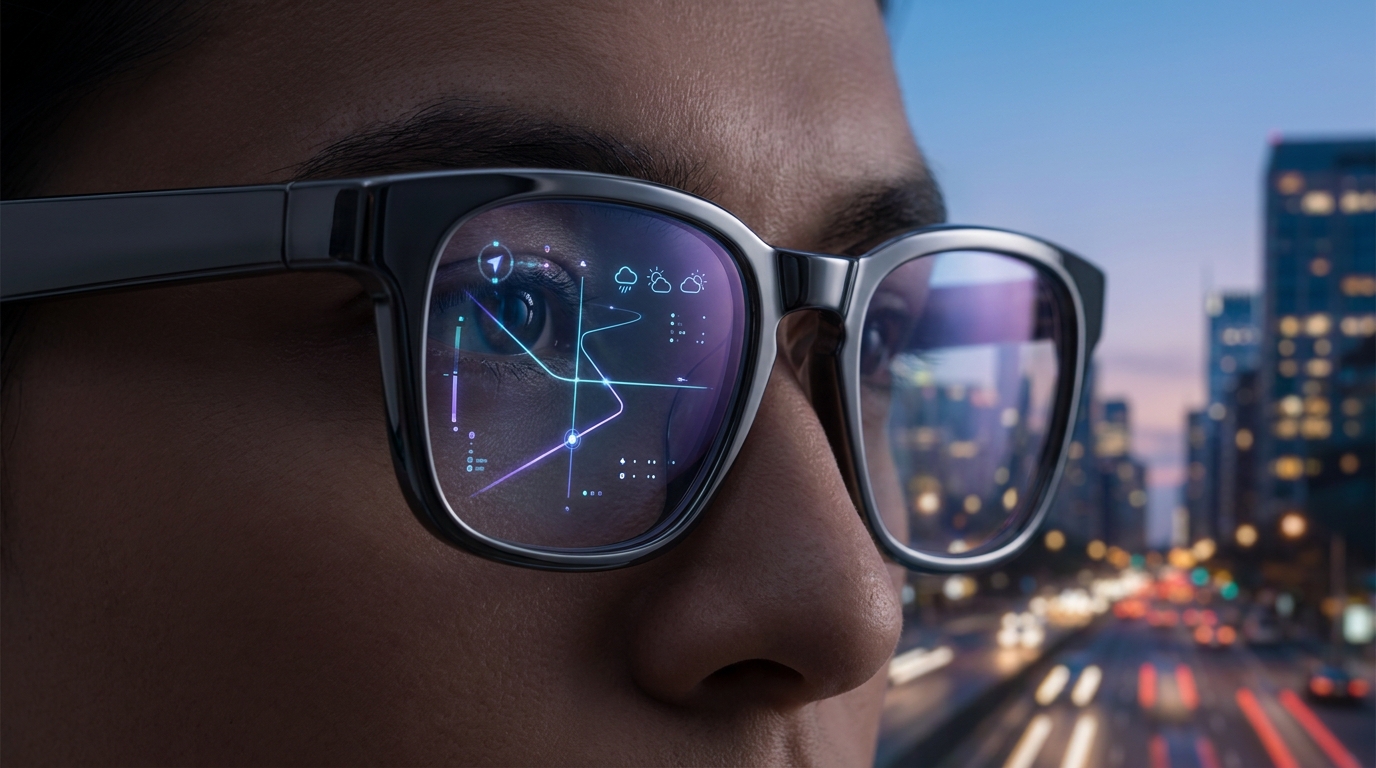
The smart glasses landscape is rapidly solidifying, driven by an aggressive influx of tech behemoths. Companies like ByteDance, Alibaba, and Samsung are staking their claims, not on open collaboration, but on tightly integrated, proprietary ecosystems.
Their ambition for a persistent, immersive digital layer, as seen with ByteDance's stealthy entry, should put every independent developer on high alert. This shift from nascent experimentation to corporate dominance fundamentally redefines the playing field for hackers and builders.
Hardware itself is increasingly becoming a controlled commodity. Qualcomm, with its Reality Elite chip, is poised to become the indispensable brain inside the next generation of AI-powered eyewear, dictating the underlying architecture for countless devices. This foundational control means independent innovators must either build atop a proprietary silicon stack or attempt the monumental task of creating alternative hardware from scratch.
Meta, a clear leader in the consumer smart glasses space, offers a stark preview of this future. Its Ray-Ban Meta and Oakley Meta glasses, embodying the winning display-less, AI-first approach, are now deeply integrated into a monetized intelligence model. The Meta One Premium subscription, at $19.99 per month, gates advanced features like Muse Spark AI and expanded Conversation Focus, turning cutting-edge utility into a recurring revenue stream.
This aggressive monetization strategy presents a formidable challenge to open-source initiatives. How can independent projects compete with premium, integrated AI features when their core value proposition often relies on accessibility and freedom? Meta's move sets a critical precedent, signaling that on-device, contextual AI is a premium service.
Ecosystem lock-in is another defining characteristic. Samsung's forthcoming Galaxy Glasses, for instance, are designed for robust integration with its existing wearable ecosystem, including the Galaxy Ring and smartwatches, potentially enabling advanced gesture controls. For open-source developers, building a truly compelling, integrated experience without access to such deep hardware and software hooks is a formidable barrier.
The AI powering these devices is growing exponentially in sophistication. Proprietary solutions from ByteDance's multimodal AI to Meta's Muse Spark AI require massive datasets, computational power, and specialized engineering teams. While open-source AI models exist, integrating them seamlessly and efficiently on constrained smart glasses hardware, to rival commercial offerings, remains a monumental, resource-intensive endeavor.
The industry's pivot towards discreet, display-less AI glasses for mass adoption, a strategy championed by Meta and outlined in our Originals, ironically shifts complexity from visual spectacle to backend AI and software. This is a domain where independent builders, despite their ingenuity, struggle to match the sheer resources of Alibaba or ByteDance.
For the hacker and builder, the path is increasingly bifurcated. One option involves attempting to reverse-engineer and hack existing proprietary devices, a risky venture fraught with legal pitfalls and the potential for bricked hardware. The alternative, building entirely from the ground up, demands incredible foresight, financial backing, and a relentless commitment to compete against heavily funded, vertically integrated competitors.
Yet, the desire for true customization, enhanced data privacy, and unmonetized utility persists. This underlying demand represents a critical opportunity for open-source projects. Imagine smart glasses where user data genuinely belongs to the user, where features are not paywalled, and where hardware can be transparently modified.
A Mentra-like project, or any independent open-source smart glasses initiative, would need to focus on these underserved aspects. It would thrive on niche use cases, superior privacy implementations, or innovative interaction paradigms that the giants, focused on mass market and monetization, might overlook. Leveraging community strength would be paramount to overcoming resource deficits.
The ethical dimension, highlighted by CNN's report on AI glasses facilitating exam cheating, also offers a unique role for open-source. With their inherent transparency, open-source communities could lead in developing ethical guidelines, accountability frameworks, and safeguards for powerful AI, potentially setting a higher standard than profit-driven corporations.
The path for independent smart glasses builders is arduous but not impossible. It demands radical ingenuity in hardware design, extreme efficiency in AI implementation, and an unwavering commitment to community-driven development. This collective effort is essential to carve out a viable alternative in a market increasingly dominated by closed ecosystems.
The current trajectory of the smart glasses market, defined by titans and their proprietary AI, is less about what independent builders can create, and more about how they can survive, innovate, and offer a genuinely different vision against overwhelming, well-resourced odds.
Interactive guide — prices, displays, cameras, battery.
Share this story