Reviews · TCL RayNeo
RayNeo X3 Pro and Air 3s Pro: A 2026 Smart Glasses Showdown
RayNeo's upcoming X3 Pro positions itself as an AI-centric standalone device, while the Air 3s Pro offers a cinematic virtual display experience. We compare the capabilities of these two anticipated 2026 smart glasses.

RayNeo is preparing for a significant product year in 2026, with two distinct smart glasses models, the X3 Pro and the Air 3s Pro, vying for consumer attention. These devices target different user needs, promising a clearer segmentation in the burgeoning smart glasses market.
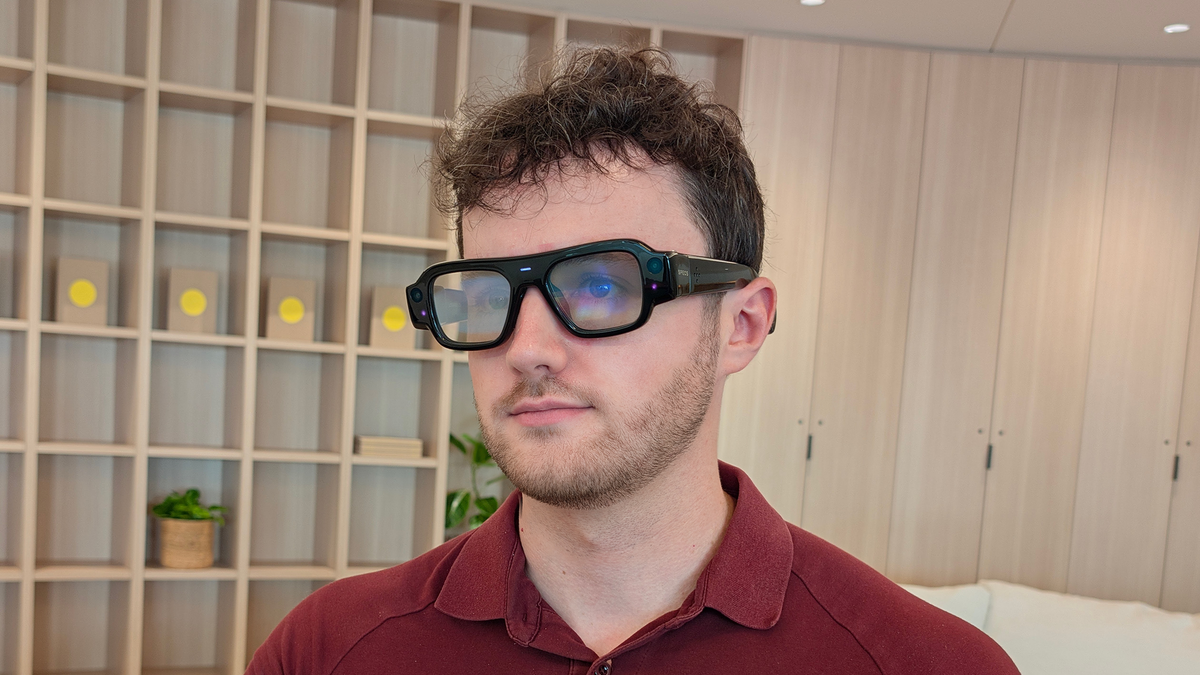
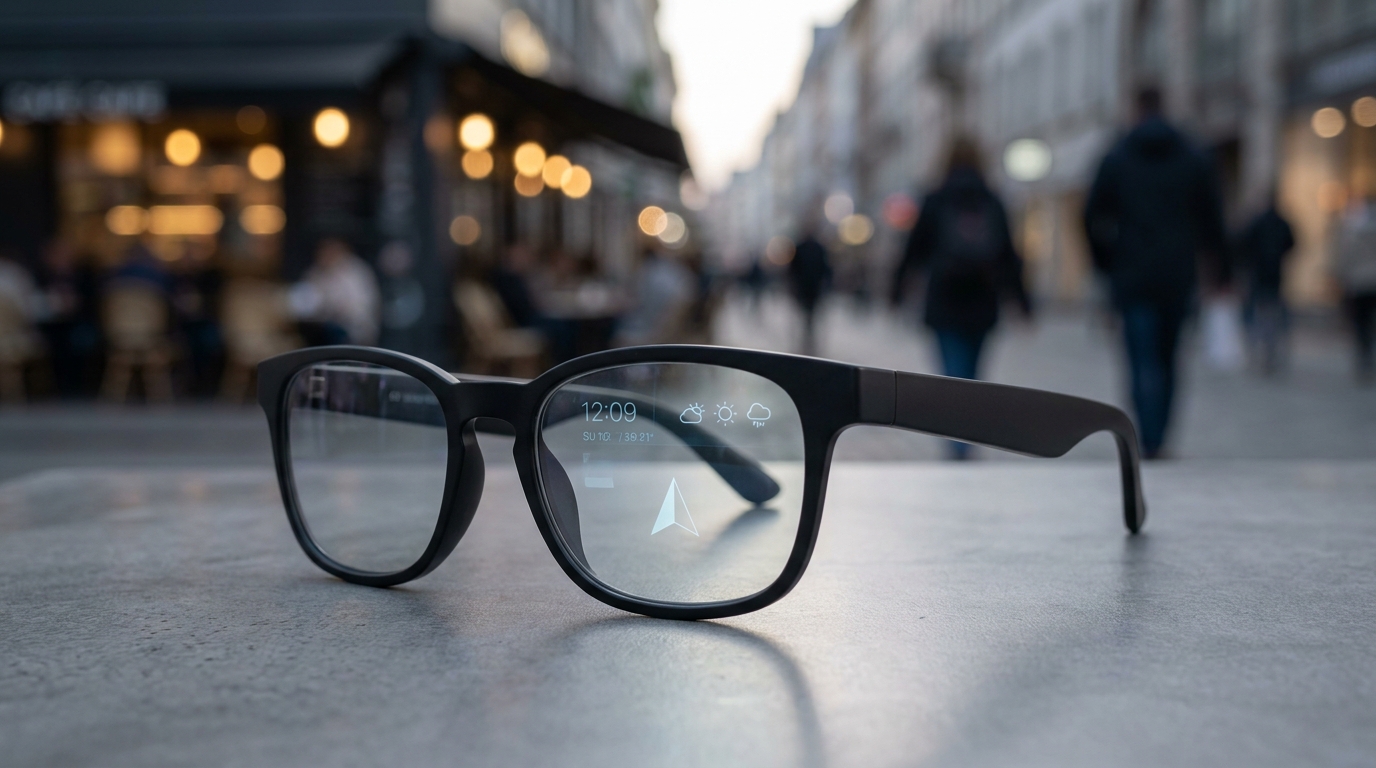
According to a recent blog post on rayneo.com, the X3 Pro is highlighted as a 'game-changer' in AI smart glasses. The outlet describes it as an 'AI-integrated assistant' designed for everyday use, emphasizing its built-in Large Language Model (LLM) and a quad-core processor. This hardware, rayneo.com reports, enables robust on-device AI processing without constant cloud reliance, suggesting capabilities like real-time translation and object recognition.
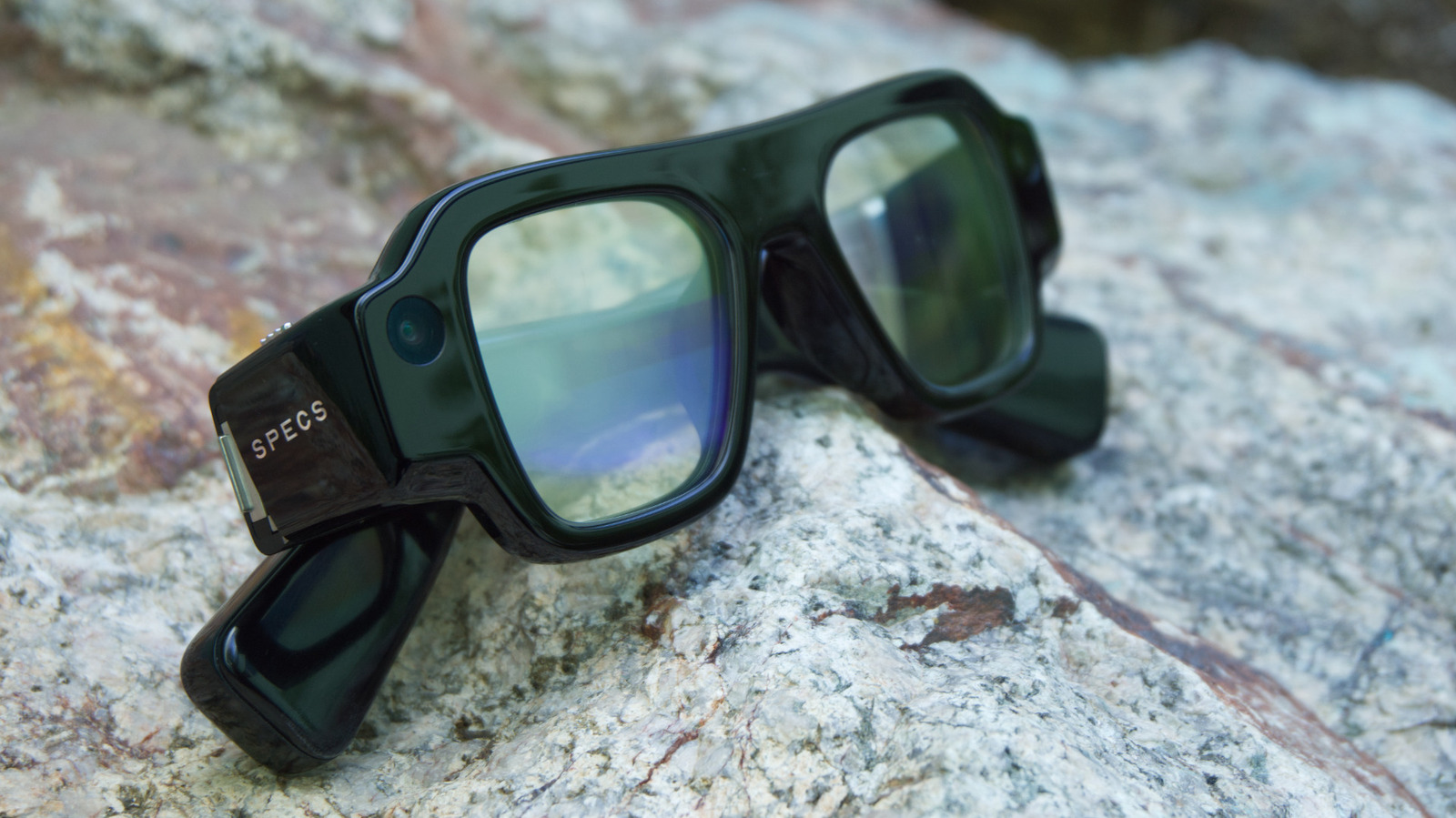
The X3 Pro, continues rayneo.com, is equipped with a 720p HD Micro-OLED display, offering a clear visual experience. The platform also details its 32GB of storage, 500 nits brightness, and a 5-megapixel camera. Rayneo.com further explains that the X3 Pro includes a 'dynamic touchpad' for intuitive control and a 1000mAh battery capable of delivering up to 7 hours of continuous use, positioning it as an all-day companion.
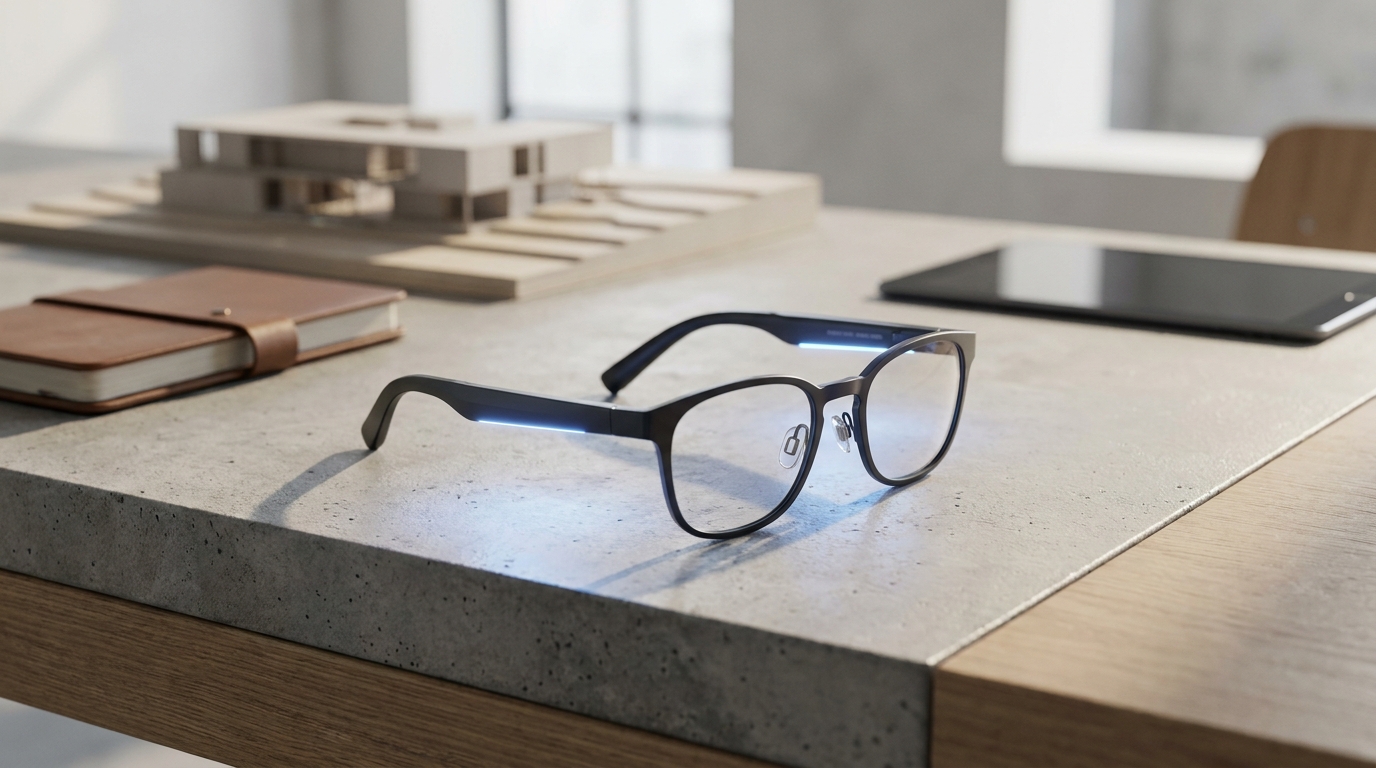
In contrast, rayneo.com positions the Air 3s Pro as a premium augmented reality (AR) entertainment device. The platform states its primary function is to deliver an 'immersive visual experience' through a large virtual screen. The Air 3s Pro boasts a dual Micro-OLED display with a 1080p resolution and a peak brightness of 600 nits, designed for high-quality media consumption. The outlet emphasizes its 'cinematic experience' with a 120Hz refresh rate and a 42-degree field of view.
Rayneo.com indicates the Air 3s Pro requires a wired connection to a compatible host device, such as a smartphone or PC, to operate. They note it features a 600mAh battery for 3 hours of use, suggesting its primary role as an extension of existing devices for entertainment or productivity. The article also mentions 'precision optics' and 'advanced sound' as key features enhancing the immersive experience.
Our take: RayNeo's strategy appears to be a dual approach: a standalone AI-powered device for everyday utility and an tethered, high-fidelity display for media consumption. This segmentation reflects a maturing market where manufacturers are beginning to specialize. While the X3 Pro's on-device AI capabilities are intriguing, the real test will be the practical utility and robustness of its LLM, especially compared to cloud-based solutions prevalent today. The Air 3s Pro, meanwhile, faces competition from other AR glasses that prioritize similar cinematic experiences, making its display quality and comfort paramount.
Interactive guide — prices, displays, cameras, battery.
Share this story