Analysis · —
The Hacker's Horizon: Monako and the Unlocked Future of Smart Eyewear
The smart glasses market is bifurcating, moving beyond privacy-scarred consumer plays. A new era of utility-focused, open smart eyewear is empowering developers and builders to truly shape augmented reality.

The smart eyewear landscape today is a chaotic testament to ambition often outrunning execution. While brands chase elusive mainstream consumers, tripping over privacy concerns and regulatory hurdles, a quieter, more potent revolution is brewing in the shadows. This divergence marks a pivotal moment, shifting control from corporate gatekeepers to the burgeoning community of innovators and builders.
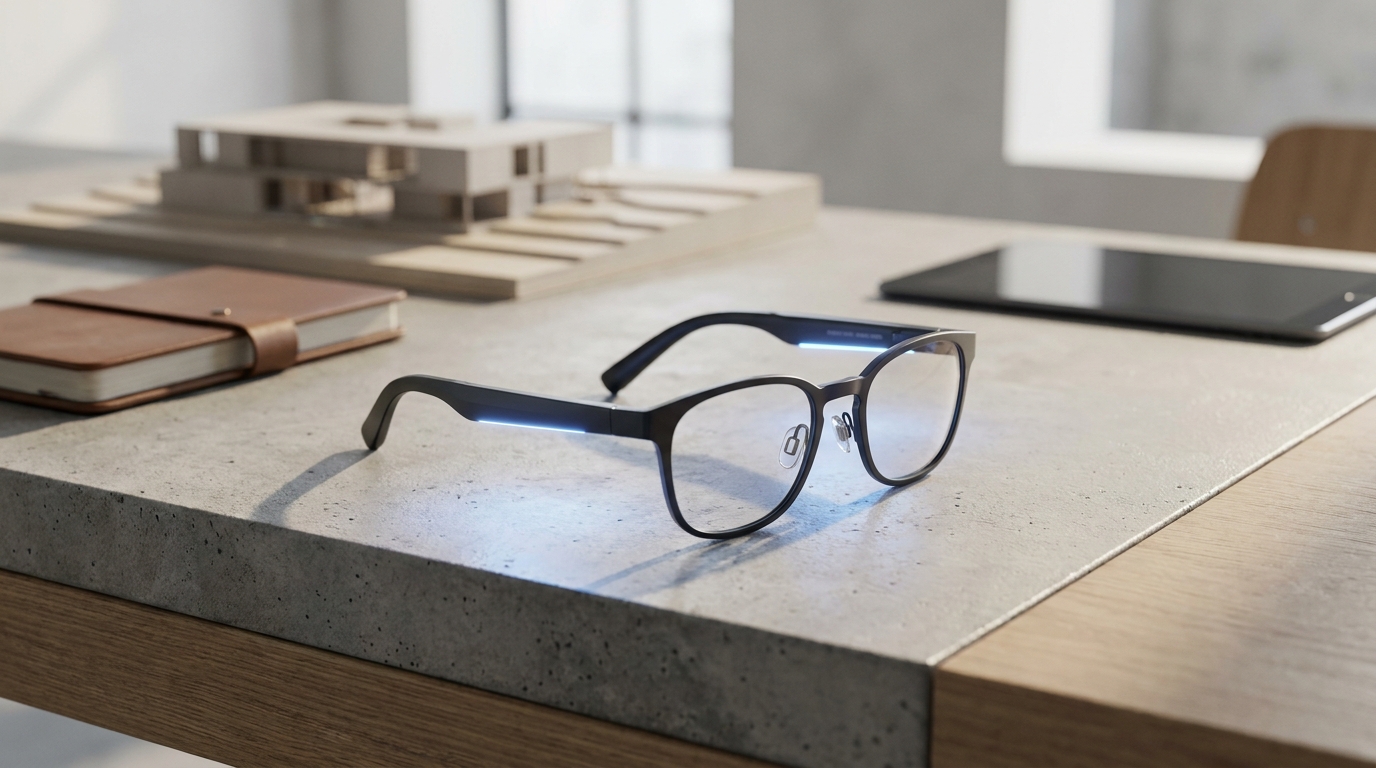
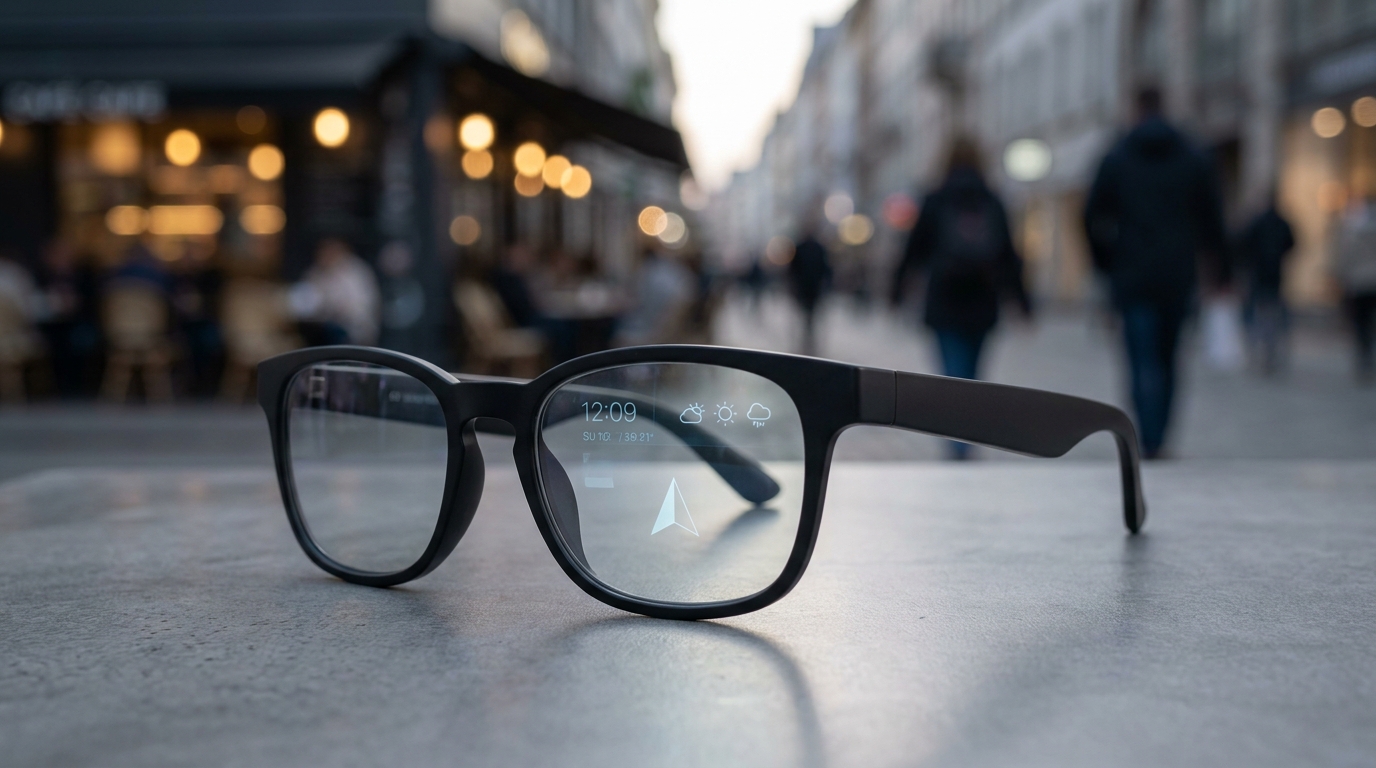
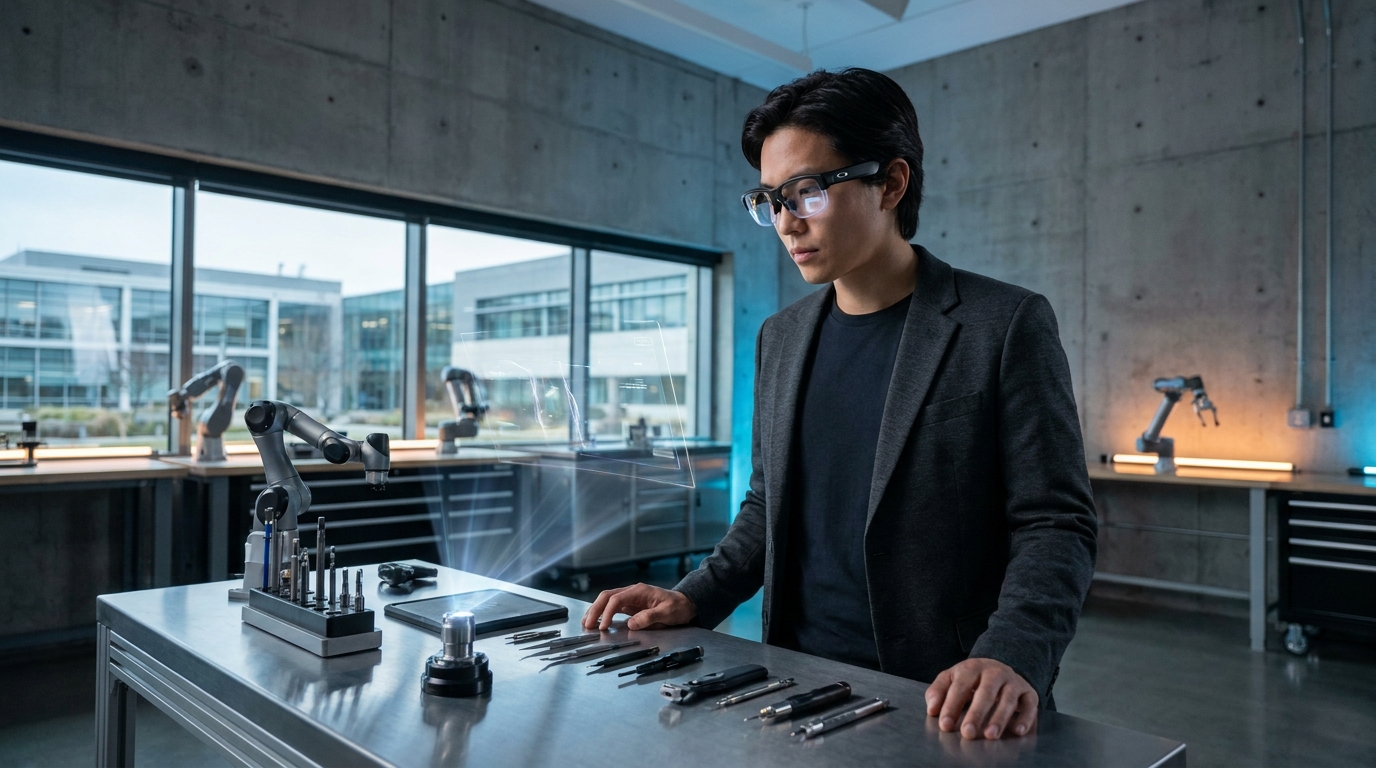
At the vanguard of this shift stands Monako, a Chinese startup making an audacious gamble against the prevailing consumer narrative. Its Monako Glass is not a social accessory or an entertainment device; it is an ultra-light AI coding workstation. Monako's explicit targeting of developers with a 'tool, not a toy' philosophy represents a fundamental re-orientation of the industry's priorities, directly addressing the desires of those who seek to create, not just consume.
This ethos aligns perfectly with a broader industry movement toward open standards and accessible hardware. Google's Android XR, for example, is poised to sweep in and establish itself as the dominant open standard within the next year. This is less a prophecy and more a clear-eyed projection based on converging industry signals, promising a cohesive environment where developers can truly flourish.
Crucially, foundational hardware advancements are now within reach and becoming democratized. Magic Leap, once a proprietary AR device pioneer, has strategically abandoned its own first-party devices, pivoting to supply advanced waveguides and integration expertise to partners. This strategic surrender unlocks high-performance display technology for a broader array of manufacturers, removing a significant barrier for smaller players and ambitious hackers alike.
The market is also demonstrating a clear rejection of forced bundles and superficial gimmicks. The public discontent surrounding the ASUS ROG Ally X20's mandatory XREAL R1 AR gaming glasses bundle proves that users prioritize choice and utility over forced packages. Similarly, Even Realities' G2 Display Smart Glasses prioritize style and substance over 'camera gimmicks,' adopting a 'quiet tech' philosophy that resonates with a desire for genuine utility, not surveillance-laden features.
Activists hijacking London bus stops with dystopian Meta smart glasses ads, transforming promotions into stark warnings about surveillance, further underscore this point. The message, 'Meta: We're always watching,' highlights a core tension: hackers and builders crave powerful tools, but they demand control over their data and devices, rejecting the very notion of an always-on, watchful eye from corporate entities.
Even products aimed at enterprise users, like INAIR's 2 Elite Suite, echo this utility-first philosophy. Promising to redefine the desktop experience by projecting up to six virtual screens, INAIR is betting big on transforming how professionals interact with their digital workspace. This 'tool, not a toy' approach, focused squarely on productivity and tangible benefits, parallels the exact demands of power users and custom application builders.
The challenge, however, remains battery life. As Monako positions its ultra-light device for 'extended use' during demanding intellectual labor, it runs head-on into the 'unspoken burden' of current battery technology. This is not a software problem; it is a fundamental hardware limitation that designers and hackers will either have to work around or actively push for industry-wide innovation to overcome.
Yet, the momentum is undeniable. With open platforms like Android XR, accessible high-end components from Magic Leap, and devices designed specifically for creation rather than consumption, the smart glasses landscape is shifting. It is becoming a playground for those who want to build custom solutions, augment their workflow, and truly own their digital extensions.
The era of the smart glasses hacker is not just coming, it is here. It is defined by a demand for power, flexibility, and control, eschewing the privacy pitfalls and marketing fluff of the consumer market. These devices will serve as bespoke tools, not mass-market accessories, tailored by their users to unlock unprecedented levels of digital augmentation.
This movement will foster innovation from the ground up, moving beyond the dictates of a few tech giants. It promises a future where smart glasses are less about brand ecosystems and more about personal empowerment, a customizable canvas for the next generation of digital pioneers. The tools are emerging, and the builders are ready.
Interactive guide — prices, displays, cameras, battery.
Share this story