Analysis · -
Android XR: The Coup That Will Reshape Smart Glasses in 12 Months
The fragmented smart glasses market is ripe for unification, and Google's Android XR is positioned to establish a dominant, open standard. A confluence of hardware maturity, market demand, and strategic pivots guarantees rapid change.
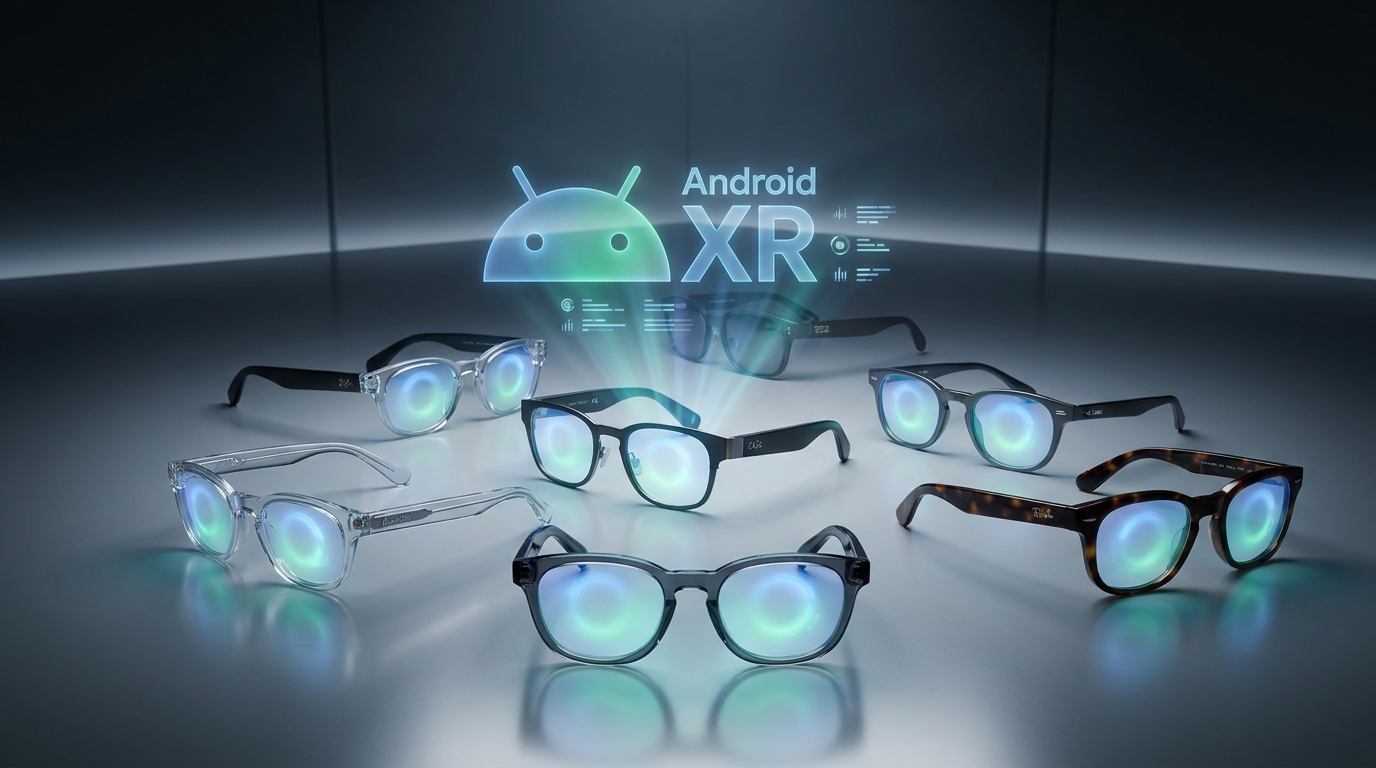
The smart glasses landscape today is an experimental mess, a testament to ambition often outrunning execution. From Meta's privacy debacles to niche developer tools, the industry cries out for cohesion, a unifying force. Google's Android XR, propelled by recent hardware innovations and strategic shifts, is primed to sweep in and fundamentally rewrite the rules, establishing itself as the dominant open standard within the next year.
This imminent shift is less a prophecy and more a clear-eyed projection based on converging industry signals. Crucially, the foundational hardware advancements are now within reach. Magic Leap, once a proprietary AR device pioneer, has strategically abandoned its own first-party devices. Instead, it is pivoting to supply advanced waveguides and integration expertise to partners, democratizing a component that was once a significant barrier to entry.
This strategic surrender from Magic Leap unlocks high-performance display technology for a broader array of manufacturers. It means companies no longer need to spend years and billions reinventing the optical wheel. This enables more players to focus on experience and form factor, creating a fertile ground for an accessible operating system to thrive.
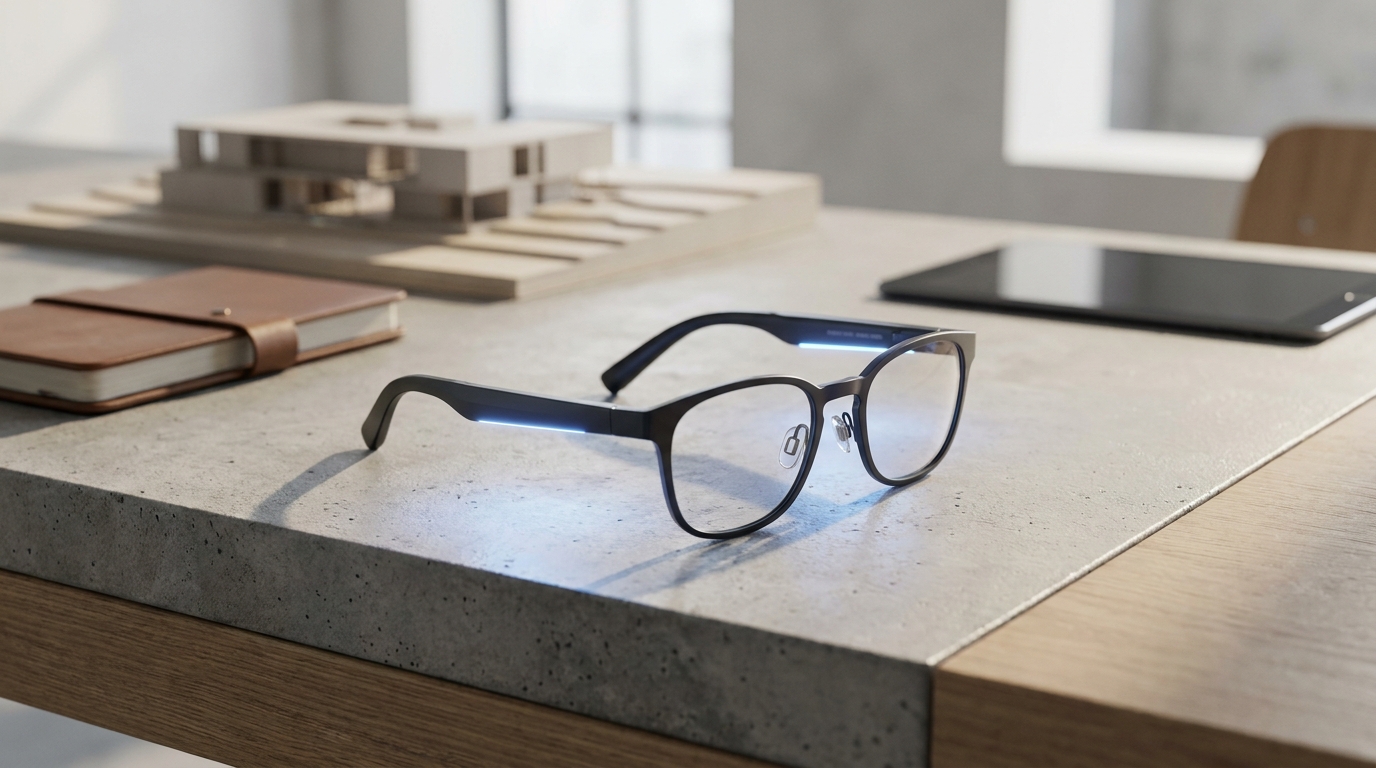
The market is already signaling its desire for sophisticated, non-gimmicky hardware. Even Realities' G2 Display Smart Glasses, with their Lindberg-designed frames and advanced micro-LED displays, prioritize genuine utility without sacrificing aesthetics. This 'quiet tech' philosophy, focusing on seamless integration and style, is exactly the type of device that will benefit from a robust, open platform like Android XR.
Beyond consumer aesthetics, the demand for powerful, productivity-enhancing AR tools is also soaring. The INAIR 2 Elite Suite, with its ability to project up to six virtual screens simultaneously via a dedicated Pod, aims to redefine the desktop. For such specialized, high-demand applications, a stable, feature-rich OS like Android XR provides the necessary backbone, freeing developers to innovate on the application layer.
Even specialized, lightweight devices like Monako Glass, an 'ultra-light AI coding workstation' targeting developers, will find Android XR indispensable. While Monako makes an audacious gamble on a 48-gram device for 'extended use,' the inherent battery paradox demands extreme software optimization. An efficient, well-supported platform like Android XR is critical for such niche, high-value tools to deliver on their promise.
Consumer sentiment, too, is steering the market towards open, utility-focused displays rather than camera-centric surveillance. The public discontent that prompted ASUS to consider offering its premium ROG Ally X20 handheld PC as a standalone, ditching a mandatory XREAL R1 AR gaming glasses bundle, underscores this. Users want choice, not forced ecosystems or inflated costs.
This preference is further amplified by the backlash against camera-first devices. Meta's ongoing privacy nightmares, with regulatory bans and widespread public distrust, highlight a fundamental miscalculation. XREAL, RayNeo, and Rokid are already capitalizing by focusing on superior displays and utility, building a market segment that prioritizes augmentation over surreptitious capture, a perfect fit for Android XR's open ethos.
Even the 'present future' vision articulated by Snap CEO Evan Spiegel, where AR glasses offer a more human alternative to smartphones, finds its true scalable home in an open platform. While Snap's Specs pursue this, Android XR provides the foundational operating system for a broader range of hardware partners to realize this ambition, pushing computing into the real world without isolation.
Moreover, the luxury market's foray into AR, exemplified by Lamborghini's immersive Vision Pro showroom app, demonstrates the high-fidelity experiences now possible. While Lamborghini's current app is tied to Apple's ecosystem, Android XR opens the door for other luxury brands to build equally compelling, cross-device experiences, extending the concept of digital ownership to a much wider audience.
Google's track record with Android, transforming a fragmented mobile landscape into a dominant, open standard, provides the blueprint. Its vast developer ecosystem, hardware flexibility, and proven ability to scale will replicate this success in smart glasses. It's not a question of *if* Android XR will dominate, but *how quickly* it consolidates the market.
The confluence of Magic Leap's component pivot, the rise of aesthetic and utility-driven hardware from Even Realities and INAIR, consumer rejection of privacy intrusions, and Google's strategic timing creates an unstoppable force. Within the next 12 months, Android XR will not merely be another contender; it will be the gravitational center around which the next generation of smart glasses coalesce, driving unprecedented innovation and standardization across the entire ecosystem.
Interactive guide — prices, displays, cameras, battery.
Share this story