Analysis · Google
The Android XR Coup: How Google Will Remake Smart Glasses in 12 Months
The smart glasses market is an experimental mess, ripe for consolidation. Google's Android XR, propelled by recent hardware innovations and strategic shifts, is primed to sweep in and establish a dominant, open standard within the next year.
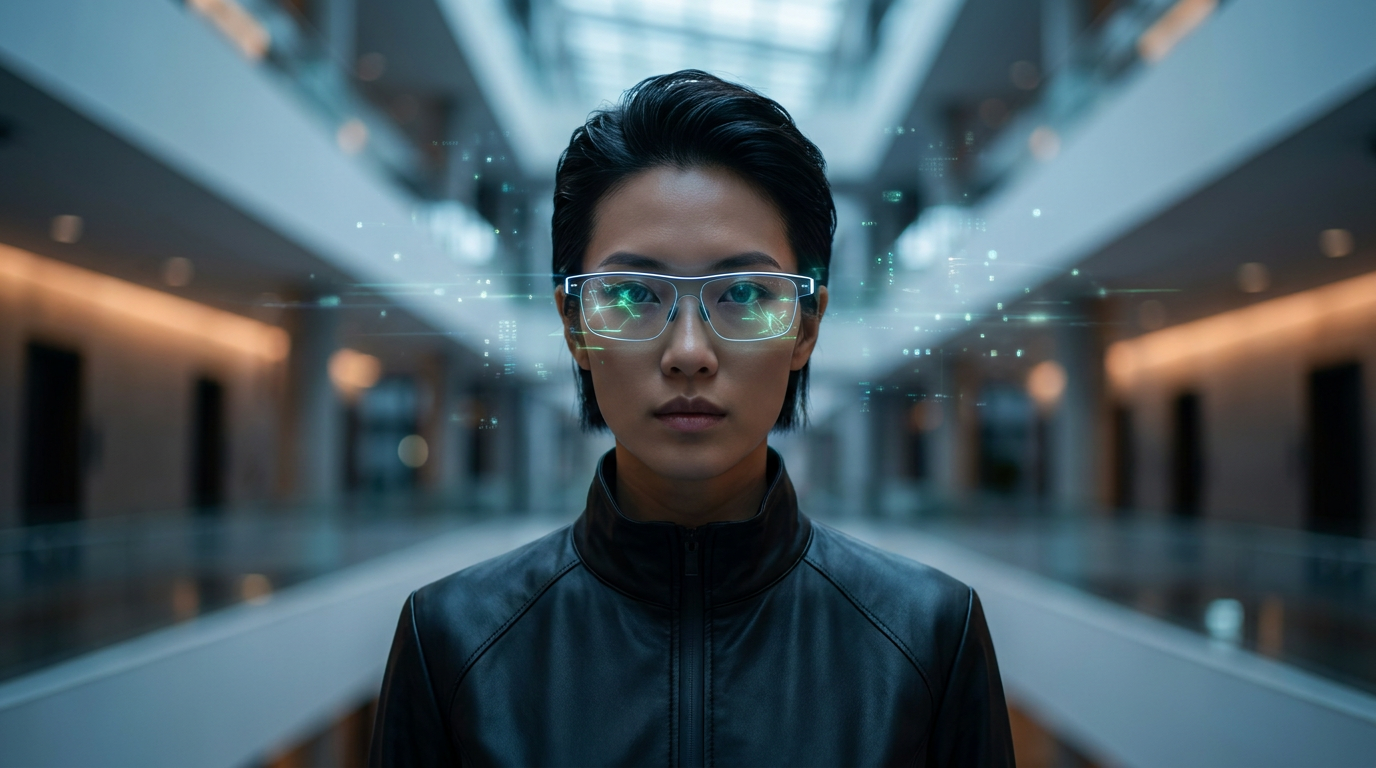
The current landscape of smart eyewear is a fractured testament to ambition outrunning execution. From Meta's privacy nightmares to Lamborghini's luxury AR apps, and Monako's niche developer tools, the industry lacks cohesion. This chaotic innovation, however, is precisely the environment where a unifying platform like Android XR will not just thrive, but fundamentally rewrite the rules.
Consider the critical hardware advancements that are suddenly converging. Magic Leap, a long-time AR optics pioneer, has abandoned its own first-party devices. Instead, it is pivoting to supply advanced waveguides and integration expertise to partners. This strategic surrender unlocks high-performance display technology for a broader array of manufacturers, democratizing a component that was once a significant barrier to entry.
This hardware accessibility aligns perfectly with what companies like XREAL are doing on the consumer front. XREAL's new $300 AR glasses are a direct assault on the high-cost barrier to adoption. By making display-focused AR affordable and widely available, XREAL and others are creating a user base accustomed to wearing smart displays, priming them for richer, more interactive experiences that Android XR can provide.
The existing operating system fragmentation is unsustainable. While Apple Vision Pro carves out its premium, walled garden niche, the rest of the industry is scrambling. Snapchat's Evan Spiegel continues to champion his vision of "present computing" with Specs, yet even Snap's AR glasses need a robust, developer-friendly backend to truly flourish beyond social filters. Android XR provides that common ground.
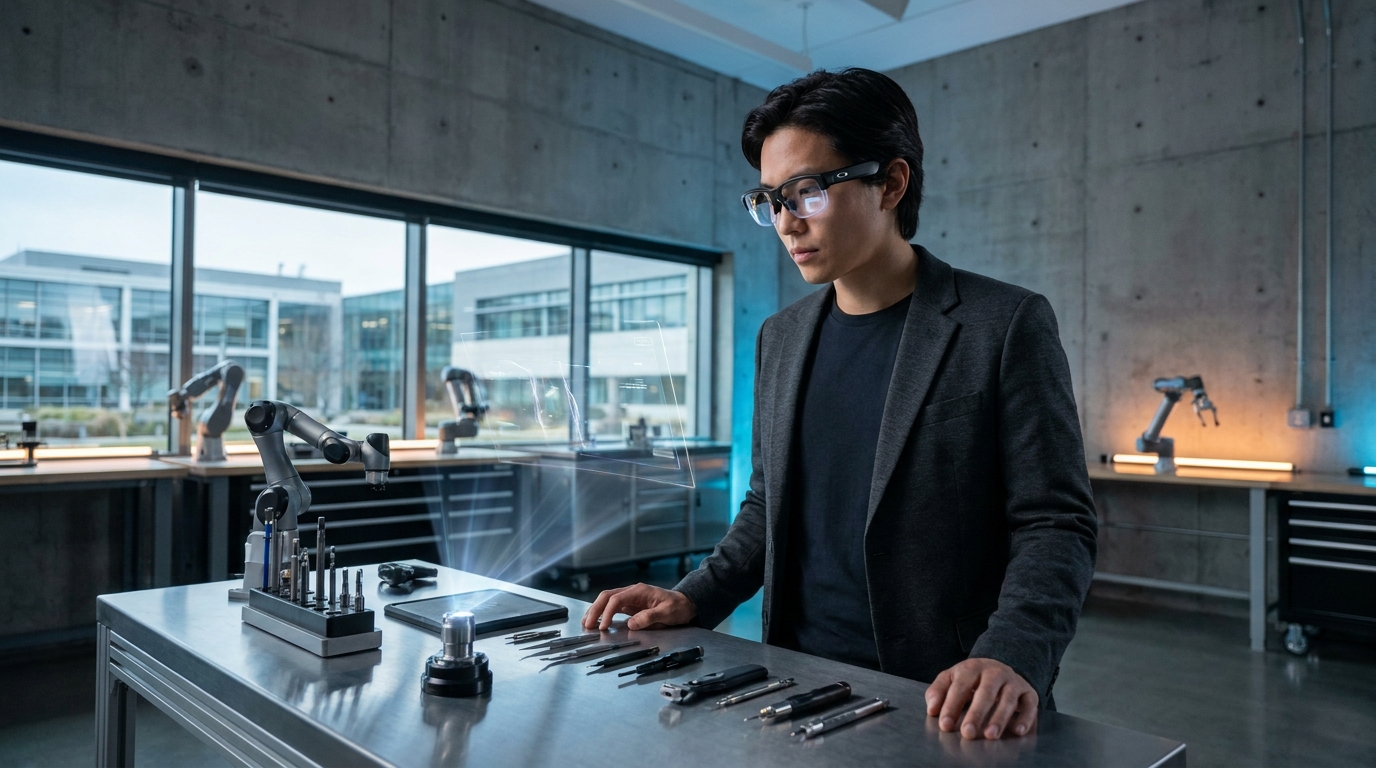
Monako's Monako Glass, an ultra-light AI coding workstation, highlights another crucial vector: professional utility. Designed specifically for developers, this device leverages a Linux-based OS with AI coding agents. While highly specialized, it demonstrates a clear demand for purpose-built, high-performance eyewear. Android XR, with its open-source lineage, is uniquely positioned to adopt and scale such niche, power-user applications across a wider hardware spectrum.
The ongoing battery problem, the "unspoken burden" of smart eyewear, remains a significant limitation, but even this will push manufacturers toward a standardized, optimized power management framework. Android XR, benefiting from Google's extensive mobile OS experience, can offer superior efficiency and power-saving protocols that independent ventures struggle to develop in isolation. This will accelerate the development of more power-efficient devices.
Then there is the privacy backlash against camera-centric smart glasses, epitomized by Meta's woes and New York State's courthouse ban. This public distrust mandates a shift towards display-centric, utility-first designs, which is precisely where Android XR will excel. Manufacturers will opt for systems that prioritize visual information over constant, surreptitious recording, aligning with public sentiment and avoiding regulatory minefields.
The path forward is clear: an open, robust, and familiar operating system is essential for mass adoption and sustained developer interest. Android XR offers the necessary tools for both general consumers and specialized, demanding use cases like those targeted by Monako. Its existing ecosystem of developers and its open-source nature will foster innovation at a pace no siloed company can match.
Furthermore, Android XR's integration with Google's formidable AI capabilities will be a game changer. As Monako already taps into Claude Code and OpenAI Codex, the natural next step is for a unified platform to seamlessly embed these advanced AI agents. This moves smart glasses beyond mere displays and into truly intelligent, context-aware computing platforms.
Within the next 12 months, we will see a rapid acceleration of hardware development driven by accessible components like Magic Leap's waveguides and aggressive pricing strategies from players like XREAL. Simultaneously, the regulatory and public sentiment environment will force manufacturers away from privacy-invasive designs.
This perfect storm creates an unprecedented opportunity for Android XR. Google, leveraging its Android ecosystem dominance, will offer a ready-made, scalable, and secure operating system. Developers, tired of fragmented SDKs and limited user bases, will flock to a unified platform.
The result will be a tidal wave of diverse, powerful smart glasses, all running on Android XR. This isn't just about consumer devices; it's about enterprise tools, professional workstations, and entirely new categories of augmented reality experiences. The fragmented, experimental phase of smart glasses is ending, and the Android XR era is about to begin.
Lamborghini creating a Vision Pro app shows the appeal of high-fidelity AR, but Apple's ecosystem is and always will be proprietary. Android XR will capture the imagination of brands and developers who want broader reach without sacrificing performance or advanced features. The future of smart glasses is open, and it is powered by Google.
Interactive guide — prices, displays, cameras, battery.
Share this story