
News · Ray-Ban Meta
Caviar Introduces Gold-Plated Ray-Ban Meta Smart Glasses, Starting at $6,130
Luxury customizer Caviar is giving Ray-Ban Meta smart glasses a 24-karat gold makeover, wrapping ephemeral consumer tech in multi-thousand-dollar precious metals.
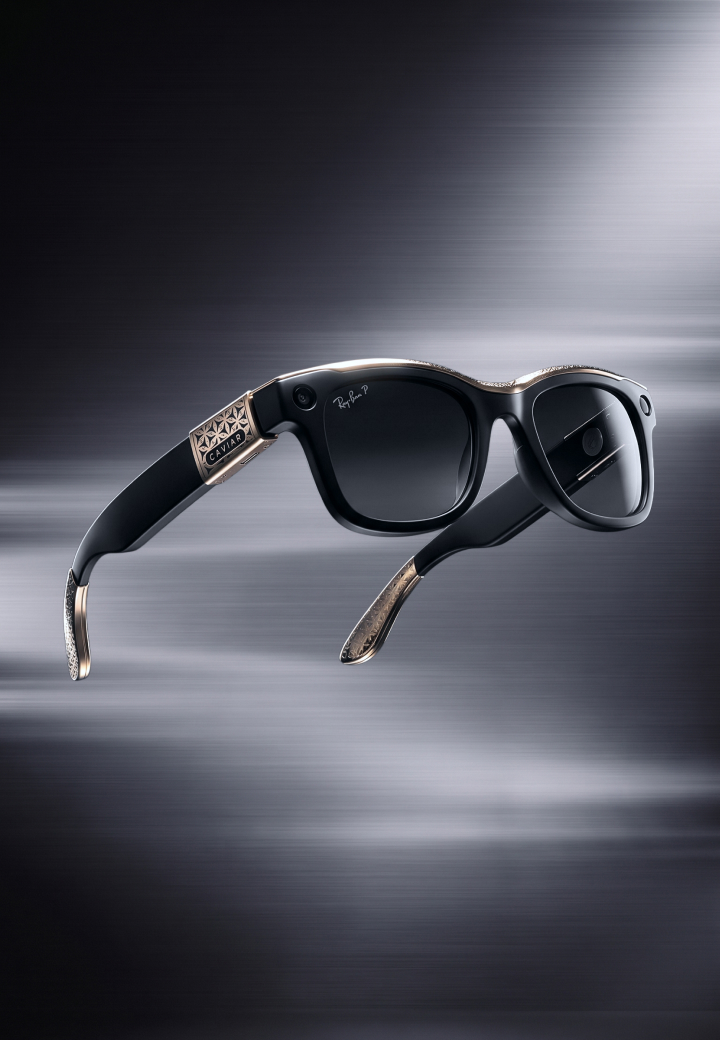
On August 9, 2026, luxury modification house Caviar announced its latest ultra-wealthy indulgence: a gold-plated overhaul of the Ray-Ban Meta smart glasses. Known for grafting exotic leathers, meteorites, and solid gold onto flagship smartphones, the company is now turning its attention to connected eyewear. The new lineup, dubbed the Odyssey collection, kicks off at $6,130 for a silver-trimmed edition and climbs to $6,840 for the flagship 24-karat gold model.
Underneath the precious metals, the hardware remains standard Ray-Ban Meta stock. Buyers get the familiar dual open-ear speakers, directional microphone array, 12-megapixel camera sensor, and Meta AI voice capabilities found on the standard off-the-shelf model. However, Caviar has replaced or coated key external touchpoints with precious materials. The Odyssey model features 24-karat gold plating across the top brow bar, temple tips, hinge decorative elements, and even the physical capture button. Each pair ships in an embossed genuine alligator skin charging case, with production strictly limited to 24 individually numbered units, a nod to the 24 books of Homer's epic poem.
The over-the-top styling drew swift criticism from tech critics. Writing for Gizmodo, reporter James Pero lampooned the release as a garish exercise in vanity, calling Caviar's promotional copy a "masterclass in cringey self-seriousness." Pero noted the absurdity of marketing high-tech surveillance frames toward self-styled visionaries, pointing out the contrast between paying nearly $7,000 for hardware and inadvertently streaming everyday visual data back to Meta's automated processing pipelines.
This is not the first time high-end jewelers have tried to make consumer wearables feel permanent, but smart glasses present an entirely unique challenge for aftermarket customization. A standard pair of Ray-Ban Meta frames retails for $299. Multiplying that price tag by twenty-two times creates an immediate tension with the harsh reality of modern consumer electronics: battery degradation and silicon obsolescence. Unlike a mechanical Rolex or high-end acetate optical frames that last decades, connected eyewear is fundamentally disposable. Within three years, non-replaceable lithium-ion pouch cells lose capacity, Qualcomm chipset firmware ceases support, and onboard camera sensors look laughably outdated.
Our take: Caviar's entry into the space is a bizarre milestone, but it signals something real about the cultural trajectory of AI eyewear. Smart glasses have spent years clawing their way out of the awkward prototype ghetto to achieve mainstream social acceptance. When gaudy aftermarket customizers start gold-plating your product category, it means the hardware has officially transitioned from silicon novelty into a recognized status symbol. Still, spending nearly seven thousand dollars on an accessory destined for a desk drawer once Meta stops pushing firmware updates is the absolute height of tech-fashion delusion.
Interactive guide: prices, displays, cameras, battery.
Share this story





