Analysis · Meta
Why AI Frames Still Cannot Fully Replace Your Prescription Glasses
Adding corrective lenses to smart frames like the Ray-Ban Meta is easy, but battery limits, physical weight, and mounting public bans make all-day wear a serious compromise.
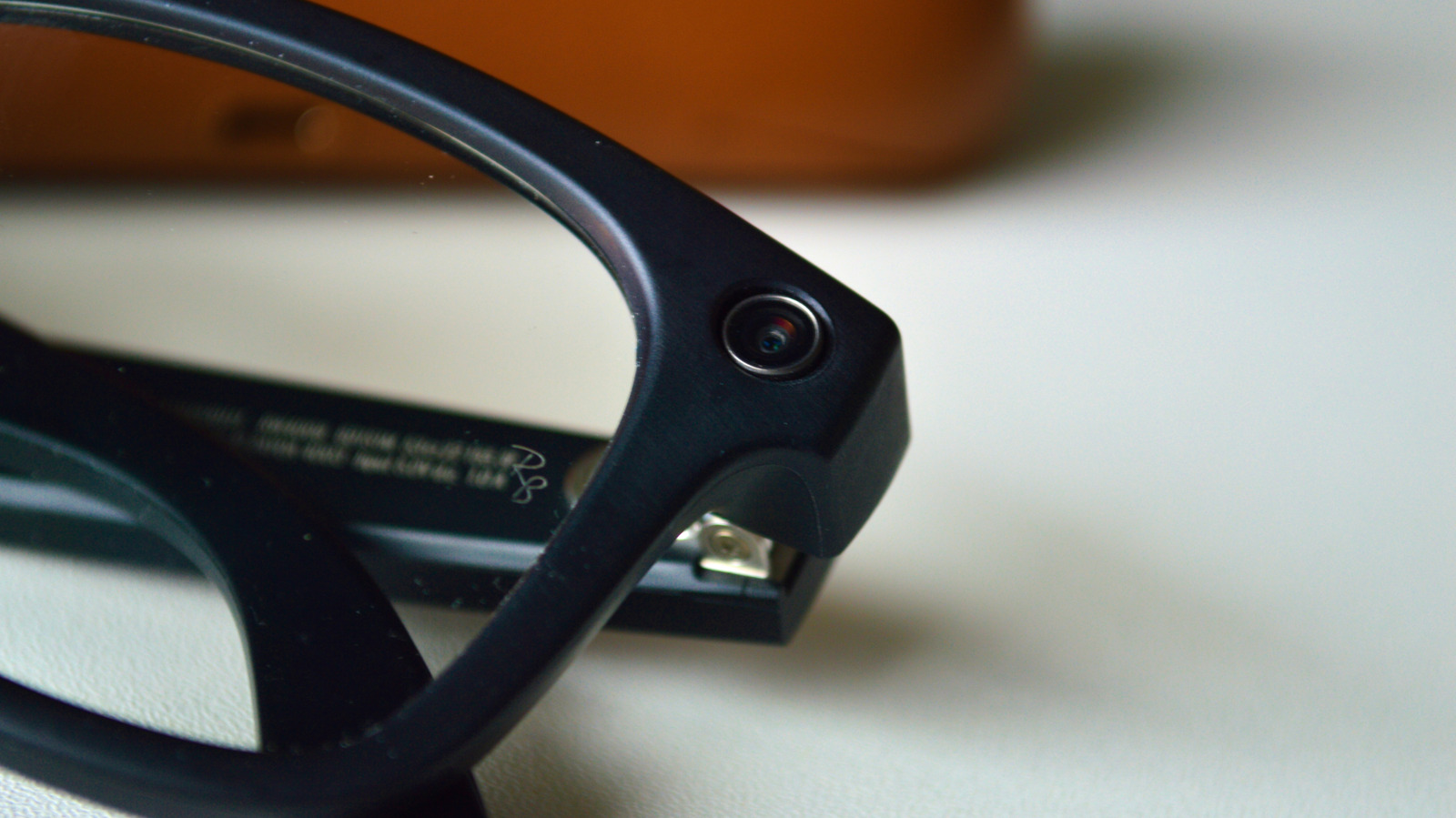
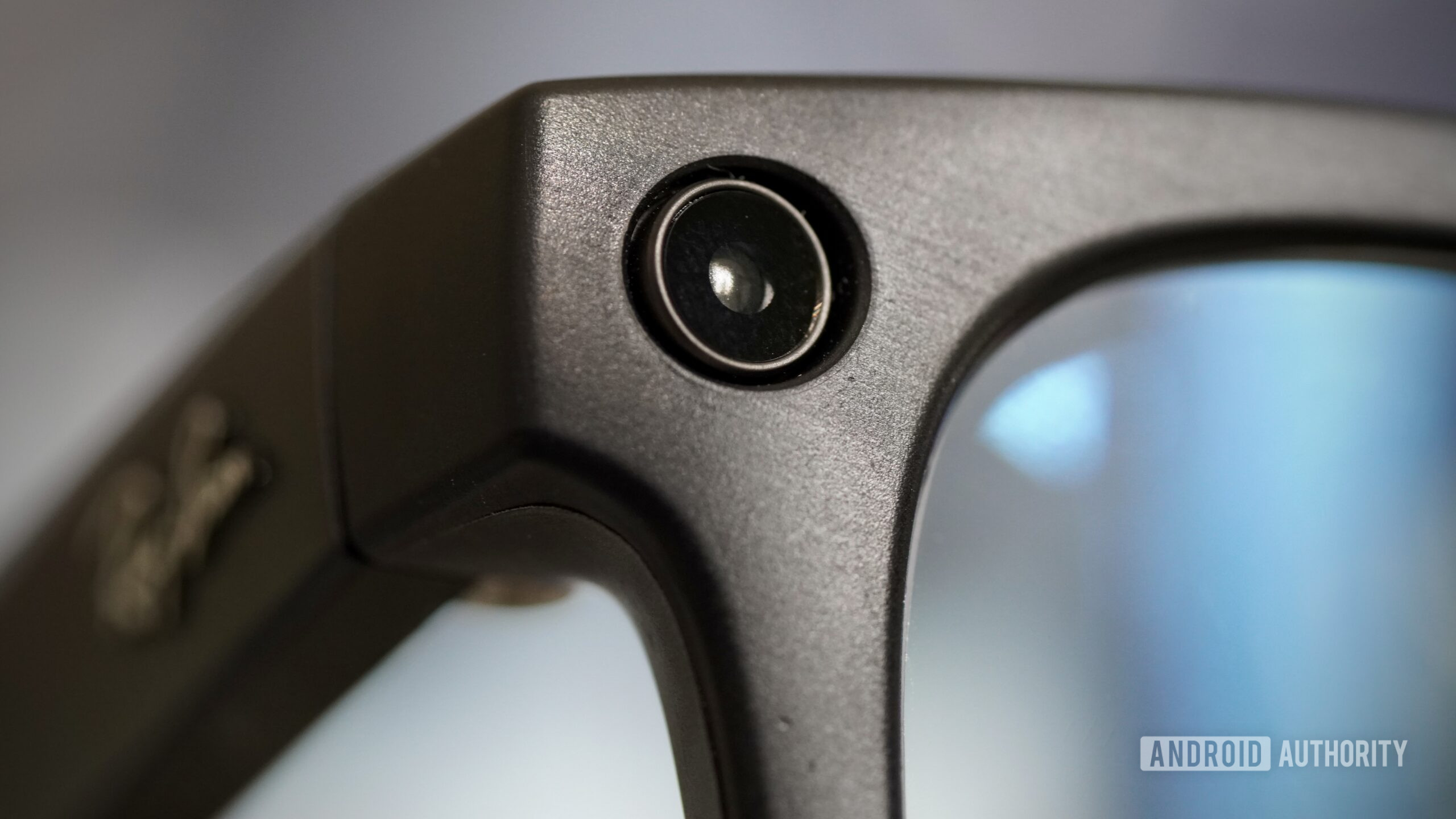
In an assessment published on November 2, 2026, Engadget's Filipe Espósito tackled a pressing question for vision-impaired tech enthusiasts: can smart eyewear genuinely serve as your primary, all-day prescription frames? While hardware options like the Ray-Ban Meta make it straightforward to order factory-fitted corrective lenses, transforming connected frames into your sole optical tool introduces daily friction that conventional glasses never create.
The physical compromises start right on the bridge of your nose. Standard prescription glasses typically weigh between 20 and 30 grams, while sensor-laden smart frames can reach up to 80 grams. According to Espósito, wearing that additional heft across an entire workday quickly leads to fatigue. Battery longevity creates another barrier. With most frames tapping out after three to five hours of active use, full-time wearers face dead electronics halfway through their routine, turning their high-tech frames into heavy, inert acetate.
The far bigger obstacle, however, is societal and institutional pushback. As Engadget highlights, courtrooms, corporate workspaces, and academic testing environments are steadily outlawing smart glasses over privacy and recording worries. For users who rely entirely on their frames to see, walking into a restricted facility leaves them trapped between breaking institutional rules or removing their only means of clear vision.
Our take: Hardware makers treat prescription fulfillment like an e-commerce add-on rather than designing for the non-negotiable demands of medical eyewear. Until manufacturers deliver sub-30-gram frames with all-day power and socially acceptable form factors, connected glasses remain secondary lifestyle gadgets. If you need corrective lenses to navigate the world, do not toss your analog frames just yet.
Interactive guide — prices, displays, cameras, battery.
Share this story