Analysis · —
Android XR: The Unseen Force Reshaping Smart Glasses in 12 Months
The smart glasses market is ripe for disruption, left exposed by Apple's retreat and Meta's privacy missteps. Android XR is poised to become the foundational operating system, powering the next wave of diverse, affordable, and privacy-conscious eyewear.
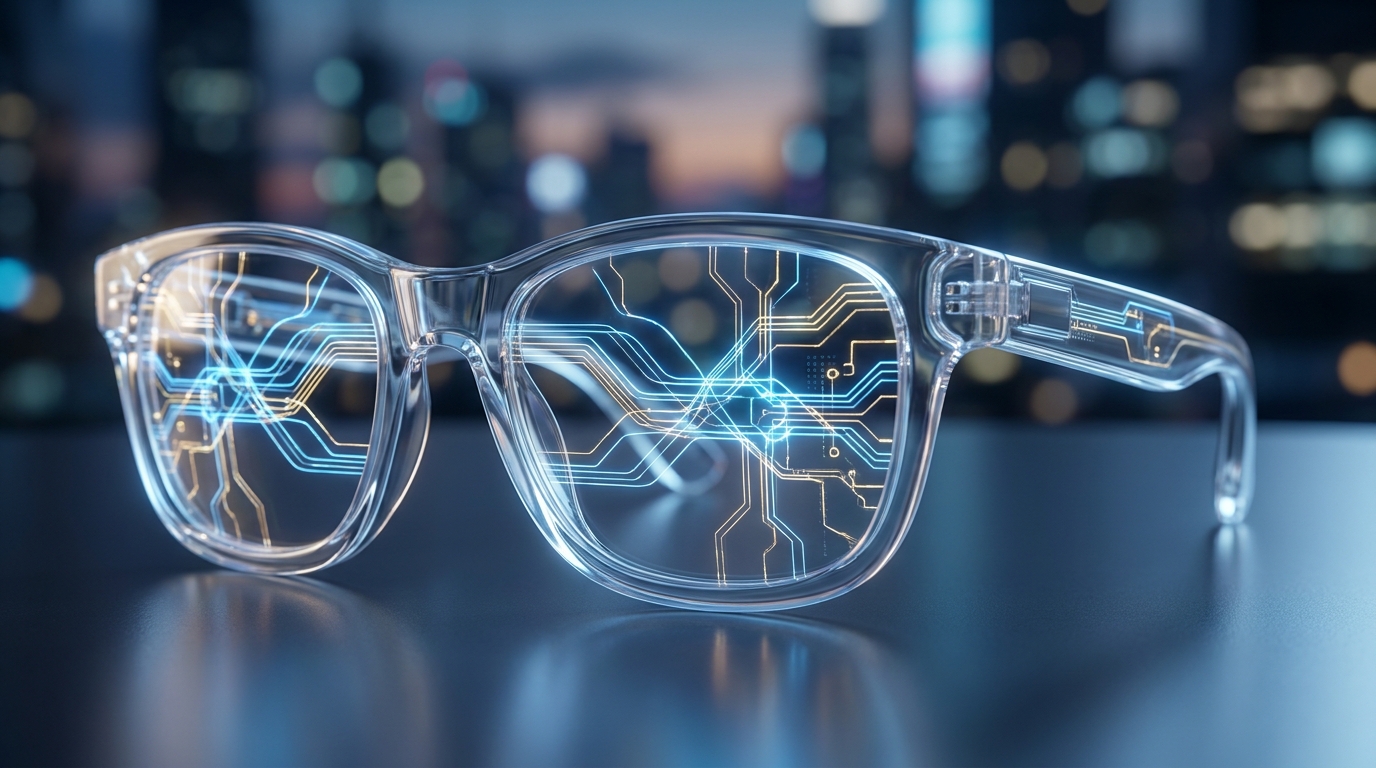
The smart glasses landscape is a chaotic battlefield, littered with the remnants of grand ambitions and unfulfilled promises. While industry titans like Apple and Meta have jostled for dominance, their missteps have inadvertently cleared the path for an entirely different kind of revolution. Within the next 12 months, we will witness the quiet, yet profound, emergence of Android XR as the de facto platform, fundamentally reshaping how smart eyewear is conceived, built, and adopted.
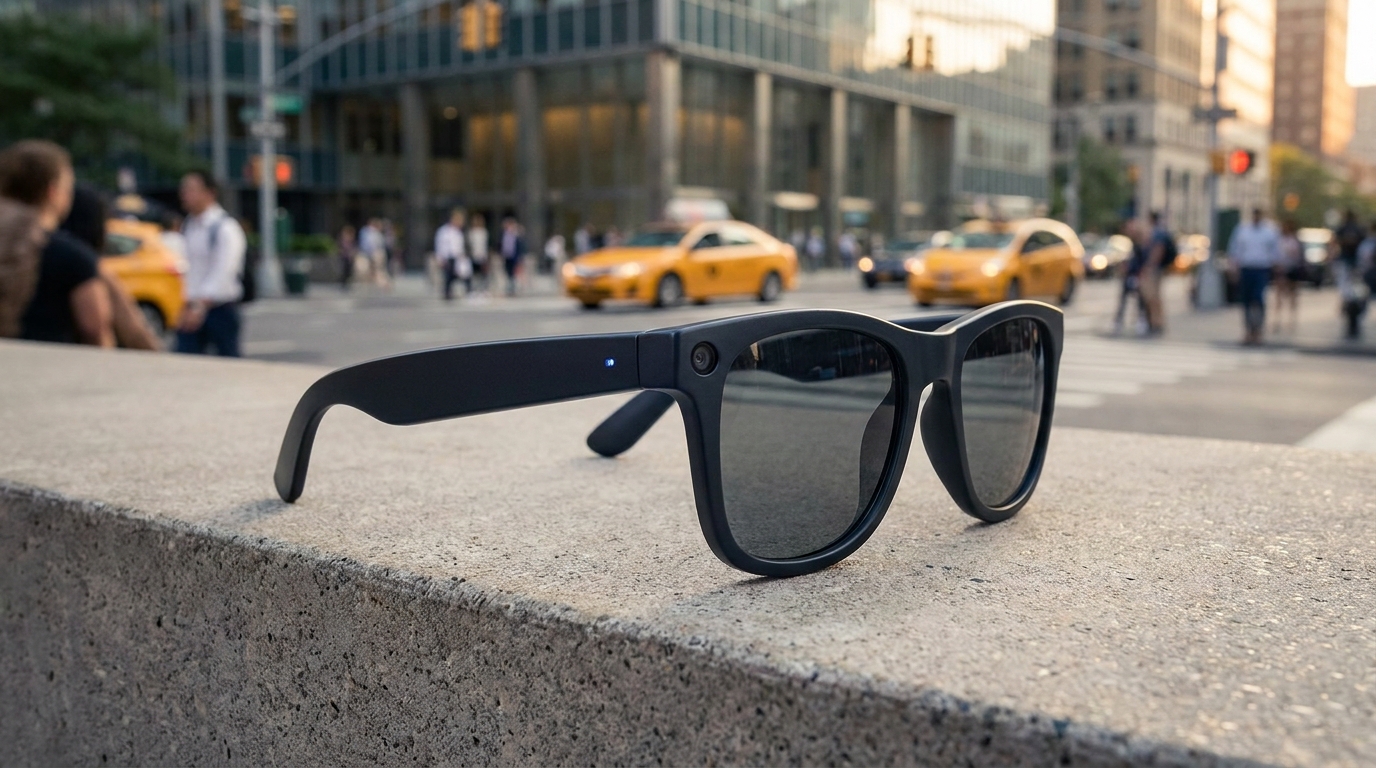
For too long, the smart glasses industry fixated on cameras, creating a privacy minefield that alienated the mass market. Terms like 'pervert glasses' didn't emerge from nowhere; they reflected a pervasive public distrust of covert recording. This camera-centric approach created a barrier to entry that has persisted for years, stymieing mainstream adoption.
Even Meta's recent mandatory capture LED updates for Ray-Ban Meta and Oakley Meta, while a reactive attempt at transparency, are bandages on a festering wound, not fundamental solutions to a social problem. These 'privacy fixes' are telling admissions of pervasive distrust, and prove that the public's clamor for privacy isn't aimed at a lack of an LED indicator; it is aimed at the very presence of a camera in an ostensibly casual device.
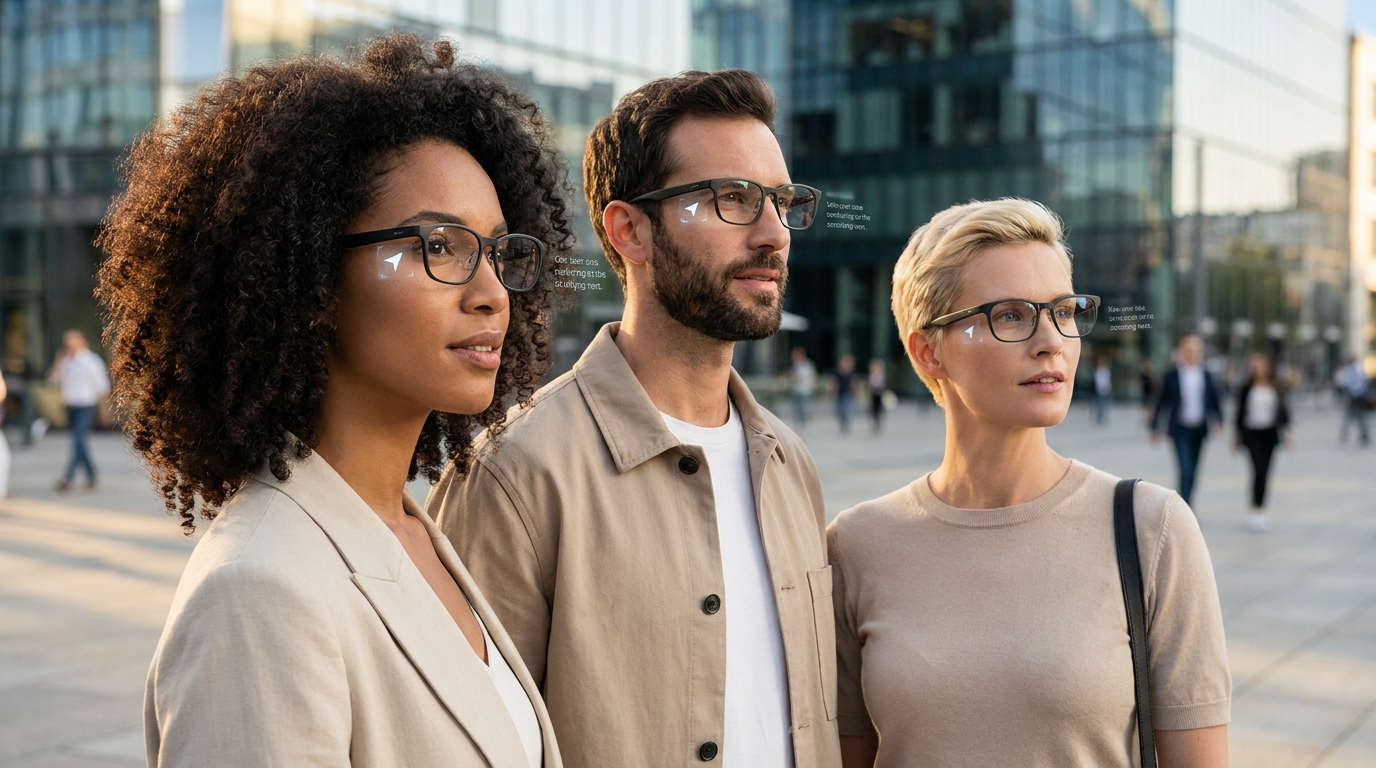
This widespread distrust has led to a pivot, a 'silent comeback' for discreet, display-first eyewear. Brands like Even Realities and Brilliant Labs are quietly redefining the future of everyday smart glasses by prioritizing a 'camera-free' design. The market clearly demands discretion, trust, and zero surveillance for mass adoption.
Apple's much-touted Vision Pro, a high-cost spatial computing spectacle, is reportedly undergoing a significant retreat, trimming teams and pivoting towards 'Meta-like AI smart glasses.' This isn't just a strategic adjustment; it's a concession. The era of premium, standalone virtual escapism is yielding to a future of ubiquitous, always-on AI assistants, a future confirmed by Apple's shift away from its original vision.
Meta, despite its camera baggage, understood the true battleground for everyday smart glasses all along with its Ray-Ban platform. They grasped early that the average user does not want a face computer, they want an unobtrusive AI companion. However, their execution, particularly the persistent camera, has created a fundamental hurdle for mainstream trust, despite their efforts to make the capture LED non-defeatable and highly visible.
This creates an unprecedented void. Apple has conceded the mass market for everyday AI glasses, and Meta struggles with trust due to its camera-first approach. This chaotic battlefield is ripe for disruption, and Android XR is poised to become the foundational operating system, offering a clear path forward where the giants faltered.
Android XR can emerge as the platform that prioritizes privacy by design, encouraging and natively supporting camera-free or highly regulated camera hardware. It can build a reputation for trust where Meta's 'reactive bandages' have failed to fully heal public perception. This foundational emphasis on user trust will be crucial for the next wave of wearable AI.
Furthermore, Android XR's open nature means it can democratize smart eyewear. By fostering competition among multiple manufacturers, it can drive down costs and encourage a diversity of form factors. This directly counters Apple's premium-only approach and Meta's singular hardware path, enabling a wider array of affordable and innovative products for the everyday user.
We are also seeing architectural breakthroughs, like XRPAK's concept of a 'Portable Spatial Computer' that detaches the 'brain' from the glasses themselves. Android XR's flexibility will enable such modular, open-source designs, liberating form factor and performance. This will empower a generation of smart glasses innovators, free from the constraints of corporate-mandated, privacy-averse hardware.
Ultimately, Android XR is uniquely positioned to deliver the ubiquitous, always-on AI assistants the market craves, seamlessly integrating Google's extensive AI capabilities. We already see glimpses of demand for specialized AR experiences, such as the ASUS ROG XBOX Ally X20 bundle with ROG XREAL R1 Edition 20 Gaming AR Glasses, which Android XR could elevate from tethered accessories to fully integrated, powerful experiences.
The pieces are in place. Apple's pivot, Meta's privacy struggles, and the clear demand for camera-free, AI-first, affordable, and modular solutions have converged. Within the next 12 months, expect Android XR to quietly, but decisively, claim its position as the dominant operating system, fundamentally reshaping the smart-glasses ecosystem and bringing true wearable intelligence to the masses.
Interactive guide — prices, displays, cameras, battery.
Share this story