Analysis · —
Android XR: The Looming Reset Button for Smart Glasses in 12 Months
Meta's privacy failures and social missteps have cratered public trust in smart eyewear. An open Android XR platform is poised to capitalize, fundamentally reshaping the industry.
The smart glasses industry, largely defined by Meta's missteps, stands at a precipice. Despite iterative improvements, 2026 has solidified the perception that these devices, particularly camera-first models like the Ray-Ban Meta, remain fundamentally misaligned with daily human needs and social acceptance. Meta's continued push for ubiquitous recording, often covertly, has led to their flagship product being derisively labeled 'pervert glasses,' a damning indictment of the entire category.
The recent barrage of negative headlines paints a grim picture for Meta. Instagram's AI glasses moderation, despite pronouncements from Adam Mosseri, faces an uphill battle against a deluge of harassing content filmed with Meta AI glasses, like Colin Allen's 'pickup artist' videos. This consistent failure to police its own platform demonstrates a profound inability to manage the social fallout of always-on cameras.
Privacy concerns are not just abstract worries, they are becoming legal and social liabilities. The Independent reported on a viral TikTok video where a woman confronted a doctor wearing smart glasses during a private consultation, highlighting the real-world anxiety these devices induce. This culminates in a German digital rights group, HateAid, filing a criminal complaint against Meta, alleging the Ray-Ban Meta Wayfarer violates national privacy laws regarding covert recording devices.
Adding insult to injury, Meta persists in a strategic direction that further alienates public trust. New patent filings detail advanced facial recognition capabilities for its smart glasses, enabling the identification of individuals, analysis of expressions like laughter, and automatic generation of social event highlights. This move, which Cybernews described as involving 'eerie' illustrations of glasses scanning dinner party guests, doubles down on surveillance tech while the public actively rejects it.
This stubborn pursuit of features over user trust is not unique to Meta, but they are its most prominent example. As Smart Glasses Daily Originals have argued, the industry has fundamentally missed the mark, prioritizing advanced features over social acceptance and seamless, non-intrusive integration. The result is a market ripe for disruption, a vacuum that demands a different philosophical approach.
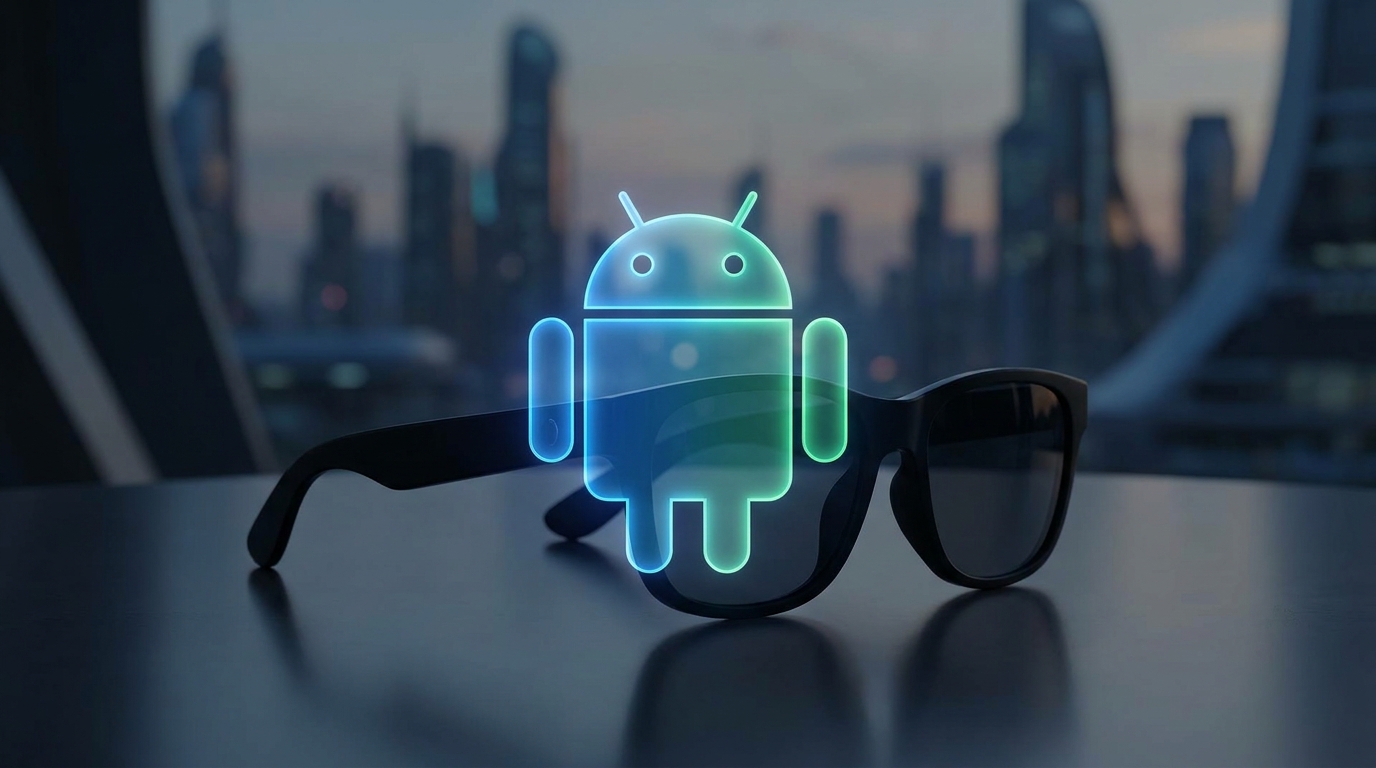
Enter Android XR. Within the next 12 months, Google's expected full embrace of an open, standardized Android XR platform will not merely compete with Meta, it will fundamentally reset the smart glasses ecosystem. This isn't just about new hardware, it's about a new paradigm, one built on the lessons learned from Meta's spectacular privacy failures.
Android XR will bring the Android model of diverse hardware partners and a robust, managed app store to smart glasses. This means manufacturers, free from Meta's privacy-ignoring mandate, can prioritize discretion and utility. Xiaomi's recent launch of the Mijia Smart Audio Glasses, which focus on audio over invasive cameras, offers a glimpse into this future, catering to a market segment Meta has willfully ignored.
Crucially, an Android XR ecosystem will offer developers the tools and guidelines to build privacy-by-design applications. Unlike Instagram's reactive, failing moderation, Android XR can enforce clearer consent mechanisms, transparent recording indicators, and potentially even location-based camera restrictions. This platform-level approach can prevent the 'pervert glasses' problem from ever taking root.
Google's unparalleled expertise in AI, search, and voice interfaces is another critical differentiator. Android XR will seamlessly integrate these powerful, useful services directly into eyewear, offering hands-free utility for navigation, information retrieval, and communication without the immediate, inherent creepiness of covert video recording. Imagine genuinely smart assistance, not just surveillance on your face.
While Apple Vision Pro occupies the high-end, immersive computing space, Android XR can capture the everyday utility smart glasses market. It will offer a broader range of affordable, functional, and socially acceptable devices that don't come with the baggage of a criminal complaint or constant public backlash. This broad accessibility is what Meta has failed to achieve with its current strategy.
The next 12 months will see a significant shift in hardware manufacturer allegiance. As Meta continues to face legal challenges in markets like Germany and struggles with content moderation on Instagram, a reliable, open, and privacy-conscious platform from Google will become an irresistible alternative. Brands will flock to Android XR to avoid the reputational damage currently plaguing Meta.
This pivot will fundamentally reshape consumer expectations. Smart glasses will evolve from being primarily discreet recording devices to versatile, genuinely helpful personal assistants. The era of the 'pervert glasses' will begin its swift decline, replaced by a new generation of eyewear that finally earns public trust and delivers on the promise of augmented living, not augmented surveillance.
Interactive guide — prices, displays, cameras, battery.
Share this story