Analysis · —
Android XR: The Looming Operating System That Will Reshape Smart Glasses Within a Year
The smart glasses market is diversifying rapidly, but a critical piece of the puzzle remains largely proprietary: the operating system.

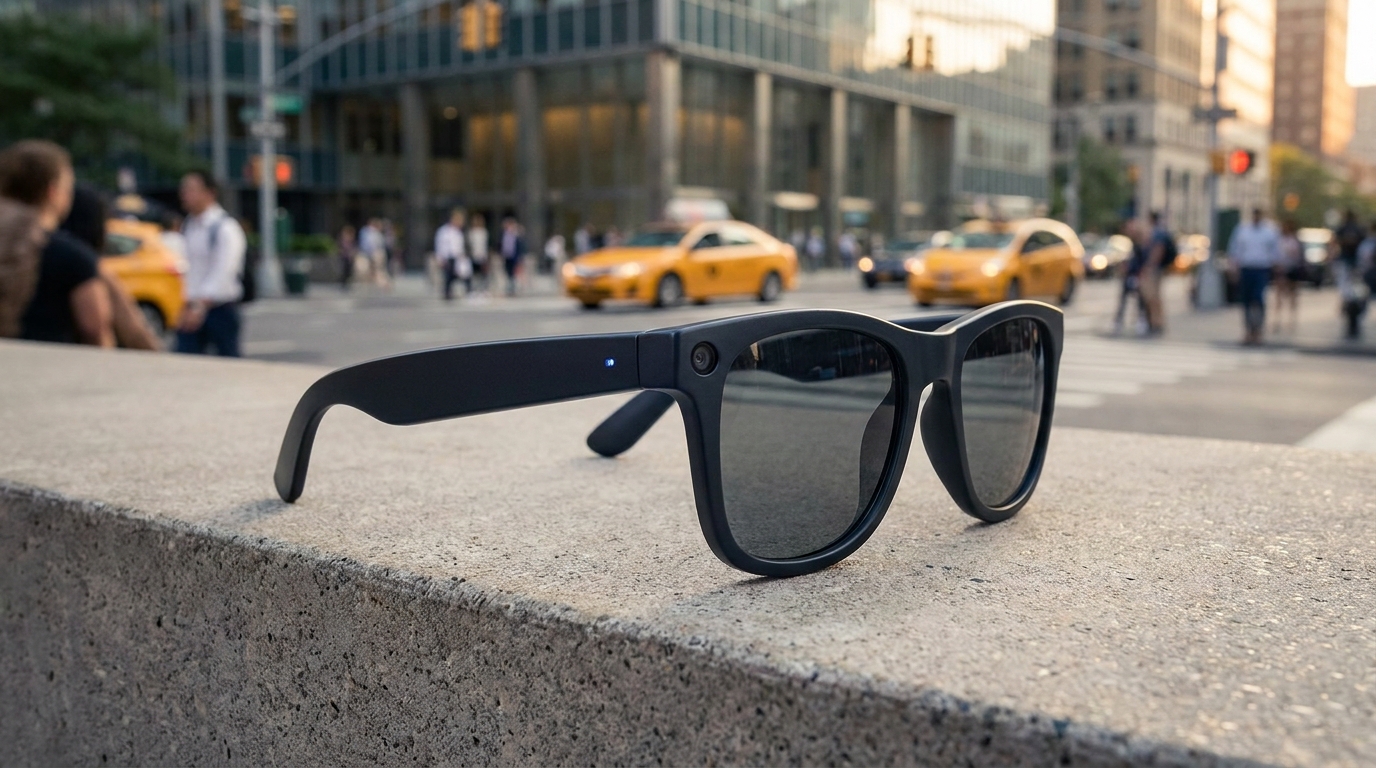
The smart glasses landscape is currently a fragmented battlefield, a collection of ambitious hardware plays with disparate software ecosystems. We see the fashion-forward, camera-centric approach of Ray-Ban Meta, a device that prioritizes style and ephemeral capture over true augmented reality. Meta, allied with EssilorLuxottica, is clearly banking on aesthetic integration and audio features to drive mainstream adoption, rather than complex visual overlays.
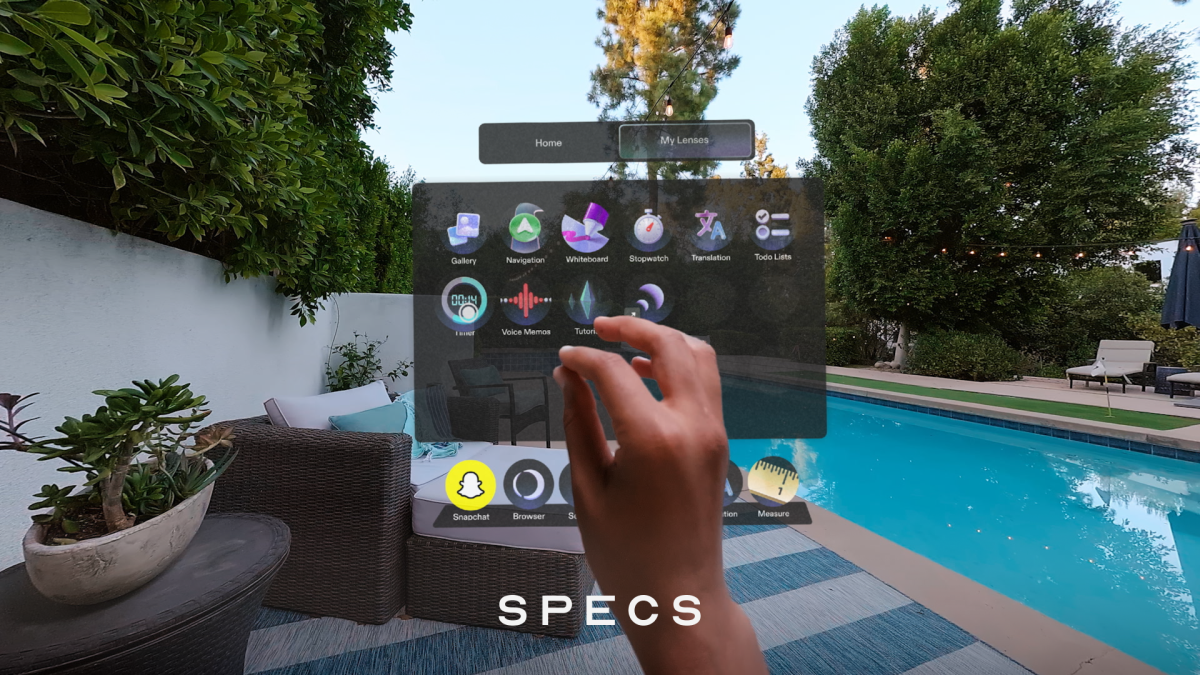
Then there's Snap, making a high-stakes, multi-billion dollar bet on 'true AR glasses' with its $2,195 Specs, which CEO Evan Spiegel insists are a 'see-through computer,' not merely 'AI glasses.' Snap's move is bold, but at that price point, it remains an early-adopter niche. Both Snap and Meta are building expensive, vertically integrated hardware and software solutions, echoing the early smartphone wars before Android's dominance.
Acer, a veteran of mass-market computing, is strategically entering the fray with two distinct smart glasses models, featuring both AI and AR capabilities. Their dual-product strategy signals a shrewd understanding of market segmentation. Acer's extensive manufacturing and distribution networks position them as a significant player, capable of democratizing features that might otherwise remain premium.
Perhaps the most disruptive force, however, comes from an unexpected quarter: BlackSheep. This new Chinese entrant shattered pricing conventions with its AG18 Smart AI Glasses, offered at an astonishing $64.95. This isn't just aggressive pricing; it's a fundamental challenge to the notion that advanced AI eyewear must carry a premium tag, instantly making AI interaction accessible to a dramatically wider audience.
BlackSheep's ultra-affordable entry highlights a critical vulnerability in the current market: the high cost of entry for consumers. While devices like Snap Specs are pushing the technological frontier, they remain out of reach for most. The disparity between Snap's $2,195 'see-through computer' and BlackSheep's sub-$65 AI glasses underscores the vast chasm in both price and perceived utility.
What ties these seemingly disparate developments together, and what will ultimately redefine the market, is the inevitable arrival of a standardized, open-source operating system. Much like Android did for smartphones, Android XR is poised to become the unifying platform for smart glasses, shifting the battleground from proprietary software stacks to hardware innovation, design, and pricing.
When Android XR fully matures in the next 12 months, it will allow manufacturers like Acer to leverage a robust, familiar OS, vastly reducing their R&D overhead for software. This dramatically accelerates time to market for advanced features and allows them to focus intensely on form factor, display technology, and battery life, instead of reinventing the software wheel.
For companies like BlackSheep, an open Android XR platform means access to a rich ecosystem of developers and applications, enabling them to pack more functionality into their aggressively priced devices. The current 'smart glasses' often feel like glorified cameras or audio devices, as seen with Ray-Ban Meta's focus on style and capture over true AR displays.
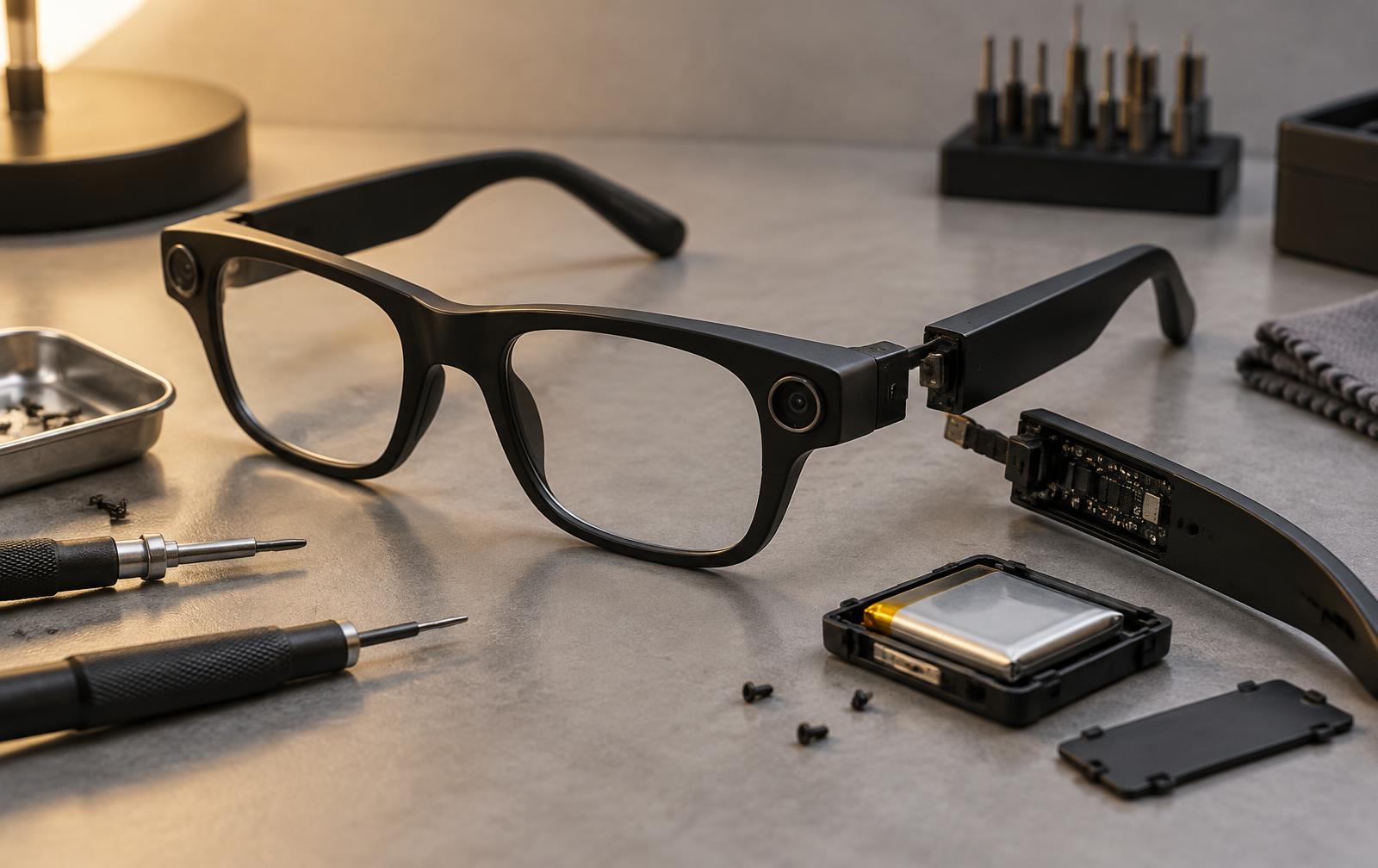
However, with Android XR providing a common layer, even these more lifestyle-oriented devices can evolve. NFC charging, as demonstrated by NuCurrent's prototype, promises sleeker designs by eliminating bulky pogo pins, a critical step towards wearable comfort. When combined with Android XR, this allows for more aesthetically pleasing hardware to run sophisticated applications not possible today.
EssilorLuxottica's partnership with Applied Materials to advance AR display technology and AI glasses is significant. Yet, without a universal software platform, their advancements in optics and chip manufacturing remain tethered to specific hardware ecosystems. Android XR will unlock the full potential of these hardware innovations, enabling widespread adoption across various manufacturers.
The 'silicon war' brewing, with China's rapid innovation and manufacturing might, further underscores the need for a standardized OS. Chinese manufacturers, already adept at rapid hardware iteration and cost optimization, will dominate the lower and mid-tiers of the smart glasses market once Android XR provides a common powerful software base. This could challenge the dominance of US tech giants.
In 12 months, the smart glasses market will no longer be defined by isolated, vertically integrated ecosystems. Android XR will act as a gravitational force, pulling diverse hardware approaches onto a shared software plane. This will foster unprecedented competition, accelerate feature development, and most importantly, drive down prices, making true smart glasses accessible to the masses.
The devices that currently feel 'too tech, not enough life' will transform from standalone novelties into seamlessly integrated extensions of our digital lives. Manufacturers will differentiate on design, specialized hardware, and unique applications built on a common, powerful foundation. The era of proprietary, closed smart glasses operating systems is drawing to a close, and Android XR is the catalyst for this monumental shift.
Interactive guide — prices, displays, cameras, battery.
Share this story