Analysis · —
2026 Smart Glasses Still Miss the Point of Being Human in Public
Despite surging revenue and exciting AI features, smart glasses are fundamentally failing everyday users. The industry's relentless push for 'always-on' capabilities is eroding public trust at an alarming rate.
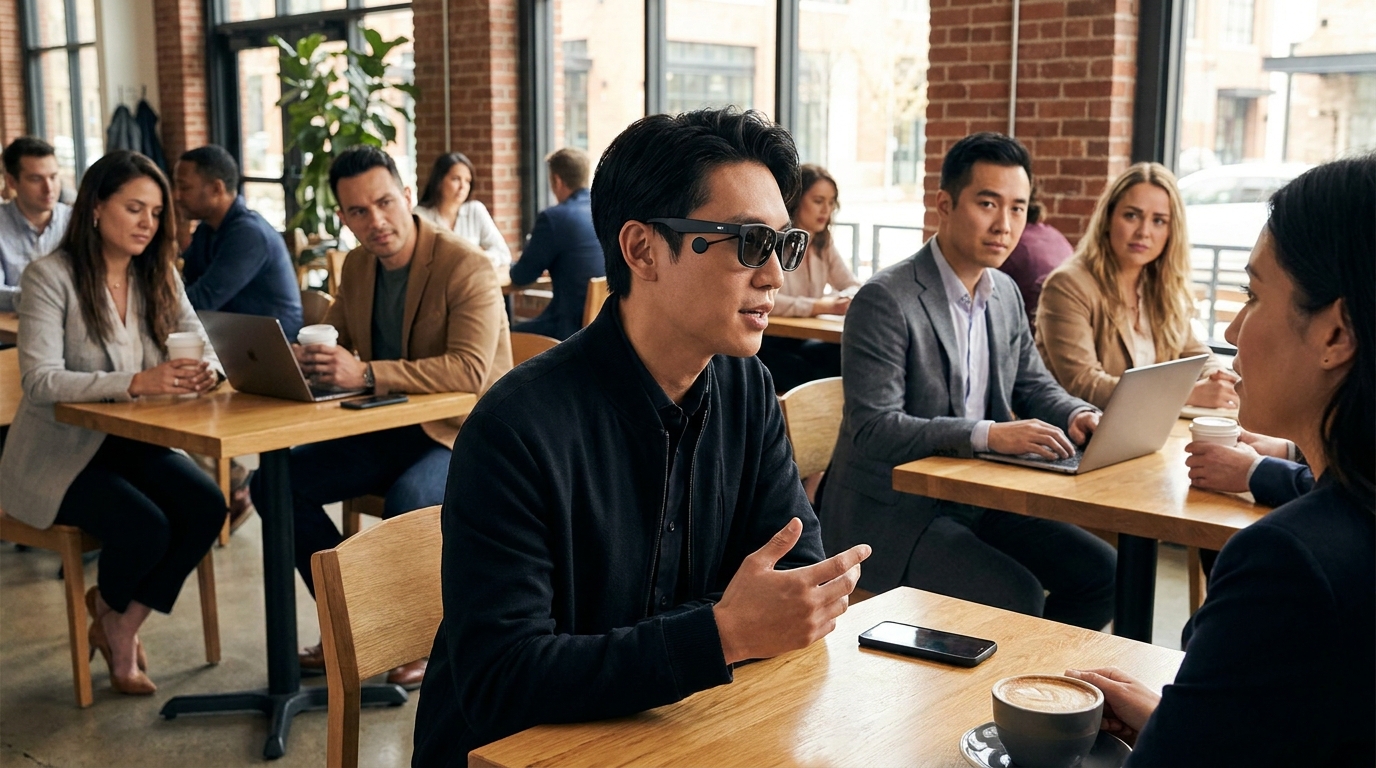
It is 2026, and smart glasses are no longer a fringe concept. Forbes Vetted crowns the Ray-Ban Meta (2nd Gen) as the top choice for its AI capabilities and battery life, while EssilorLuxottica, co-maker of these popular frames, reports smart glasses revenue nearly doubled year-over-year. Samsung, in partnership with Google, has even officially entered the market with Galaxy AI Glasses, promising seamless ecosystem compatibility and advanced on-device intelligence. Yet, despite this robust market growth and aggressive innovation, the industry continues to make a critical misstep: it fundamentally misunderstands the everyday user's right to privacy and peace of mind.
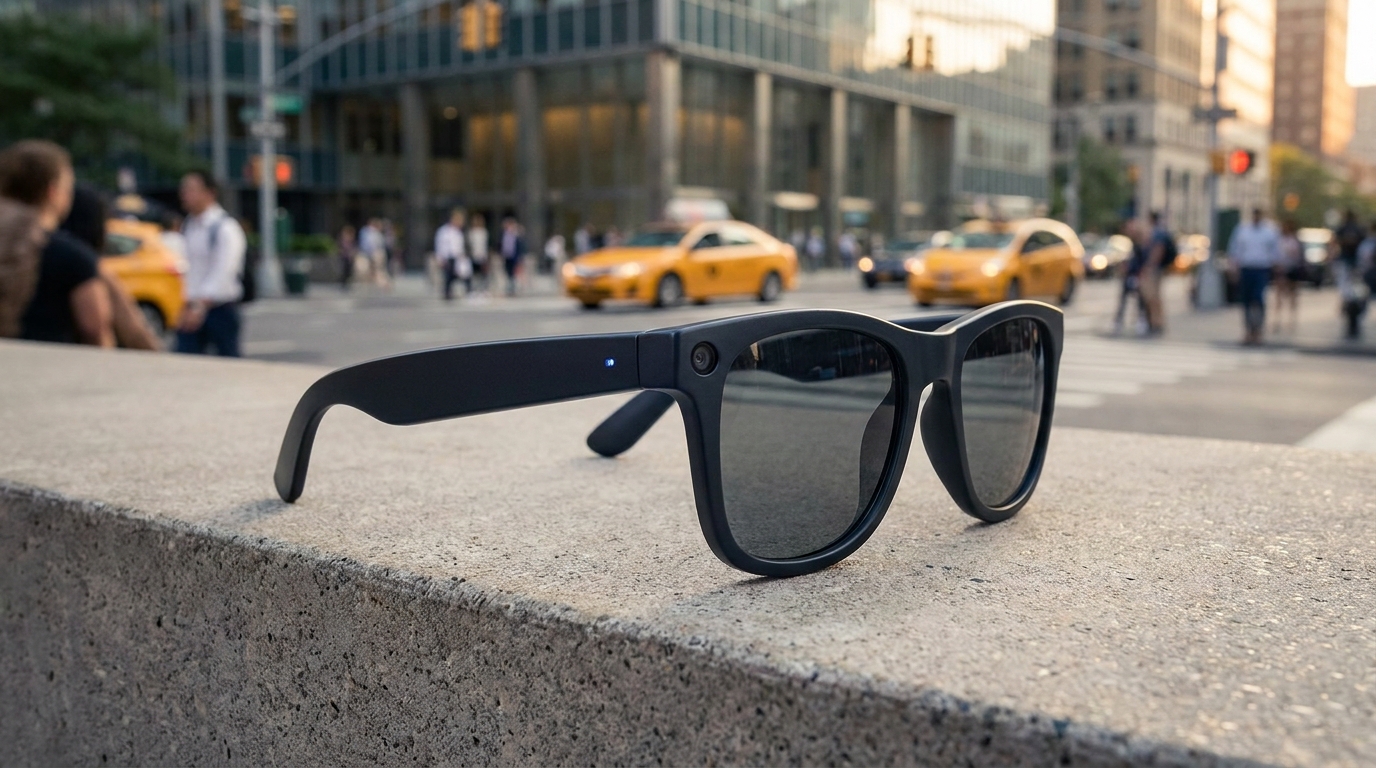
The most immediate and visceral problem remains the embedded camera. Scott Margerison, known online as E Dobbin, is currently under police investigation for covertly filming unsuspecting members of the public with Meta smart glasses. His videos, posted on TikTok, featured offensive comments and exposed strangers without their consent, leading to a ferry company suspending public visits. This kind of egregious misuse confirms the public's worst fears, turning the 'glasshole' stereotype into a tangible threat.
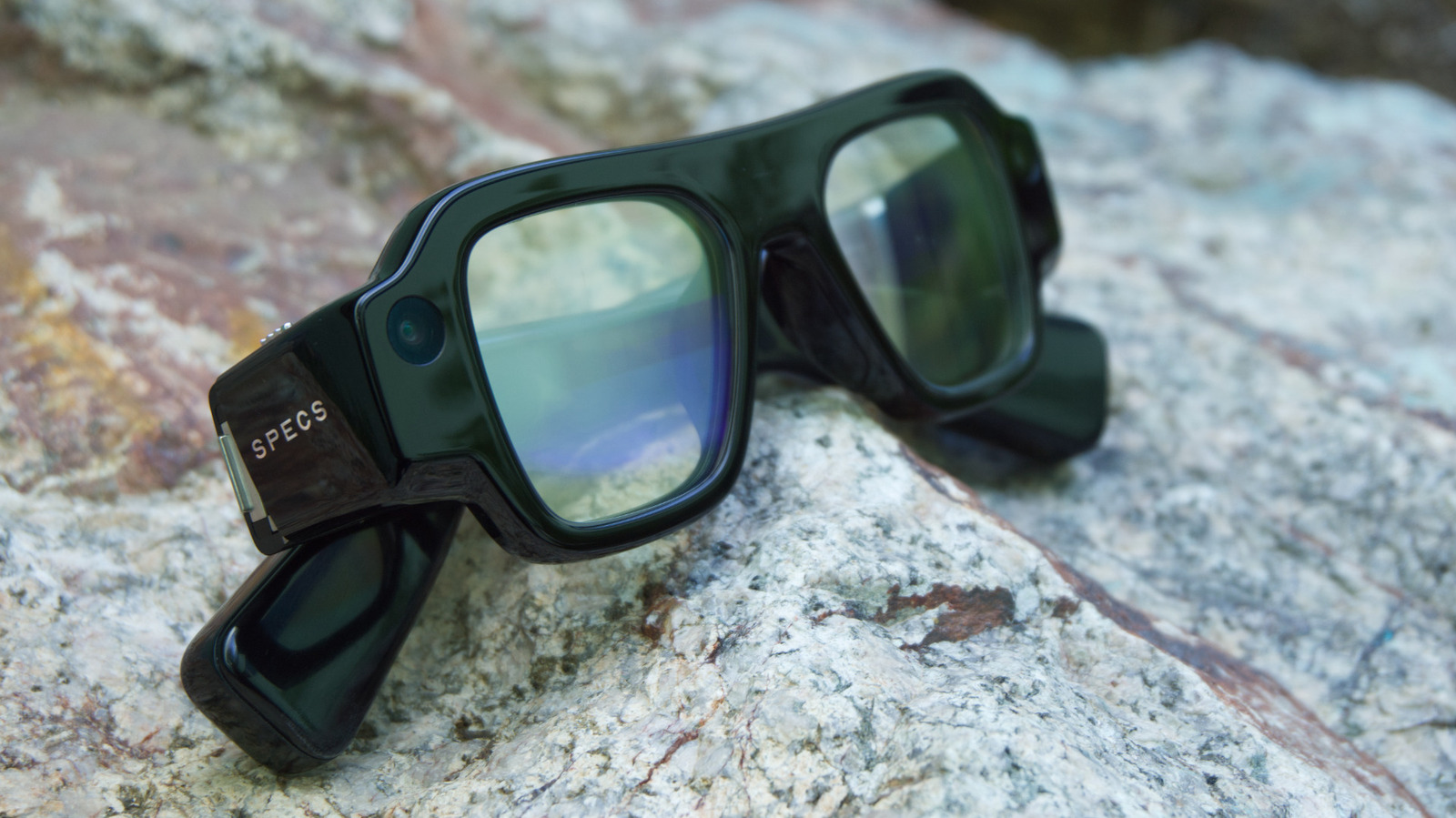
The industry's attempts to mitigate these concerns are proving laughably inadequate. Meta's smart glasses incorporate a bright LED indicator, intended to signal when the device is recording and alert bystanders. However, Engadget reports this 'anti-creep feature' is trivially easy to bypass, often with nothing more than a $2 light-blocking sticker. These cheap accessories don't damage the LED, thereby avoiding Meta's mandatory software update, while effectively obscuring the primary recording indicator. This demonstrates a deep disconnect, or perhaps a willful ignorance, regarding real-world privacy challenges.
The creep factor is not limited to cameras. Xgimi's MemoMind One smart glasses, as reviewed by Gizmodo, introduce continuous audio capture, labeling its constant listening as 'creepy.' While previous privacy concerns in smart eyewear centered on visual recording, the MemoMind One shifts focus to audio. This new frontier in privacy further erodes public trust, making every conversation a potential data point for someone else's device without explicit consent.
The issue is also being democratized. Australian budget retailer Kmart, through its Anko brand, released an $89 pair of camera glasses that mimic ordinary spectacles. These affordable wearables, capable of 1080p video recording, immediately triggered significant public privacy concerns, echoing debates around higher-end devices. Covert surveillance is no longer a luxury tech problem, it is a mass-market issue, making non-consensual recording accessible to a far wider audience.
Unsurprisingly, public apprehension is translating into active counter-measures. The 'Antizuck Smart Glasses Scanner' app has surged to the third spot on the U.S. iPhone paid App Store chart, claiming to detect nearby Meta AI glasses. Priced at $3, its rapid ascent signifies widespread user unease and a proactive desire to identify and avoid wearable recording devices. This isn't mere concern; it is active digital self-defense.
Beyond individual misuse, there is the alarming expansion into state-level surveillance. Them reports that immigration agents are already deploying Meta's AI glasses in the field. Earlier this year, the Trump administration even proposed allocating fiscal year 2027 funding for the Department of Homeland Security to develop 'AI smart glasses' for agents to use in 'encountering, transporting, and detaining' individuals. This development signals a troubling expansion of surveillance capabilities, particularly for vulnerable communities.
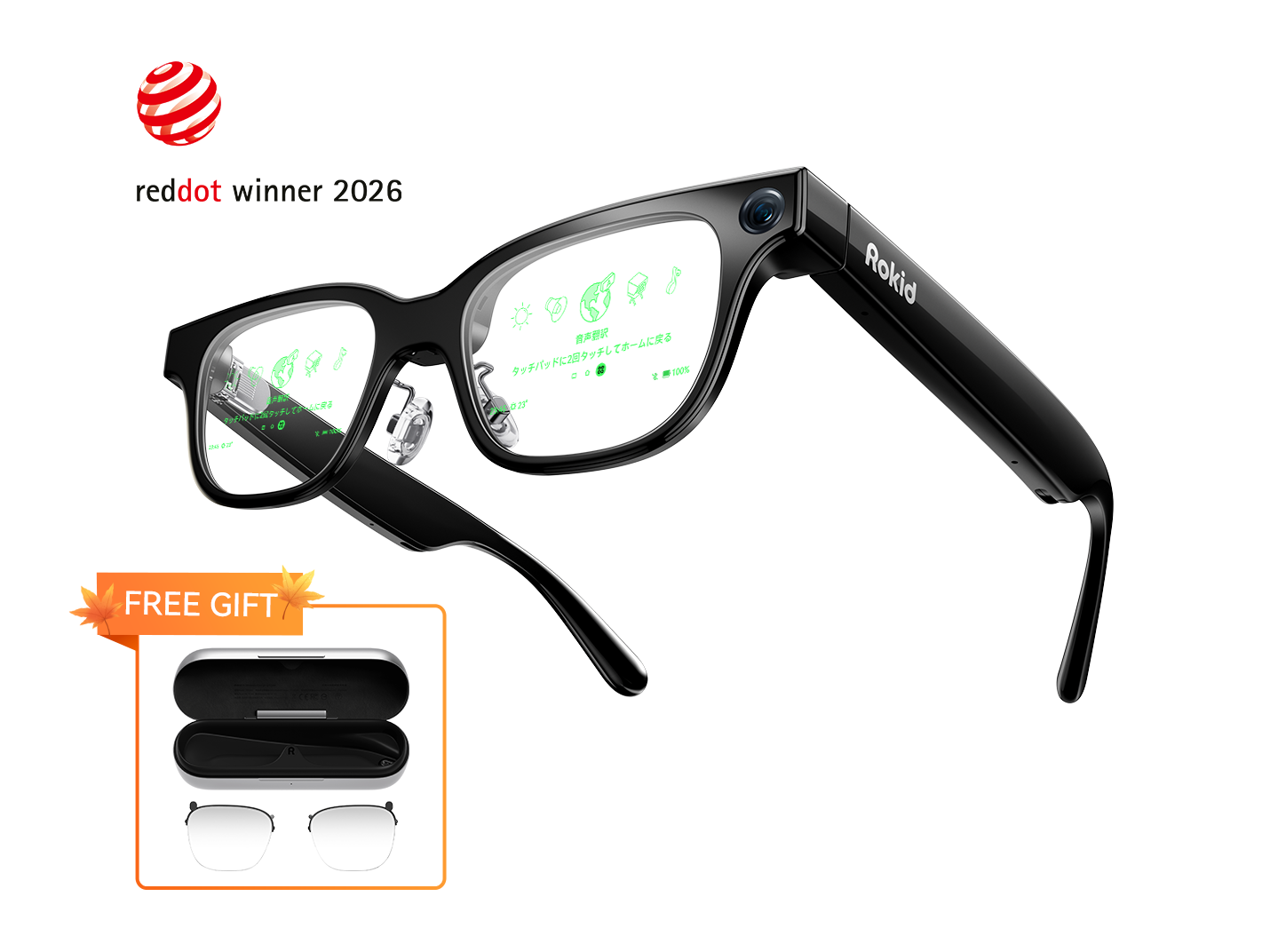
Meanwhile, the industry continues to champion the technological advancements. Samsung's Galaxy AI Glasses, integrating cameras and Google's Gemini AI, promise real-time insights and seamless utility. TCL RayNeo, for its part, highlights real-time translation as a 'killer app' for smart glasses, envisioning seamless global communication through on-device AI and screen overlays. These are powerful capabilities with genuine potential.
However, these compelling use cases are consistently overshadowed by the privacy nightmare unfolding around them. The promise of breaking down language barriers or streamlining daily tasks, while genuinely appealing, is drowned out by the pervasive fear of being unknowingly recorded, photographed, or even monitored by government agencies. The public cannot easily separate the utility from the threat.
The fundamental flaw in 2026 smart glasses, therefore, lies in a profound misunderstanding of human social dynamics and the importance of consent in public spaces. Tech companies are still largely designing for a user who prioritizes cutting-edge features and convenience, often at the expense of others' privacy. They are not designing for a society that demands transparency and the right to anonymity in everyday interactions.
The industry's focus on 'always-on intelligence' without 'always-on consent' is a losing strategy for mass adoption. Until smart glasses are engineered with privacy-by-design that is truly un-bypassable and inherently respects the boundaries of public interaction, they will remain a niche product. They will be adopted by those willing to court public scorn and suspicion, rather than becoming the seamless, universally accepted technology their creators envision.
Interactive guide — prices, displays, cameras, battery.
Share this story