Analysis · —
Android XR: The Inevitable Reckoning for Smart Glasses' Next 12 Months
The smart glasses market stands at a critical inflection point, fragmented by privacy concerns and hardware missteps. Android XR is poised to consolidate and redefine the ecosystem, pushing the industry past its current limitations.
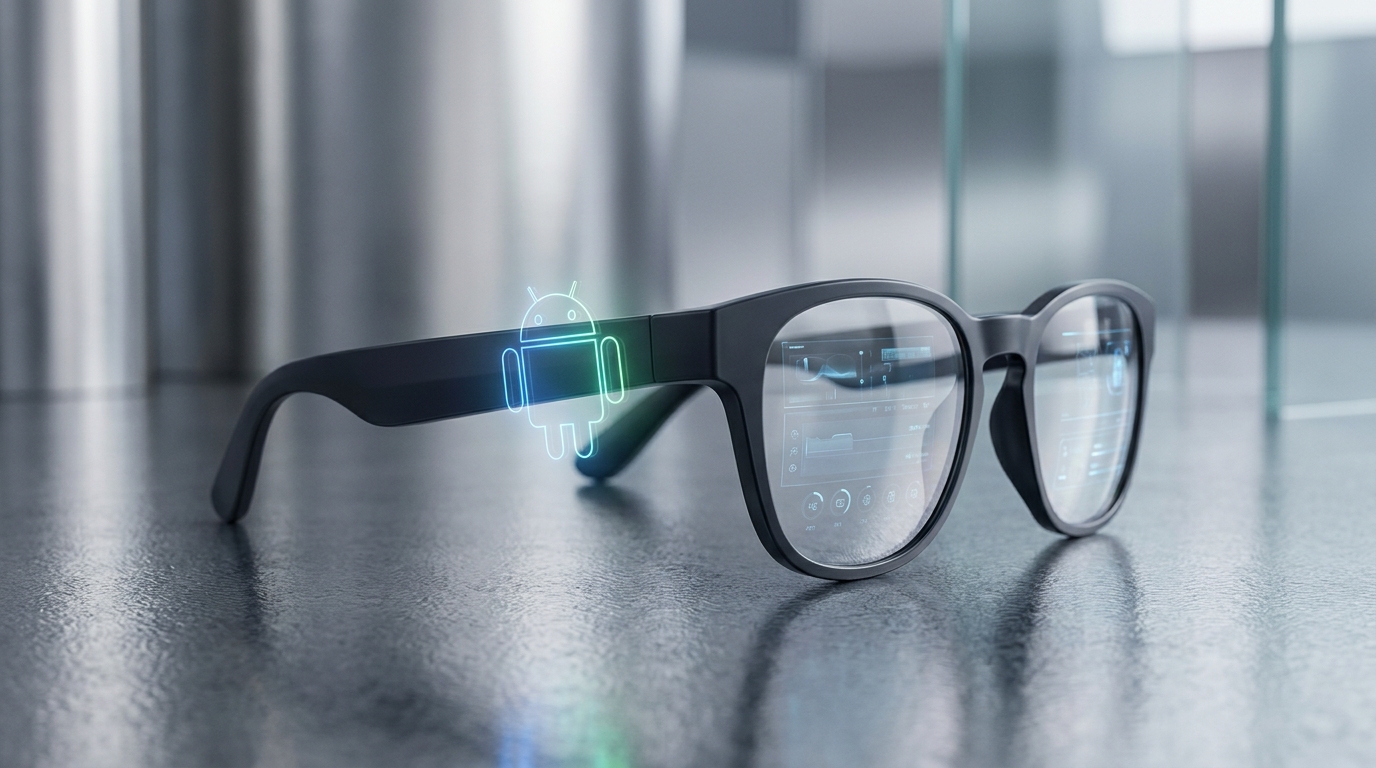
The smart glasses market, despite years of hype and billions in investment, remains a chaotic, bifurcated battleground. On one side, we have Big Tech's camera-laden ambitions. On the other, a quiet revolution of display-first utility is taking hold. Android XR is not just another operating system; it is the inevitable catalyst that will fundamentally reorient this ecosystem within the next 12 months. It will provide the necessary, open foundation for truly accessible, intelligent eyewear, finally moving beyond Big Tech's self-inflicted wounds and miscalculations.
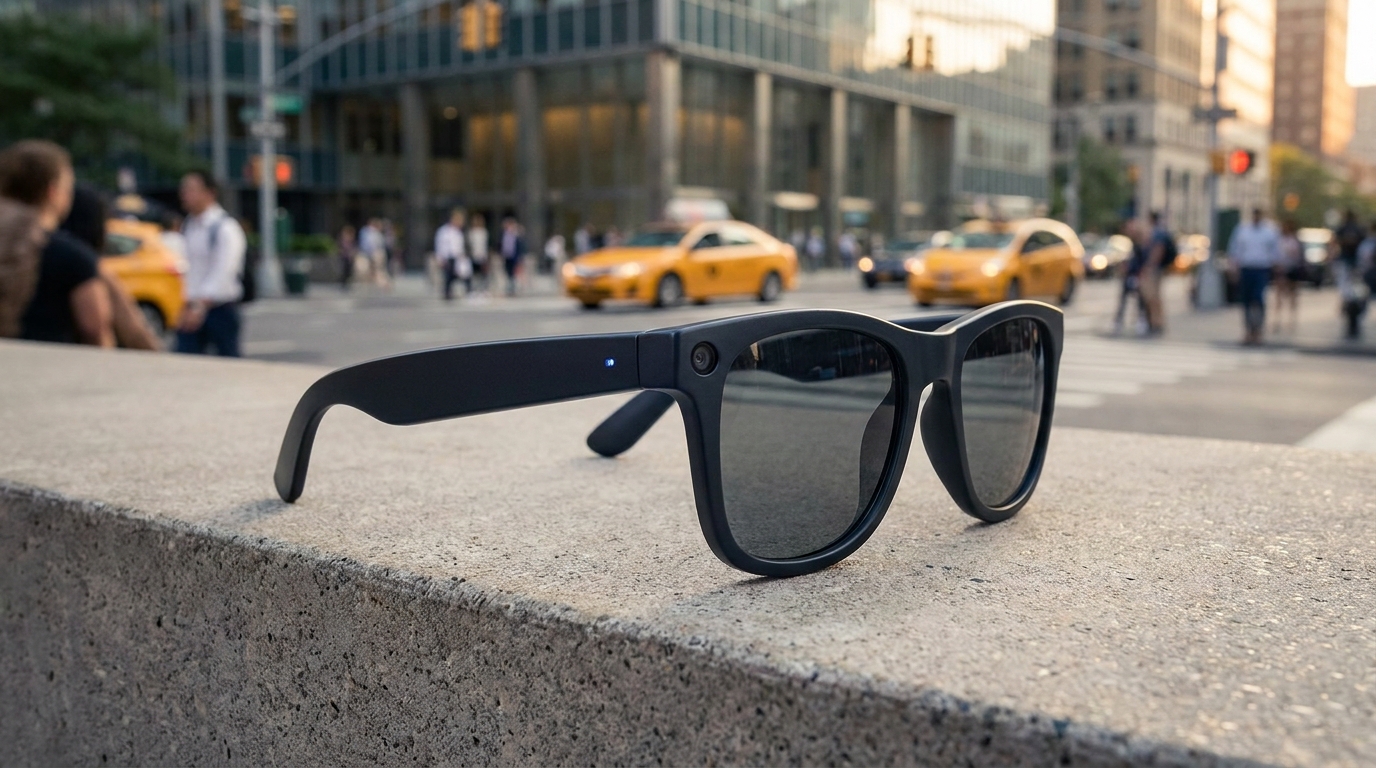
For now, Meta's Ray-Ban smart glasses appear to be winning the consumer race, at least in terms of raw market penetration and immediate utility. They have, as we have noted, "cracked the code for accessible, immediate utility" in a way Apple's Vision Pro simply has not. This blend of familiar form factor, hands-free recording, and seamless AI interaction has undeniably streamlined content capture, proving popular with a wide range of content creators.
However, this fragile victory comes at a severe cost. Meta's success has ignited a widespread, self-inflicted privacy crisis, a systemic barrier to mass adoption. The "Zuckoff" app, designed to detect nearby Meta smart glasses, highlights growing public anxiety. Major UK pub chain Wetherspoons has already banned the glasses, and women's rights campaigners flag potential misuse, cementing the dreaded "pervert glasses" label. U.S. law enforcement agencies, including the NYPD, are also increasingly wary, fearing covert recording and potential security threats.
This privacy quagmire has created a peculiar dynamic: while Western tech giants grapple with public distrust, display-first Asian brands are quietly dominating the market. Our analysis reveals that the global smart glasses race in 2026 is less about raw innovation and more about cultural acceptance. The East, with its pragmatic, user-centric approach, is effectively ceding significant ground to Asian-led innovation.
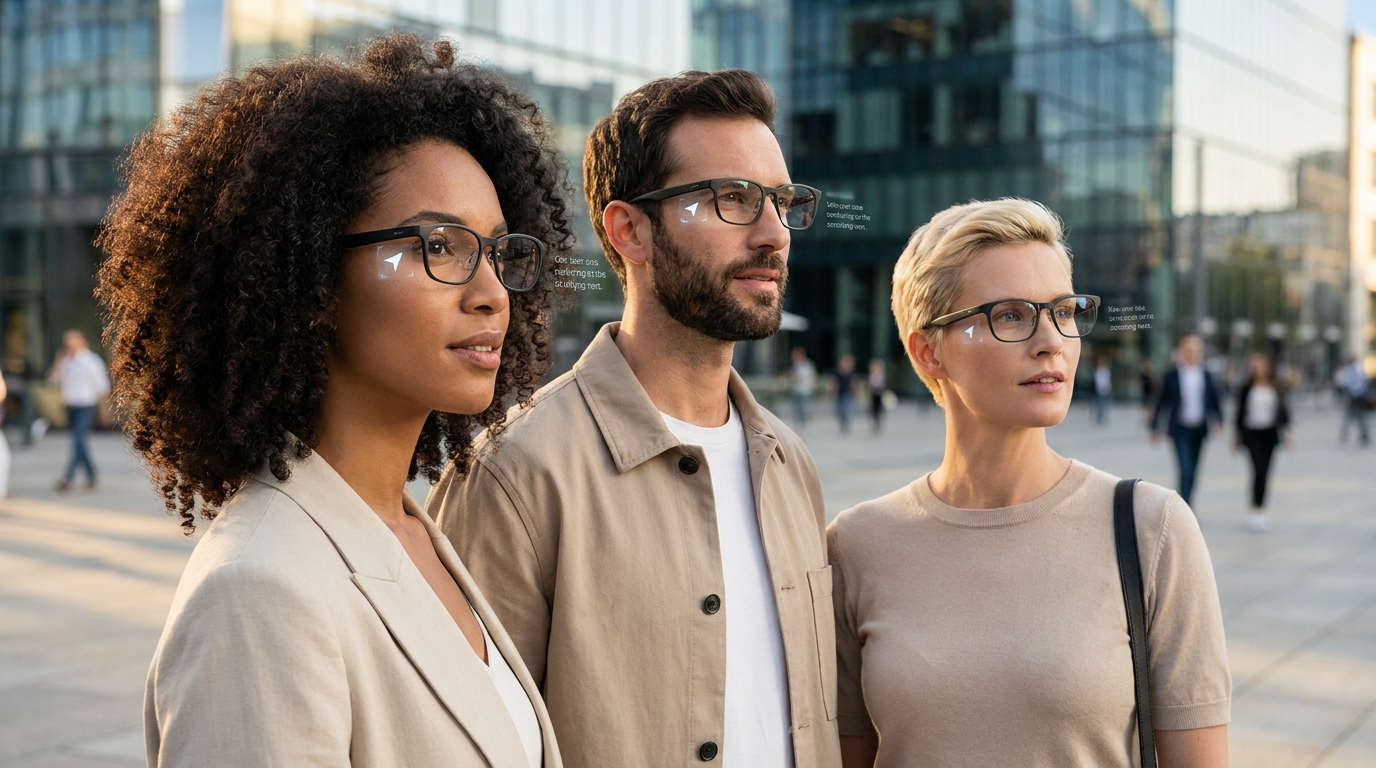
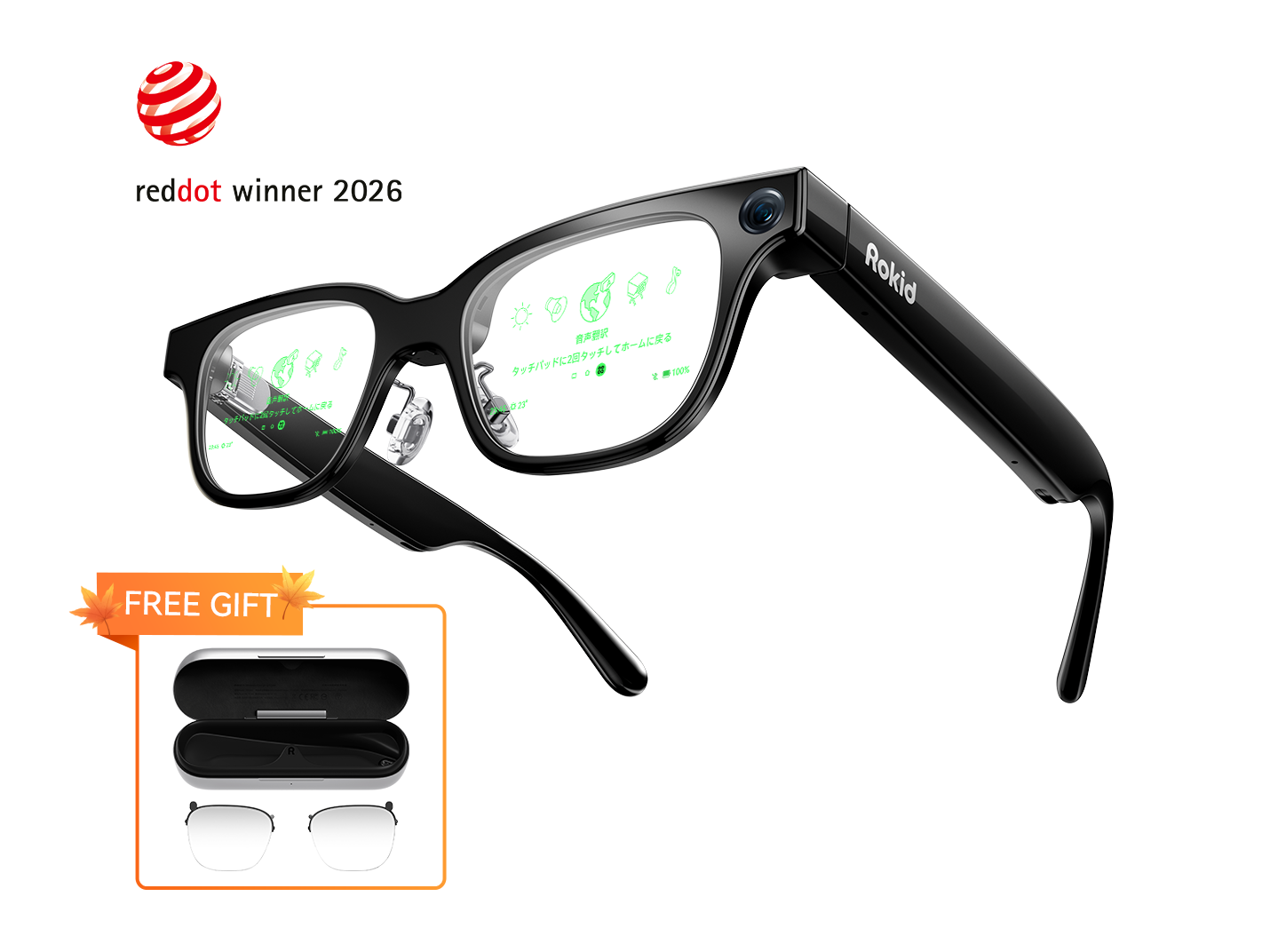
Indeed, a different cohort of players already demonstrates a more sustainable path. Brands like RayNeo, XREAL, and Rokid are not chasing spatial computing or immersive XR. They are "quietly dominating the smart glasses market" by delivering one thing consistently: an excellent, unobtrusive display. These "silent screen kings" largely sidestepped the camera conundrum, proving that everyday users prioritize discreet utility over constant recording. Even Realities and Brilliant Labs are part of this discreet, display-first wave.
The broader industry, for all its strategic recalibrations, continues to misunderstand the fundamental needs of the average person. Its fixation on cameras created a privacy minefield that alienated the mass market. This persistent blind spot, repeatedly highlighted in our Originals, obstructed true mass adoption.
This is precisely where Android XR enters the fray, poised to unify and elevate the nascent display-first segment. The existing "silent screen kings" largely offer tethered displays. Android XR transforms them into intelligent, standalone or smartly tethered computing devices, often without mandating an embedded camera. It bridges the gap between simple notification displays and full, yet often impractical, augmented reality.
Android XR will democratize AI access in eyewear, much as Android democratized smartphones and smartwatches. It empowers a multitude of hardware partners to integrate "ubiquitous, always-on AI assistants" without the privacy baggage of forced public recording. This platform gives manufacturers the flexibility to deliver Meta-like AI interaction and seamless hands-free utility, but crucially, without repeating Meta's blunders.
Niche innovators will also benefit immensely from a robust Android XR ecosystem. FunFitLand, for example, is carving out a strong position in VR fitness with biometric integration and real-time heart rate tracking. BleeqUp's focus on precision capture and dedicated AI for active lifestyles also represents a compelling, specialized use case. Android XR will provide these brands with a common, scalable operating system, reducing development hurdles and accelerating their time to market.
The open nature of Android XR allows for unparalleled flexibility and modularity. Manufacturers can tailor their offerings, providing camera-equipped models for specific, consented use cases like BleeqUp's specialized capture focus. Concurrently, they can offer pure HUD-only versions that cater to privacy-conscious users who simply want intelligent overlays or discreet communication. This caters to diverse user segments and privacy preferences on a single, coherent platform.
Even Apple's rumored pivot towards "Meta-like AI smart glasses" signals a broader industry consensus forming around intelligent, everyday utility, rather than complex, high-cost spatial computing. Android XR is perfectly positioned to capture this rapidly expanding segment on a grander scale due to its inherent accessibility, open-source leaning, and proven track record of mass market penetration.
Within the next 12 months, Android XR will accelerate the production of diverse, intelligent eyewear from a multitude of manufacturers, particularly from the fast-moving Asian market. It will splinter Meta's current, fragile lead by offering a viable, privacy-conscious alternative for AI-driven utility, forcing all players to adapt or face marginalization. The smart glasses ecosystem is about to shift profoundly, from camera-led to utility-and-privacy-led, with Android XR as its new backbone.
Interactive guide — prices, displays, cameras, battery.
Share this story