Analysis · -
Android XR: The 12-Month Play to Remake the Smart Glasses Landscape
Meta's quiet dominance in smart eyewear is about to meet its most formidable challenger. Google's Android XR, propelled by Samsung's Galaxy Glasses, will fundamentally reshape the ecosystem within a year.
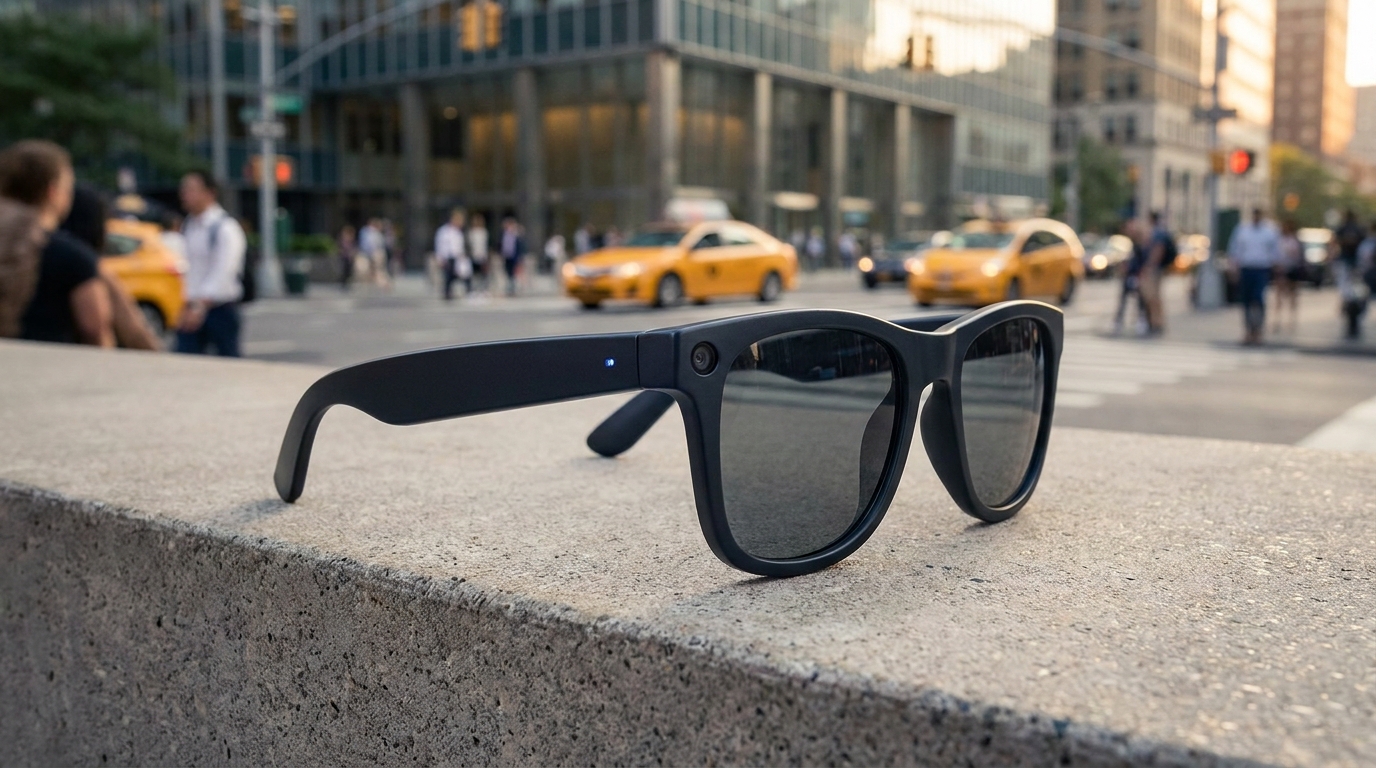
The smart glasses market, long a graveyard of ambition, has finally found its footing, largely thanks to Meta's relentless pursuit of subtle, always-on AI. Their Ray-Ban glasses have captured the face race, proving that everyday utility and social acceptance trump raw AR spectacle. But that hard-won lead is now under direct assault from a unified front: Google's Android XR platform, launched by Samsung's formidable entry, the Galaxy Glasses.
Samsung's Galaxy Unpacked 2026 event was a watershed moment for smart eyewear. The debut of the Galaxy Glasses, co-designed with fashion powerhouses Gentle Monster and Warby Parker, signaled a clear and immediate challenge to Meta. This was not merely another device; it was the first volley in a platform war, explicitly running Google's Android XR and integrating the powerful Gemini multimodal AI directly onto the face.
Android XR represents a paradigm shift, moving beyond fragmented hardware plays to a standardized, open software ecosystem. For years, OEMs struggled with bespoke operating systems and developer tools, limiting scale and innovation. Android XR provides a common foundation, much like Android did for smartphones, inviting a diverse range of hardware makers to build on a stable, intelligent platform.
Google's Gemini AI integration is arguably the most significant differentiator here. While Meta's AI offers impressive capabilities, Gemini brings Google's vast intelligence network, context-awareness, and multimodal understanding directly to the glasses. This promises a more proactive, intuitive, and genuinely helpful on-face assistant, moving closer to the 'invisible hand' of always-on AI we've long anticipated.
Qualcomm, too, sees a crucial role in this new landscape. After the Snapdragon AR2 Gen 1 failed to power a mainstream consumer device, the AR1 Gen 1 platform found its home in Samsung's Galaxy Glasses. This partnership is vital; it provides a mature, power-efficient silicon foundation that OEMs can confidently build upon, knowing it is optimized for the Android XR environment.
Samsung understands the critical importance of design and social acceptance, a lesson Meta learned early. Their collaborations with Gentle Monster and Warby Parker are a direct play for mainstream fashion, echoing Meta's successful strategy with EssilorLuxottica. The reported 50-gram weight and conventional aesthetics aim squarely at dissolving the barrier between smart glasses and ordinary eyewear, something Meta has skillfully leveraged to its advantage.
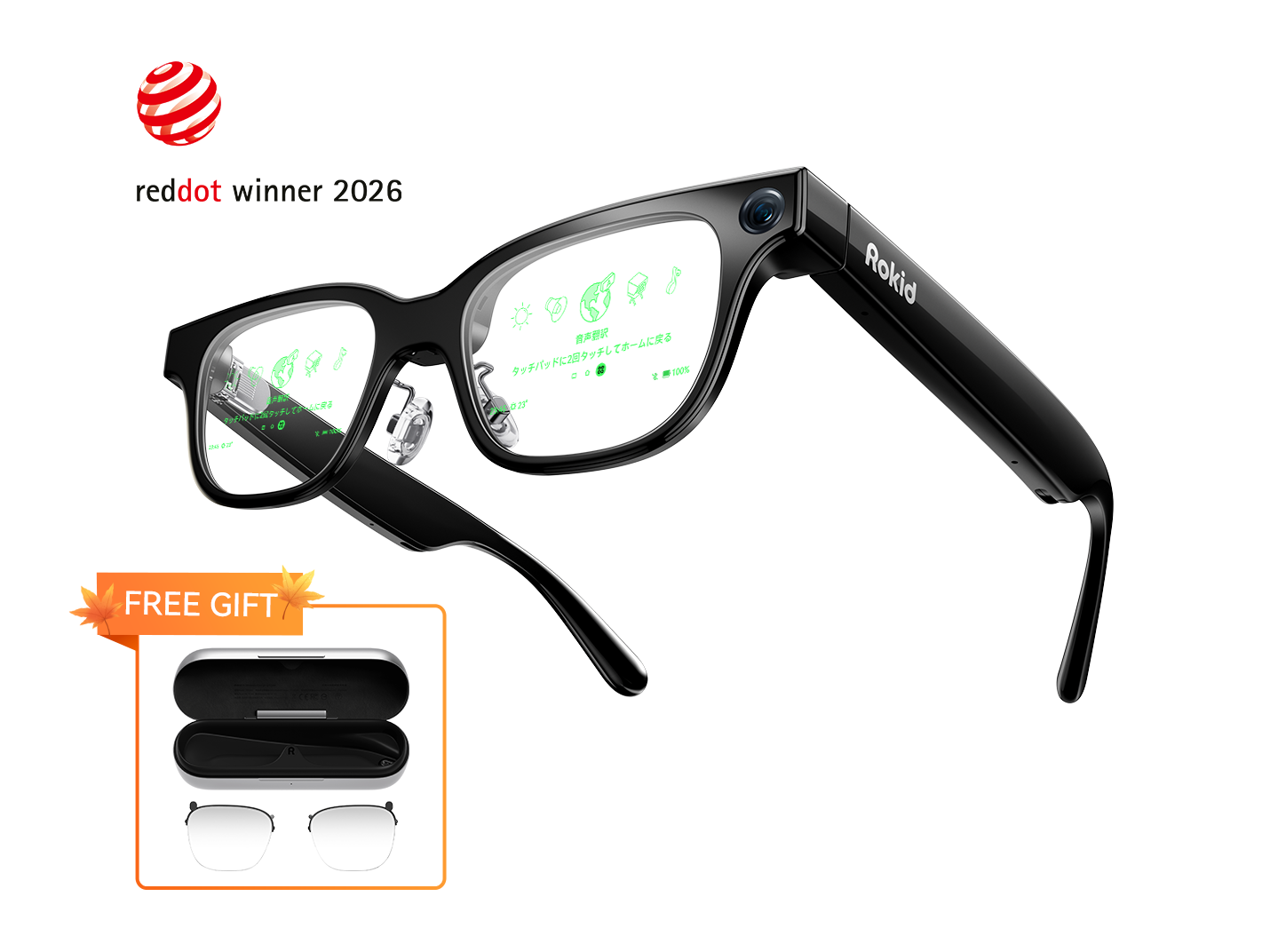
The initial display strategy from Samsung with the Galaxy Glasses is also telling, featuring a camera-first experience *without* an in-lens display. This mirrors Meta's current approach, prioritizing discrete recording and audio AI over augmented visuals. However, Android XR's flexibility means future devices on the platform can and will incorporate advanced waveguide displays, learning from companies like Halliday, which evolved from a proprietary display to standard binocular waveguides for its Gen 2 glasses.
The privacy concerns that plague current camera-equipped smart glasses, as highlighted by the recent CalMac ferry filming incident involving Meta glasses, remain a critical hurdle. Android XR and its OEM partners must proactively address these issues, possibly through clearer visual indicators or industry-agreed norms. Building public trust is paramount for widespread adoption, and the Android ecosystem has an opportunity to set new standards.
This open, Android XR-powered ecosystem promises to accelerate innovation across the board. Instead of a single company dictating the future of smart glasses, we will see diverse hardware designs, specialized applications, and competitive pricing. This fragmented yet standardized approach will benefit consumers with more choice, pushing the boundaries of what these devices can do.
Within the next 12 months, the impact of Android XR will be undeniable. Samsung's entry, backed by Google's software and AI, will trigger a cascade effect. Other hardware manufacturers, currently hesitant, will find a compelling reason to enter the market, leveraging the standardized OS and developer tools. This means more Android XR glasses, with varying features and price points, flooding the market.
Meta, while continuing its strong sales, will face renewed competitive pressure. The 'silent victory' will be challenged by an increasingly vocal, diverse, and intelligent array of Android XR devices. The battle for your face will shift from a contest of discrete utility to a platform war, where the underlying intelligence and ecosystem depth become the decisive factors.
Ultimately, the smart glasses ecosystem is poised for a dramatic transformation. Android XR is not just another operating system; it is the catalyst for a more open, competitive, and innovative future for intelligent eyewear. The next year will demonstrate just how profoundly this platform reshapes the very nature of wearable AI.
The vision of pervasive, context-aware AI on our faces is rapidly moving from concept to mainstream reality. Android XR, with Google's backing and Samsung's launch, is setting the stage for an explosive period of growth and differentiation. The game has changed, and the clock is ticking for everyone else to catch up.
Interactive guide — prices, displays, cameras, battery.
Share this story