Analysis · —
America's Privacy Problem: How Meta's Blunder Fuels Asia's Smart Glasses Ascent
In 2026, the global smart glasses race is less about innovation and more about cultural acceptance. While US giants like Meta grapple with a self-inflicted privacy crisis, display-first Asian brands are quietly dominating the market by simply getting it right.
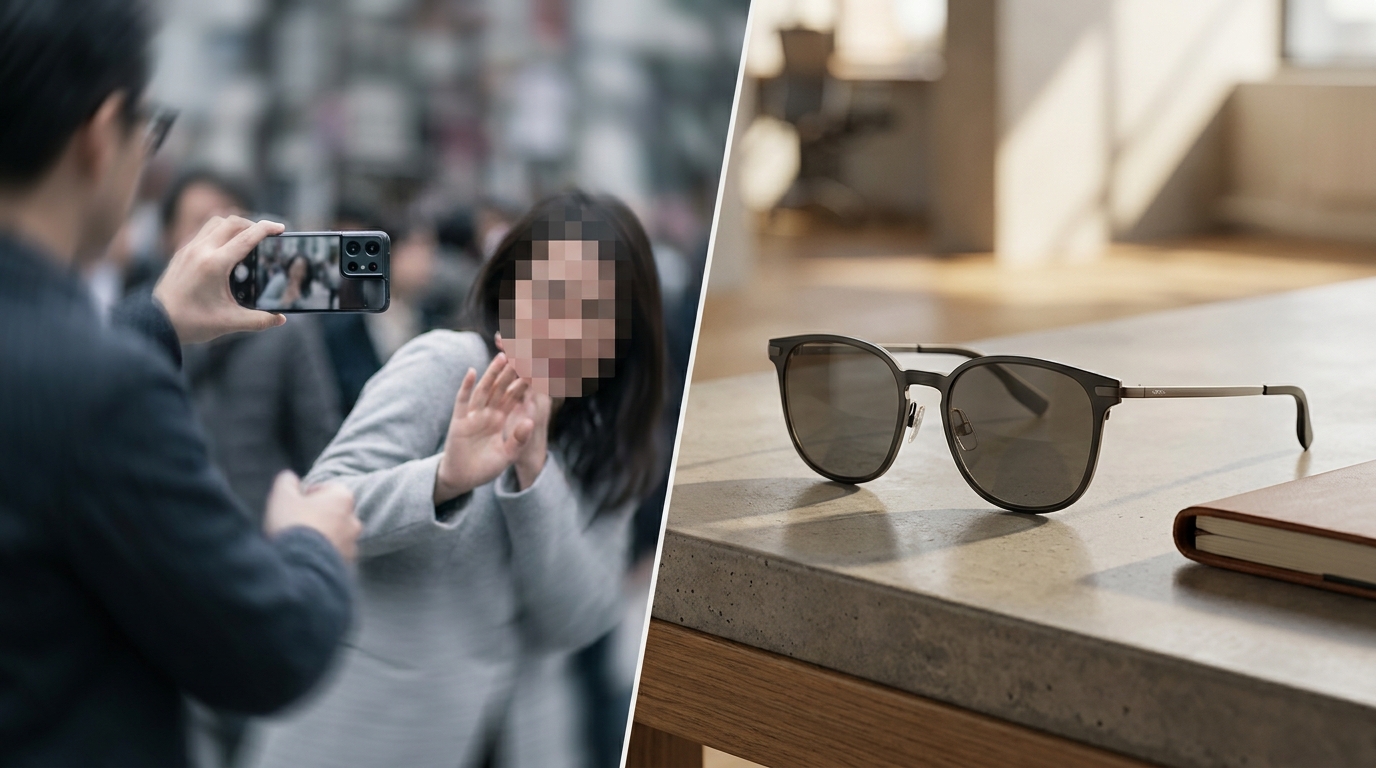
The 2026 smart glasses landscape is a tale of two very different races, unfolding on separate tracks. In the West, American tech giants are bogged down by a self-inflicted privacy crisis. In the East, a more pragmatic, user-centric approach is quietly establishing market dominance, effectively ceding significant ground to Asian-led innovation.
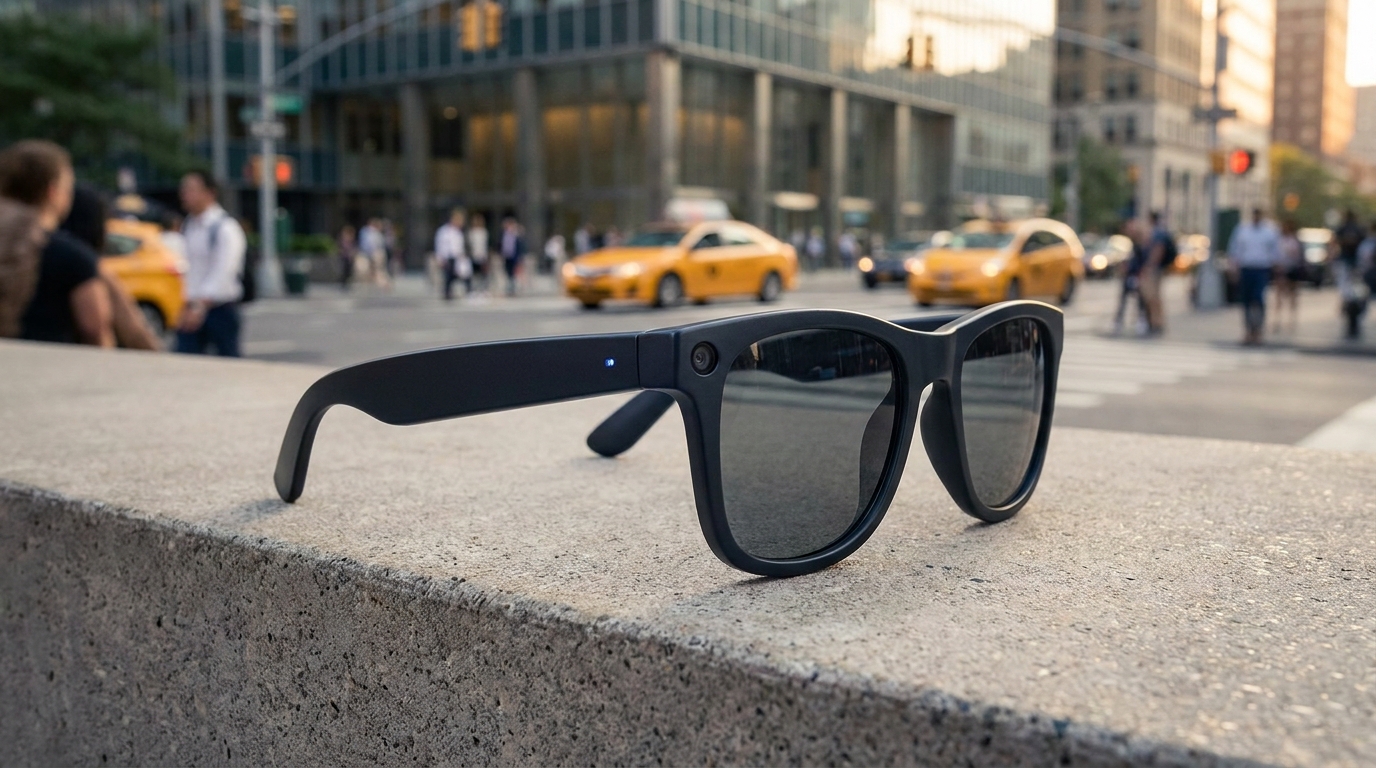
Meta's Ray-Ban smart glasses epitomize the American dilemma. Their convenience for hands-free recording has undeniably streamlined content capture, yet it has ignited a fierce societal debate over privacy in public spaces. Reports from bbc.com confirm that major UK pub chain Wetherspoons has already banned the glasses, with women's rights campaigners flagging potential misuse.
The backlash is not merely anecdotal; it's systemic. The launch of the Zuckoff app, designed to detect nearby Meta smart glasses, underscores a growing public anxiety regarding AI eyewear privacy. Business Insider noted its rapid adoption, reflecting a pervasive Western discomfort with surreptitious recording.
Even US law enforcement is wary. Documents reviewed by The Guardian reveal police fears that Meta's camera-equipped glasses could enable covert recording or even aid criminal acts. The New York Police Department's counter-terrorism unit has flagged Ray-Ban Meta glasses as a "security and counterintelligence" threat, advising officers to inspect eyewear within inmate cells.
This collective Western pushback, from consumers to law enforcement, is a direct consequence of an industry-wide camera obsession. As our Originals have consistently argued, the fixation on recording devices created a privacy minefield, alienating the mass market. Terms like "pervert glasses" didn't emerge from nowhere; they reflected a pervasive public distrust that Big Tech consistently ignored.
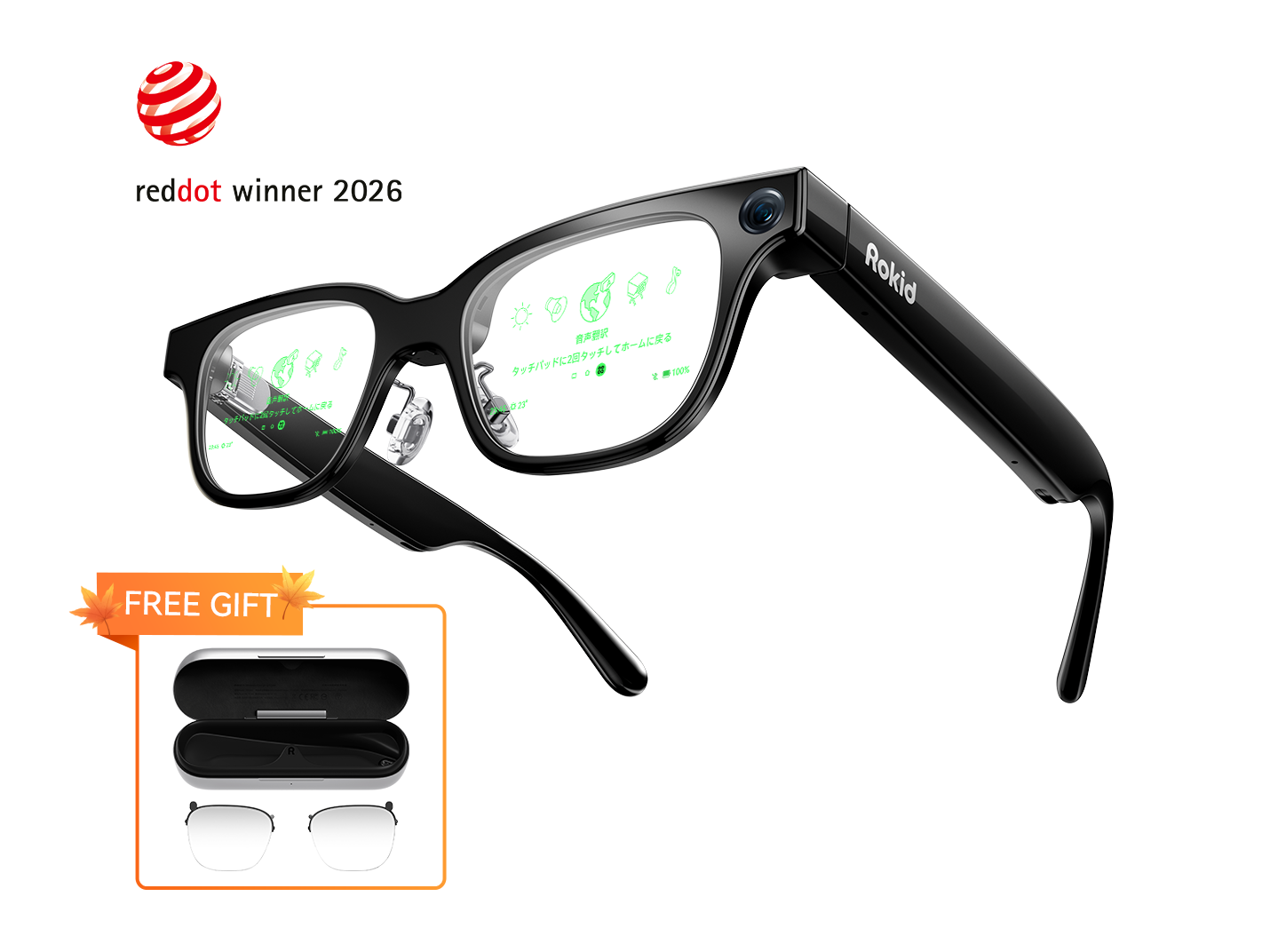
While American giants wrestle with public perception and costly hardware, a different strategy is winning across Asia. Brands like RayNeo, XREAL, and Rokid are not chasing Meta's camera-first, privacy-challenged model. Instead, they are quietly dominating the smart glasses market by delivering one thing consistently: an excellent, unobtrusive display.
These "Silent Screen Kings" have sidestepped the camera conundrum almost entirely, as we've highlighted. Their approach is simple, yet profoundly effective: provide a superior visual experience without triggering public distrust. They understand that the everyday user in many markets simply wants information, not a recording device that doubles as a social pariah.
Even when cameras are central, the approach differs. BleeqUp, for instance, enters the arena with a focus on "precision capture and dedicated AI" for active lifestyles. Their Rover AI Sports Glasses, with a 16MP tilting camera and AI hazard detection, are positioned as a utility for cyclists, not a ubiquitous recording tool. This strategic framing, less focused on general public recording, finds a different kind of market acceptance.
This contrast paints a clear picture of the 2026 smart glasses race. On one side, American Big Tech, exemplified by Meta, is struggling to overcome a fundamental cultural barrier. Their camera-heavy vision for ubiquitous AI assistance crashes against Western privacy values and institutional resistance.
On the other, predominantly Asian brands are either winning by entirely avoiding the camera debate with display-only solutions, or by integrating cameras with a specific, utility-driven purpose that does not invite widespread public scrutiny. They are building for reality, not for a speculative future the public rejects.
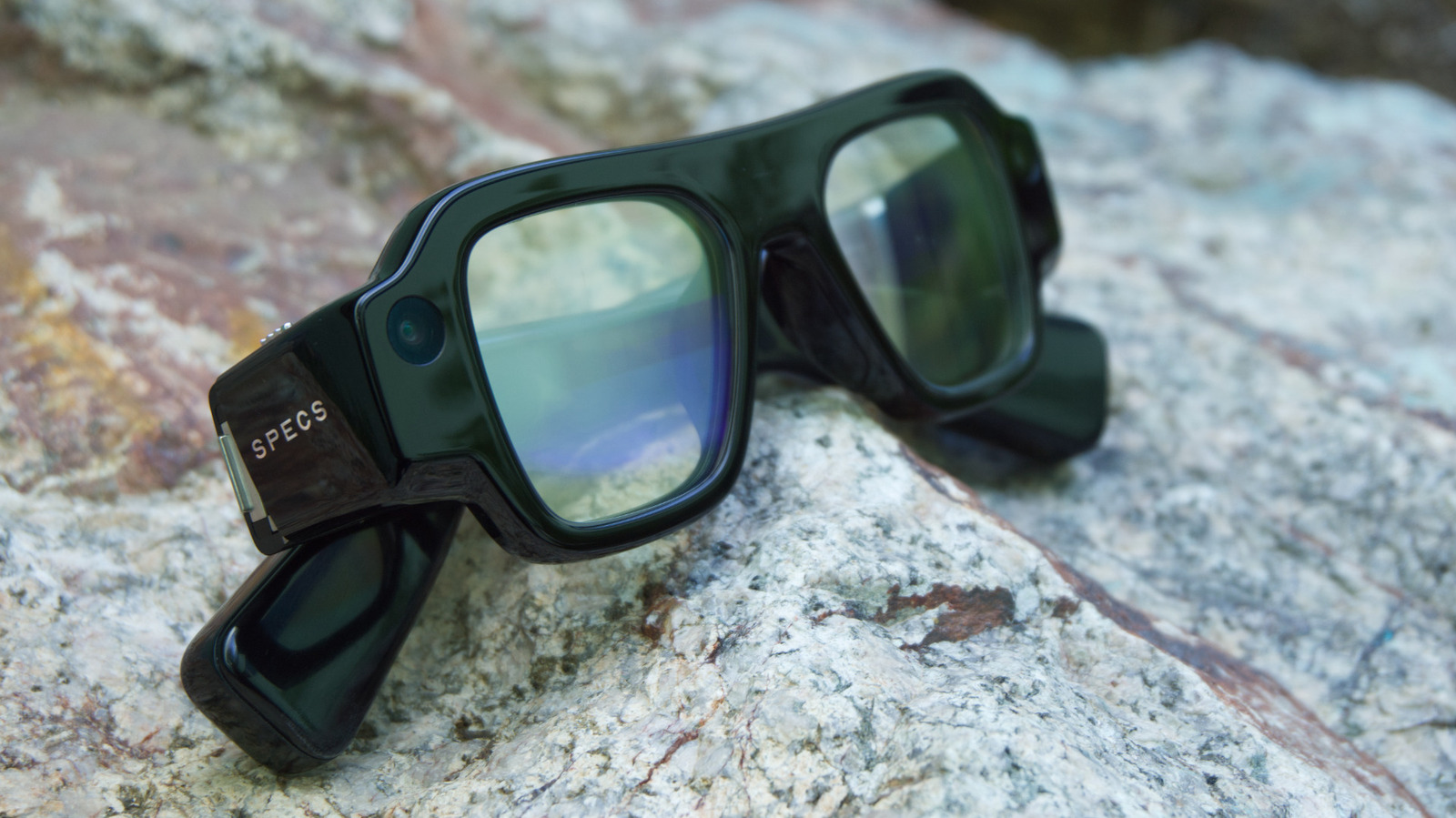
The implications for US brands are stark. Continuing down the camera-first path for mass-market smart glasses is proving unsustainable. The "Silent Reckoning" of HUD-only glasses, led by brands like Even Realities and Brilliant Labs, or the ingenuity of open-source initiatives like Mentra, suggest potential avenues for Western recovery, but only if the camera obsession is finally laid to rest.
As 2026 progresses, the 'race' between the USA and China in smart glasses is less a head-on competition and more a divergence in strategy and success. America's fixation on cameras, for all its potential, has become its greatest liability. Asia's pragmatic focus on display or niche utility is, by contrast, quietly securing its lead.
The future of smart glasses is being shaped not just by technological advancement, but by cultural acceptance. And right now, the Western approach is struggling to connect with its own market, leaving a wide-open lane for more culturally attuned competitors.
Interactive guide — prices, displays, cameras, battery.
Share this story