Analysis · —
AI Glasses' Silent Ascent: The Camera's Demise Fuels Always-On Assistants
The smart eyewear industry is finally shedding its camera obsession, paving the way for ubiquitous, always-on AI companions. This crucial pivot, driven by user distrust and regulatory pressure, redefines what truly matters for mass adoption.
The smart eyewear industry is undergoing a seismic recalibration. After years chasing immersive virtual reality and spatial computing, evidenced by Apple's reported retreat from Vision Pro to 'Meta-like AI smart glasses,' the focus has decisively shifted. The mass market never wanted a face computer, it wanted an unobtrusive intelligence. This pivot isn't just strategic, it is a concession that the default answer, a camera, was profoundly wrong.
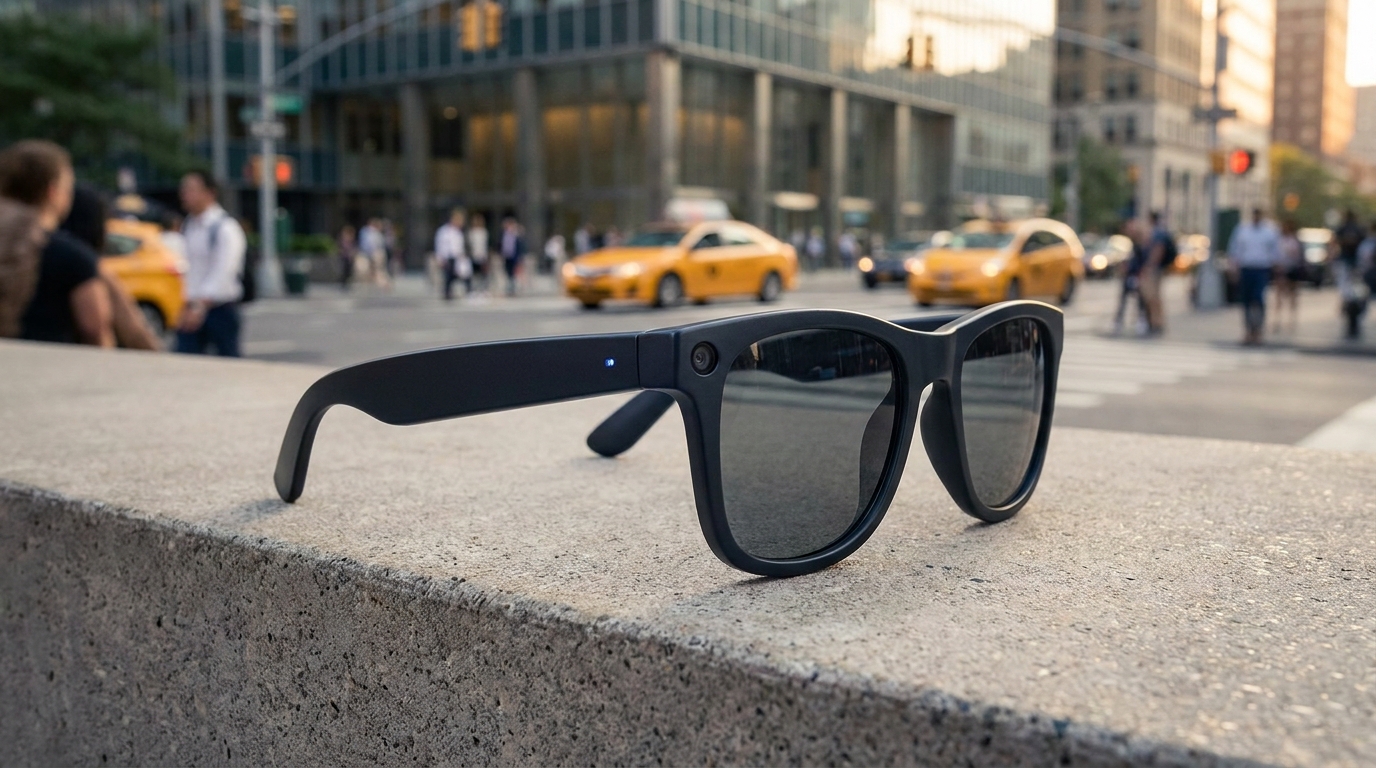
That camera, once perceived as a core asset, has become the biggest obstacle to mainstream adoption. Public distrust, fueled by terms like 'pervert glasses,' created a privacy minefield. Regulatory bodies, like Norway's Ministry of Digitalisation, are actively responding, forming expert groups to advise on new regulations for AI-camera combinations in wearables. Norway's data protection authority even suggested a pause on sales, highlighting the severity of the issue.
Even Meta's relentless efforts to secure its Ray-Ban Meta and Oakley Meta smart glasses highlight this problem. Mandatory capture LEDs and continuous recording checks, as confirmed by Meta's VP of AR Alex Himel, are reactive bandages on a festering wound. These updates, blocking activation if the LED is tampered with and halting recording if obscured mid-capture, fundamentally shift the LED's role from a warning to a hardware permission.
Yet, an inverted perspective argues Meta's transparency makes their devices the safest cameras in public. Unlike ubiquitous street cameras, Teslas, or store sensors that record silently, Meta's non-defeatable capture LED is a visible signal, 'you are being filmed.' While controversial, this transparency, however imperfect, is unique in a surveillance-heavy world. It attempts to address the core issue of covert recording.
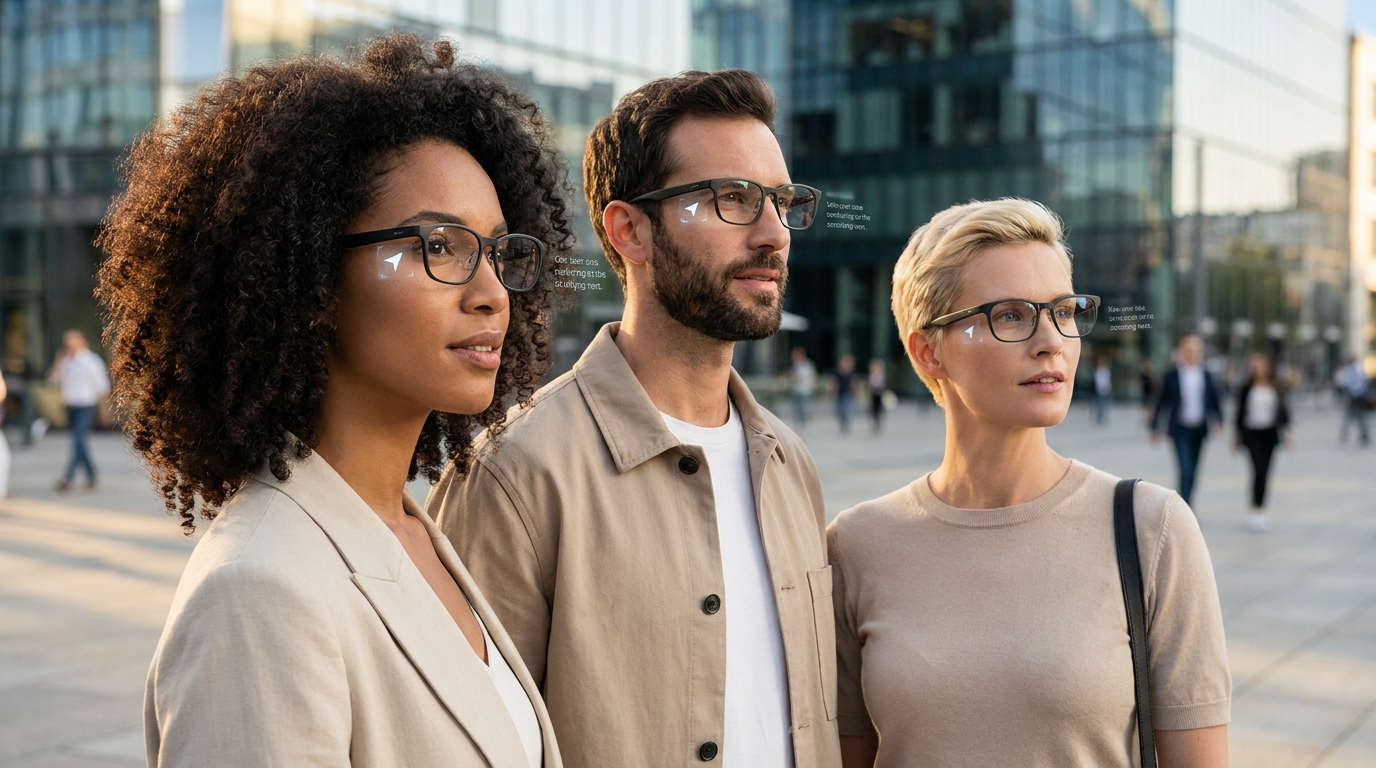
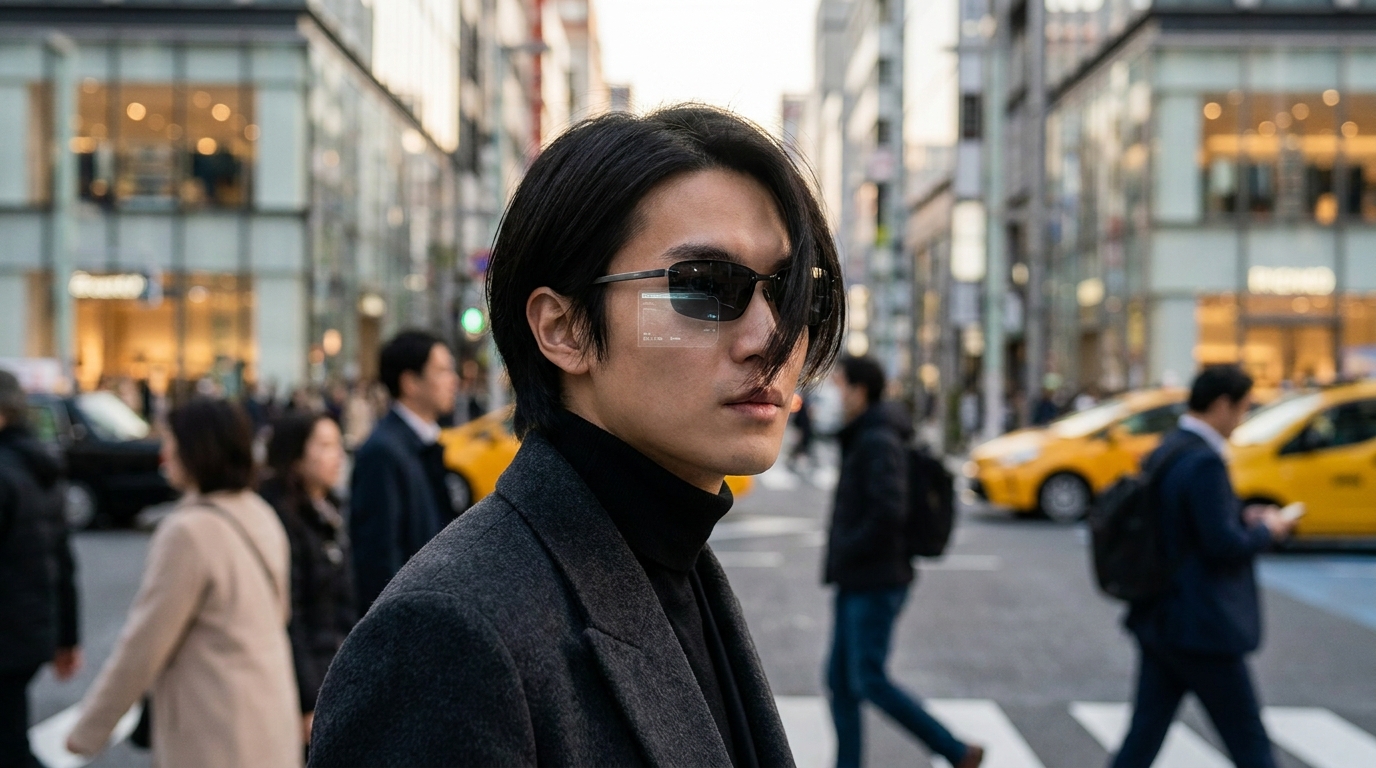
Despite Meta's efforts, the industry's overall direction points towards discretion. A new wave of discreet, display-first, or even camera-free glasses is quietly winning over users. Brands like Even Realities and Brilliant Labs exemplify this shift, prioritizing unobtrusive utility and trust over recording capabilities.
The mass market needs discreet utility. They want an AI assistant that integrates seamlessly into everyday life, not a device that raises privacy alarms or screams 'tech gadget.' This demand for invisible AI is the true driving force behind the pivot. The vision is for glasses that enhance reality subtly, not capture it overtly.
This brings us to the core of the revolution: the always-on AI assistant in your eyewear. This isn't about capturing video; it is about instant information, context-aware assistance, and seamless interaction with the digital world. The narrative correctly pivots towards this ubiquitous, assistive intelligence.
Ironically, Meta, despite its camera baggage, might have a stealth win in this AI glasses war. By focusing on a more grounded, everyday utility approach with Ray-Ban, Meta grasped that users want an unobtrusive assistant, not a high-cost spatial computing spectacle. Apple's reported pivot to 'Meta-like AI smart glasses' confirms this shift in understanding.
The path is further cleared by the quiet, profound emergence of Android XR. This foundational operating system, powering the next wave of diverse, affordable, and crucially, privacy-conscious eyewear, is poised to become the de facto platform. Big Tech's missteps, fixated on costly XR, created the vacuum for this open-source revolution.
Android XR, alongside the ingenuity of hackers and developers, promises a future where smart glasses are built with purpose, not just features. This platform can enable a diversity of devices, from simple heads-up displays to more sophisticated AI companions, tailored to user needs without the inherent privacy concerns of a camera-first approach. It's about empowering builders to create the assistants we actually need.
The primary battleground for mass adoption is no longer technical specifications or immersive capabilities. It is trust. Always-on AI assistants must be perceived as personal agents, not surveillance tools. The industry must move beyond reactive privacy fixes to proactive, trust-centric design.
The future of smart glasses is not about recording every moment; it is about enhancing every moment with intelligent, discreet assistance. The camera's diminished role is not a failure, but a necessary evolution. This paves the way for eyewear that truly integrates AI into daily life, making it a truly always-on, always-available companion.
Interactive guide — prices, displays, cameras, battery.
Share this story