Analysis · —
Agent Provocateurs: How Open-Source Hacks Unlock Smart Glasses' True Power
Hackers are transforming smart glasses from passive cameras to autonomous AI agents, bypassing manufacturer limitations. This builder-driven revolution defines the future of eyewear intelligence.
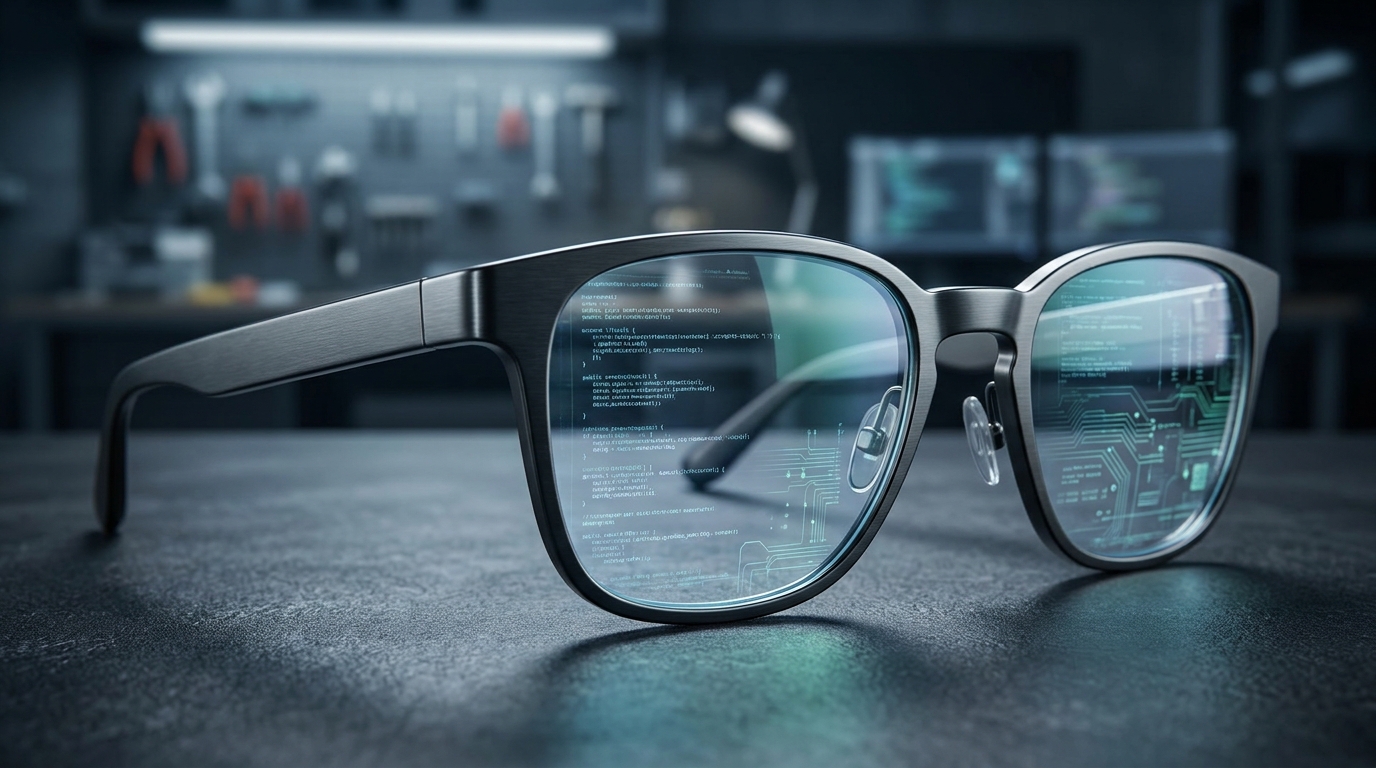
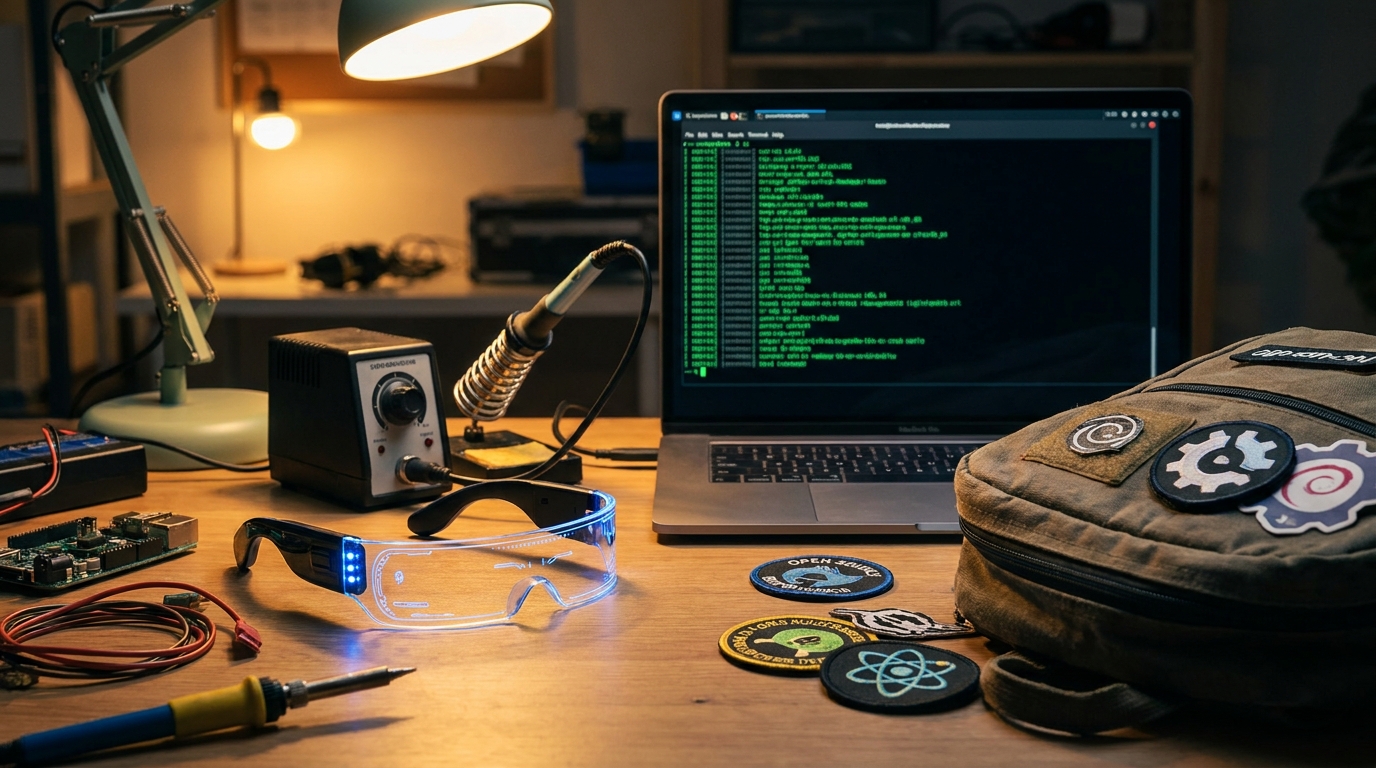
The smart glasses narrative has pivoted. For too long, the industry has delivered either pricey AR spectacles or basic camera-equipped frames, often missing the mark on 'everyday user needs.' But a quiet revolution is now underway, driven not by corporate keynotes, but by hackers and builders leveraging open-source tools and existing hardware to unlock the true potential of these devices: autonomous AI agents.
Consider the recent work by Samin Yasar. He took Meta's dominant Ray-Ban Meta glasses, already a formidable piece of hardware, and transformed them into a proactive AI agent. His 'VisionClaw' setup, integrating Google's multimodal Gemini API with an open-source autonomous agent called OpenClaw, is a blueprint for the future. This wasn't about adding another AR overlay, but about creating a device that perceives, understands, and acts on its environment.
Yasar's demonstration, where the glasses diagnosed a car issue and offered to order a replacement part, is no parlor trick. It reveals a critical truth: the hardware is often more capable than its proprietary software allows. OpenClaw and similar open-source frameworks empower builders to write their own decision-making logic, connect to diverse APIs, and bypass the curated, often restrictive, experiences offered by manufacturers. This is where innovation truly accelerates.
The landscape of available hardware is only accelerating this trend. From Kmart's startlingly affordable Anko camera glasses, which proved undeniable public demand for accessible smart eyewear, to entry-level AR options like the Viture Pro 2, the barriers to entry for experimentation are falling. Ray-Ban Meta glasses are already widespread, even finding their way into accessibility initiatives like Meta's donation to Vision Ireland.
This proliferation of devices, across a spectrum of price points and capabilities, creates a fertile ground for independent development. While major players like Alibaba are pushing their own 'agent glasses' through their Qwen platform, with aggressive hardware like full-duplex audio and always-on camera paths, the open-source community isn't waiting. They are proving that the agent concept is not a distant future, but a hackable present.
Manufacturers frequently fail to address niche or specific problems, often caught in a cycle of broad appeal and feature bloat. This is precisely where the hacking community excels. Unburdened by corporate roadmaps or profit margins, builders can create hyper-specific agents that solve real-world frustrations, whether it's an agent for diagnosing household repairs or one providing real-time contextual information for a specific profession.
This aligns perfectly with our previous analysis on 'The Invisible Revolution,' advocating for display-less AI glasses to own the mass market. The most impactful smart glasses may not be those with dazzling visual overlays, but discreet, intelligent agents working in the background. Hackers are pioneering this future, showing how the power of AI can be integrated seamlessly into daily life without constant visual disruption.
Yet, this powerful capability comes with significant ethical baggage. The immediate 'privacy firestorm' ignited by Anko's $89 camera glasses, and the persistent 'pervert glasses' label for Ray-Ban Meta, underscore a public wary of discreet recording. As IT and data lawyer Alexandra Iteanu warns, expecting bystanders to opt out of being recorded reverses fundamental rights.
Hackers and builders, therefore, carry a heavy responsibility. The ease with which an autonomous agent can perceive and act upon the world demands thoughtful design around consent, data handling, and transparency. The ability to create incredible utility also inherently creates new vectors for misuse, a tension the community must actively navigate and address through responsible open-source practices.
The crowdfunding ecosystem also plays a vital role in empowering these independent builders. Projects like Everysight Maverick AI, which continues to raise millions on platforms like Kickstarter, demonstrate a public appetite for innovative, often specialized, smart eyewear that traditional venture capital might overlook. This provides another pathway for hardware that caters to niche communities and open development.
The future of smart glasses is not just about improved cameras or brighter displays. It is fundamentally about intelligence, and crucially, about programmable intelligence. The hacker and builder community, leveraging open-source agents like OpenClaw and readily available hardware, is rapidly transforming smart glasses from passive data capture devices into active, autonomous companions.
This trajectory points to a world where eyewear is not merely a display or a recorder, but a bespoke AI assistant, constantly learning and interacting with our environment. The innovations emerging from this grassroots movement will shape not only what our smart glasses can do, but how we interact with the ambient intelligence of tomorrow. The open-source agent is the ultimate enabler, pushing smart glasses beyond their intended purpose and into an uncharted, more powerful future.
Interactive guide — prices, displays, cameras, battery.
Share this story