Manufacturer News · Acer
Acer Splits AR Focus-Tethered GR0, AI-Powered GI0 Unveiled
Acer has unveiled two distinct smart eyewear products: the AR Vision GR0, a tethered headset for high-fidelity visuals, and the lighter, wireless GI0 frames, which integrate Google Gemini AI. These devices target different user needs and technical capabilities.
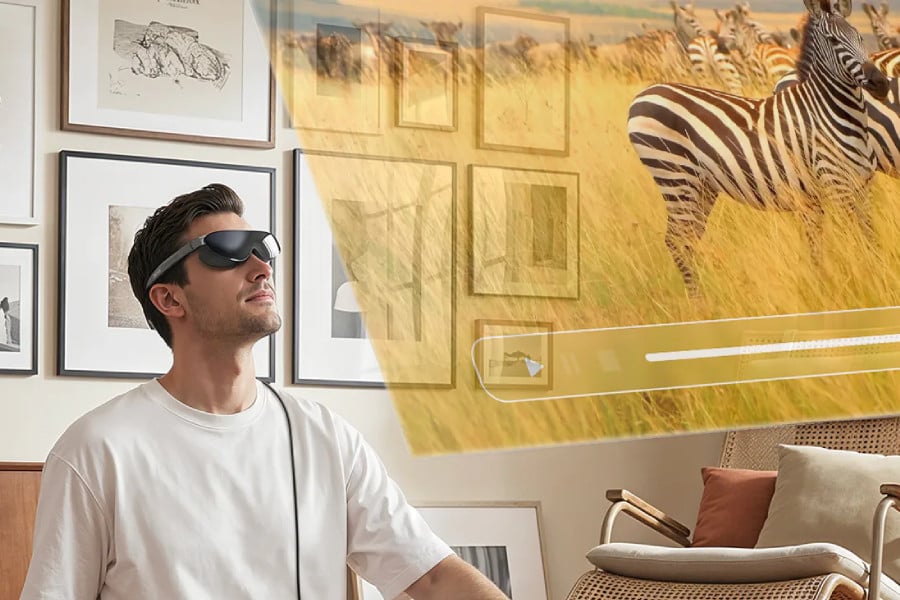
Announced May 30, 2026, Acer has introduced two new smart eyewear devices, the AR Vision GR0 and the GI0, alongside new Iconia tablets. This dual launch signals Acer's strategy to address both high-fidelity augmented reality and lightweight, AI-centric wearable experiences.
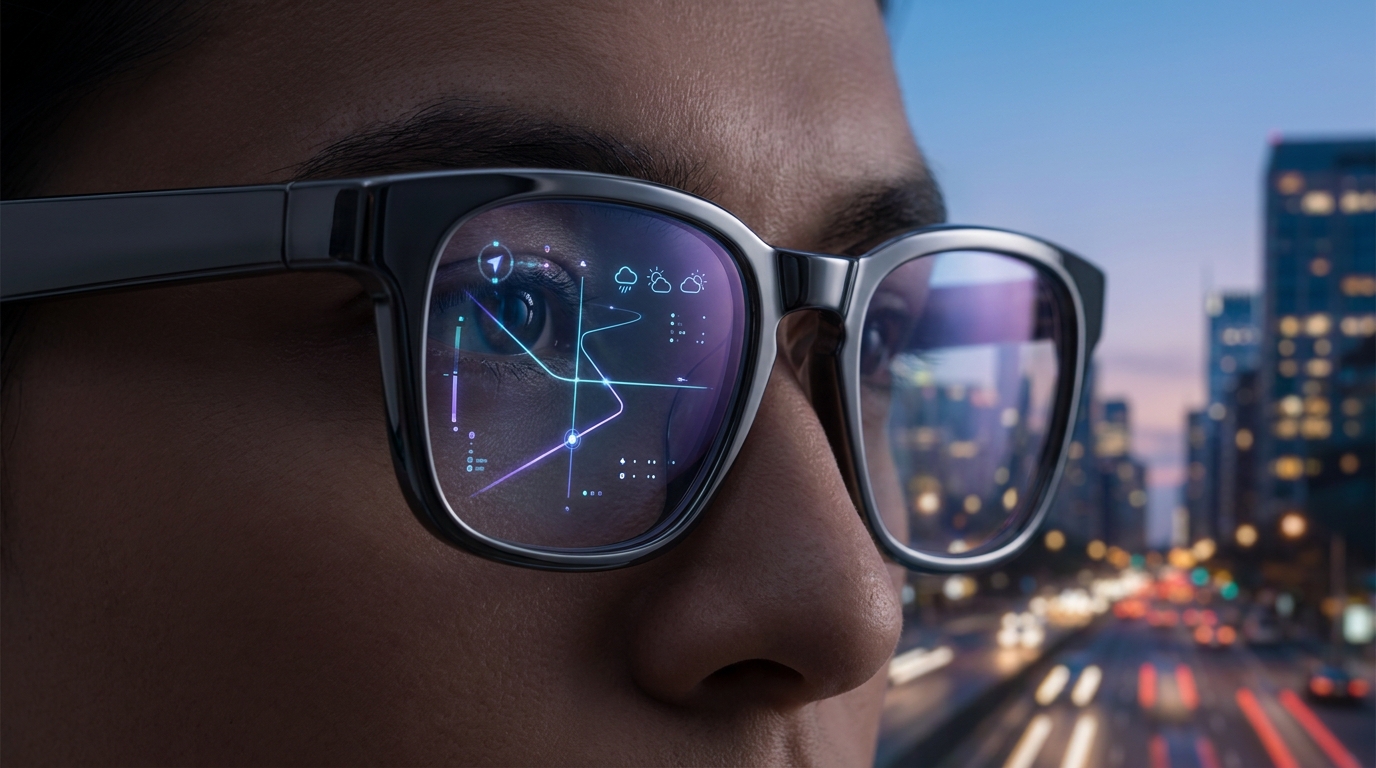
The AR Vision GR0 is a tethered augmented reality headset designed for connection to phones, laptops, or PCs. According to Gizmochina, it features dual Micro OLED displays, each offering 1920x1080 resolution at a 60Hz refresh rate. Acer describes the visual experience as equivalent to a 172-inch screen viewed from six meters, Gizmochina notes. Further display specifications, as reported by Gizmochina, include 95% DCI-P3 color coverage and a 50,000:1 contrast ratio. The GR0 weighs 69 grams and includes support for near-ear speakers, 3DoF head tracking, and magnetic prescription lenses, as detailed by Gizmochina and Phandroid. It is expected to be available in late 2026, priced at $499.99 in the US.
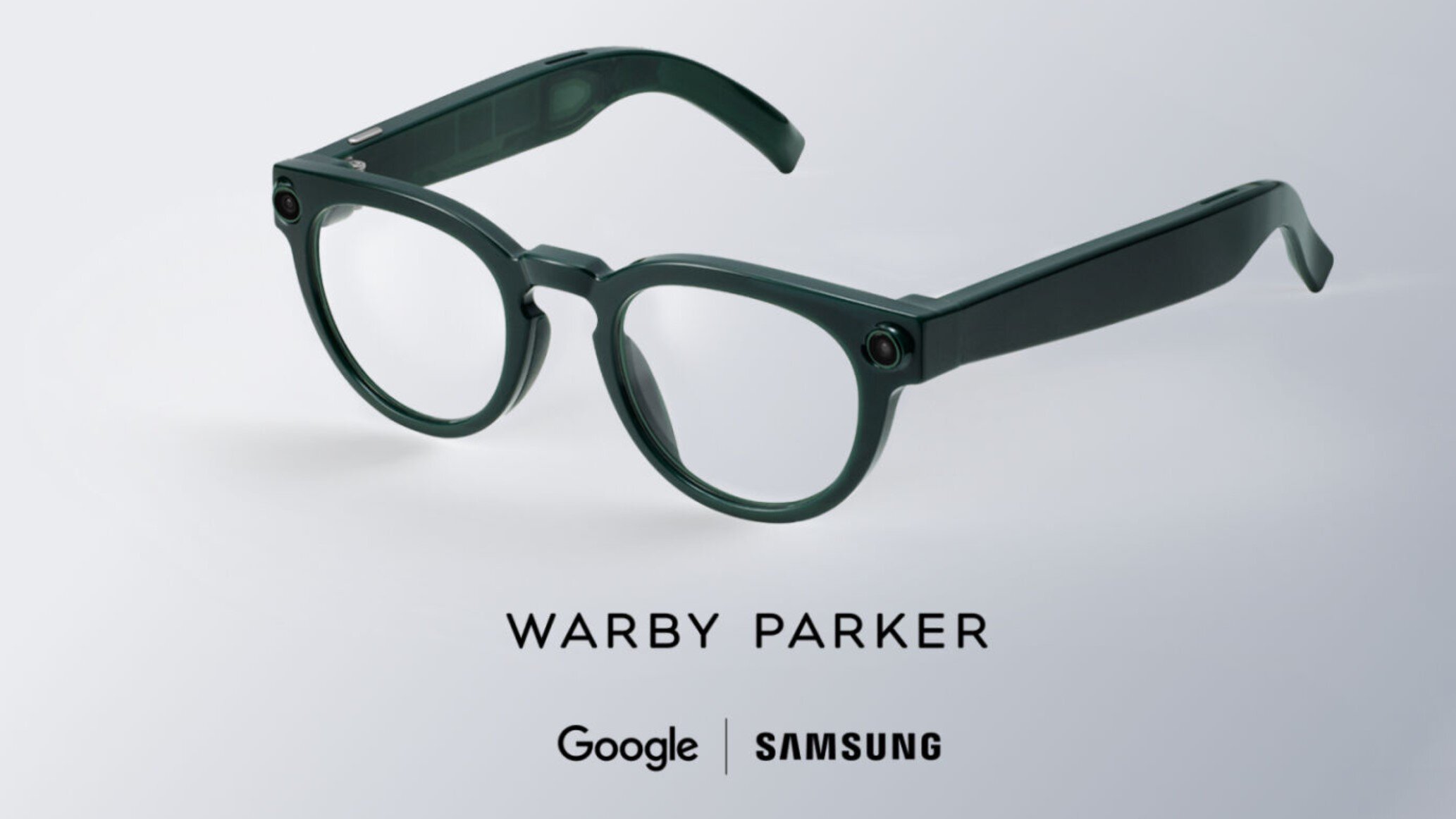
In contrast, the Acer GI0 presents as a lighter, wireless frame, weighing 46 grams (frames only). Gizmochina and FoneArena report its key feature is integrated Google Gemini, enabling hands-free voice queries, translation, and live captions. Onboard hardware includes a 12MP camera, capable of 4032x3024 stills and 1080p video at 30fps. The GI0 also packs three microphones, 32GB of internal storage, Wi-Fi 5, Bluetooth 5.0, and a 217mAh battery. Gizmochina lists the US starting price at $299.99, with Europe and Australia prices reported by Stuff and other regional outlets. Like the GR0, the GI0 is slated for late 2026 availability across North America, Europe, and Australia.
Our take: Companies frequently employ a dual-form-factor strategy for wearables, segmenting use cases between high-fidelity tethered displays and lighter, AI-first frames. The market consistently demonstrates a trade-off: superior visual immersion often necessitates external processing to manage weight, while untethered AI frames prioritize connectivity and onboard sensors over demanding graphical output.
What this means: The GR0 and GI0 exemplify classic engineering dilemmas in AR/AI eyewear development. Balancing display resolution, thermal management, weight, and the choice between host-device offload and on-device compute are constant challenges. The GI0's Google Gemini integration underscores the industry's push to embed cloud-linked LLM assistants into lightweight form factors, which heightens demands on low-latency networking and privacy-conscious data pipelines.
We've been tracking these trends. Observers should monitor the GI0's real-world battery life and thermal performance, especially given its modest 217mAh cell. For the tethered GR0, host-device compatibility and workflow latency across Android, iOS, and Windows will be critical. Ultimately, market reception and the vibrancy of the software ecosystem will determine if these divergent approaches carve out distinct user segments or if a single dominant design emerges.
Source: LetsDataScience ↗
Interactive guide — prices, displays, cameras, battery.
Share this story