Analysis · —
2026: Why Smart Glasses Still Fail the Everyday User Test
Despite iterative improvements, the smart glasses industry remains fundamentally misaligned with daily human needs. Developers continue to prioritize advanced features over privacy, social acceptance, and seamless, non-intrusive integration.

The year 2026 was supposed to be the tipping point for smart eyewear, the moment these devices seamlessly integrated into our lives. Instead, we are largely seeing a repeat of past missteps, with manufacturers still missing the mark on what everyday users actually want and, critically, what society will tolerate. The relentless pursuit of cutting-edge features often overshadows the foundational concerns of trust and discretion.
At the heart of this enduring problem is the industry's insistence on ubiquitous, often covert, recording capabilities. Meta's Ray-Ban Meta Wayfarer, despite its advanced features, remains a lightning rod for criticism, embodying a deep societal unease. This isn't merely a branding challenge, it reflects a fundamental disconnect between technological ambition and basic human social etiquette.
The legal and ethical fallout is already manifest. A German digital rights group, HateAid, recently filed a criminal complaint against Meta and its retail partners, specifically targeting the Ray-Ban Meta Wayfarer. They argue these AI glasses breach national privacy laws, particularly concerning devices designed to film people without their knowledge. HateAid managing director Josephine Ballon stated it plainly: "There's no place to escape from smart glasses. You have to expect at any moment to be filmed and then exposed on the internet."
This fear isn't hypothetical; it is actively being exploited. New research details how "pickup artist" influencers weaponize Meta's smart glasses to create harassment content, recording women's reactions to unsolicited advances. These videos, uploaded to Meta's platforms, turn unwilling individuals into content fodder, showcasing the direct link between discreet recording and gendered harm.
Further cementing these anxieties, a recently published Meta patent outlines an AI glasses system with facial recognition, capable of identifying individuals and generating highlight reels of social events. While framed as a convenience for event recaps, this technology pushes privacy boundaries further. It confirms a controversial push into automated surveillance capabilities, deepening the public's concern over "pervert glasses."
Even efforts to address these privacy concerns fall short. Meta's pledge to disable cameras in glasses where recording LEDs have been tampered with is a reactive measure, not a proactive solution to the core design flaw. The persistent public debate and the pejorative "pervert glasses" label overshadow any potential benefits, creating an insurmountable barrier to mainstream adoption.
Crucially, this stigma impacts those who stand to gain the most. The Guardian recently highlighted how this narrative disproportionately harms disabled users who could benefit immensely from smart glasses for accessibility. While Meta's donation of 15,000 Ray-Ban Meta AI glasses to Vision Ireland demonstrates a positive application, the underlying privacy anxieties still create a hostile environment for adoption.
There are glimpses of a more user-friendly path, largely ignored by the camera-obsessed mainstream. Xiaomi, for instance, just debuted its Mijia Smart Audio Glasses, prioritizing an immersive audio experience without isolating users. This audio-first approach sidesteps the most contentious privacy issues while still offering valuable hands-free features.
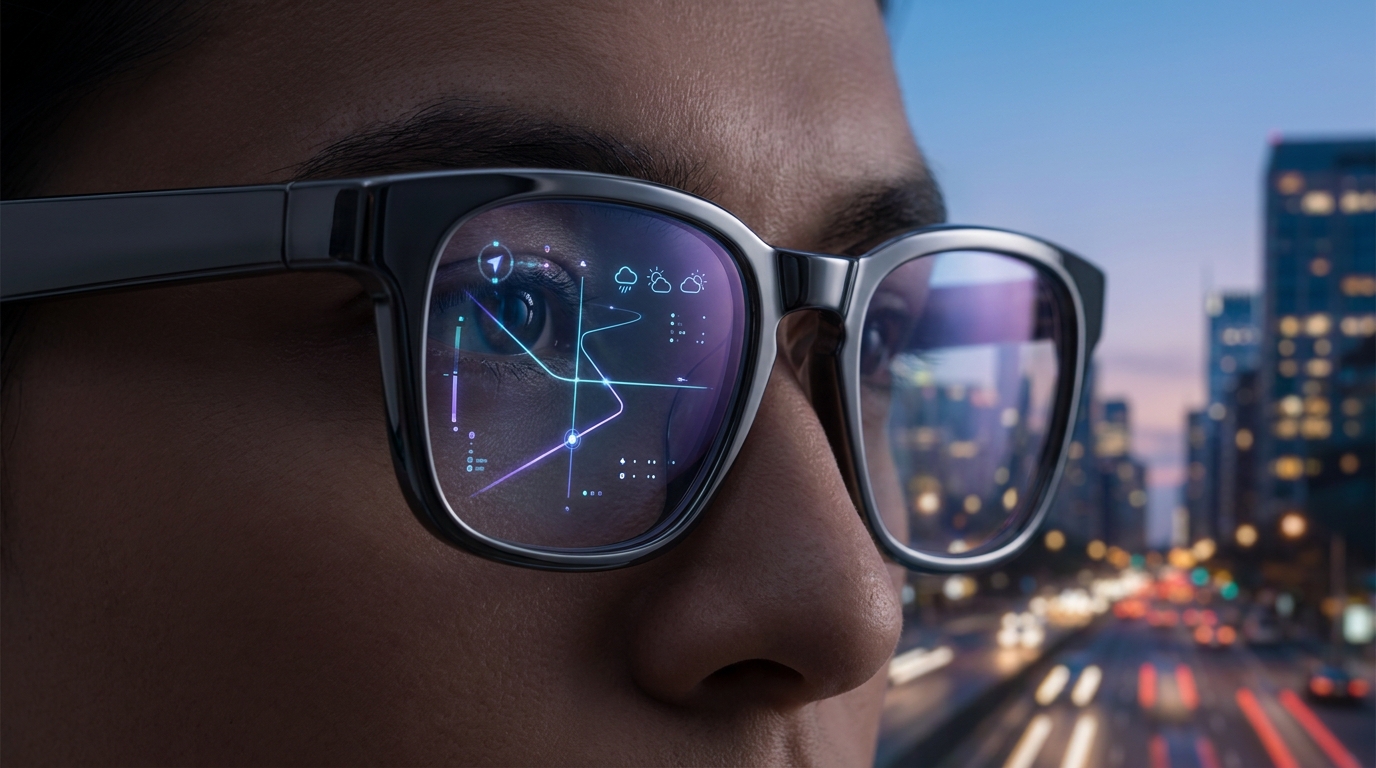
Similarly, Even Realities' G2 AI Smart Glasses offer a compelling alternative for workplace productivity. These glasses ditch POV cameras entirely, opting instead for discreet microdisplays that project notes, reminders, and translations directly into the wearer's field of view. This design, mimicking standard reading glasses, integrates seamlessly into professional environments by focusing on utility over surveillance.
This bifurcated market reveals the disconnect: on one side, advanced AR glasses like Viture Pro 2 offer impressive displays for spatial computing at accessible price points. On the other, the camera-laden AI glasses push features that provoke fear and social rejection. The crowdfunding market, seeing significant investment, suggests a public hunger for new hardware, but perhaps not for the privacy trade-offs currently being offered.
The future of smart eyewear won't be dictated by increasingly sophisticated, intrusive cameras. It will be defined by seamless, accepted, and genuinely useful integration. Until manufacturers prioritize discretion, privacy by design, and social acceptance over overt recording capabilities, 2026's smart glasses will remain a niche curiosity, not an everyday essential.
Interactive guide — prices, displays, cameras, battery.
Share this story