Analysis · —
2026 Smart Glasses: Still Not Getting Everyday Users Right
Despite industry pivots towards AI, smart glasses in 2026 fundamentally misunderstand mass market needs. The camera's shadow and a lingering focus on niche experiences continue to alienate the average user.

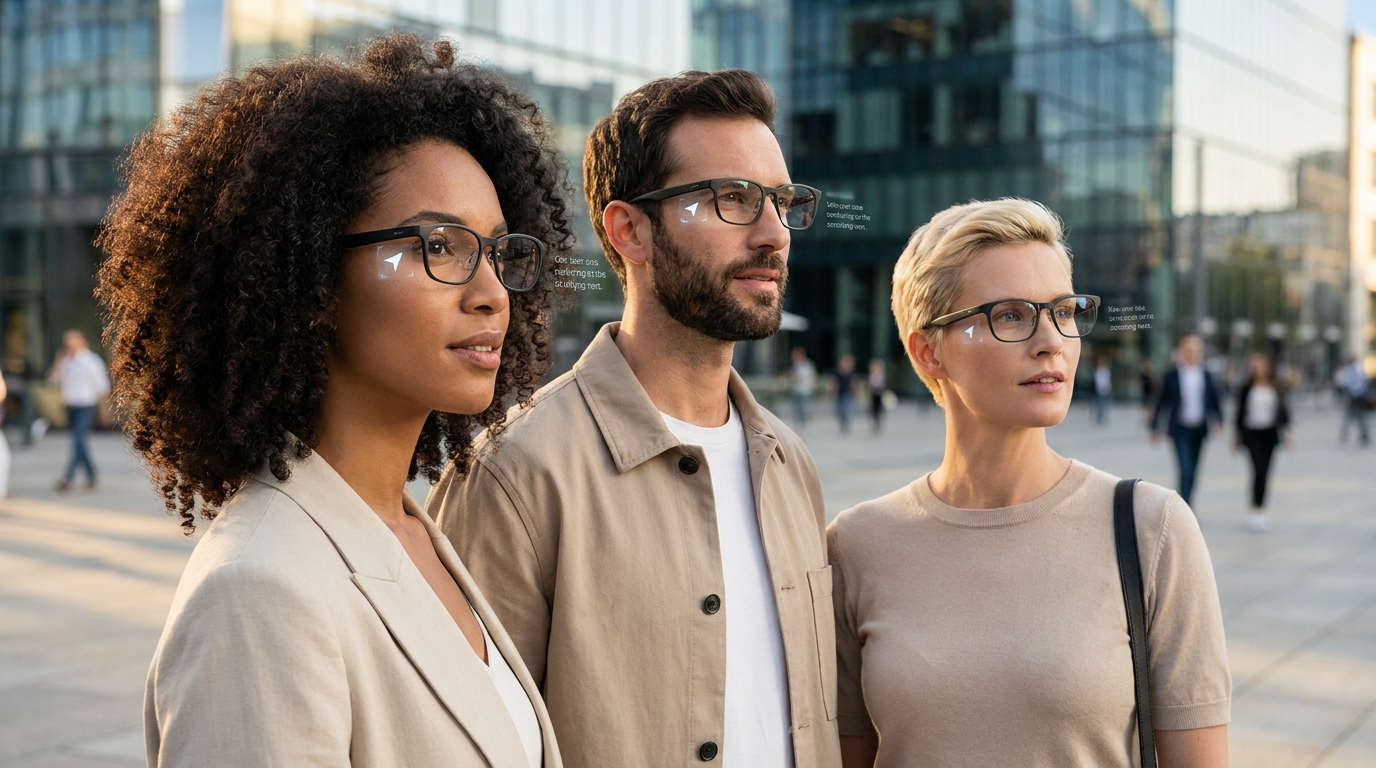
The smart eyewear industry, for all its revolutionary bluster and strategic recalibrations, consistently trips over the mundane reality of everyday users. While 2026 has shown promising shifts, particularly Apple's rumored pivot towards "Meta-like AI smart glasses" and away from the high-cost, high-fidelity spatial compute of Vision Pro, a crucial disconnect remains. The narrative correctly pivots towards ubiquitous, always-on AI assistants, but the execution for the masses is still fundamentally flawed.
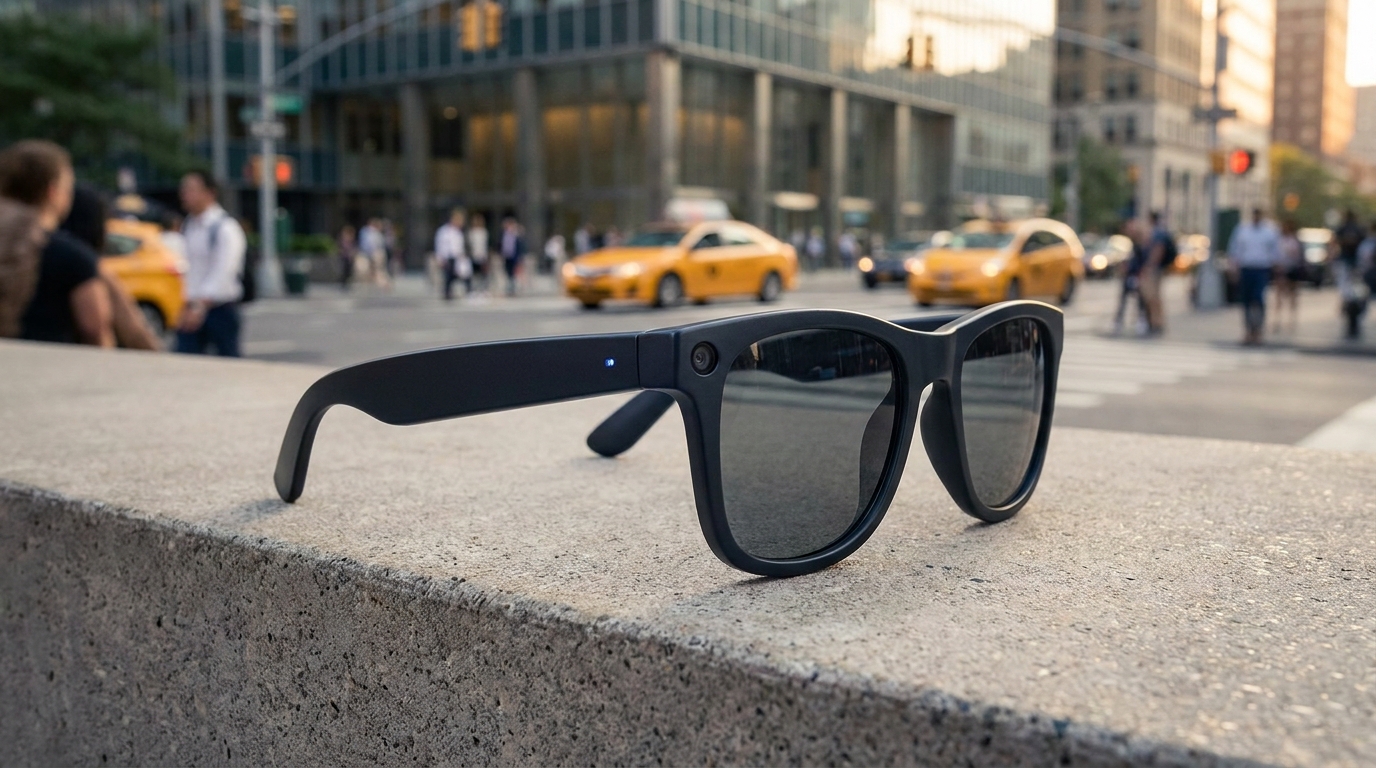
At the heart of this ongoing failure is the ubiquitous presence of cameras. For far too long, the industry fixated on these recording devices, creating a privacy minefield that has alienated the mass market. Terms like "pervert glasses" didn't emerge from nowhere; they reflected a pervasive public distrust of covert recording capabilities.
This deep-seated distrust has escalated into tangible regulatory pushback. Norway's Ministry of Digitalisation, for instance, has moved to regulate camera-equipped wearables, with Minister Karianne Tung citing a clear trend of combining AI with cameras and microphones in everyday devices. An expert group is forming to advise on new regulations, specifically targeting functions like facial recognition of strangers in public.
Meta, in particular, has found itself at the epicenter of this privacy storm, scrambling to implement reactive bandages for its Ray-Ban Meta and Oakley Meta smart glasses. Mandatory capture LEDs that halt recording if obscured and the public discussion around 'kill switch' patents are telling admissions. These are desperate attempts to mend a festering wound of public distrust.
While Meta's VP of AR, Alex Himel, confirms stringent updates enforcing LED visibility, and some argue the LED makes Meta's glasses the "safest camera in public," this defense misses the point. The public's clamor for privacy isn't aimed solely at a lack of an indicator light; it is aimed at the very presence of a camera in an ostensibly casual, personal device.
To the industry's credit, a significant pivot towards unobtrusive, always-on AI assistants is indeed underway. Apple's reported shift to 'Meta-like AI smart glasses' from its Vision Pro ambitions signals a recognition that the mass market never wanted a face computer, it wanted an unobtrusive intelligence. This is a crucial, positive direction.
IFA 2026 further validated this pivot, honoring the INMO GO3 with an innovation award. Its featherlight, binocular monochrome Micro-LED HUD, integrating AI translation, an AI assistant powered by ChatGPT and Gemini, and hands-free AR navigation, exemplifies the discreet, always-on AI assistant paradigm the market is slowly embracing. This camera-free, display-first approach is finally gaining traction.
However, the industry's vision remains fragmented, preventing a clear path to mass adoption. While discreet AI assistants like INMO GO3 represent one viable future, other players, including Meta, continue to push high-fidelity, gaming-centric experiences. Horizon OS 2.7, with its 240Hz refresh rates and Xbox gamepad emulation for Quest 3, serves a niche, not the everyday smart glasses user.
This split identity, between the unobtrusive AI companion and the powerful gaming console, confuses the market and dilutes the core value proposition for daily use. True everyday integration demands universal discretion, a quality inherently compromised when a device offers advanced gaming capabilities or retains a prominent camera.
The lingering trust deficit, a direct consequence of the camera obsession, continues to be a formidable barrier. It is telling that the vacuum created by Big Tech's missteps is increasingly being filled by open-source initiatives and the emerging Android XR platform. Projects like Mentra are poised to build the smart glasses hackers and privacy-conscious users actually desire.
Ultimately, the industry still struggles with a fundamental misunderstanding of simplicity and trust. Everyday users seek discreet utility and reliable assistance without the burden of surveillance fears or the complexity of spatial computing. They do not want to be early adopters of a "face computer" they constantly need to justify or regulate.
While 2026 heralds promising technological advancements and a strategic pivot towards AI, the smart glasses industry's continued struggles with the camera's ghost, its mixed signals on core use cases, and its inability to fully shed the "face computer" mentality mean that truly everyday smart glasses remain largely out of reach. Discretion, trust, and simplicity, not raw computational power or reactive privacy patches, are the keys it still fumbles to grasp.
Interactive guide — prices, displays, cameras, battery.
Share this story