Analysis · —
2026 Smart Glasses: Still Missing the Mark on Everyday User Needs
Despite advancements in AI and a spectrum from budget to luxury, the smart glasses industry largely fails to address fundamental user needs and persistent privacy concerns. This chasm between innovation and practical, socially acceptable utility is hindering mainstream adoption.

The smart glasses landscape in 2026 is a chaotic, fragmented arena, a marketplace brimming with both audacious claims and concerning blind spots. From Kmart's startlingly affordable Anko camera glasses to Meta's ambitious AI agent visions, the industry presents a bewildering array of options that, despite their technological flair, consistently miss the mark on everyday user needs.
The most glaring misstep remains the fundamental disregard for privacy, a problem that intensifies with every new device. Anko's $89 camera glasses ignited an immediate, widespread 'privacy firestorm' upon their rapid sell-out in Australia. This budget disruption proved that accessibility is desired, but not at the cost of public trust.
The issue isn't confined to entry-level devices. Meta's dominant Ray-Ban Meta smart glasses are increasingly branded 'pervert glasses' due to the pervasive problem of non-consensual recording and subsequent online sharing. French IT and data lawyer Alexandra Iteanu's stark warning in Les Echos underscores this: legal frameworks are failing, turning public surveillance into a normalized default and fundamentally reversing privacy expectations.
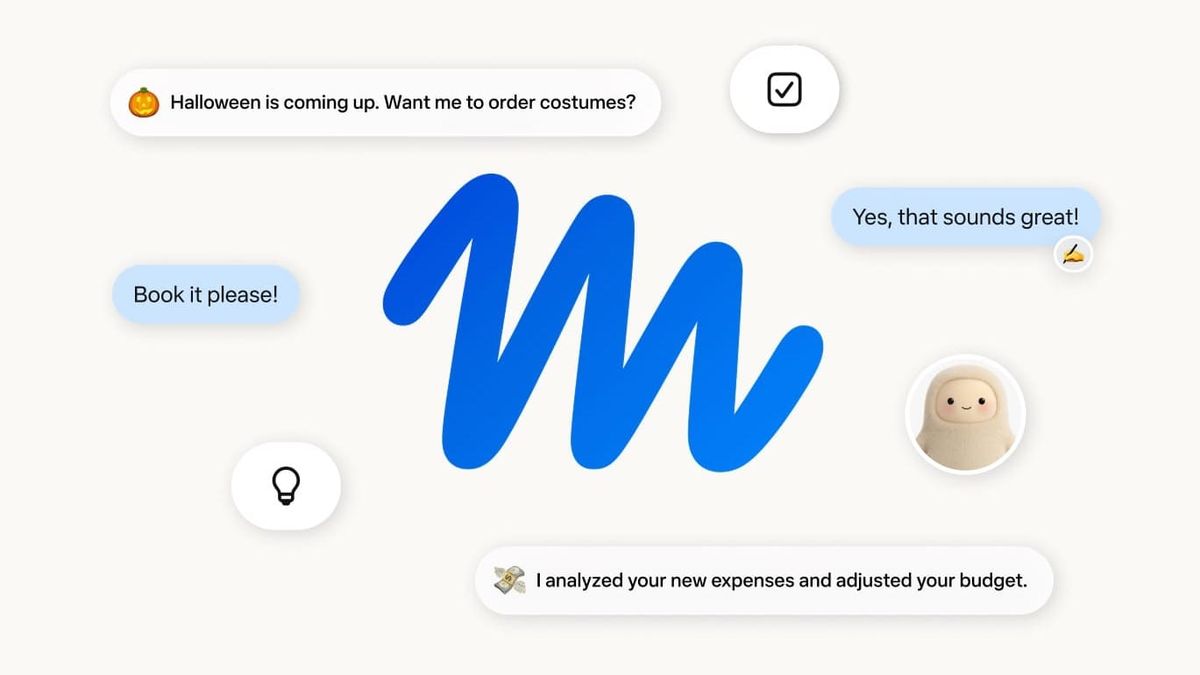
While engineers chase the ultimate autonomous AI agent, a significant portion of the market is left behind. Samin Yasar's impressive 'VisionClaw' demonstration, transforming Ray-Ban Meta glasses into an AI agent capable of diagnosing a car issue and ordering parts, exemplifies this high-tech, niche focus. Similarly, Alibaba's Qwen 'agent glasses' promise on-demand third-party Skills and Agents, but these capabilities are far removed from the daily concerns of most potential users.
Then there's the race to the bottom, epitomized by Kwenrun's audacious $18 'ChatGPT AI Smart Glasses' on Amazon. This gambit, as we've noted, forces a reality check on what 'smart' truly means at such an improbable price point. It represents a worrying trend of superficial AI branding over genuine, user-centric innovation.
On the opposite end, Caviar's gilded, diamond-encrusted smart eyewear, essentially luxury embellishments of existing tech, defines exclusivity without utility. Their 'Odyssey' editions for nearly $7,000 are a testament to an industry segment focused purely on opulence, completely bypassing the needs or desires of anyone outside the ultra-elite.
Amidst this cacophony of advanced AI and lavish luxury, a basic human need has been largely overlooked: vision correction. Viture's Pro 2 smart glasses, priced at a competitive $299, stand out by integrating adjustable diopter dials for vision correction. This move, highlighted by PCMAG and The Verge, solves a critical pain point for a vast segment of the population, revealing how much of the industry has ignored a practical accessibility barrier.
The industry's current trajectory seems to offer two extremes: rudimentary camera-enabled recording devices or complex, abstract AI agents that promise a future far grander than current everyday utility. There is a noticeable void for genuinely useful, unobtrusive smart glasses that offer clear, tangible benefits without infringing on social norms or requiring a software engineering degree to operate.
ActiveLook, with its hyper-focused HUDs for elite athletes, delivers performance data directly into the line of sight, a perfect example of tailored, distraction-free utility. While its niche is specific, ActiveLook's success demonstrates the power of solving a defined problem with precision, a clarity of purpose often absent in general-purpose smart eyewear.
Even Meta's colossal investment in Reality Labs, understood as a 'defensive platform bet,' prioritizes long-term strategic positioning over immediate, compelling user experiences. This means their current consumer offerings, while technically impressive, often feel like nascent products still grappling with fundamental user adoption and social integration challenges.
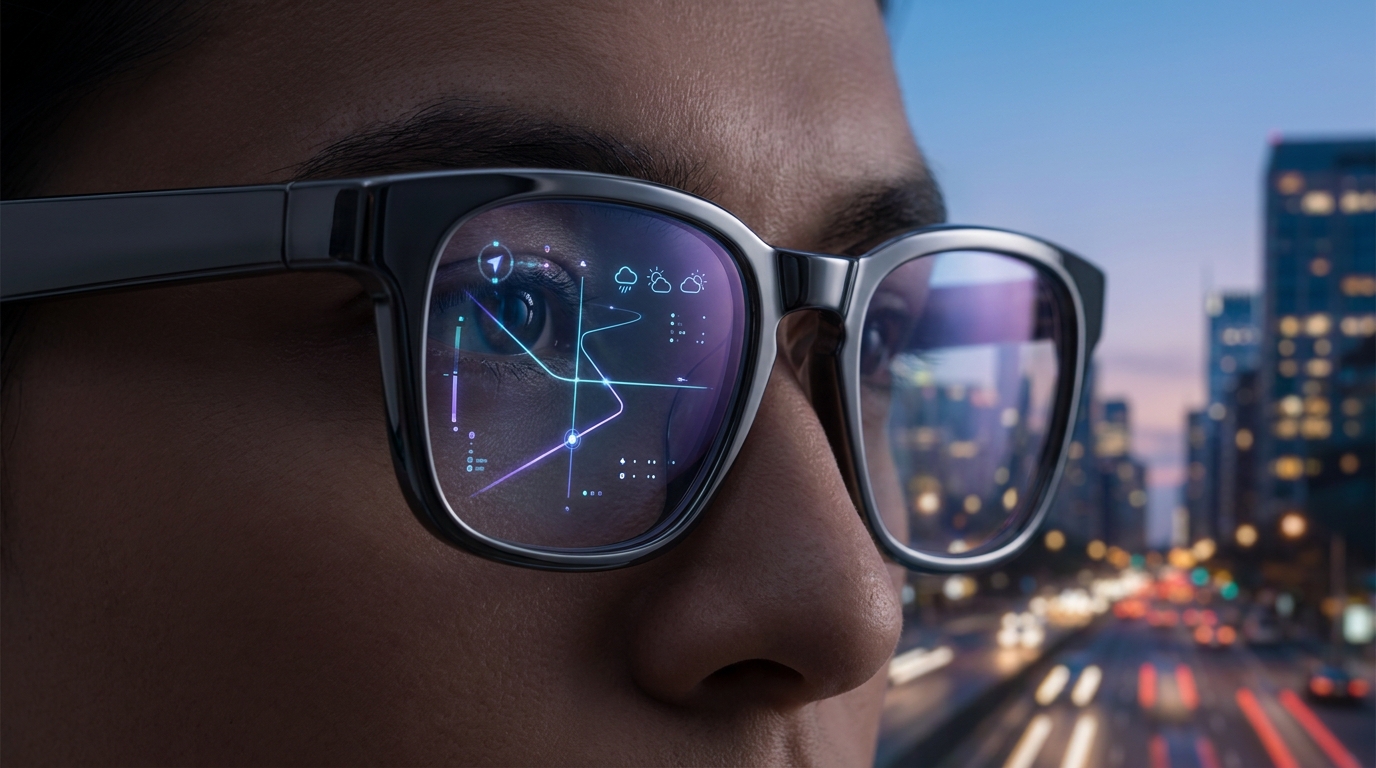
Meanwhile, the 'silent conquest' of display-first glasses by companies like RayNeo, XREAL, and Rokid indicates a more pragmatic path forward. These brands are securing the future of smart eyewear by delivering tangible AR benefits without the privacy baggage or the abstract AI promises. They understand that a clear, useful display can be a powerful, less contentious entry point.
The ultimate disconnect is clear: 2026 smart glasses, for all their technological prowess, are often designed for an idealized, tech-fluent user in a vacuum. They fail to account for real-world social dynamics, fundamental human needs, or the simple desire for practical, respectful augmentation. Until this changes, mainstream adoption will remain an elusive goal.
Interactive guide — prices, displays, cameras, battery.
Share this story