Analysis · —
2026 Smart Glasses: Still Blind to the Everyday User
Despite a strategic industry pivot to AI, most smart glasses still fundamentally misunderstand mass market needs. Cameras and niche gaming continue to alienate users seeking discreet utility and trust.

The smart eyewear industry, for all its revolutionary bluster, consistently trips over the mundane reality of everyday users. While the 2026 landscape shows promising shifts, particularly Apple's rumored pivot towards "Meta-like AI smart glasses" and away from the high-cost, high-fidelity spatial compute of Vision Pro, a crucial disconnect remains. The narrative correctly pivots towards ubiquitous, always-on AI assistants, but the execution for the masses is still fundamentally flawed.
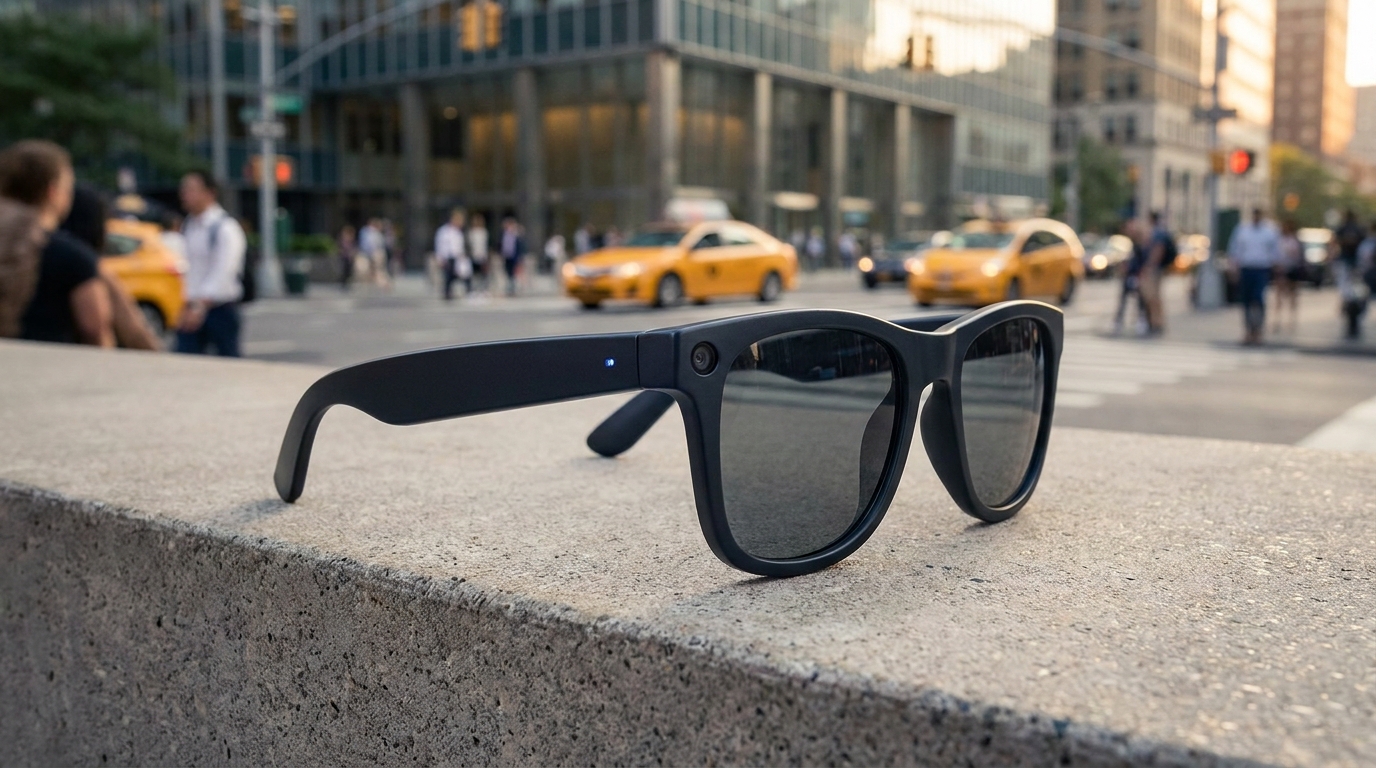
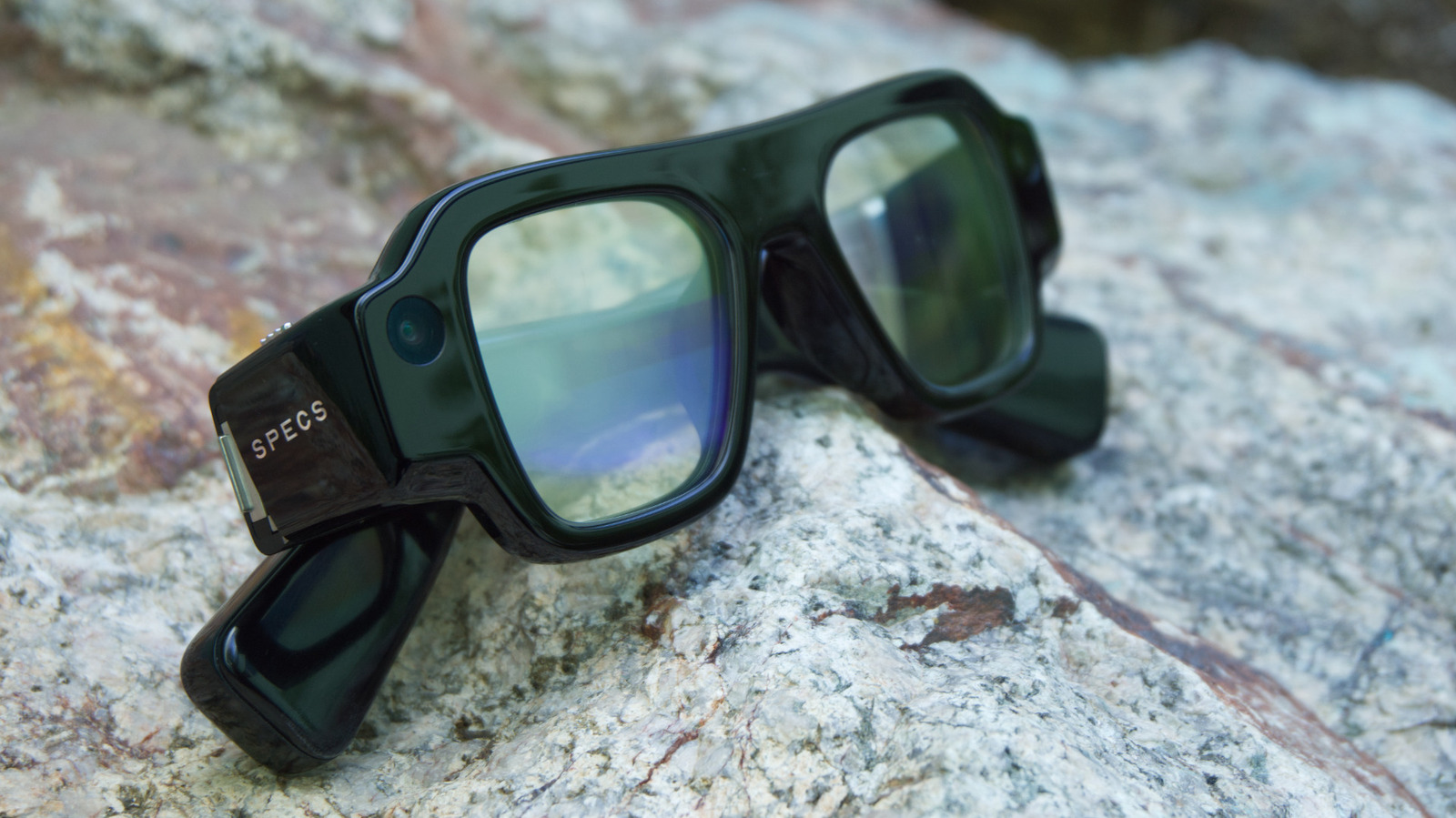
At the heart of this ongoing failure is the ubiquitous presence of cameras. For too long, the industry fixated on these recording devices, creating a privacy minefield that alienated the mass market. Terms like "pervert glasses" didn't emerge from nowhere, they reflected a pervasive public distrust of covert recording that created an insurmountable barrier to entry.
Meta's attempts to address this with mandatory capture LEDs on Ray-Ban Meta and Oakley Meta smart glasses are telling. While Meta correctly argues that its capture LED offers unique transparency compared to the silent recording of street cameras or Teslas, these are ultimately reactive bandages on a festering wound of public distrust. The public's clamor isn't just for an LED indicator, it's aimed at the very presence of a camera in an ostensibly casual, everyday device.
Beyond the privacy conundrum, much of the industry's "innovation" still caters to a hyper-specific, enthusiast demographic. Consider Meta's Horizon OS 2.7 update for Quest 3, introducing Xbox gamepad emulation and unlocking up to 240Hz refresh rates. These are features for dedicated VR gamers, not for someone navigating their daily commute or picking up groceries.
Similarly, the ASUS Republic of Gamers' new ROG XBOX Ally X20 handheld bundles with ROG XREAL R1 Edition 20 Gaming AR Glasses. This $2,499 package targets an immersive portable gaming experience, a clear indicator of a niche focus. These devices are designed for hardcore players, not the average person seeking subtle, integrated assistance.
Even as the industry pivots to ubiquitous AI assistants, exemplified by Apple's shift away from Vision Pro's spatial compute, the integration of these assistants is still being hampered. Developers are still bundling AI with cameras and complex interfaces, overlooking the core need for discreet, trust-based interaction. The true AI glasses for the masses will be invisible, not obvious.
Apple's reported retreat from the high-cost Vision Pro, trimming teams and pivoting towards "Meta-like AI smart glasses," is a stark concession. It signals the end of the premium, standalone virtual escapism era and confirms what many of us have argued for years: the average user doesn't want a face computer, they want an un-obtrusive, everyday enhancement.
This strategic realignment does, however, clear the path for alternatives. Android XR is poised to become a foundational operating system, potentially powering a new wave of diverse, affordable, and privacy-conscious eyewear. But a robust platform alone won't solve the problem if product designers continue to misunderstand fundamental user needs for trust and discretion.
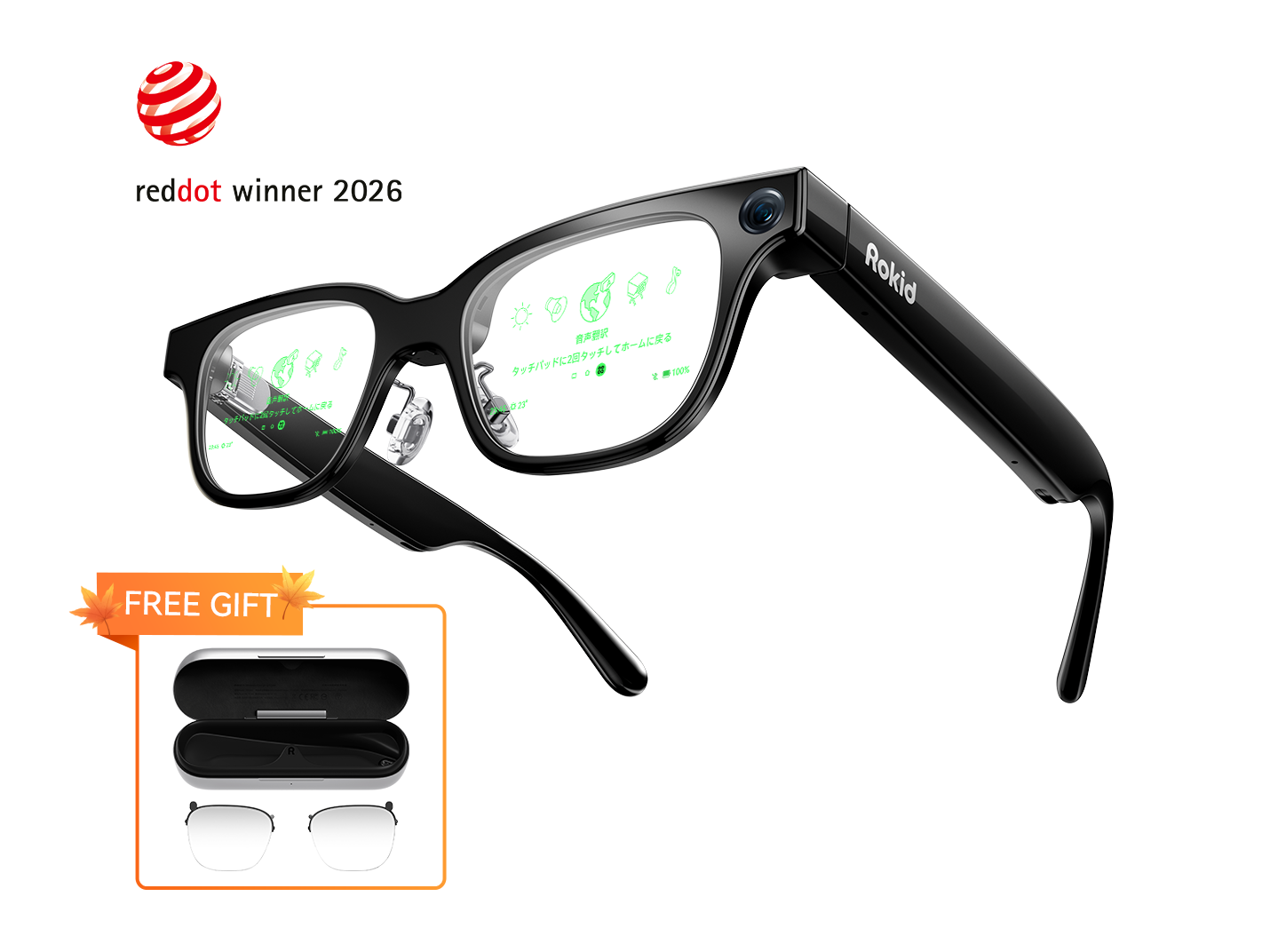
This is why the "silent comeback" of HUD-only glasses, championed by brands like Even Realities and Brilliant Labs, is so significant. By ditching cameras entirely in favor of discreet, display-first designs, these devices are quietly redefining the future of everyday smart glasses. They understand that for mass adoption, the "invisible AI" must truly be invisible.
The core misunderstanding persists: 2026 smart glasses, despite lighter frames and AI ambitions, fundamentally misinterpret trust and daily utility for the average person. The continuous reliance on cameras, the focus on gaming and niche use cases, and the lack of truly integrated, discreet design continue to alienate the very market they claim to serve.
The industry needs a radical re-evaluation, moving beyond reactive privacy fixes and high-refresh-rate gaming to embrace the fundamental desire for simple, trusted, and unobtrusive assistance. Until then, the "everyday user" remains largely an afterthought, and the mass market will continue to look away.
Interactive guide — prices, displays, cameras, battery.
Share this story