Analysis · —
2026's Smart Glasses Still Don't Get People: The Public Fights Back
The smart glasses industry, particularly Meta, keeps missing the mark on public sentiment and user privacy. Their camera-first approach is creating social burdens, not seamless integration, alienating the very users they aim to attract.
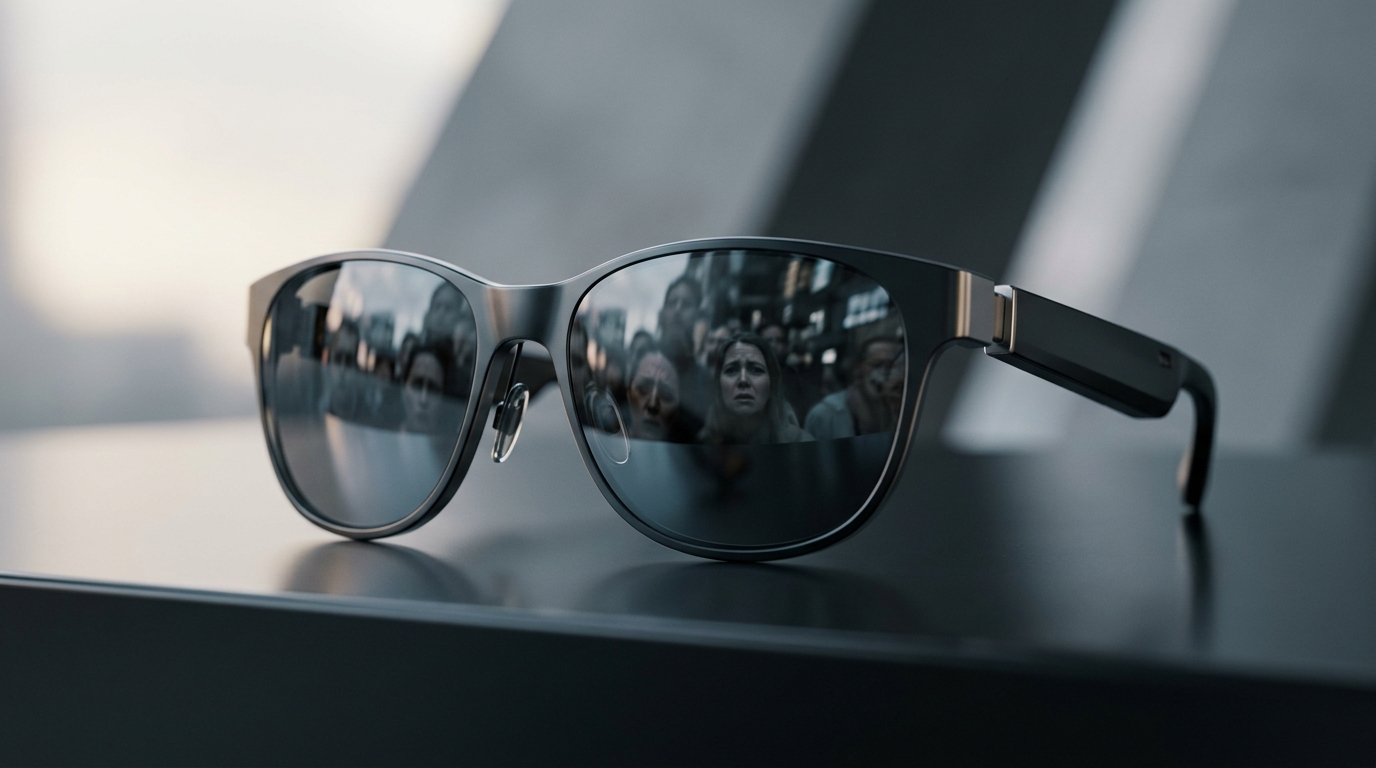
2026 is revealing a stark truth: the smart glasses industry's biggest players still fundamentally misunderstand everyday users. Their current approaches are creating social friction, not seamless integration. The relentless focus on discrete cameras, in particular, is proving to be an ongoing, self-inflicted wound.
Meta, despite repeated efforts, continues to misjudge public sentiment regarding privacy. Their new privacy controls, unveiled on July 27, 2026, are "failing to convince skeptics," according to The Verge. This reactive strategy of bolting on features after the fact simply does not build trust with a wary public.
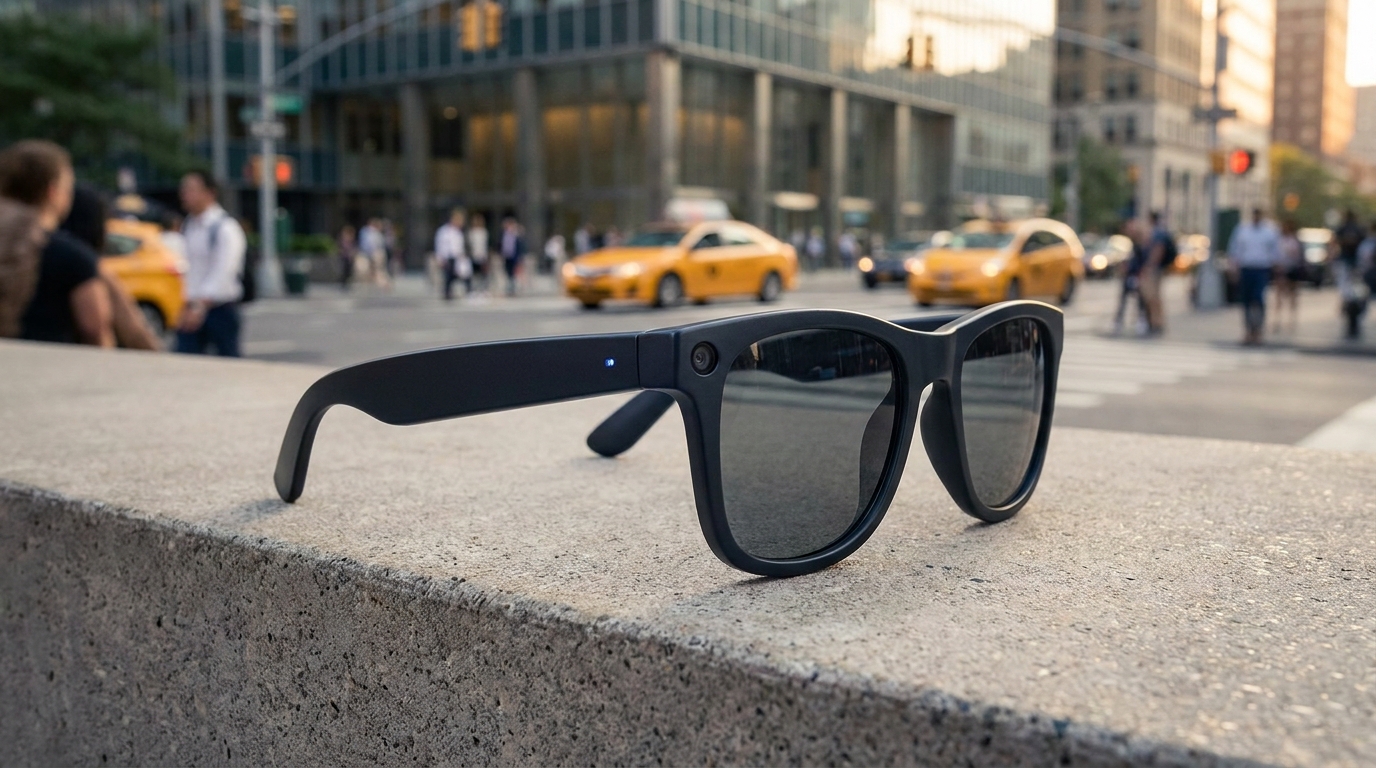
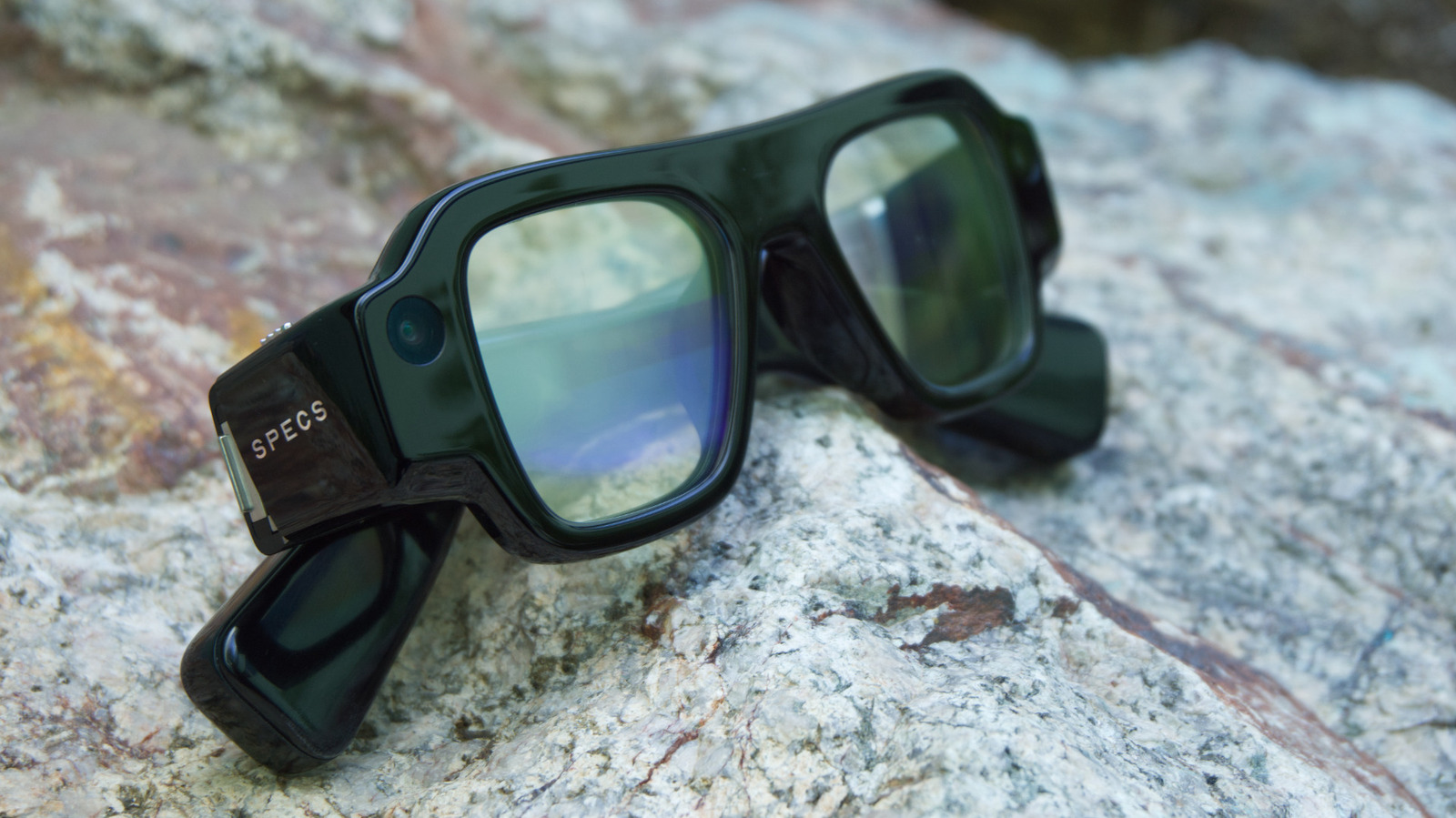
The most damning indictment comes from Vox, which reports Meta's camera-equipped eyewear is colloquially labeled "pervert glasses." This stigma is actively "killing the vibe" for users and hindering mainstream acceptance. Early adopters are burdened by this social discomfort, even if their intentions are innocent.
Instagram's recent ban on harassing videos filmed with Meta smart glasses is a clear admission of the problem's severity. PetaPixel reports the platform is deactivating major accounts for violating this new policy. Adam Mosseri's crackdown on "pickup line" content filmed surreptitiously underscores the pervasive misuse and public anxiety.
Futurism echoes this, noting Meta's policy shift to combat non-consensual recording comes as the "pervert glasses" moniker leads owners to leave their devices at home. For a product designed for daily wear, this is a catastrophic failure of user experience. The company's vows to restore trust are being undermined by the public's current reality.
In stark contrast, Apple's delayed entry into smart glasses appears to be a calculated response to these industry-wide blunders. Reports from The Verge and 9to5Mac on July 26, 2026, indicate a WWDC27 debut, driven by an intense, strategic focus on user privacy. Apple is clearly learning from Meta's painful lessons.
Apple's commitment to privacy is not just marketing; it is actively reshaping their product development. Macworld reports that privacy hurdles have significantly stalled development, with Apple exploring aggressive safeguards. This includes the radical consideration of removing cameras entirely or strictly limiting recording capabilities.
Bloomberg's Mark Gurman, cited by Macworld, hits the nail on the head: consumers are "uneasy around people wearing camera-equipped glasses." This generalized skepticism is a direct threat to any brand, especially Apple, which prides itself on user trust. Apple understands that failing here could irrevocably damage its privacy-centric image.
Samsung's positioning of its forthcoming Galaxy XR Glasses also feels disconnected from these core user concerns. Android Central and SamMobile reported Samsung's promise of a "reasonable" premium price, but price alone does not solve social acceptance issues. This vague pricing strategy offers no reassurance against the deeper anxieties plaguing the smart eyewear category.
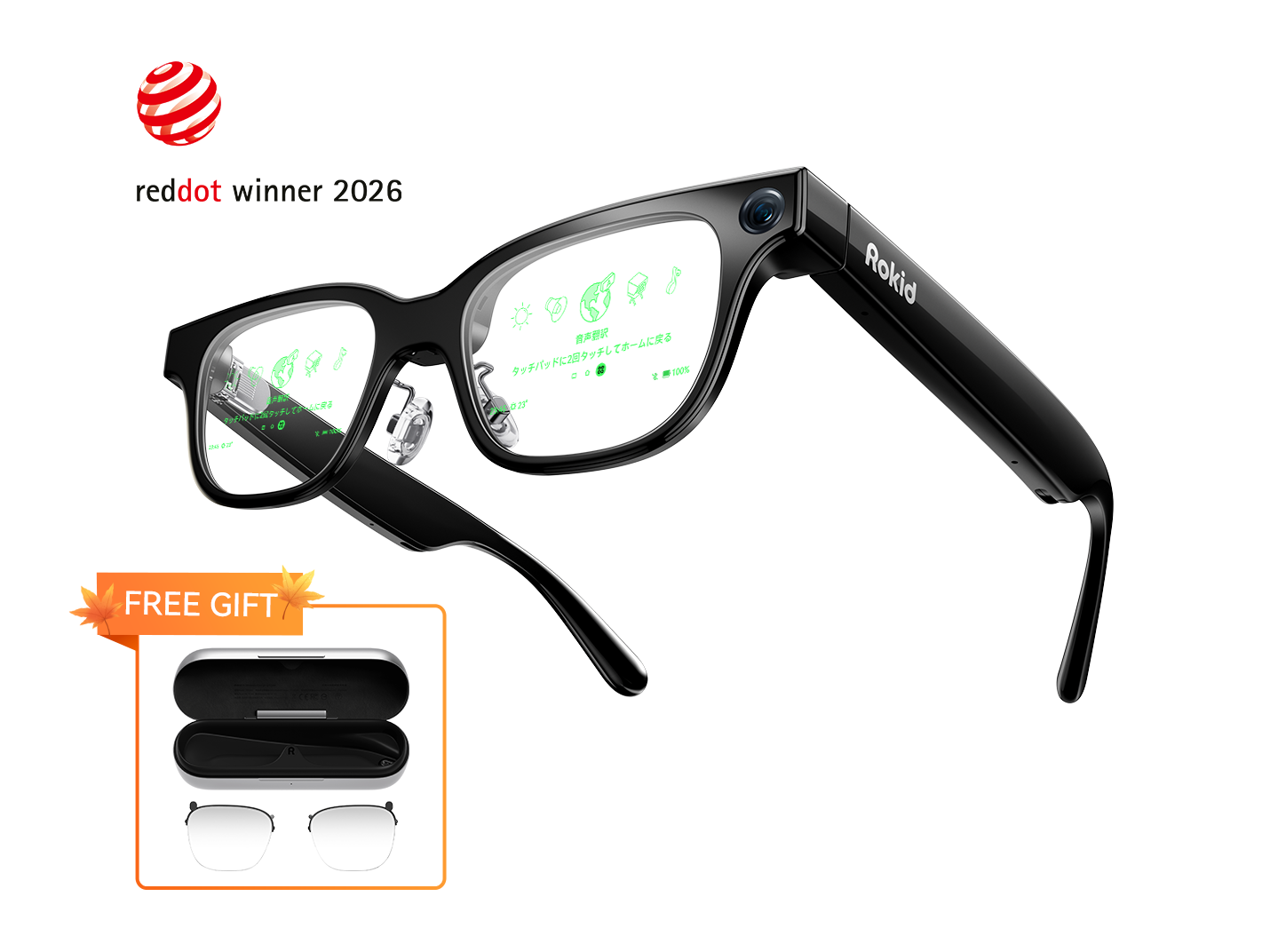
Meanwhile, dedicated AR display manufacturers like RayNeo, XREAL, and Rokid are quietly succeeding where giants stumble. Our own Smart Glasses Daily Originals piece noted these companies are winning the "AR display war" by focusing on mature, reliable optical systems. They are prioritizing actual utility over potentially invasive features.
The fundamental error for many mainstream players is the assumption that users *want* a discrete camera on their face, or that they will accept the social burden that comes with it. Meta's Ray-Ban AI glasses succeed partly by being subtle, but it is precisely that subtlety coupled with recording capabilities that breeds distrust. The industry is chasing the wrong features for everyday use cases.
Unless future smart glasses radically re-evaluate the camera's role and prioritize transparent, user-controlled interactions, they will remain niche devices for early adopters. The everyday user is not just looking for cool tech; they are looking for technology that enhances, rather than complicates, their social lives. The current trajectory still gets that wrong.
Interactive guide — prices, displays, cameras, battery.
Share this story