Analysis · —
2026's Smart Glasses: More Runway, Less Reality for Everyday Users
Despite fashion's embrace and industry titans staking claims, smart glasses in 2026 remain largely out of touch with what average consumers actually need. The fixation on spectacle over substance, coupled with prohibitive pricing, continues to sideline mass adoption.

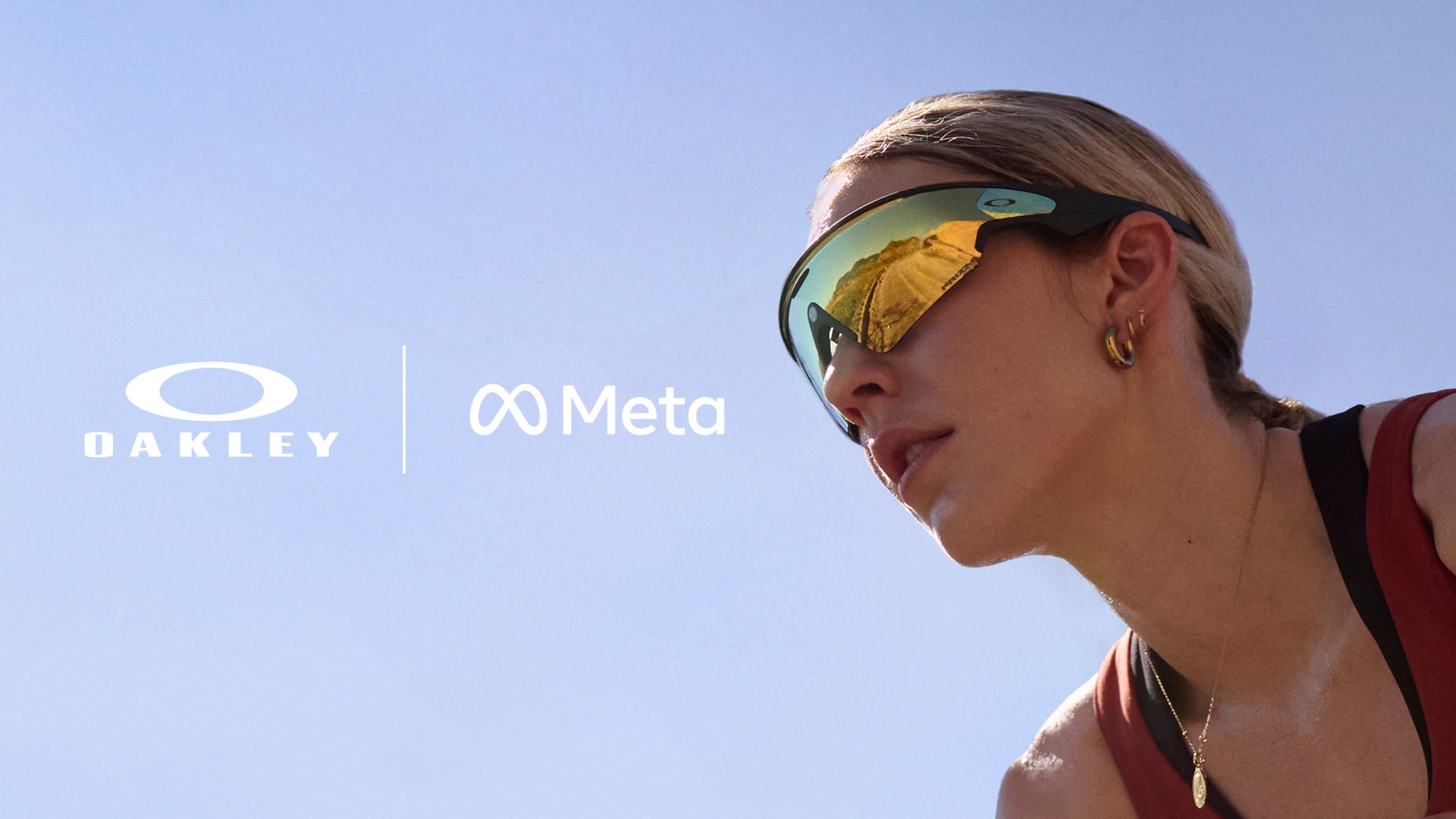
The smart glasses narrative in 2026 is one of undeniable, glittering momentum. EssilorLuxottica, the undisputed titan of traditional eyewear, is making definitive strides into the arena, bringing optical gravitas and global scale. Kylie Jenner graces campaigns for Meta, and Snap Inc. secures fashion legends for its SPECS launches, signaling that wearables have finally collided with high fashion.
Yet, beneath this veneer of high fashion and corporate alliances, a fundamental misunderstanding persists. The vast majority of 2026's smart eyewear still fundamentally misunderstands the everyday user's actual needs. The industry's unwavering obsession with complex, power-hungry in-lens displays remains the most glaring misstep.
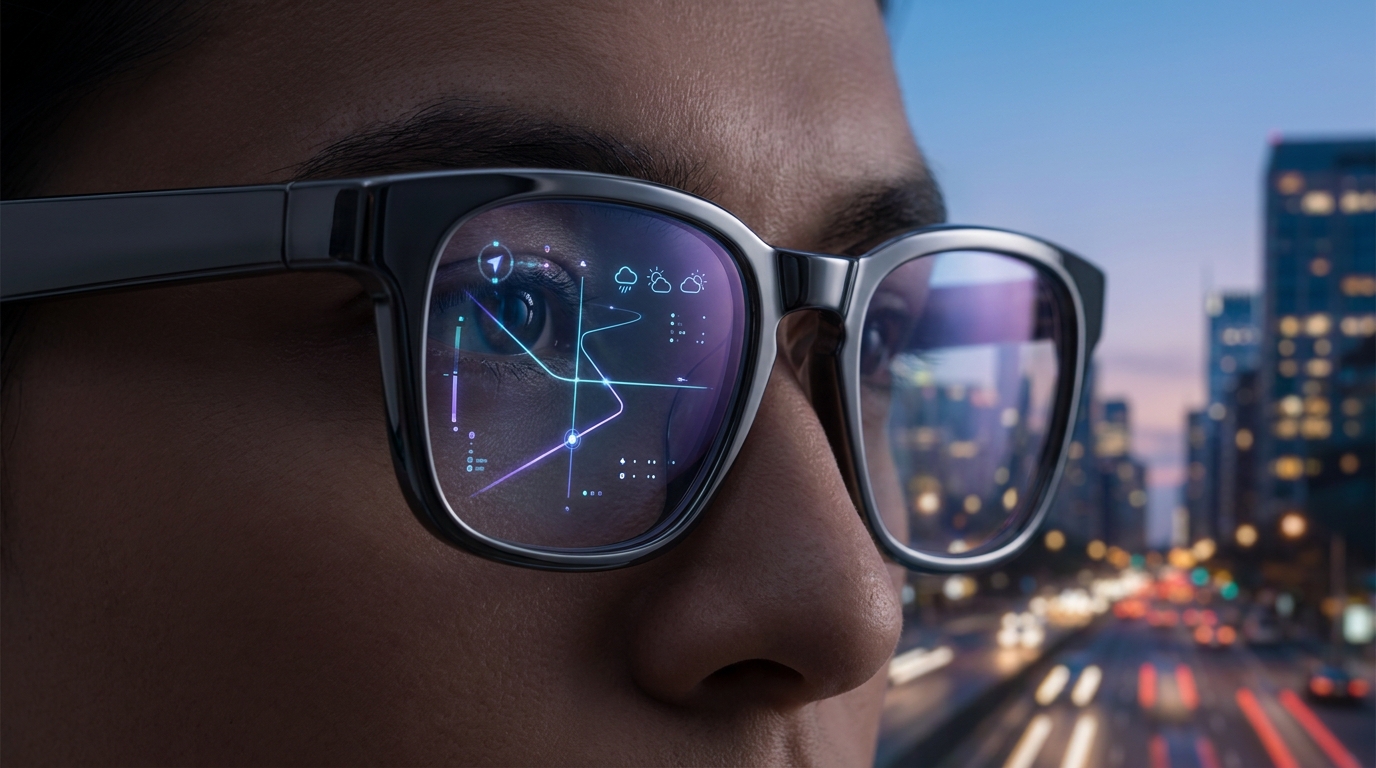
Many brands still push smart glasses as 'see-through computers,' a vision epitomized by Snap's ambitious, and astronomically priced, $2,195 SPECS. This relentless pursuit of beaming pixels into our eyeballs misses a crucial point about consumer adoption. People do not want to replace their reality with a visual overlay; they want subtle, integrated assistance.
This pursuit of spectacle over substance is compounded by the market's pivot towards luxury. Newcomer Specs, for instance, challenges entrenched players by making a bold statement in the luxury wearables market. While this carves out a premium segment, it effectively alienates the very mass market required for true ubiquity.
The smart glasses market also remains a fractured landscape of proprietary ecosystems and competing visions. Every major player, from Snap to Meta, is building its own walled garden, convinced their specific blend of pixels and AI will win the day. This fragmentation, as we have argued before, stifles standardization and accelerates consumer confusion.
What everyday users actually need is practical, integrated AI assistance, delivered at a mass-market price point, without the unnecessary visual overload. This is where the current offerings largely miss the mark. The obsession with 'see-through computers' or 'in-lens subtitles' ignores fundamental user behavior and genuine utility.
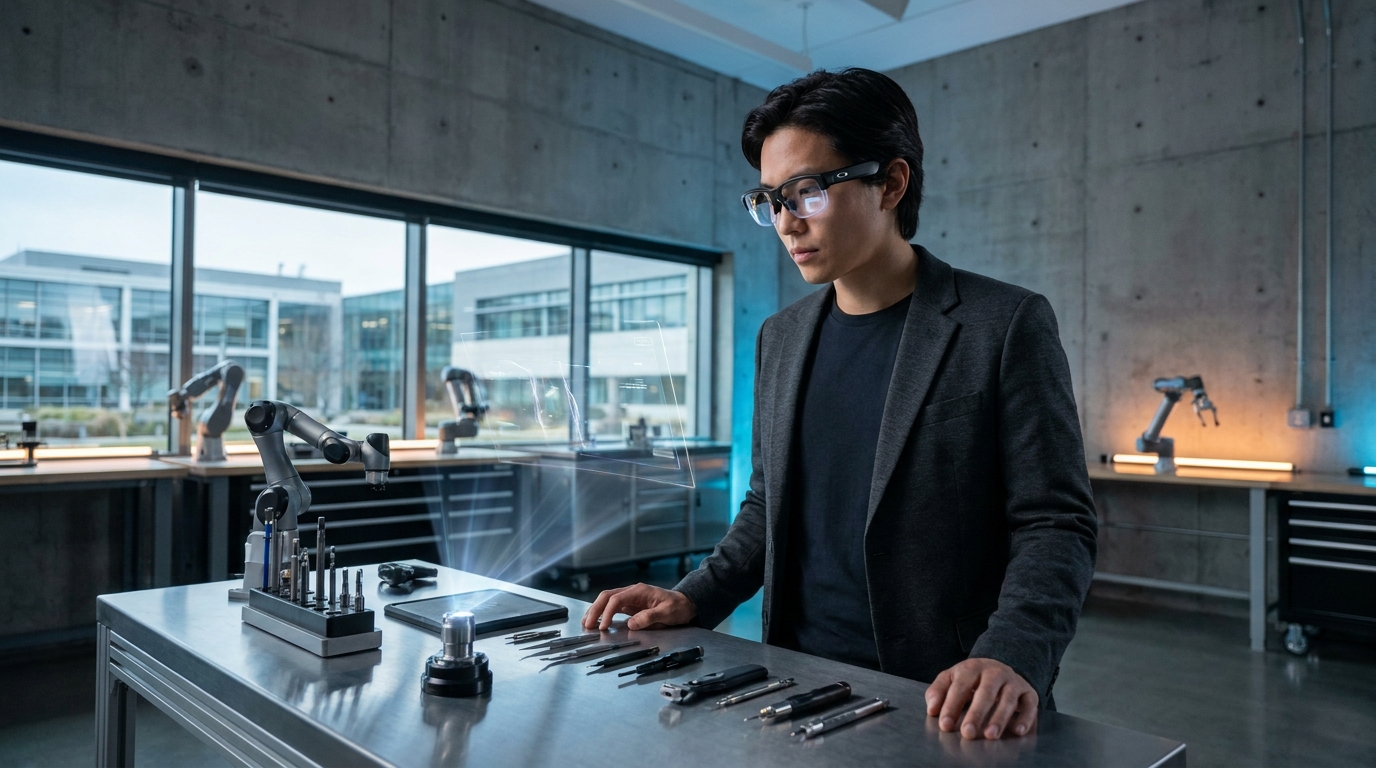
The true path to widespread integration is not about overwhelming users with visual data; it is about offering subtle, integrated AI assistance that complements, rather than replaces, their reality. Display-less AI glasses are the unsung heroes of potential mass adoption, proving that less screen can often be more impactful.
Consider iFlytek's 40-gram, AI-first wearable. This strategic pivot leverages deep AI foundations to redefine what an eyewear companion can be, focusing on real-time utility over immersive AR spectacle. It is a compelling counter-narrative to the industry's display fixation, prioritizing embedded intelligence over visual fireworks.
Meta, in a surprising turn, also shows glimmers of understanding this shift. Their new self-branded 'Meta Glasses' prioritize a lower price point, distinct from the premium Ray-Ban collaboration. Furthermore, Meta's program to aid legally blind US veterans with free smart glasses and AI training highlights a direct, practical application of AI-powered eyewear for genuine independence.
Even RayNeo, with its budget-conscious display glasses like the Air 4 Pro, points to a market craving accessibility, if not necessarily an AI-first approach. While still display-centric, RayNeo's push for affordable personal screens, as hailed by PCMAG, is a step towards making *some* form of smart eyewear more attainable, even if it is not yet the seamless AI assistant.
Industry shifts are also telling. Paul Meade, who led Apple Vision Pro development, recently departed for OpenAI to spearhead its new hardware division. This move signals a broader industry recognition that AI, not just display technology, is the crucial frontier for future wearables.
Ultimately, while 2026 has witnessed smart glasses shed their clunky skin and embrace style, the fundamental understanding of the everyday user remains skewed. The industry continues to prioritize tech spectacle, luxury plays, and fragmented ecosystems. Until the focus shifts decisively to affordable, subtle, AI-first utility, smart glasses will remain a niche luxury, not a mainstream staple.
Interactive guide — prices, displays, cameras, battery.
Share this story