Analysis · —
Display-Less AI Glasses: The Unsung Heroes of Mass Adoption
Forget holographic futures and $2,000 see-through computers. The real revolution in smart eyewear is silent, affordable, and already adorning faces everywhere, proving that less screen is more.

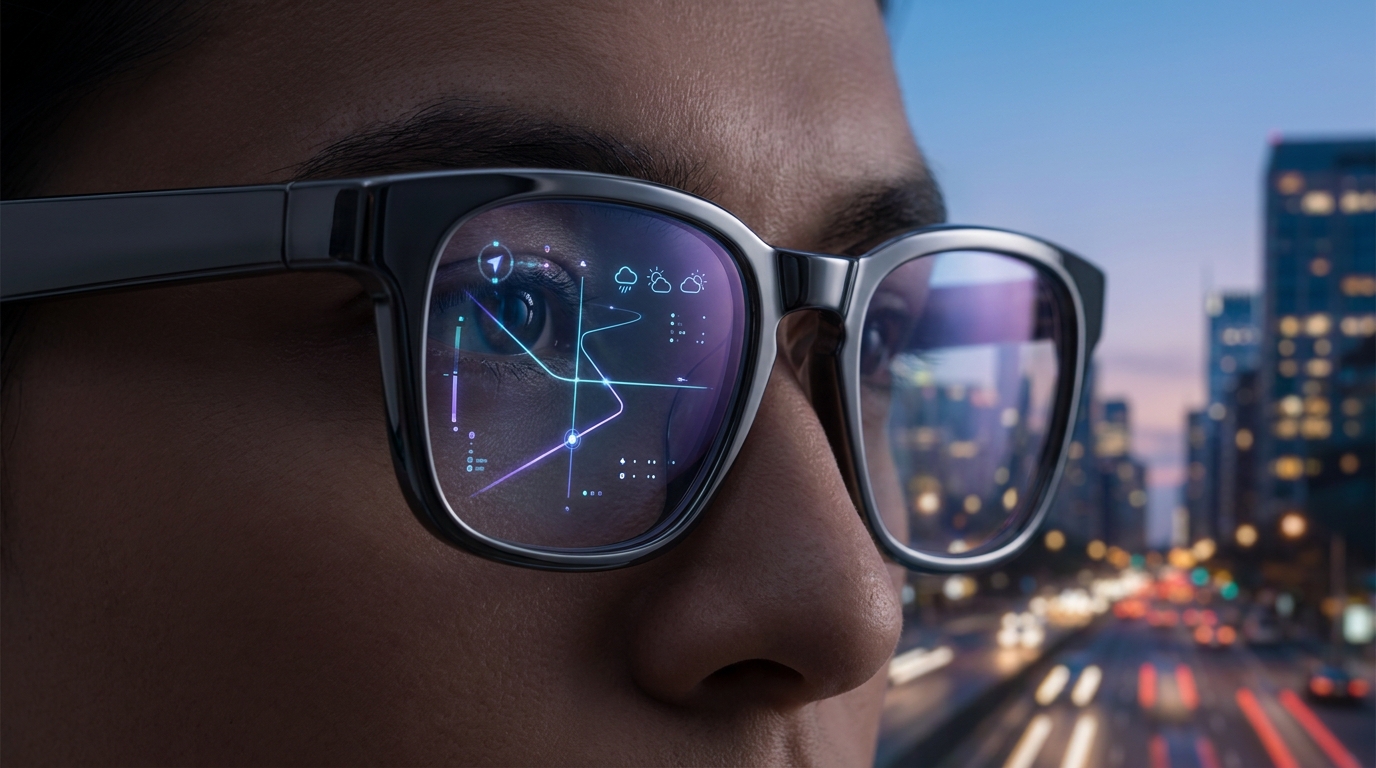
The smart glasses narrative has been dominated by the siren song of augmented reality and the flashy promise of in-lens displays. Snap's $2,195 SPECS and Meta's $799 Ray-Ban Display with translation are prime examples, positioning these devices as complex, high-end computing platforms. Yet, this relentless pursuit of beaming pixels into our eyeballs misses a crucial point about consumer adoption. The true path to widespread integration isn't about overwhelming users with visual data; it's about offering subtle, integrated AI assistance that complements, rather than replaces, their reality.
This obsession with displays, epitomized by devices offering 'see-through computers' or 'in-lens subtitles,' ignores fundamental user behavior. As 'The Invisible Interface' aptly points out, people don't want clunky, expensive tech that screams 'gadget.' Instead, the most compelling hardware category for the AI era, as Meta asserts, is one that offers an 'all-day AI assistant' interpreting surroundings from the user's perspective. This assistant doesn't need a constant visual overlay; it thrives on context and discreet interaction.
The recent fashion-forward push, with endorsements from Kylie Jenner for Meta and Kaia Gerber for Snap, signals a paradigm shift. Smart glasses are finally becoming fashion statements, shedding their nerdy image. However, even these high-profile collaborations, as noted in 'Kylie Jenner and the Fashion Takeover,' are often marketing gloss over a product that still grapples with mass appeal. The $2,195 price tag on Snap's SPECS, for instance, is a stark barrier to entry, even if the marketing aims for cultural relevance.
Meta's strategic embrace of EssilorLuxottica and the new Ray-Ban Meta collection, starting at $299, highlights this evolving strategy. By prioritizing stylish designs and AI capabilities over complex AR, Meta is actively targeting broader consumer appeal. Their claim that millions of units have already sold indicates a growing consumer readiness for functional, fashionable AI glasses that don't require a second mortgage.
The true mass-market play lies in the display-less, audio-first approach. Devices like the Ray-Ban Meta, which strategically emphasize audio capture and AI features, represent this viable path. While competitors push expensive, display-centric models for niche applications like live translation, the core consumer desire is for a seamless AI companion that doesn't demand constant visual attention.
This isn't to say display technology is irrelevant, but its current implementation is often too ambitious and too expensive for mainstream adoption. Take Meta's Ray-Ban Display at $799, offering in-lens translation. While impressive, it’s still a significant investment for a single feature. The true innovation lies in making AI accessible and integrated, not in creating a pocket-sized holographic projector.
The emergence of ultra-affordable options like BlackSheep's AG18 Smart AI Glasses at a jaw-dropping $64.95 is a seismic event. This isn't merely aggressive pricing; it's a declaration of war on the premium perception of smart eyewear. BlackSheep's audacious strategy forces every major player, from Meta to nascent entrants, to re-evaluate their cost structures and consider the implications for accessibility.
Acer's dual-model strategy also points towards a market understanding that acknowledges fragmentation and diverse needs. While one model might lean into AR, their overall approach, leveraging existing manufacturing prowess, signals a serious intent to compete. This calculated entry suggests a focus on delivering tangible value rather than chasing bleeding-edge AR fantasies at astronomical prices.
Even Realities' spotlight on user experiences with their G1 and G2 models, integrated into daily routines for streamers and professionals alike, demonstrates the practical utility of AI glasses. These narratives, spanning from supporting specialized events to enhancing productivity, highlight how discreet, integrated AI can become indispensable without needing overt visual interfaces.
The open-source movement, championed by projects like Mentra, also hints at a future where customization and individual control are paramount. While giants battle for proprietary dominance, this democratizing force suggests that the most successful smart glasses will be those that can adapt and evolve, likely through less display-intensive, more AI-centric architectures.
The critical inflection point, as described by industry observers, isn't about who can beam the most data into your eyes. It's about when wearing smart glasses becomes as effortless and socially acceptable as wearing regular spectacles. This transition is best facilitated by devices that blend seamlessly into our lives, offering AI assistance without the visual clutter or the social stigma of overt technology.
Ultimately, the future of mass-market smart glasses hinges on affordability, unobtrusiveness, and genuine AI utility. The high-fashion runway, while important for cultural cachet, is a distraction from the real play: devices that enhance our lives discreetly and affordably. The display-less AI glasses are not a compromise; they are the smart, practical, and inevitable future.
Brands that continue to bet solely on complex AR displays at premium price points risk alienating the very consumers they need to win over. The real innovation is happening at the intersection of AI, audio, and everyday fashion, proving that sometimes, the most advanced technology is the one you barely notice.
The quiet revolution of display-less AI glasses is already underway. They offer an accessible, integrated AI experience that resonates with the practical needs of everyday users. This is where true mass adoption will be forged, not in the dazzling, but distant, realm of full-blown augmented reality.
The focus on elegant design and functional AI, exemplified by Meta's broader collection and the surprising affordability of BlackSheep, signals the true direction of the market. Smart glasses are evolving from niche gadgets to indispensable daily companions, and the most successful among them will be the ones that vanish into our lives, quietly making them smarter.
Interactive guide — prices, displays, cameras, battery.
Share this story