Analysis · —
2026: Why Smart Glasses Still Miss the Mark for Everyday Users
Despite major players and fashion partnerships, the smart glasses market in 2026 remains fixated on tech spectacle. Most offerings fail to deliver practical, integrated AI assistance at a mass-market price point, overlooking what everyday users actually need.

The smart glasses narrative in 2026 is one of undeniable momentum. From EssilorLuxottica's optical gravitas to Kylie Jenner gracing campaigns for Meta, the industry has shed its clunky skin, finally embracing style and broad appeal. Yet, beneath the veneer of high fashion and corporate alliances, a fundamental misunderstanding persists. The vast majority of 2026's smart eyewear still fundamentally misunderstands the everyday user's actual needs, fixated on spectacle over substance.
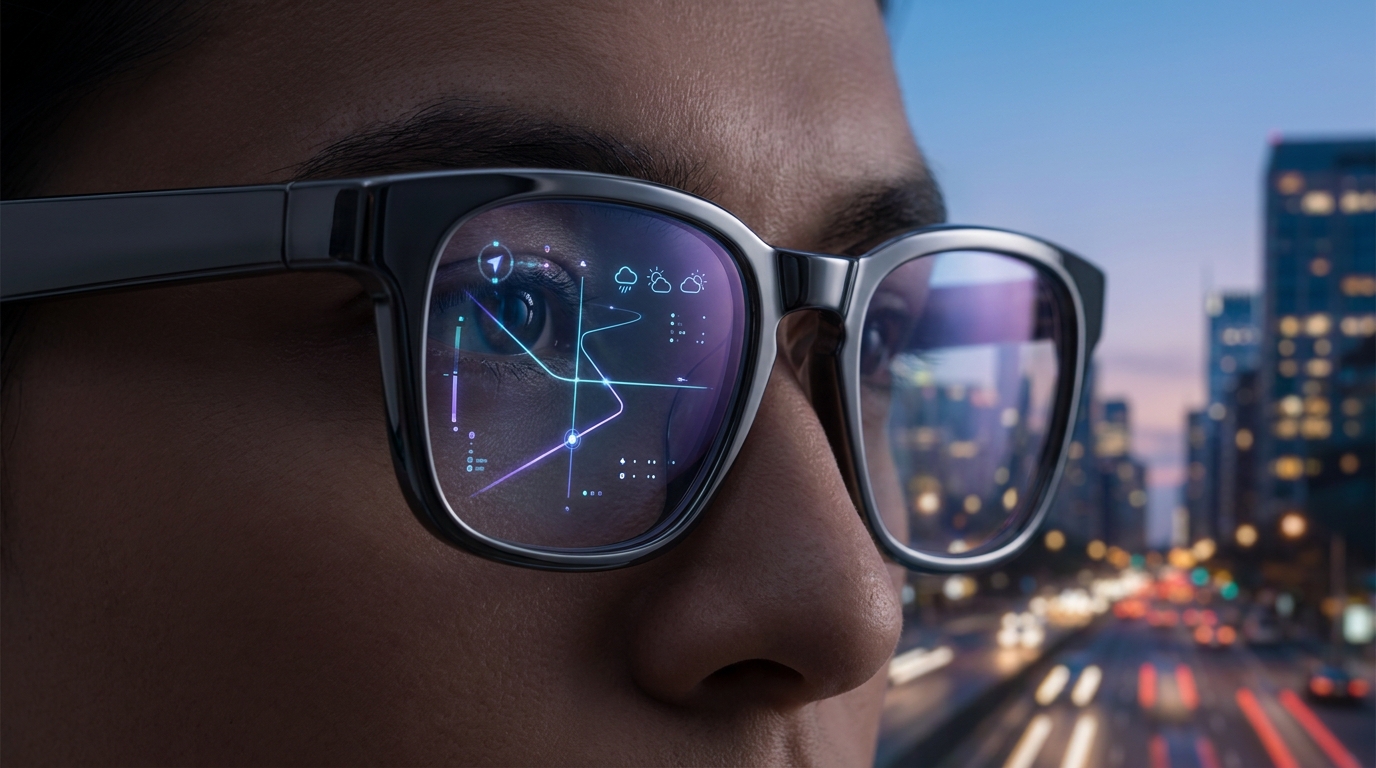
The most glaring misstep remains the industry's unwavering obsession with complex, power-hungry in-lens displays. Many brands still push smart glasses as 'see-through computers,' a vision epitomized by Snap's ambitious, and astronomically priced, $2,195 SPECS. This relentless pursuit of beaming pixels into our eyeballs fundamentally misses the point for mass adoption, creating devices that overwhelm rather than assist. It's a technological marvel, perhaps, but a daily usability flop for most.
Even players like RayNeo, commendable for targeting the budget-conscious with offerings like the Air 4 Pro, primarily champion the 'smart display' experience. While a 1080p, 201-inch equivalent screen at $299 is impressive for media consumption, it's not the ubiquitous AI assistant an everyday user truly needs. This focus on personal screens, while valuable for specific niches, sidesteps the broader demand for subtle, integrated intelligence.
The truth, as we've argued, is that 'less screen is more' for true mass adoption. The unsung heroes of this market are the display-less AI glasses, prioritizing subtle assistance over holographic futures. iFlytek's 40-gram, AI-first wearable from China offers a potent vision of embedded intelligence, signaling a crucial shift away from immersive AR spectacle. This model understands that AI's power should complement reality, not replace it with visual data.
Compounding this display delusion is the industry's burgeoning 'luxury trap,' where high fashion often dictates prohibitive price points. Newcomer Specs, for instance, challenges entrenched players by making a bold statement in the premium wearables market, defining smart glasses through exclusivity and high-end design. While undeniably stylish, this strategy alienates the very 'everyday user' category that could drive widespread adoption. Luxury plays are good for brand cachet, but not for the daily grind.
Meta, in partnership with EssilorLuxottica, attempts to strike a balance, expanding its AI glasses line with new styles and a $299 starting price. The introduction of 'Meta Glasses' and collaborations with figures like Kylie Jenner clearly target broader consumer appeal and affordability. However, the core question remains: beyond the fashionable frames and social media integration, do these devices offer genuinely compelling, everyday AI utility that justifies their constant presence on one's face? A compelling design is not enough.
Indeed, Meta itself has demonstrated the true potential of AI glasses through its program aiding blind veterans. Providing AI-powered smart glasses and comprehensive training to over 130,000 legally blind US veterans showcases a powerful, practical application of embedded intelligence. This initiative points to a future where AI glasses offer tangible assistance, restoring independence rather than just augmenting visual information. It's a stark contrast to the often superficial 'smart' features pushed elsewhere.
The industry's internal compass also seems to be shifting towards this AI-first paradigm. Paul Meade, who led Apple's Vision Pro and smart glasses development, recently left for OpenAI to spearhead its new hardware division. This executive reshuffle isn't just a corporate anecdote; it signals a profound recognition that the future of wearable tech lies in deep, integrated artificial intelligence, perhaps distinct from the complex AR headsets previously envisioned for the masses. The focus is now squarely on AI as the core value proposition.
Beyond the hardware and AI debates, 2026's smart glasses market remains a fractured landscape of proprietary ecosystems. Every major player builds its own walled garden, demanding users commit to a specific blend of hardware and software. This fragmentation creates unnecessary friction for the everyday consumer, stifling innovation and hindering broad accessibility. A seamless, cross-platform experience remains a distant promise, largely due to this competitive tribalism.
While Google's impending Android XR promises to be the 'imminent consolidator,' poised to standardize and accelerate the entire industry, its full impact is yet to be realized in 2026. Until a unified operating system streamlines development and user experience, the average person will continue to face a confusing array of choices and compatibility issues. This software chaos directly impedes the casual adoption that the industry so desperately craves.
So, while 2026 has been hailed as the year smart glasses finally became fashion, that triumph only addresses one facet of the everyday user's dilemma. Brands are still, by and large, misinterpreting what makes a wearable genuinely useful for daily life. They prioritize dazzling displays, target niche luxury segments, or grapple with ecosystem fragmentation, all while the real opportunity lies elsewhere.
The true path to mass adoption for smart glasses isn't through expensive, 'see-through computers' or even budget display-glasses solely for media. It's through subtle, intelligent AI assistance seamlessly integrated into fashionable, affordable eyewear, as demonstrated by practical applications for accessibility. Until the industry universally embraces this 'invisible interface' philosophy, 2026's smart glasses will continue to mostly miss the mark for everyday users, remaining impressive gadgets rather than indispensable companions.
Interactive guide — prices, displays, cameras, battery.
Share this story