Analysis · —
Android XR: The Looming OS Ready to Reshape Smart Glasses in 12 Months
The smart glasses market is a fractured landscape of proprietary ecosystems and competing visions. Google's Android XR is the impending earthquake set to consolidate, standardize, and accelerate the entire industry.
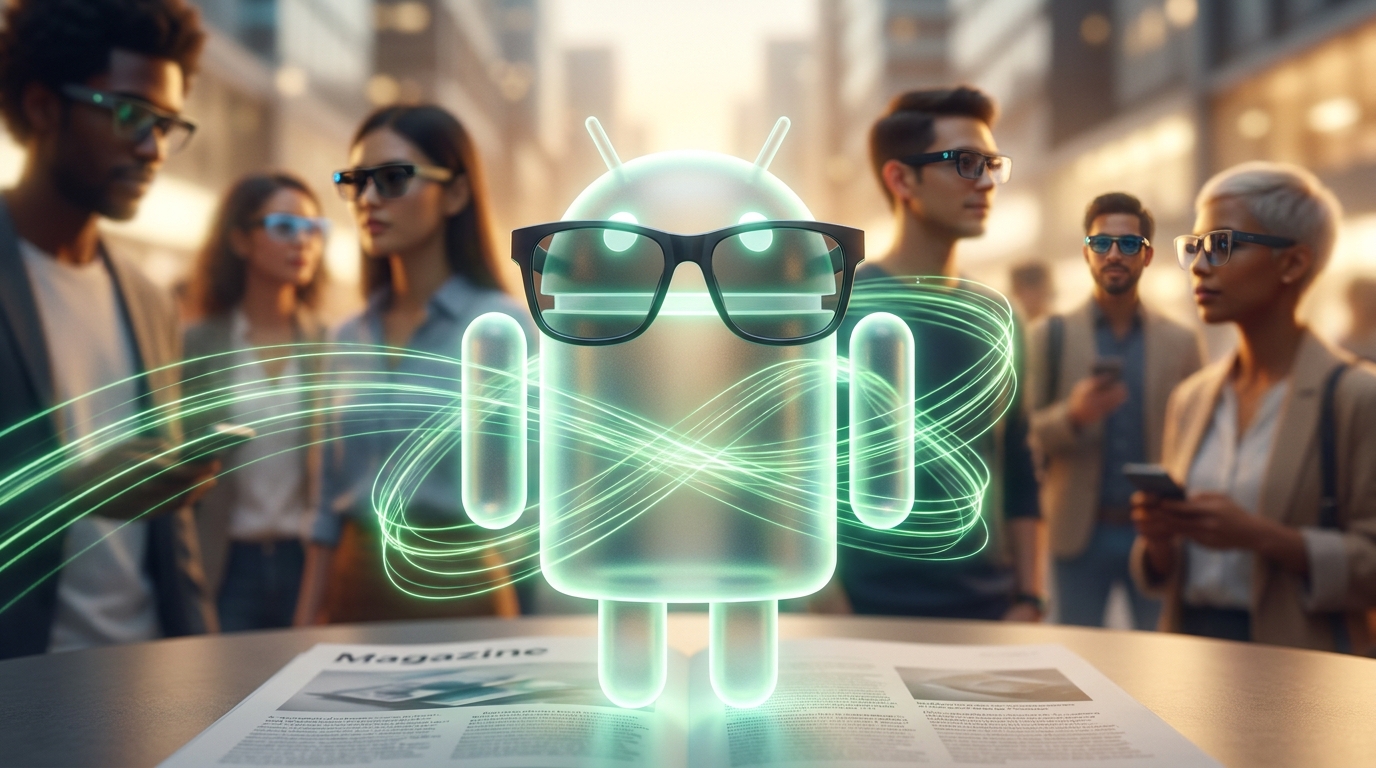
The smart glasses market is a mess, a wild west of ambitious hardware and disparate software. From Snap's opulent, $2,195 SPECS pushing a "see-through computer" vision to Meta's diversified portfolio of camera-first Ray-Ban Meta and new, affordable "Meta Glasses," fragmentation is the dominant theme. Every major player is building its own walled garden, convinced their specific blend of pixels and AI will win the day.
This proprietary battle, however, overlooks the obvious. As we've argued before, the smart glasses landscape is crying out for a unified operating system, a common software layer that enables rather than restricts. This is where Android XR enters the conversation, not as a speculative fantasy, but as the imminent consolidator, poised to drastically reshape the smart eyewear ecosystem within the next 12 months.
The current state is a collection of impressive but isolated hardware plays. Meta, in collaboration with EssilorLuxottica, has expanded its line with self-branded "Meta Glasses" starting at $299, actively "breaking prices" to capture a wider audience. Simultaneously, their initiative to provide AI-powered glasses and training to over 130,000 legally blind US veterans highlights the profound, life-changing potential of integrated AI assistance.
Yet, these advancements, whether in affordability or accessibility, largely exist within Meta's own developing software stack. Similarly, budget-friendly display glasses like the RayNeo Air 4 Pro, hailed by PCMAG as Prime Day's best, demonstrate a clear demand for accessible visual overlays, but these devices too operate on their own distinct platforms.
The missing link, as "The Invisible Interface" and "Android XR: The Looming Operating System" Originals both underscored, is a universal OS. Without it, developers are forced to choose sides, innovation is stifled by incompatibility, and consumers are locked into limited app ecosystems. Android XR is Google's strategic answer, a play to standardize the software layer, much like Android did for smartphones a decade ago.
A unified Android XR platform will dramatically lower the barrier to entry for hardware manufacturers. Instead of investing billions in a bespoke operating system, companies can focus on industrial design, specialized sensors, and unique form factors. This will inevitably lead to an explosion of diverse, and critically, more affordable hardware options, mirroring Meta's own pivot to lower-priced, self-branded eyewear.
Crucially, Android XR will become the default conduit for advanced AI. Leveraging Google's formidable AI infrastructure, features like real-time in-lens translation, a killer app we've tracked across numerous models, will become ubiquitous and highly refined. Imagine the instant, seamless support for global communication, or the contextual awareness provided by an "all-day AI assistant" that interprets your surroundings from a shared, robust software foundation.
The open-source community, hungry for platforms beyond proprietary giants, will flock to Android XR. The "Smart Glasses Hacker's Manifesto," advocating for projects like Mentra, illustrates a powerful desire for democratic development. Android XR, while proprietary, offers a far more open and accessible development environment than Meta's or Snap's closed systems, attracting a massive wave of developers and innovative applications, much like the diverse use cases highlighted by Even Realities for its G1 and G2 smart glasses.
This OS will also reconcile the ongoing debate between display-less and display-centric devices. Android XR can expertly support both. It will power the subtle, AI-first experiences prioritized by display-less advocates, while simultaneously enabling sophisticated, low-latency AR for the visually rich applications demanded by the display camp. The choice then becomes a hardware design decision, not a fundamental OS limitation.
Furthermore, Android XR will accelerate the smart glasses category's journey into the fashion mainstream. With major players like Meta collaborating with Kylie Jenner and Snap positioning SPECS as luxury wearables, style is no longer secondary. Android XR will empower fashion-forward brands to integrate cutting-edge AI and visual capabilities without the immense burden of developing an underlying operating system, allowing them to focus on aesthetics and branding.
The implications for Meta are significant. While they've built a robust ecosystem, the tidal wave of Android XR's developer support and hardware partnerships will force a strategic re-evaluation. Will Meta double down on its own OS, or will it find a way to integrate or compete within an Android XR-dominated landscape? Their aggressive push for affordability with "Meta Glasses" might be a pre-emptive defensive move.
The next 12 months will not just see Android XR's official launch, but its rapid entrenchment. The demand for accessible hardware, sophisticated AI, and a unified development experience is simply too strong to resist. The fragmented market we know today is unsustainable, and the industry is ripe for consolidation. Google has the resources, the AI, and the ecosystem experience to lead this charge.
We are on the cusp of a dramatic shift. Smart glasses will transition from a collection of interesting gadgets to a cohesive, integrated platform for daily life. Android XR is not just another operating system, it is the fundamental catalyst that will unlock the true potential of smart eyewear, delivering widespread adoption and unprecedented innovation.
Prepare for the shake-up. The future of smart glasses, powered by a standardized, AI-first operating system, is about to become clearer, more accessible, and far more dynamic.
Interactive guide — prices, displays, cameras, battery.
Share this story