
Brilliant Labs Halo vs INMO Air 3
Hesitating between the Brilliant Labs Halo and the INMO Air 3? Here are both models side by side, using the specs and prices from our benchmark.
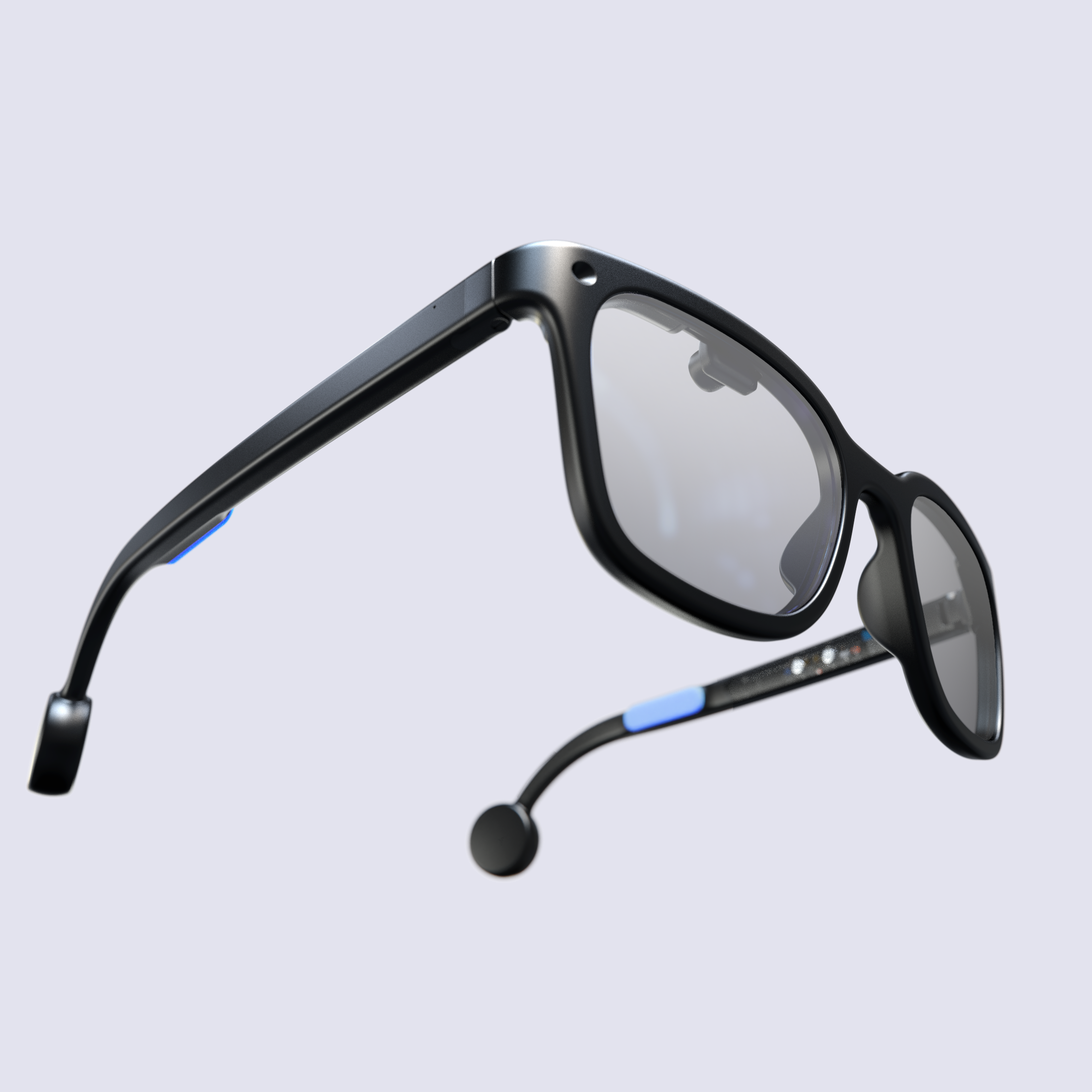

Key differences
- Brilliant Labs Halo is 95 g lighter than INMO Air 3.
Specifications
| Brilliant Labs Halo | INMO Air 3 | |
|---|---|---|
| Type | HUD glasses | HUD glasses |
| Status | Pre-order | On sale |
| Price | $349 | - |
| Release date | August 2025 | September 2025 |
| Weight | 40 g | 135 g |
| Display | Micro LED | waveguide optics, Sony micro OLED display |
| Camera | Yes | 16 MP |
| AI assistant | Noa | - |
| On-device AI | Yes | - |
| Chip | low-power AI processor | Qualcomm XR chipset |
| Speakers | dual bone conduction speakers | open-ear directional speakers |
| Microphones | dual mics | - |
| Needs a cable | No | No |
| Resolution | - | 1080p |
| Field of view | - | 36° |
| Brightness | - | 600 nits |
| Refresh rate | - | 120 Hz |
| Battery (glasses) | - | 1.5 h |
| Connectivity | - | Standalone (implied Wi-Fi for Play Store apps) |
Best for: Brilliant Labs Halo
Developers and tech enthusiasts looking for lightweight, open-source HUD glasses with on-device AI and adjustable optics.
Best for: INMO Air 3
Users seeking fully wireless, standalone HUD glasses with a high-refresh-rate display and integrated camera for brief sessions.