Analysis · —
Your Next Glasses Won't Just See. They'll Think.
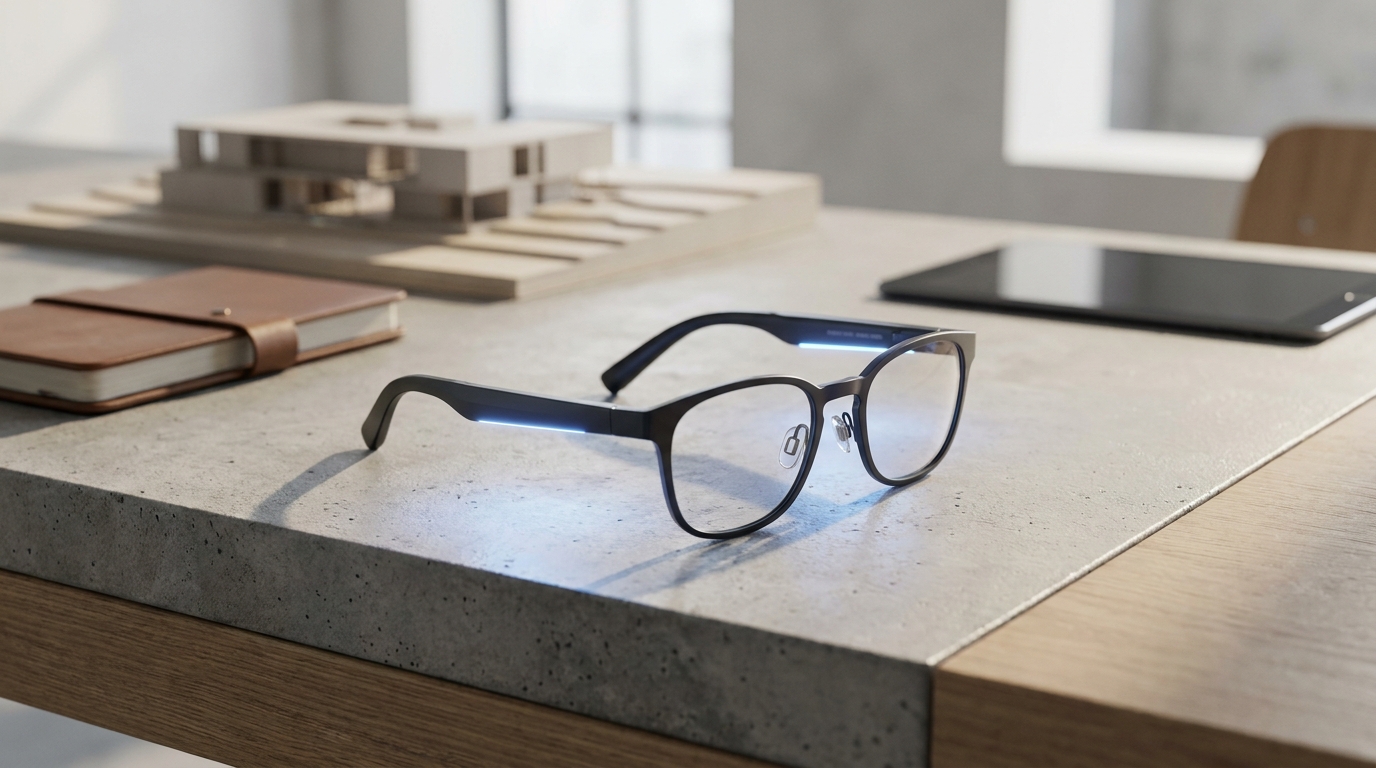
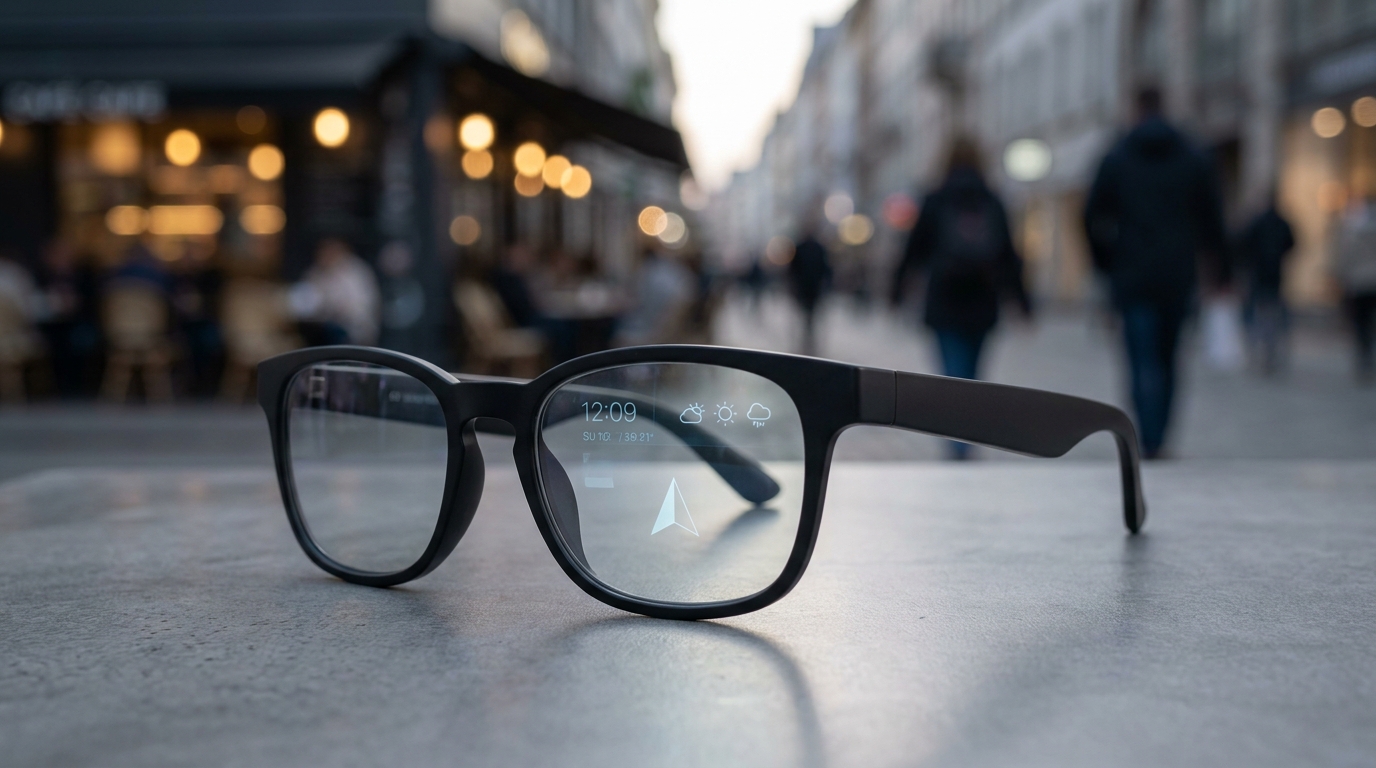
The current crop of smart glasses are little more than cameras on your face. But a new generation is coming, powered by always-on AI assistants that will transform eyewear from a passive gadget into a proactive co-pilot for your life.
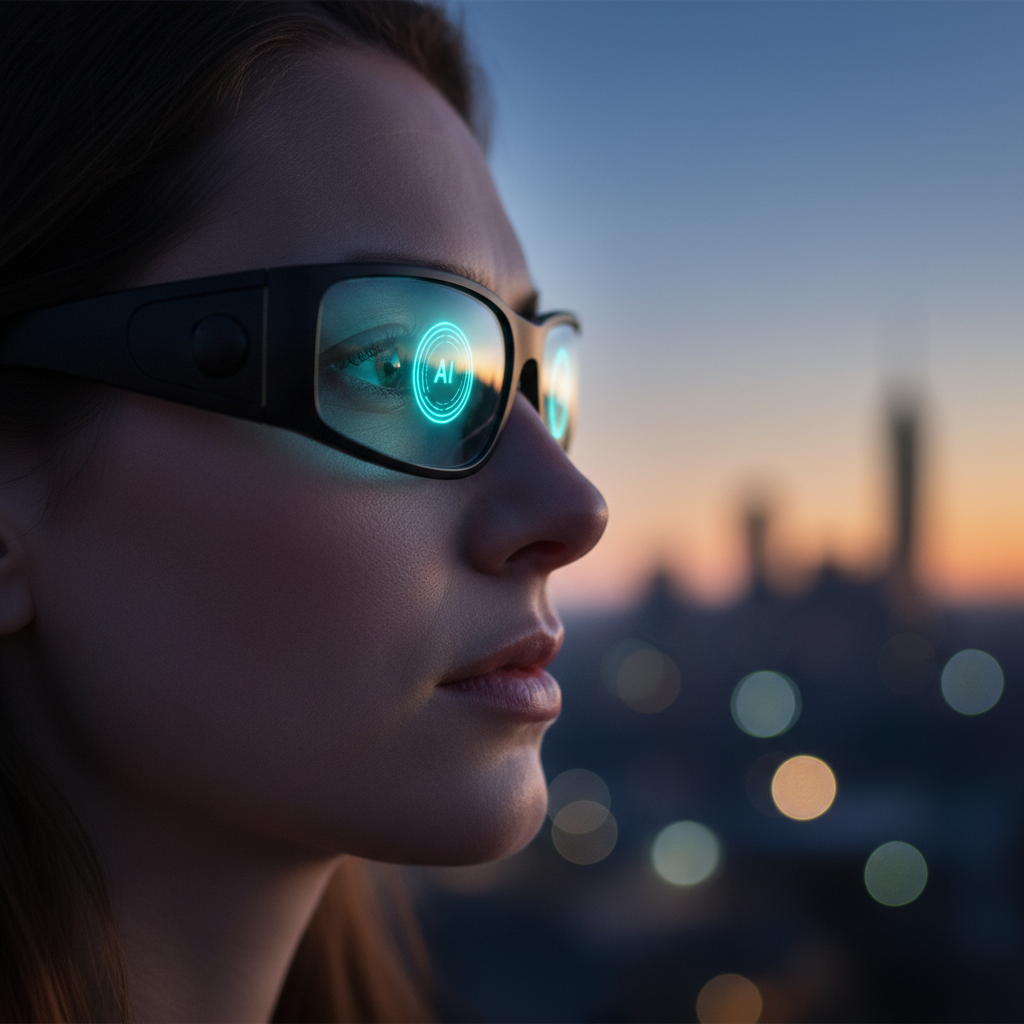
Let’s be honest: today’s smart glasses are a neat trick, but they’re not a revolution. The Meta Ray-Bans are a triumph of industrial design and the only connected eyewear people actually wear in public, but they’re fundamentally reactive. You press a button, you take a picture. You say a command, the AI tells you what you’re looking at in a brief, 30-second burst. It’s an evolution of the camera-equipped glasses that companies like Pivothead and Epiphany were building a decade ago. But the real paradigm shift isn’t about improving the camera; it's about making the AI persistent. The next chapter of eyewear is about an always-on assistant that sees your world, understands it, and acts on it without constant prompting.
Meta is already laying the groundwork for this leap. Leaks surrounding its next-gen glasses, codenamed Aperol and Bellini for a 2026 release, point to a capability called 'super sensing.' This isn’t a minor tweak; it's a fundamental change in operational philosophy. The plan is to extend the 'Live AI' feature from a fleeting 30-minute session to several hours of continuous operation. The implications are profound. This isn't just about identifying a landmark. This is about your glasses reminding you to grab your keys because they *see* you walking to the door, or suggesting dinner ingredients based on a glance at your calendar and the contents of your fridge. It’s a shift from a novelty feature to a genuine cognitive partner.
This isn't an isolated Silicon Valley fantasy. Across the Pacific, Hangzhou-based Rokid is shipping its own 49-gram answer to the Ray-Ban Meta, complete with its own onboard 'Yunque AI' assistant. While the Rokid Glasses are a clear volume play aping a successful formula, the company’s more advanced Rokid AR Spatial headset proves they have the technical chops to be taken seriously. The message is clear: the race to embed a thinking AI into a normal-looking pair of glasses is now global. The form factor is converging, but the battle for the dominant AI is just beginning.
Simultaneously, Apple is building the same capability under a different banner: accessibility. The upcoming 'Live Recognition' feature for Vision Pro will use on-device machine learning to describe surroundings, identify objects, and read text for users with low vision. Don’t mistake this for a niche feature. Technologies incubated in accessibility-like voice control and screen readers-have a long history of becoming mainstream. Apple is effectively beta-testing a powerful, always-on visual assistant. While Vision Pro is still a bulky headset, the rumored 'Vision Air' slated for 2027 aims to slash the weight and price, bringing these advanced AI capabilities one giant step closer to an all-day wearable.
This inevitable hardware convergence is forcing a platform war. While Meta and Apple construct their predictable walled gardens, startups like Mentra are betting on an open-source future. Born out of MIT, Mentra offers a developer-friendly pair of glasses with an open OS, wagering that the most innovative AI assistants won't come from a central command, but from an army of independent developers. This is the classic tension that defined the desktop and mobile eras now playing out on our faces. Will your AI co-pilot be an employee of Apple, or a free agent you choose yourself?
Underpinning all of this is a quiet, tectonic shift in technical standards. The growing adoption of the OpenUSD standard-backed by everyone from Apple and Pixar to Microsoft and Sony-is creating the 'HTML for the metaverse' that futurists have long promised. When a 3D object has a universal description, an AI assistant’s ability to recognize, track, and interact with it-a feature already debuting in visionOS 2-becomes exponentially more powerful. This foundational work is crucial for moving beyond simple text recognition to a genuine understanding of the physical world.
The road ahead is littered with wreckage. Meta is scaling back its broader VR ambitions, and Snap is laying off staff even as it protects its AR glasses division. Building the hardware is still brutally difficult and expensive. But the direction of travel is undeniable. We are moving from passive capture to proactive assistance. The debate will soon shift from camera resolution and battery life to the ethics of Meta's 'explored' facial recognition feature. The device on your face is about to get a mind of its own, and it will change how we see the world, and each other, forever.
Interactive guide — prices, displays, cameras, battery.
Share this story