Analysis · —
The Stealth AR Kings: XREAL, RayNeo, Rokid Lead the Pack
Forget the metaverse hype. A pragmatic approach to display-driven smart glasses is proving far more potent, with these three companies quietly dominating the market. They're building the future of wearable tech, and the giants are still catching up.
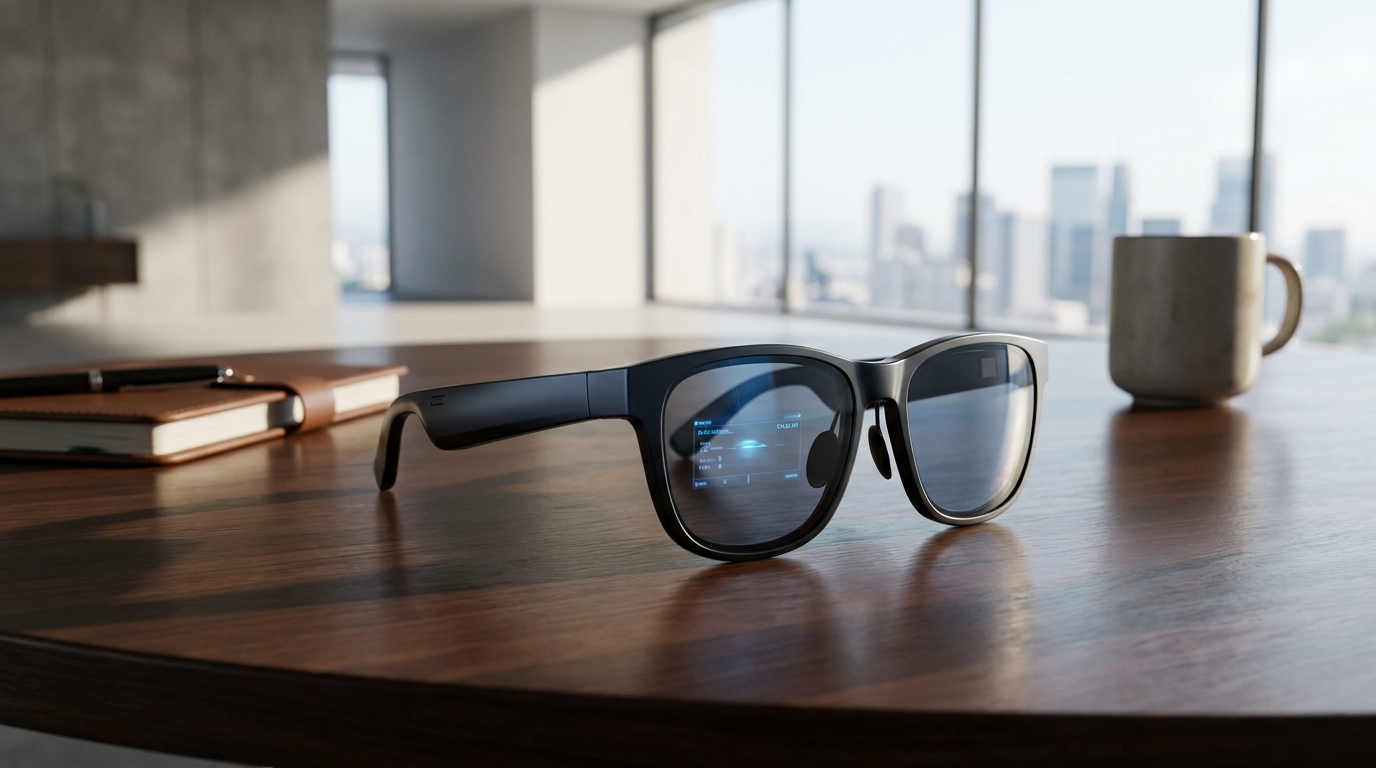
While the tech world fixates on bulky headsets and speculative metaverse ventures, a more grounded revolution is quietly unfolding in smart eyewear. XREAL, RayNeo, and Rokid are not chasing distant dreams of full immersion. Instead, they are laser-focused on delivering practical, display-centric smart glasses that offer tangible utility today. Their strategy is simple: enhance reality with crisp visuals and seamless integration, rather than replace it entirely. This pragmatic approach is resonating with consumers, evidenced by strong crowdfunding performance and a growing product ecosystem.
Recent announcements underscore this pragmatic triumph. XREAL, for instance, has launched its 'xbx' sub-brand with the a01 display glasses. Priced at a compelling $299, these 62-gram frames prioritize media consumption and a lightweight experience. This move, detailed by WIRED, signals a clear strategy: make advanced visual technology accessible and comfortable for everyday use. XREAL is wisely sidestepping the 'computational bulk' often associated with more ambitious AR attempts, opting instead for focused functionality.
RayNeo is also making waves with its own display-focused offerings. While specific new models weren't detailed in the provided news, the brand's consistent presence in the smart display glasses category positions it as a key player. Unlike companies attempting to reinvent the wheel with complex AR overlays, RayNeo, XREAL, and Rokid are perfecting the art of the integrated display. They understand that for smart glasses to go mainstream, they need to be functional extensions of our existing digital lives, not demanding new ones.
Rokid, though less detailed in these specific reports, is consistently recognized alongside XREAL and RayNeo for its contributions to practical AR. Their focus has largely been on enhancing professional use cases and providing robust, tethered display solutions. This mirrors the strategy of XREAL's a01, suggesting a shared understanding that high-fidelity visuals, when delivered through well-designed eyewear, can achieve significant market traction.
In contrast, the broader industry seems to be in a state of strategic flux. Acer, for example, has unveiled two distinct paths with its GR0 and GI0 devices. The GR0, a tethered headset for high-fidelity visuals, competes directly with the display-focused approach of our quiet winners. However, its reliance on tethering, much like XREAL's a01, points to a compromise between portability and performance, a compromise XREAL and its peers are adept at navigating.
Acer's GI0, on the other hand, leans into AI integration with Google Gemini, signaling a divergence from pure display dominance. This AI-first approach is also being pursued by iFLYTEK, whose 40-gram AI Glasses offer real-time translation and teleprompting. These devices highlight the growing importance of ambient intelligence, but they represent a different market segment than the display-centric AR glasses championed by XREAL and RayNeo.
Meta's aggressive push into AI wearables, including new smart glasses and an AI pendant, further illustrates this diverging landscape. Reports suggest Meta is developing up to four new smart glasses models, aiming for subscription revenue. While Meta, particularly through its Ray-Ban partnership, has made strides in wearable aesthetics with the Wayfarer Gen 2, its focus on AI and broader ecosystem plays differs from the core display war being waged by XREAL, RayNeo, and Rokid.
The Ray-Ban Meta Wayfarer Gen 2, praised by TechAU for its discreet design, is a crucial step towards mainstream acceptance of smart glasses. It proves that stylish, everyday wearability is achievable. However, its capabilities, as described, lean more towards camera and audio functions rather than the immersive display experiences that XREAL and RayNeo specialize in. The real adoption war for visual computing is being fought on a different battlefield.
Even Apple, with its rumored N50 project, appears to be pivoting away from full AR. Reports indicate a shift towards minimalist smart glasses focused on discrete cameras and premium design, acting as iPhone companions rather than standalone AR platforms. This further validates the market's hesitance towards complex, high-fidelity AR headsets, and instead points towards simpler, more integrated solutions.
The narrative of 'winning' the AR display war is thus not about who can build the most powerful headset, but who can deliver the most compelling visual experience in a wearable form factor. XREAL, RayNeo, and Rokid have consistently prioritized crisp, functional displays that enhance, rather than disrupt, daily life. Their sub-$300 price points and lightweight designs are not mere product features; they are strategic advantages.
The recent ban on smart glasses in professional sports, as reported by Gizmodo, highlights a different facet of the evolving wearable landscape. Concerns over betting integrity underscore the need for clear functionality and user awareness. While this doesn't directly impact the consumer AR display market, it reinforces the idea that smart glasses need defined use cases and transparent operation, something XREAL and its peers are well-positioned to address.
Ultimately, the path to widespread smart glasses adoption hinges on delivering immediate value through accessible technology. XREAL's new sub-brand and affordable a01, RayNeo's focus on practical display integration, and Rokid's consistent market presence collectively demonstrate a winning formula. They are not just selling gadgets; they are selling a more visually augmented, yet fundamentally grounded, reality.
The success of these companies is a testament to a market that craves utility and style over technological exhibitionism. While titans like Meta and Apple grapple with their grand visions, XREAL, RayNeo, and Rokid are methodically building the future of personal computing, one pair of smart display glasses at a time. Their quiet dominance is the loudest signal yet for what consumers actually want.
The rapid success of smart glasses projects on crowdfunding platforms, as highlighted by Smart Glasses Daily, further corroborates this thesis. Consumers are actively seeking out these practical, display-forward devices, signaling a clear demand that the established players are only just beginning to acknowledge.
Interactive guide — prices, displays, cameras, battery.
Share this story