Analysis · Viture
Viture Secures $100 Million, Doubles Funding to Over $200M in Six Months
Viture's latest funding round, led by Legend Capital, solidifies its position in the display glasses market. This capital infusion arrives amid rapid expansion and ongoing legal disputes with rival Xreal.
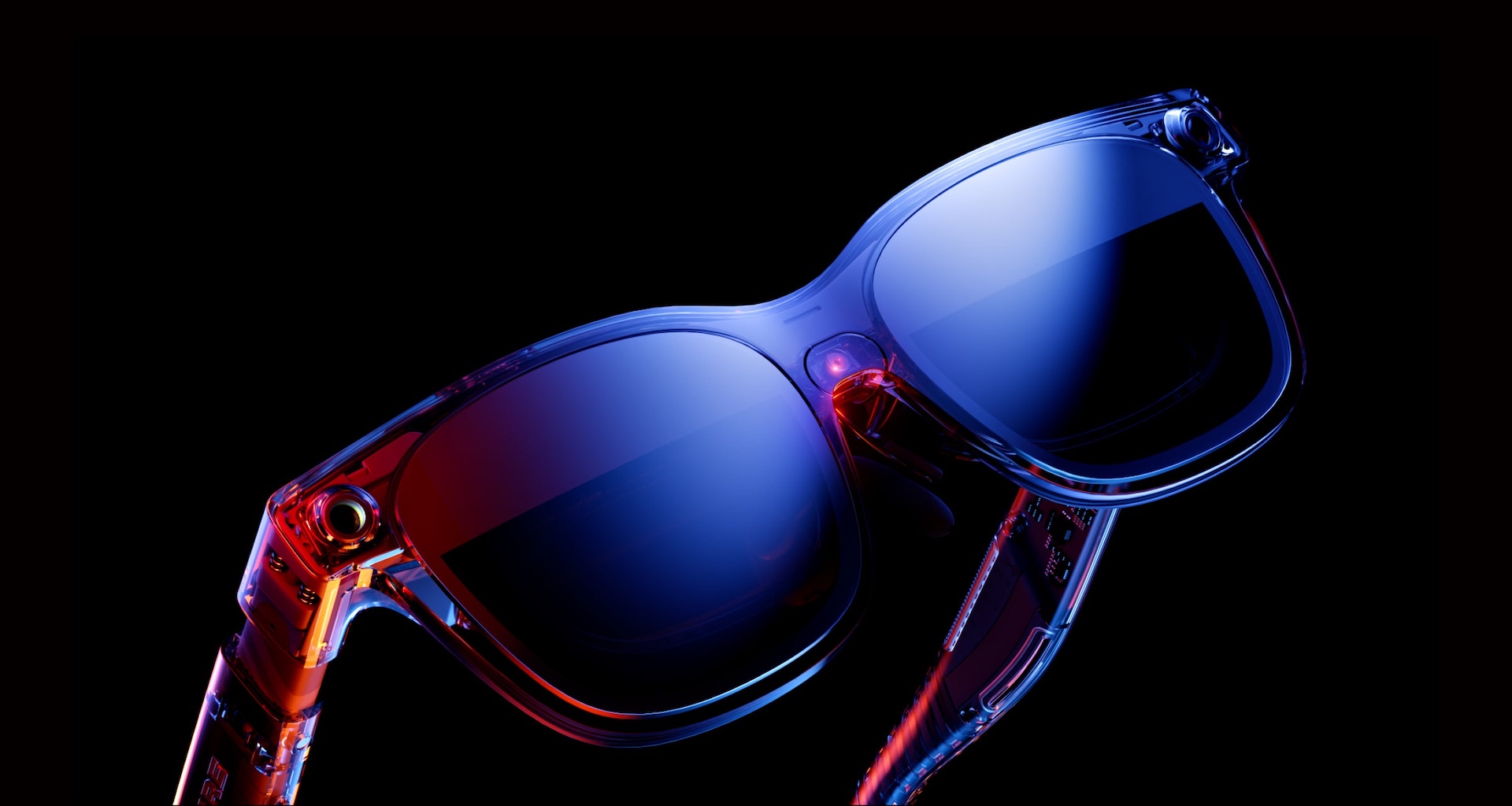
On March 2, 2026, Viture announced it had closed an additional $100 million in financing, bringing its total capital raised in the past six months to over $200 million. This latest round was led by Legend Capital, with participation from existing investors, including Bertelsmann Group. The company previously raised $100 million in September of the previous year.
According to Ar Insider Guest of arinsider.co, this new funding 'represents both fuel for growth and a vote of confidence in the emerging video display glasses category.' Ar Insider Guest further reports that the financing comes as Viture continues to expand its presence in the U.S. market for video display glasses. Citing IDC data, Ar Insider Guest notes that Viture held the top spot in XR glasses shipments in the United States during Q3 2025, commanding a 28.1 percent market share, ahead of competitors like Meta Display, RayNeo, Rokid, and Xreal.
ARtillery Intelligence Chief Analyst Mike Boland, quoted by Ar Insider Guest, stated that 'video display glasses have found a sweet spot' after a decade of attempts to market AR glasses to mainstream consumers. Boland characterized Viture as 'market-validated' due to its sales growth leadership and 'investor-validated' by its two nine-figure funding rounds. He believes this cash infusion 'should fuel VITURE's already-robust product development pipeline and go-to-market blitz,' according to Ar Insider Guest.
Ar Insider Guest details Viture's recent success, which has largely concentrated on gaming and portable display applications, catering to demand generated by devices such as the Steam Deck, Nintendo Switch, and ASUS ROG Ally. The piece also mentions a prior Forbes report indicating Viture's outperformance of Xreal in the U.S., despite Xreal's larger global sales footprint.
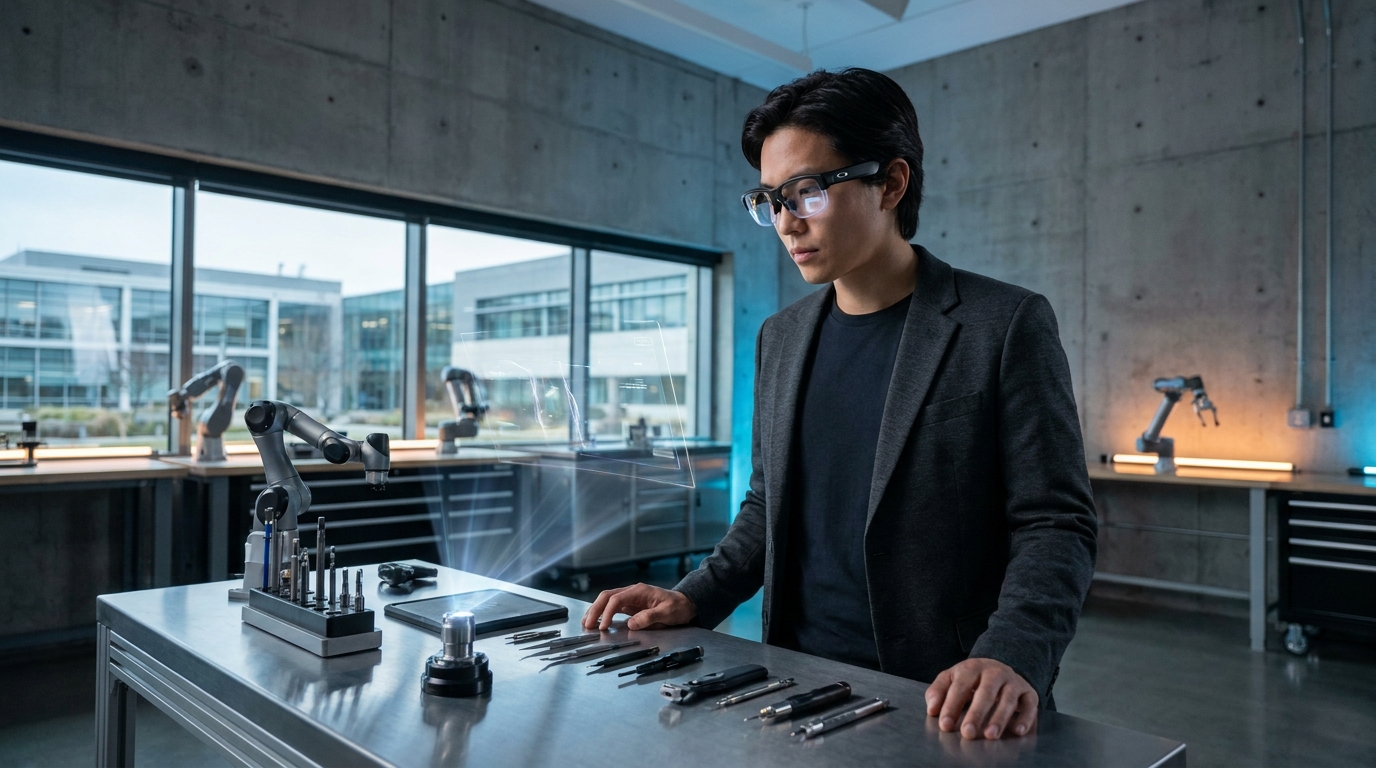
The new funding will also support Viture's product line expansion. Ar Insider Guest reports that Viture launched its third-generation lineup, including the Luma Series and its flagship 'The Beast,' in the latter half of 2025. Additionally, the company partnered with CD Projekt RED in December for a limited edition Cyberpunk 2077 collaboration. Viture co-founder and CMO Emily Wang told Ar Insider Guest that the 10,000 units of the Luma Cyber XR Glasses 'sold out way faster than the company expected.' Beyond consumer hardware, Ar Insider Guest notes Viture's expansion into enterprise and medical use cases, including a joint initiative with Nvidia and Stanford Medicine announced last October, which will be demonstrated again at Nvidia GTC in March, incorporating robotic arms.
Ar Insider Guest also highlights the ongoing patent dispute between Viture and Xreal. Earlier this year, a German court reportedly granted Xreal a preliminary injunction concerning birdbath optics used in Viture's Pro model, temporarily restricting its sales in Germany. Xreal has also filed a patent infringement lawsuit in Texas targeting Viture's U.S. operations. Viture has engaged Cooley LLP as counsel and has 'initiated its own proceedings in China and is challenging the claims,' Ar Insider Guest states.
Wang declined to discuss the specifics of the litigation with Ar Insider Guest but provided a statement: 'As an official response to Xreal's litigation, Viture confirms that it has already taken affirmative legal action to protect its rights. This includes initiating patent infringement proceedings against Xreal in China, as well as separate legal action addressing false and harmful statements made by Xreal concerning Viture and its products. While Viture did not seek to be drawn into litigation, the company will not hesitate to enforce its intellectual property rights and pursue all appropriate legal remedies available under applicable law.'
Our take: Viture's substantial fundraising success underscores the escalating investor confidence in the "display glasses" segment as a viable, profitable niche within the broader XR market. While dedicated augmented reality (AR) glasses struggle to find mass adoption, the demand for portable, private screens for gaming and content consumption is clearly resonating with consumers. The IDC data cited by Ar Insider Guest indicates a clear lead for Viture in the critical U.S. market, a testament to effective product-market fit. We've been tracking the patent disputes in this sector, and Viture's aggressive legal countersuit signals a mature, competitive landscape where intellectual property will be fiercely defended as companies vie for market dominance. This capital injection firmly positions Viture to accelerate its roadmap and deepen its market penetration, potentially challenging the notion of display glasses as merely a 'niche accessory' and pushing them closer to a more integrated role in spatial computing.
Interactive guide — prices, displays, cameras, battery.
Share this story