Analysis · —
The Silent Takeover: Why Display-Less AI Glasses Are the Real Mass Market Play
While the industry fixates on grandiose AR displays, a more pragmatic revolution is unfolding. Discreet, AI-first eyewear is quietly conquering our faces, proving that less screen is truly more.
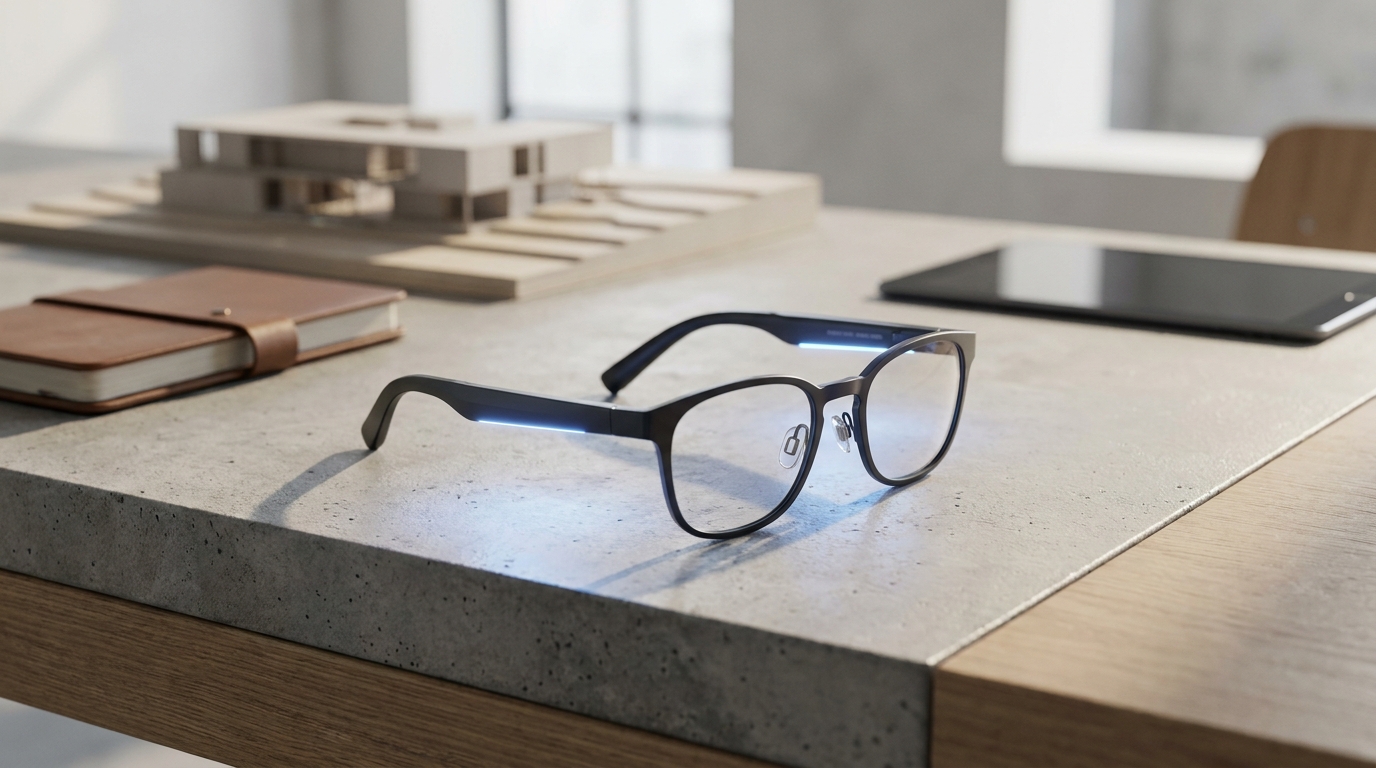
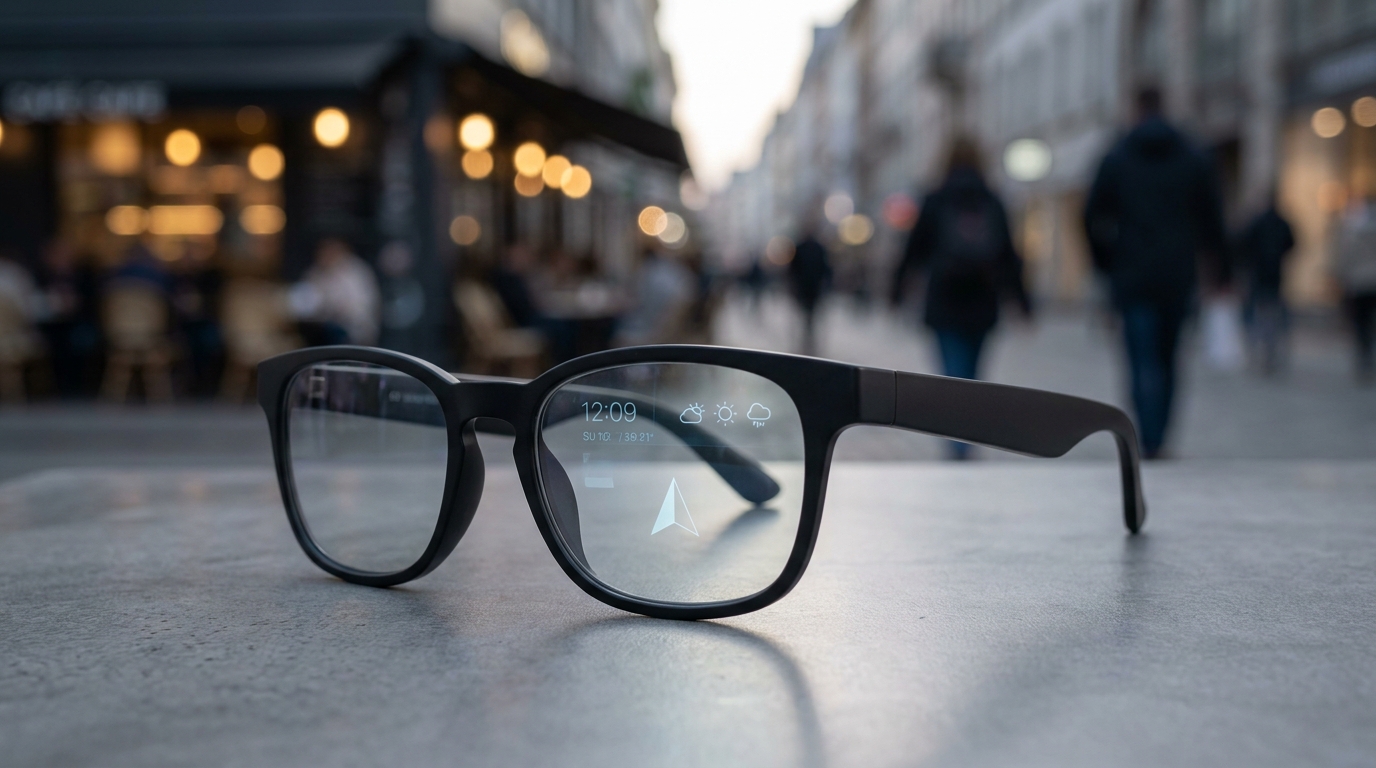
The smart glasses industry is undergoing a fundamental realignment, a decisive shift that many are still unwilling to acknowledge. For years, the prevailing narrative fixated on immersive, full-color AR displays, promising to plaster digital overlays across our entire field of view. Yet, a clear market signal indicates otherwise: the mass consumer simply does not want screens plastered across their face.
The obsession with high-fidelity immersion, a path pioneered by devices like the Apple Vision Pro, has consistently missed the point of true mass adoption. Meta, in its own peculiar way, achieved a silent victory with its Ray-Ban AI glasses, demonstrating that pervasive intelligence, not immersive isolation, is the path to winning the future. This subtle, AI-first approach has quietly outmaneuvered the bulky, high-friction alternatives.
Take, for example, the recent 'MA VIE WORLD TOUR' documentary featuring Doja Cat, filmed predominantly on Ray-Ban Meta smart glasses. This project highlights genuine utility, offering an immersive, first-person perspective without ever needing an overlay display. It perfectly exemplifies how discreet, camera-first interaction can provide unique value without overwhelming the user with visuals.
The real frontier is always-on AI, the 'ghost in the machine' that operates seamlessly in the background. Meta's groundbreaking Muse AI agent, slated for smart glasses, demonstrates this unprecedented potential for pervasive, intelligent eyewear. Muse is not merely a chatbot, it is a sophisticated agent designed to execute complex tasks autonomously and drastically reduce smartphone reliance.
This shift demands a different kind of hardware, one that prioritizes comfort, discretion, and battery life over dazzling, power-hungry visuals. Manufacturers are clearly getting the message. Samsung's 'Intelligent Eyewear,' for instance, is anticipated to weigh a mere 41 grams with standard lenses, positioning it as significantly lighter than many rumored alternatives.
This focus on lightweight, less intrusive design aligns perfectly with Alibaba's strategic move into consumer electronics. Their launch of new AI glasses priced at $450 puts them squarely in the accessible, sub-$500 segment. This is not just a product launch, it signifies Alibaba's serious intent to integrate AI into daily consumer hardware at a mass-market price point.
Contrast this with the continued, yet niche, push for full AR displays. The ASUS ROG XBOX Ally X20, a premium gaming handheld, bundles ROG XREAL R1 Edition 20 Gaming AR Glasses, creating a $2,499 package. Similarly, VR and mixed reality titles like 'Loony Laps' target the Meta Quest family, embracing a specialized, immersive gaming experience.
These immersive devices serve a specific purpose, primarily entertainment and niche productivity, but they are not the true conduits for everyday, always-on AI. The mass market has made its stance unequivocally clear: it does not want screens plastered across its face. Persistent privacy backlashes and thermal issues, which plagued Meta's initial camera-first strategy, further underscore this preference for discreet devices.
The 'silent comeback' of HUD-only or entirely display-less smart glasses signals a critical course correction for the entire industry. It is a strategic adaptation to user preferences, battery limitations, and the fundamental purpose of pervasive AI. Devices prioritizing utility and user comfort are emerging as the true leaders, not those chasing grandiose visual spectacles.
This pragmatic revolution extends beyond individual product choices, touching on broader geopolitical contests. The year 2026 marks a decisive inflection point in the smart glasses arena, with the race between USA-led innovation and China's formidable tech ambitions intensifying. A privacy-first, less intrusive design strategy may prove more appealing to Western consumers.
Ultimately, the battle for our faces is intensifying, but the victor will likely be the technology that fades into the background, providing intelligent assistance without demanding constant visual attention. The future of smart glasses lies in the peripheral, in the subtle nudge, the whispered insight, not in the overpowering digital overlay.
The industry's fixation on immersive displays has been a costly detour. The real prize, the actual mass market, awaits the smart glasses that embrace subtlety, prioritize seamless AI integration, and understand that for many, the best screen is no screen at all. This is the era of the intelligent whisper, not the digital shout.
Interactive guide — prices, displays, cameras, battery.
Share this story