Analysis · —
The Ghost in the Peripheral: HUD-Only Glasses Quietly Conquer Your Face
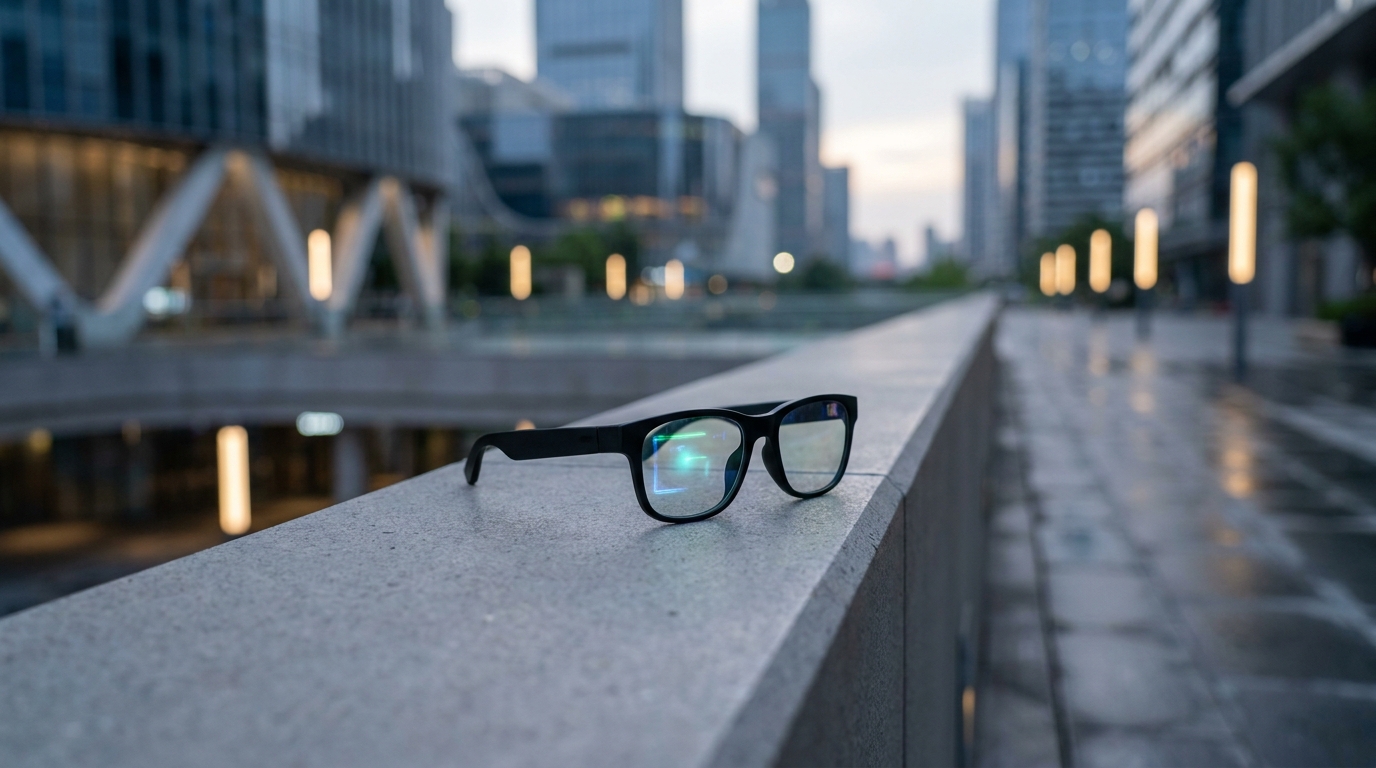
While the industry fixates on grandiose AR displays, a more pragmatic revolution is unfolding. Discreet, HUD-only devices are emerging as the true conduits for always-on AI.
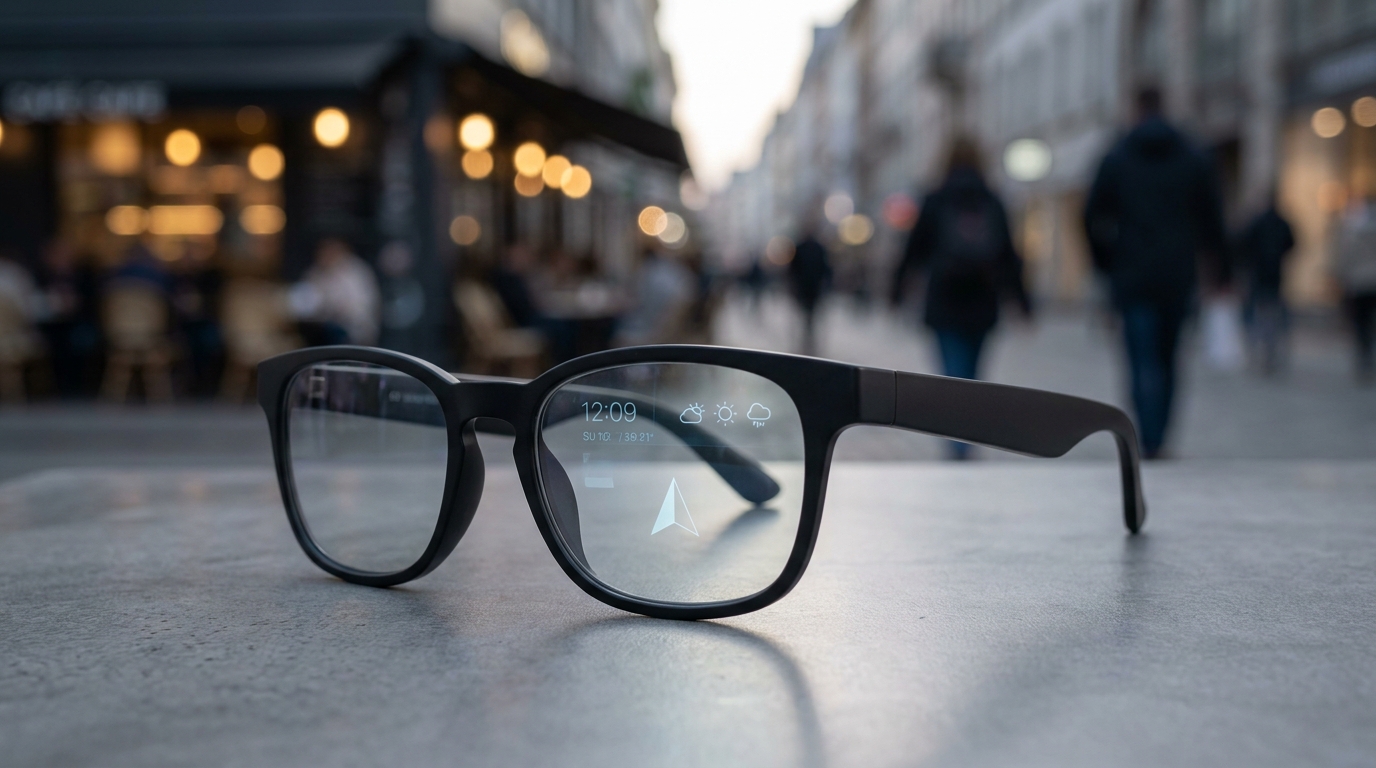
The smart glasses industry is undergoing a fundamental realignment. For years, the prevailing narrative fixated on immersive, full-color AR displays, promising to plaster digital overlays across our entire field of view. Yet, a clear market signal indicates otherwise: the mass consumer simply does not want screens plastered across their face.
Meta, in its own peculiar way, achieved a silent victory with its Ray-Ban AI glasses, demonstrating that pervasive intelligence, not immersive isolation, is the path to mass adoption. This subtle, AI-first approach has quietly outmaneuvered the bulky, high-friction path pioneered by devices like the Apple Vision Pro, underscoring discretion as a dominant factor in consumer preference.
This shift is not merely an observation; it is a critical course correction for the entire smart eyewear sector. We are witnessing the silent comeback of HUD-only, or even display-less, smart glasses, championed by innovators such as Even Realities and Brilliant Labs. These companies understand that the future of AI eyewear lies in utility and unobtrusiveness, not visual spectacle.
The underlying drive for this pivot is clear: the quest for always-on AI. Agents like Meta's Muse, a sophisticated AI designed to execute complex tasks and anticipate needs, promise to reshape our daily interactions by moving computation from our pockets to the periphery of our vision and hearing. HUD-only glasses are the ideal, non-distracting conduit for this 'ghost in the machine'.
Meta's own journey with its camera-first Ray-Ban AI glasses, while successful, consistently generated privacy backlashes and thermal issues. This highlights a crucial point: even a dominant player struggles when its technology feels too intrusive or problematic. The market has loudly rejected pervasive surveillance in favor of devices that prioritize user comfort and discretion.
The industry's response to this demand for discretion is evident in product design. Consider Samsung's anticipated 'Intelligent Eyewear' or 'Galaxy Glasses', which are set to weigh approximately 41 grams. This remarkably light form factor signals a clear move away from heavy, cumbersome devices and towards true all-day wearability, a characteristic HUD-only designs inherently champion.
Even Alibaba has entered the fray, launching $450 AI glasses, which underscores the market's burgeoning interest in accessible, AI-integrated eyewear. This price point often indicates a focus on core AI functionality and a more restrained display approach, prioritizing practical value over high-fidelity visual immersion.
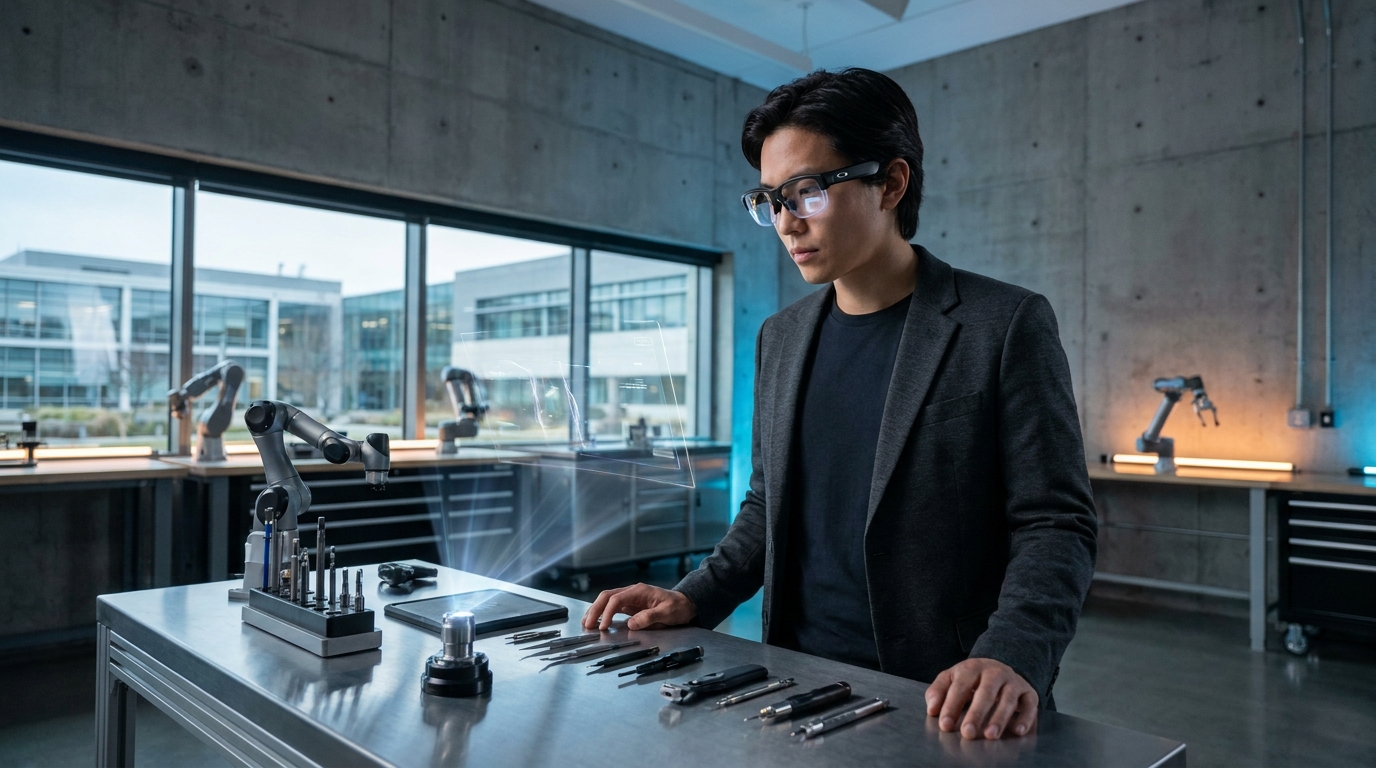
Beyond consumer electronics, the trend toward discreet utility is equally pronounced in specialized applications. Oakley's strategic play with the Meta Vanguard, for example, consciously avoids the consumer display market. Instead, it targets performance and enterprise with AI-powered audio and camera glasses, now even available with clear lenses for industrial use.
The clear-lens Oakley Meta Vanguard directly addresses a massive commercial opportunity: integrating AI glasses into factories, warehouses, and field service. This specialized, utility-first approach, prioritizing data capture and hands-free assistance over visual overlays, bypasses the consumer's reluctance for face-mounted screens.
Furthermore, the conversation around open platforms versus walled gardens, as seen with Meta's proprietary Muse AI, adds another layer to this shift. While Muse is powerful, its closed system may stifle innovation, creating an opening for open, HUD-only platforms like Brilliant Labs. These platforms empower independent builders, fostering a wider ecosystem of discreet, AI-powered applications.
The geopolitical contest between USA-led innovation and China's formidable tech ambitions in smart glasses also influences this trajectory. As Western brands grapple with privacy and battery life, a pragmatic, less visually intrusive approach can offer a more stable path to market acceptance and global dominance.
The 'silent comeback' is not a technological retreat; it is a strategic adaptation, a refined understanding of what consumers truly want from AI on their faces. It prioritizes utility, user comfort, and seamless integration, making the smartphone feel increasingly anachronistic for many daily tasks.
Ultimately, the smart glasses that will define this era are those that disappear into our lives, serving as intelligent companions rather than demanding our constant visual attention. The future of AI eyewear is increasingly clear: it resides in the periphery, quietly enhancing our reality, not replacing it with digital noise.
Interactive guide — prices, displays, cameras, battery.
Share this story