Analysis · Meta
The Silent Revolution: Why Display-Less AI Glasses Are The Real Mass-Market Play
While the industry chases immersive displays, the quiet triumph of AI-first, screen-free smart glasses reveals a smarter path to widespread adoption. Practicality and privacy, not pixels, are driving the next wave of wearable intelligence.

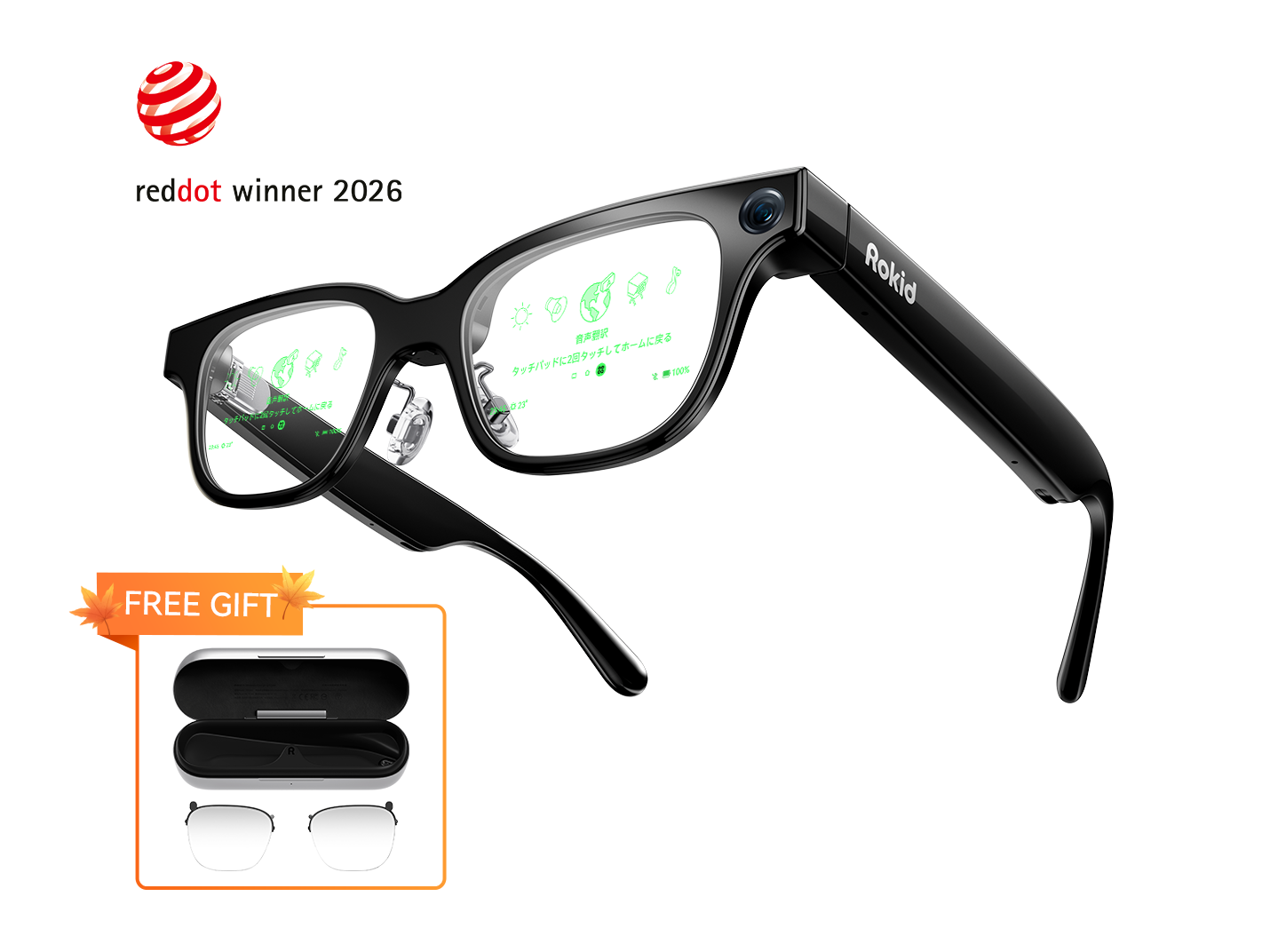
The smart glasses market is bifurcating, and the real mass-market winner is not the one grabbing headlines with theoretical immersive displays. While companies like Viture hint at brighter screens and enhanced comfort, promising a future of high-fidelity AR, the truth is that display-less AI glasses are quietly, effectively, eating the industry's lunch.
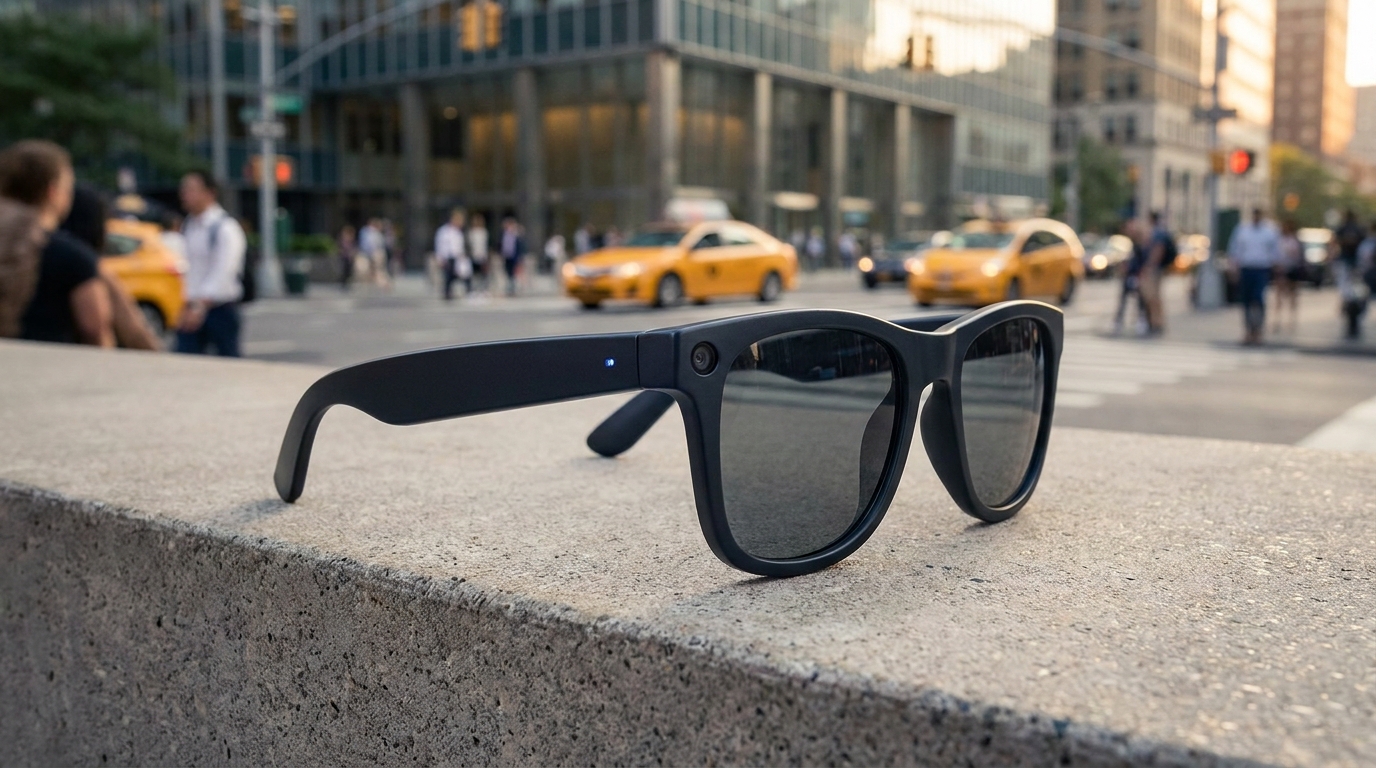
Consider Meta's recent trajectory. Their Ray-Ban smart glasses, fundamentally display-free audio/camera devices with AI capabilities, have seen usage triple and sales push into the millions, becoming a 'dominant driver' for EssilorLuxottica's wholesale growth.
This isn't happening because people crave an invisible screen; it's happening because Meta delivered accessible, stylish AI augmentation without the baggage of a bulky, power-hungry display. The Gadgeteer explicitly praises Meta's Ray-Ban lineup for avoiding 'looking like tech on your face', a crucial ergonomic and social hurdle that display-equipped devices consistently fail to clear.
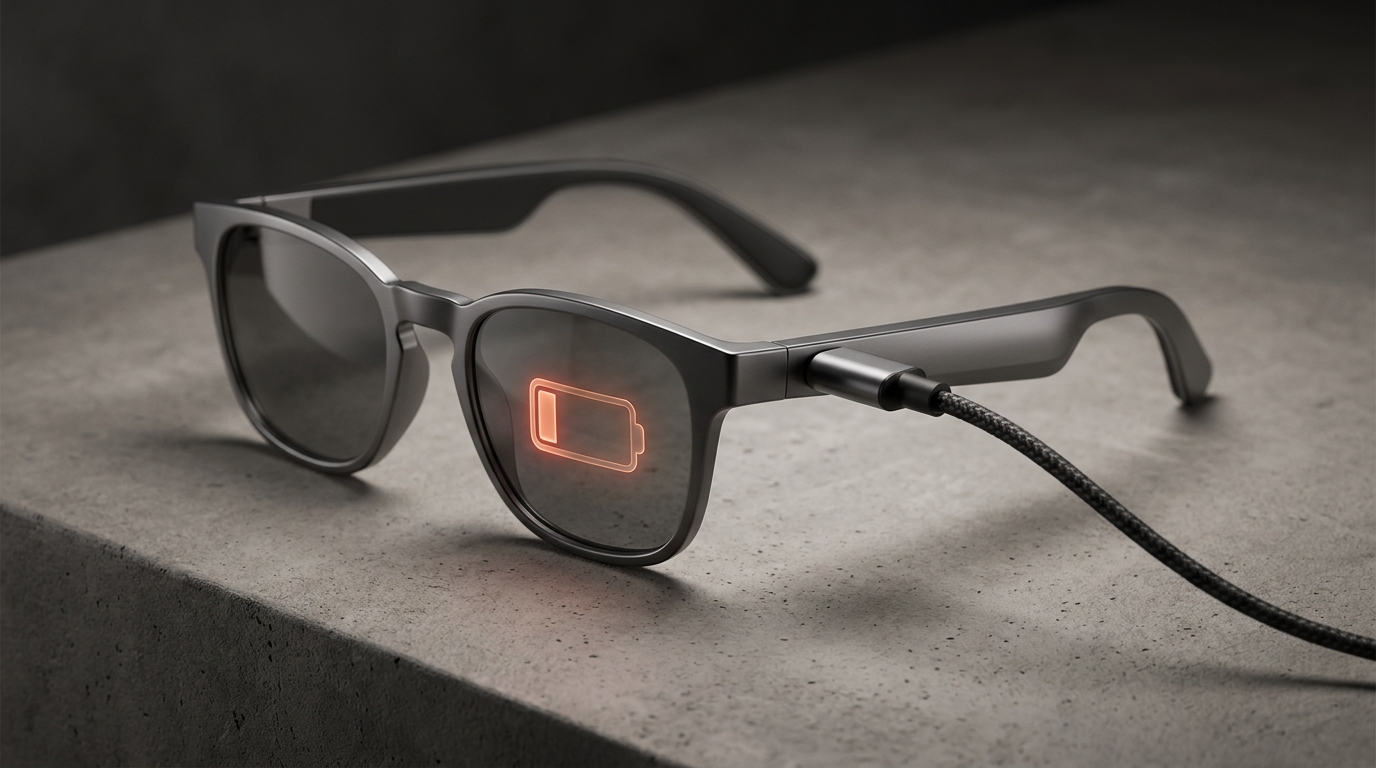
Meta's $800 Display Glasses, despite a vital May 2026 software update improving AR features and Instagram integration, still grapple with fundamental issues like weight and battery life, as reported by Geeky Gadgets. This points to the inherent trade-offs of integrating visual displays: they add bulk, reduce battery performance, and often scream 'early adopter' rather than 'everyday tech.'
The market is clearly delineated, with Meta's Display Glasses at the $799 high-end and simpler Ray-Ban models setting the standard for discretion. The mass adoption observed with the Ray-Ban Meta devices, with EssilorLuxottica confirming 7 million units sold in 2025 and tripling daily usage, underscores a preference for subtlety and function over flash and high-fidelity visuals.
The advancements in display-less AI are making these devices genuinely useful, even life-changing. Meta's initiative to provide AI-powered smart glasses to visually impaired veterans highlights their assistive capabilities, moving beyond novelty into essential daily support, as covered by CBS News.
Furthermore, Meta has significantly opened its platform for the Ray-Ban line, releasing the Wearables Device Access Toolkit. This allows for custom applications, including AI-powered productivity tools and accessibility solutions, as Geeky Gadgets noted in June, further cementing their utility without relying on a display.
This growth, however, comes with its own set of challenges, particularly around privacy. The discrete nature of these camera-equipped devices means they are subject to intense scrutiny, with Pennsylvania proposing legislation to mandate visual recording indicators and ban modifications, as reported by PhoneArena and Yahoo Finance. This legislative push is a direct response to the popularity and discretion of devices like Meta Ray-Ban.
The fact that modders are actively disabling the privacy light on Meta's smart glasses, as PCMAG reported in June, exposes a core tension. The very discretion that drives mass appeal also fuels significant privacy concerns, necessitating careful regulatory navigation.
Even Meta itself had to backtrack on controversial facial recognition technology in its AI companion app, as the EFF reported. This decision, following public pressure, confirms that intrusive, display-less AI features, while powerful, must be handled with extreme caution and transparency to maintain public trust.
Despite these privacy growing pains, the fundamental appeal of display-less smart glasses remains. They offer immediate access to AI capabilities, hands-free communication, and subtle personal augmentation without the aesthetic and practical compromises of full-blown AR displays. The 'silent HUD comeback' is not a regression, but a pragmatic evolution.
The choice isn't between innovation and practicality; it's about what kind of innovation resonates with real users for everyday life. And increasingly, that's the kind that seamlessly integrates intelligent assistants into perception and interaction, without putting a screen in the way.
The clear data, from market sales to usage metrics, proves it: display-less AI glasses are not merely a niche product, but the dominant, fastest-growing category, poised to become truly ubiquitous. The future of smart eyewear is not about what you see, but what you can do, invisibly.
This isn't to say display glasses have no future, but their path is a high-end, niche one, still struggling with basic utility. The mass market, however, has already spoken, opting for discreet AI that enhances reality, rather than attempting to overlay it.
Interactive guide — prices, displays, cameras, battery.
Share this story