Analysis · —
The Silent Revolution: Why Display-Less AI Glasses Are the Real Mass-Market Play
While the industry chases immersive displays, the quiet triumph of AI-first, screen-free smart glasses reveals a smarter path to widespread adoption. Practicality and privacy, not pixels, are driving the next wave of wearable intelligence.
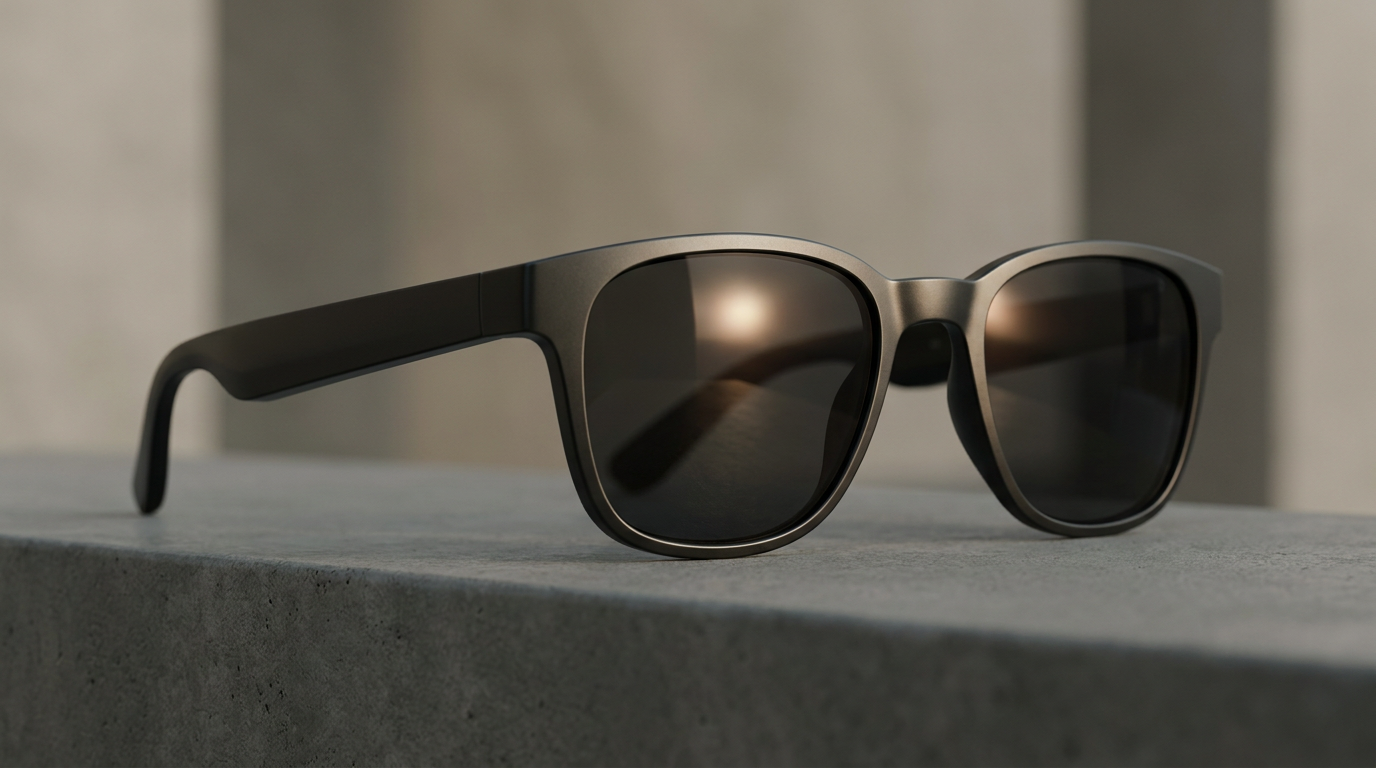
The smart glasses market is bifurcating, and the real mass-market winner is not the one grabbing headlines with theoretical immersive displays. While companies like Viture hint at brighter screens and enhanced comfort, promising a future of high-fidelity AR, the truth is that display-less AI glasses are quietly, effectively, eating the industry's lunch.
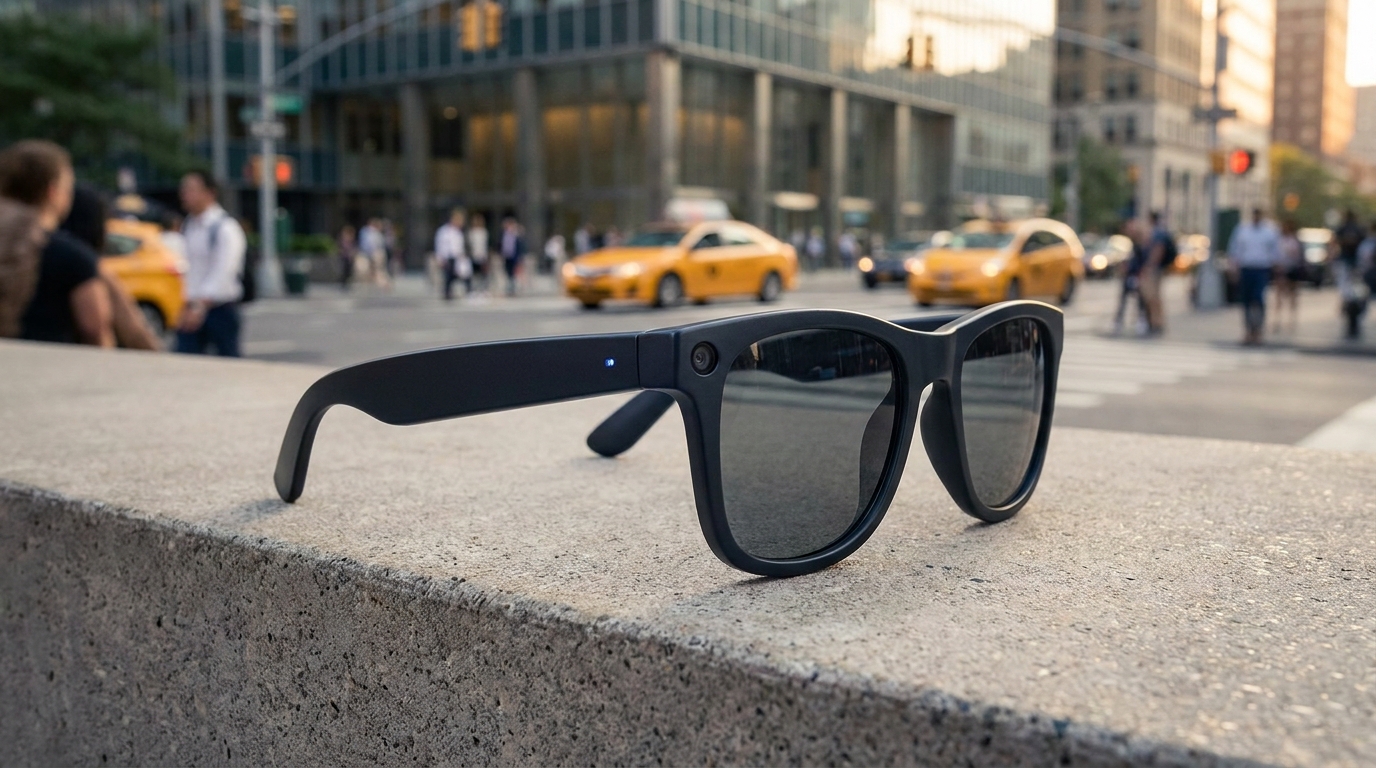
Consider Meta's recent trajectory. Their Ray-Ban smart glasses, fundamentally display-free audio/camera devices with AI capabilities, have seen usage triple and sales push into the millions, becoming a "dominant driver" for EssilorLuxottica's wholesale growth. This isn't happening because people crave an invisible screen; it's happening because Meta delivered accessible, stylish AI augmentation without the baggage of a bulky, power-hungry display.
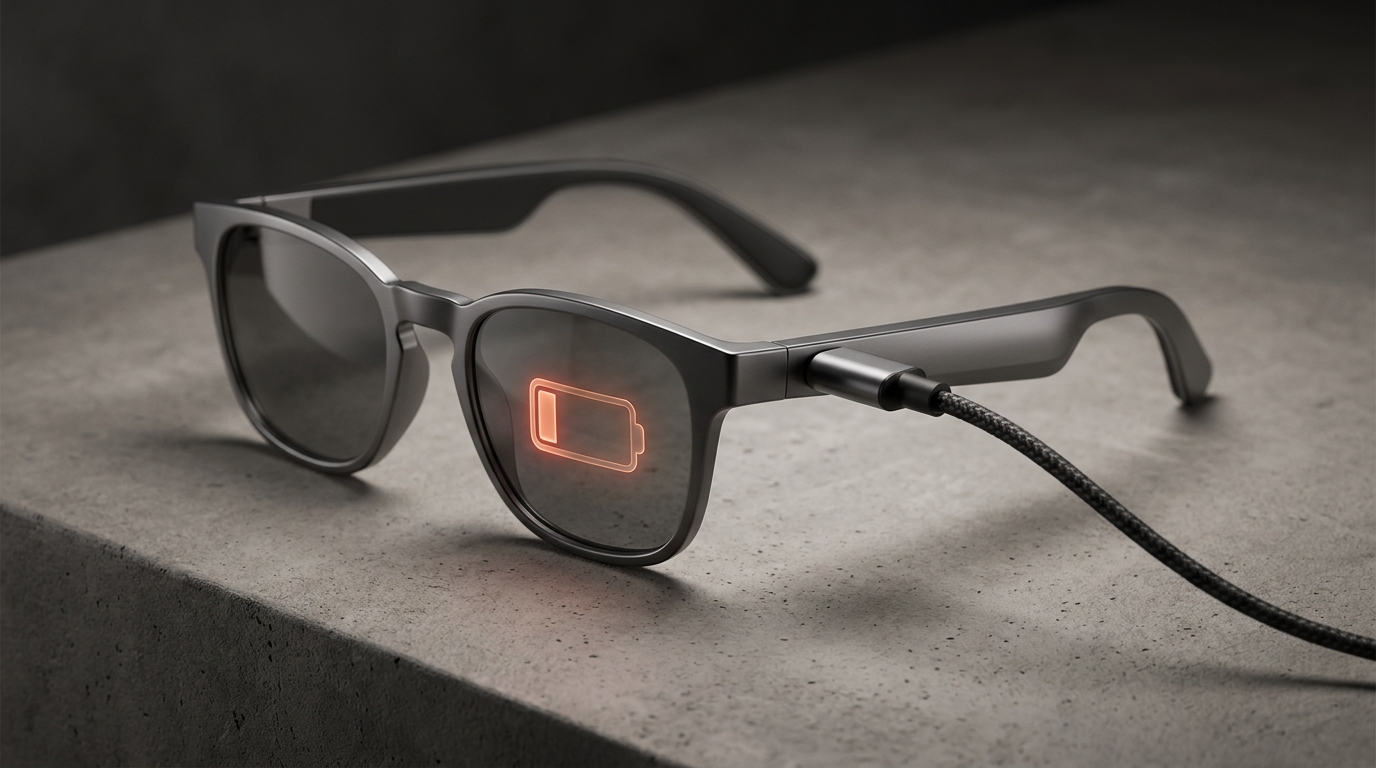
The inherent problem with full-display AR, as we've consistently argued in "The Ghost in the Machine" and "The Silent HUD Comeback," remains power. Every pixel, every rendered environment, every immersive video experience Amplium helps curate for the Apple Vision Pro, taxes the battery mercilessly. Devices promising "all-day wear," like the INMO GO3 with its ambitious translation features, are immediately suspect when they rely on a display for core functionality.
This power-hungry display paradigm directly impacts practicality and, crucially, user acceptance. When Meta attempts to integrate complex features like "Palm Unlock" or "Posture Detection" into its Ray-Ban glasses, it's doing so on a platform designed to be lightweight and efficient. These are AI enhancements, not visual overlays, and they draw less power than rendering a persistent digital world.
The shift away from displays also sidesteps a significant portion of the privacy debate plaguing current smart glasses. While Pennsylvania, for instance, is pushing legislation mandating visual recording indicators and banning modifications due to concerns over devices like Meta's Ray-Bans, display-less AI glasses often alleviate some of these fears by being less inherently intrusive.
The key is in the perception of functionality. Recording an environment stealthily, as modders demonstrated by disabling Meta's privacy light for a fee, generates a public outcry. But AI glasses used for assistive purposes, like Meta's initiative to provide its AI glasses to visually impaired veterans, are hailed as a benevolent application of technology, not a privacy threat.
This highlights a critical distinction: unobtrusive AI assistance versus overt visual recording. When AI glasses are framed as tools to enhance perception or accessibility, like helping a veteran identify objects, the lack of a display actually works in their favor. The focus shifts to the intelligence, not the potential for surreptitious capture.
Even Meta, a company that has repeatedly pushed the boundaries of what consumers will accept, has had to backtrack on controversial features. The quiet removal of facial recognition code from its Meta AI companion app for smart glasses, following public backlash and reports from WIRED and the EFF, illustrates the public's low tolerance for surveillance features.
The market is telling us something clear: people want smart assistance, not necessarily smart displays on their faces. The success of Meta's display-less glasses, paired with the ongoing battery and privacy challenges for full-AR devices, underscores this. The less a device intrudes visually, the more readily it will be adopted, especially if it delivers genuine, practical AI utility.
Therefore, the future of mass-market smart glasses isn't about sharper optics or more immersive AR environments. It's about clever, energy-efficient AI engines providing subtle, real-world assistance without the added bulk, cost, and social awkwardness of a display. The most powerful smart glasses will be the ones you barely notice, until they whisper the answer in your ear.
Interactive guide — prices, displays, cameras, battery.
Share this story