Analysis · —
The Silent Conquest: How XREAL, RayNeo, and Rokid Are Dominating the AR Display War
While industry giants stumble, a trio of display-focused companies is quietly seizing control of augmented reality's most critical component. They're leveraging a market shift towards utility and the democratization of cutting-edge optics.
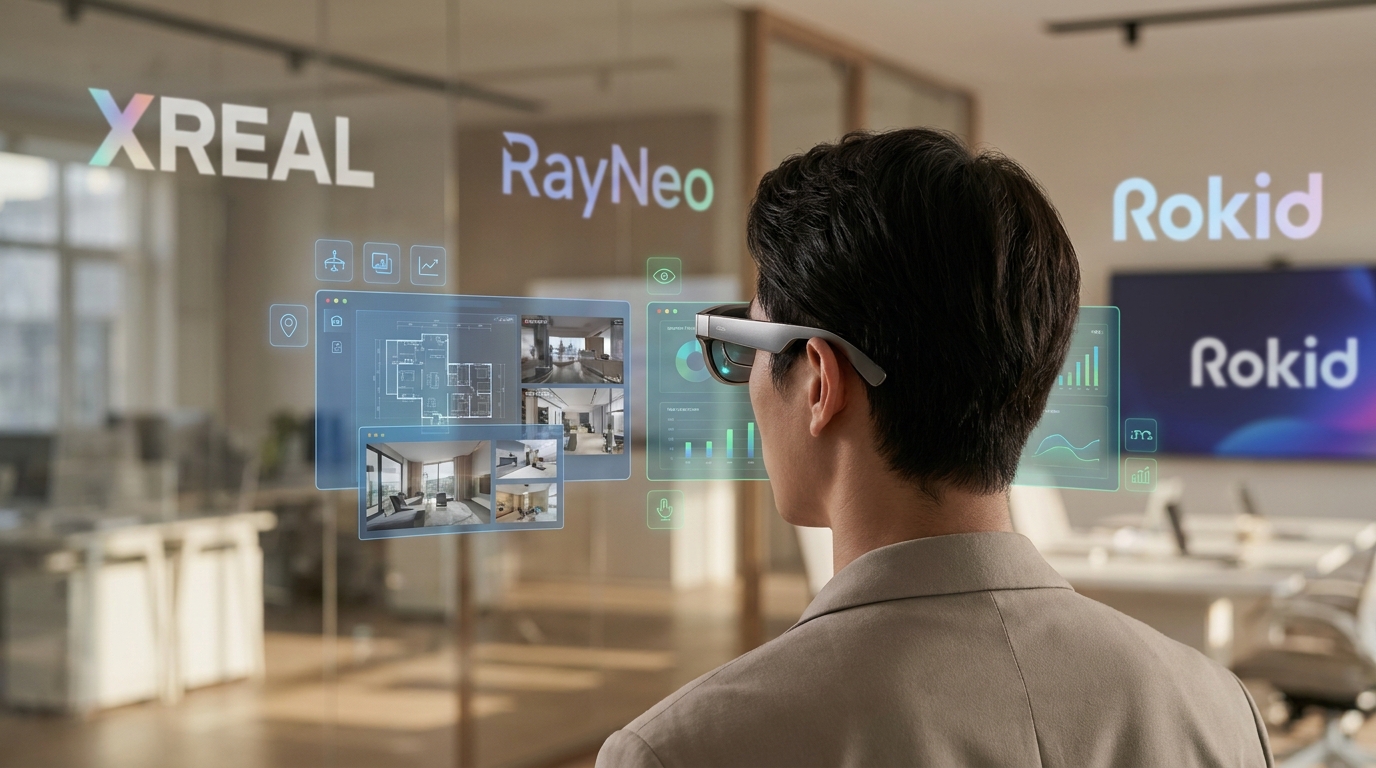
The smart glasses market remains a chaotic landscape, a testament to ambition often outrunning execution. Beneath the ceaseless cycle of hype and privacy debacles, a more fundamental, more potent revolution is quietly unfolding. This isn't about cameras or social media integration; it's about the very core of augmented reality: the display.
While established players wrestle with privacy concerns and regulatory hurdles, companies like XREAL, RayNeo, and Rokid are methodically consolidating their lead in the crucial AR display segment. They are poised to dominate the visual hardware that will enable the next generation of smart eyewear, setting the stage for a display-first future.
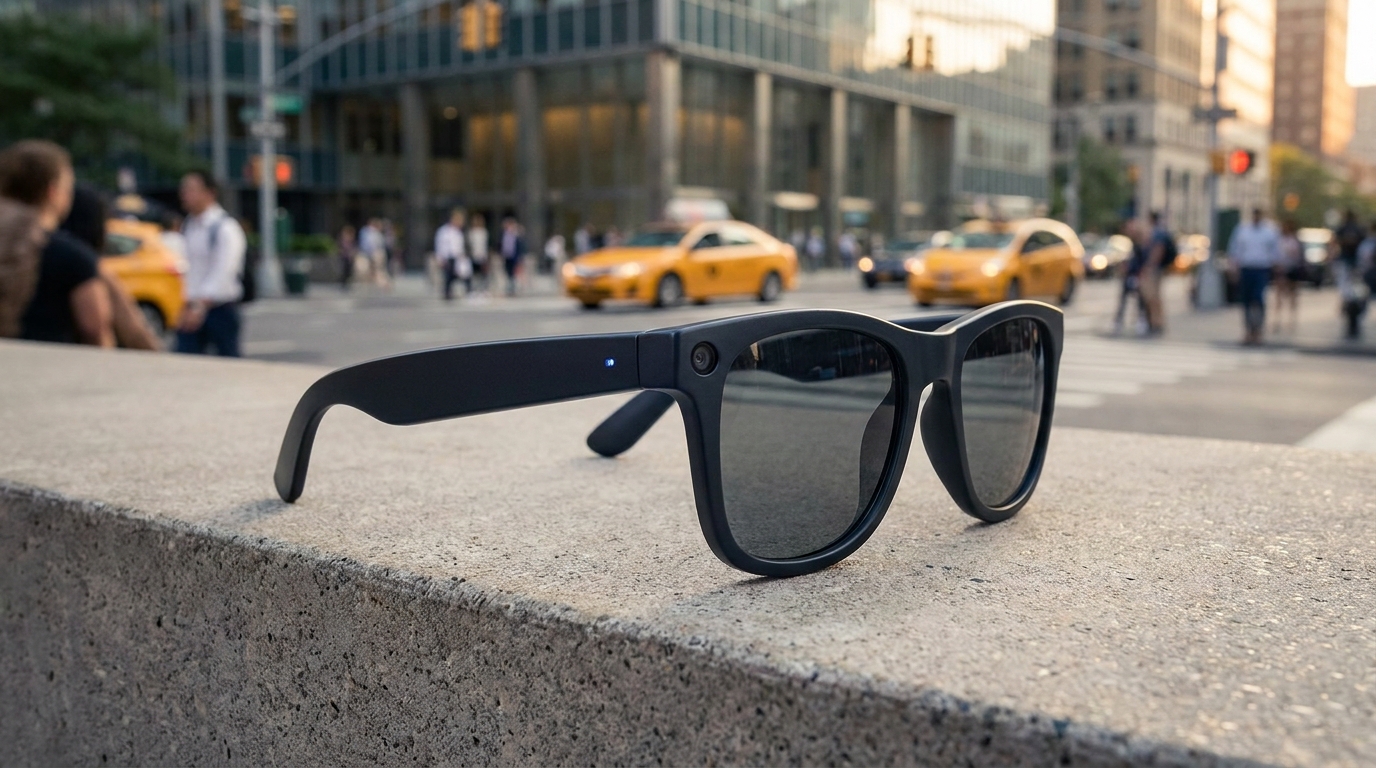
The market is clearly bifurcating. Consumer privacy concerns, starkly illustrated by activist campaigns hijacking Meta smart glasses ads in London to warn of surveillance, are pushing the industry away from camera-first social devices. A new era of utility-focused, open smart eyewear is empowering developers and builders, and these applications demand superior displays.
A pivotal development in this display war is Magic Leap's strategic pivot. This long-standing AR pioneer has abandoned building its own first-party devices, instead focusing on supplying advanced waveguides and integration expertise to partners. This move democratizes access to high-performance display technology, effectively making top-tier optics available to a broader array of manufacturers.
This seismic shift directly benefits companies specializing in display integration. While Magic Leap provides the raw, intricate optics, brands like XREAL, RayNeo, and Rokid are integrating these or similar cutting-edge components into refined, market-ready products. They are the crucial link translating complex core technology into compelling, practical user experiences.
XREAL, for instance, offered a clear demonstration of its display prowess by partnering with ASUS for the ROG Ally X20 handheld PC bundle. Despite public discontent over the overall package cost, ASUS chose XREAL's R1 AR gaming glasses, a significant endorsement of their display quality for demanding visual applications. This partnership signals trust from a major gaming hardware player.
Beyond gaming, the surging demand for virtual desktops and enhanced professional productivity is a massive driver for advanced displays. The INAIR 2 Elite Suite, promising up to six virtual screens, and Monako Glass, marketed as an "ultra-light AI coding workstation," epitomize this trend. These demanding applications require crisp, high-resolution, high-refresh-rate displays that XREAL, RayNeo, and Rokid are delivering.
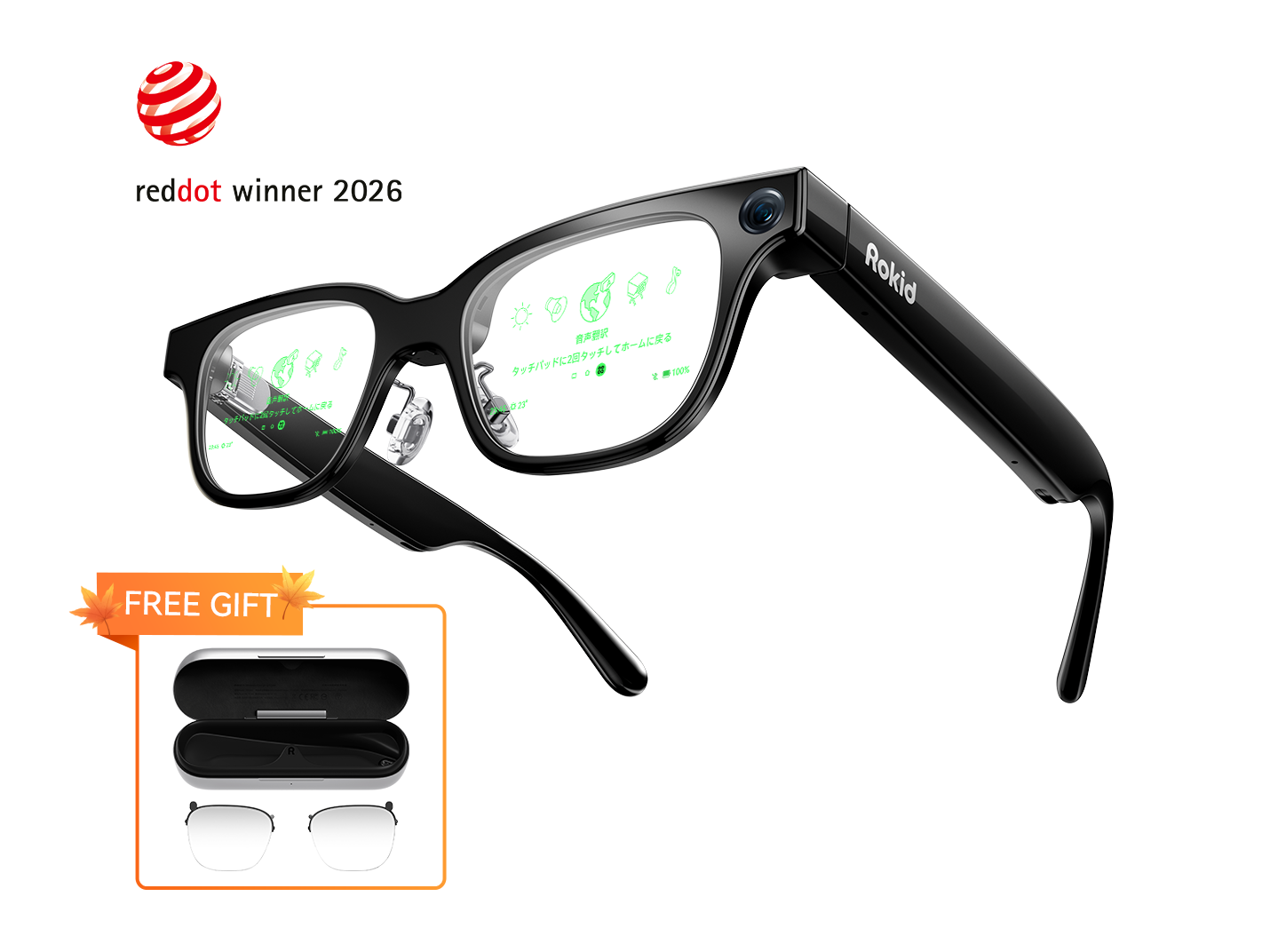
RayNeo and Rokid, operating in the same critical segment as XREAL, are equally well-positioned to capitalize on these shifts. They specialize in lightweight, display-centric AR glasses that cater to both immersive entertainment and productivity use cases. Their continued investment in micro-LED and advanced waveguide technology places them squarely at the forefront of this display revolution.
Google's imminent Android XR "coup" will further solidify this display-first dominance. By establishing a unifying, open standard for smart glasses, Android XR will create a standardized software ecosystem. In such an environment, hardware differentiation- particularly display quality and performance- becomes paramount, making manufacturers increasingly reliant on proven display providers.
The rise of companies like Even Realities and their G2 Display Smart Glasses, with a clear focus on "quiet tech" and genuine utility, further validates this trajectory. They prioritize substance over camera gimmicks, emphasizing advanced micro-LED displays and waveguide lenses, a philosophy that aligns perfectly with the strengths of XREAL, RayNeo, and Rokid.
The market is demonstrably moving beyond chasing elusive mainstream consumers with privacy-invasive features. Instead, the focus is shifting to specialized tools and immersive experiences that genuinely enhance daily life, whether for gaming, complex coding, or expansive virtual desktops. The current "Decoding 2026 Smart Glasses" report clearly shows a growing demand for display-equipped models as price points climb.
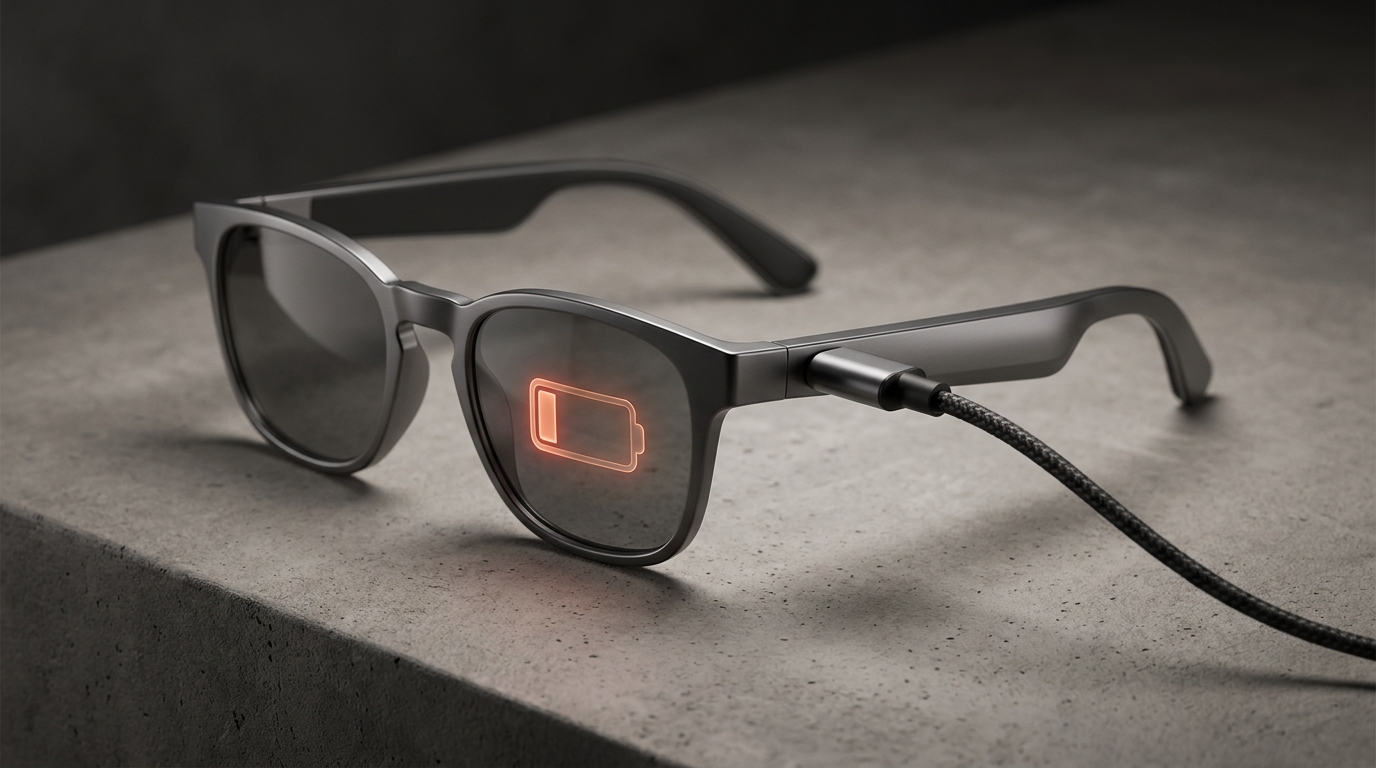
Even the industry's perennial challenge, battery life, implicitly underscores the importance of efficient display technology. Waveguide and micro-LED solutions, championed by these display-first companies, are inherently more power-efficient than many other display types. This offers a crucial, unspoken advantage in the relentless race for extended use and untethered experiences.
While headlines may often fixate on the drama of larger, more generalized players, the quiet architects of AR's future are these focused display specialists. XREAL, RayNeo, and Rokid are not merely shipping smart glasses; they are shipping the critical visual infrastructure that will define the next decade of augmented reality. They are winning the display war, one pixel-perfect virtual screen at a time.
Interactive guide — prices, displays, cameras, battery.
Share this story