Analysis · —
The Invisible Interface: Why Display-Less AI Glasses Are the Real Mass-Market Play
The smart glasses industry is obsessed with displays, pushing complex AR at astronomical prices. But the quiet revolution, epitomized by affordability and audio-first design, reveals the true path to widespread adoption.

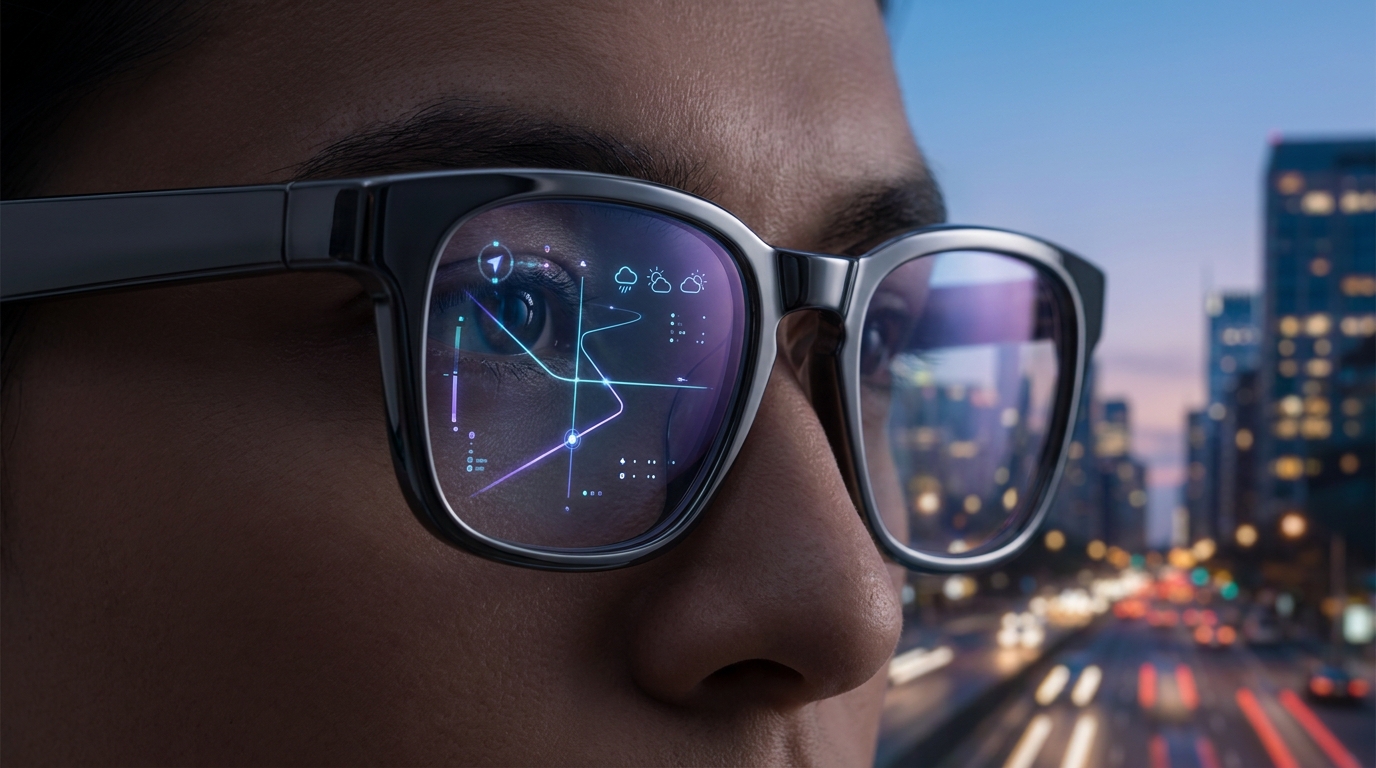
The smart glasses market is a fragmented battleground, dominated by high-stakes bets on augmented reality and in-lens displays. Snap's Specs, at a staggering $2,195, promises a 'see-through computer,' while Meta's Ray-Ban Display offers in-lens translation for $799. Even smaller players like Rokid and INMO are pushing display-centric models for live translation and digital overlays. Yet, amid this race to beam pixels into our eyeballs, the most viable path to mass-market appeal remains largely ignored: the display-less, AI-first wearable.
The emphasis on complex AR displays overlooks a fundamental truth about consumer behavior: people don't want clunky, expensive tech that screams 'gadget.' Consider the Ray-Ban Meta, a device that strategically prioritizes audio, camera, and AI capabilities over a sophisticated visual overlay. This partnership between Meta and EssilorLuxottica understands that aesthetic integration and unobtrusive function will drive mainstream adoption far more effectively than theoretical holographic interfaces. It's a clear signal that for many, the 'killer app' isn't projected information, but seamless interaction and capture.
While high-end brands like Specs position smart glasses as luxury wearables, an entirely different narrative is unfolding at the other end of the spectrum. BlackSheep's AG18 Smart AI Glasses, priced at an astonishing $64.95, shatter the perception that advanced eyewear must carry a premium tag. This aggressive pricing strategy from a Chinese entrant immediately democratizes AI interaction, forcing established players to re-evaluate their entire cost structure. BlackSheep isn't just selling a product; it is selling accessibility, a crucial ingredient for mass adoption.
The utility of display-centric glasses, while compelling for specific use cases like live translation, struggles against a simple hurdle: cost and complexity. Our *Smart Glasses Daily* comparison of live translation models highlights several options, from Meta to Halliday, all promising in-lens subtitles. However, these features, while impressive, often come with trade-offs in battery life, form factor, or outright expense. They cater to a specific need, not necessarily the broad-stroke daily utility required for widespread embrace.
Even Realities' G1 and G2 models, while offering visual capabilities, are primarily highlighted for their integration into diverse daily routines and specialized fields, from Twitch streaming to legal professions. The user vignettes emphasize productivity and daily connectivity, suggesting a value proposition that often transcends the mere projection of data. The stories illustrate how the glasses become tools, not just screens, for enhancing existing workflows and interactions.
Acer's calculated entry with two distinct models, rather than a single, all-encompassing one, further underscores the market's fragmentation. While they offer both AI and AR capabilities, their success will hinge on understanding the nuanced needs of different user segments. A display-heavy device might appeal to tech enthusiasts, but a simpler, AI-focused model will likely garner broader interest, especially if it can leverage Acer's mass-market manufacturing prowess.
The pursuit of AR dominance by tech giants like Snap and Meta, pouring billions into proprietary ecosystems, creates a high-stakes, closed-garden environment. Snap's 'true AR glasses' and Meta's metaverse ambitions are grand visions, but they demand a significant leap in consumer acceptance of a new computing paradigm. This top-down approach, while innovative, often locks out the very accessibility required for true market penetration.
Conversely, the open-source movement, exemplified by projects like Mentra, offers a pathway for democratized innovation. While industry giants battle for proprietary dominance, a quiet revolution is bubbling up from hackers and builders redefining smart glasses on their own terms. This movement, focused on utility and adaptability rather than proprietary displays, has the potential to foster a far more robust and user-centric ecosystem.
Android XR, while still proprietary, is a step towards a more consolidated operating system for smart glasses, potentially opening avenues for developers beyond closed ecosystems. Such a platform, paired with affordable, display-less hardware, could unlock a wave of innovative applications that prioritize contextual awareness and discreet interaction. It would shift the focus from what's *displayed* to what's *experienced*.
The 'silicon war' brewing between US tech giants and Chinese manufacturers further complicates the display-first narrative. While American companies unveil ambitious AR hardware, China's focus on cost-effective manufacturing and rapid innovation, as seen with BlackSheep, indicates a play for market share through accessibility. This battle isn't just about who innovates fastest, but who controls the supply chain to make it all affordable.
The paradox of smart glasses is clear: the more ambitious the display, the more niche the market. The industry's obsession with complex visual overlays distracts from the core value proposition of AI eyewear, which is often about enhanced audio, seamless capture, and intelligent assistance. These functionalities do not require a screen, and often thrive in the absence of one, preserving a natural human interface.
Ultimately, the mass market for smart glasses will not be won by the most advanced AR display or the most immersive metaverse experience. It will be won by the device that disappears, that integrates seamlessly into daily life without demanding conscious interaction with a visual interface. The future of smart glasses is not about what you see, but what you hear, what you capture, and how intelligently it augments your world, invisibly.
The Ray-Ban Meta's strategic pivot towards audio and AI over display technology, coupled with BlackSheep's disruptive pricing, points to this inevitable conclusion. The most successful smart glasses will be those that prioritize comfort, discreet functionality, and affordability, proving that the real power of AI eyewear lies not in projecting realities, but in augmenting our own, silently and effectively.
The notion that smart glasses must be 'see-through computers' equipped with sophisticated AR displays is a technologically driven fantasy, not a market reality. For true mainstream adoption, the industry must embrace the invisible interface, moving beyond the visual spectacle to deliver intelligent utility that doesn't demand constant attention or a hefty price tag. The display-less future is the accessible future.
Interactive guide — prices, displays, cameras, battery.
Share this story