News · Meta
NFC Charging Paves Way For Truly Sleek Smart Glasses
A new prototype demonstrates how Near Field Communication (NFC) wireless charging can match current smart glasses performance, potentially eliminating bulky pogo pins. This innovation could finally enable the sleeker designs the industry demands.
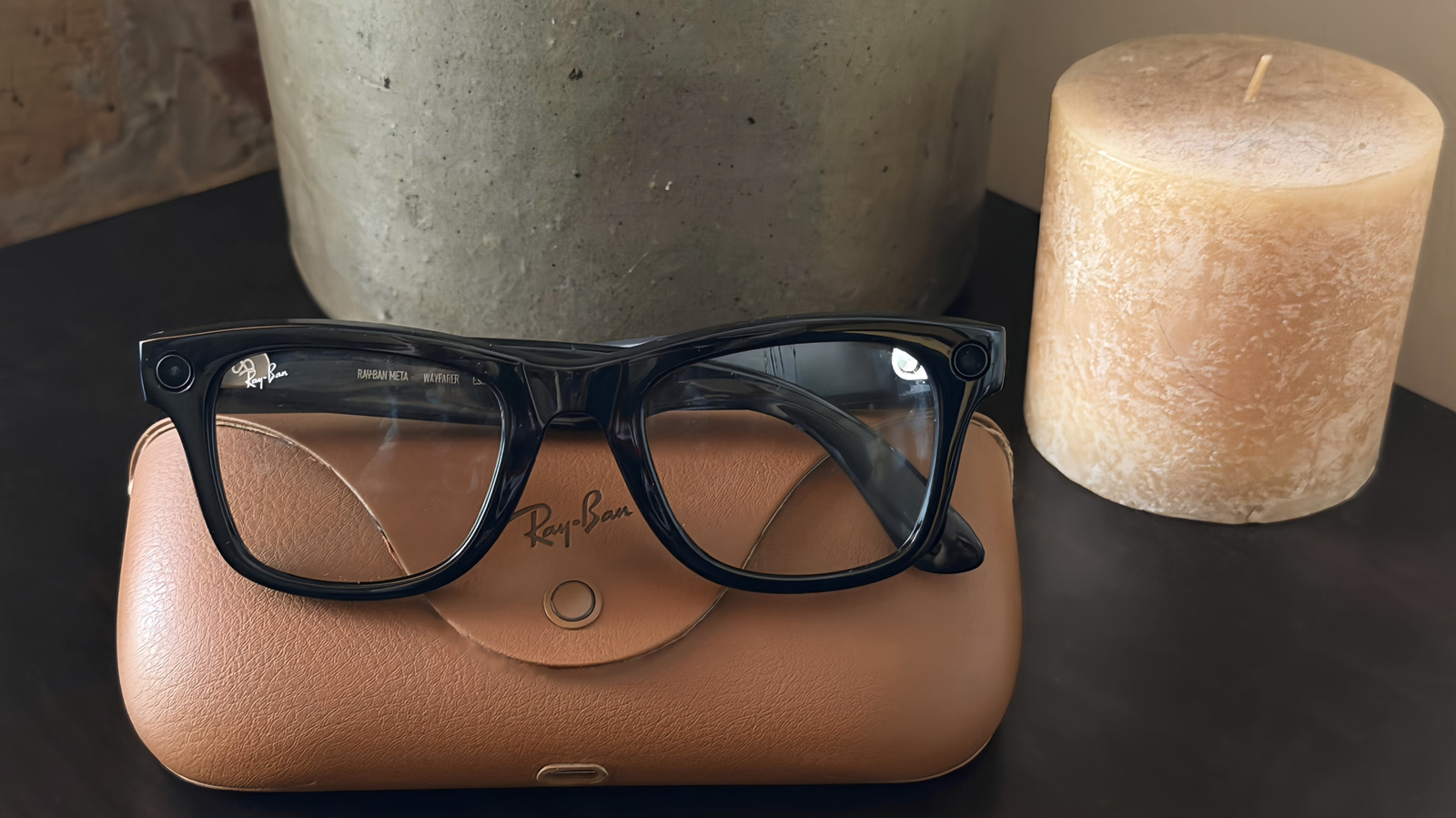
[1] On June 16, 2026, wireless charging firm NuCurrent unveiled a prototype at the Augmented World Expo (AWE) demonstrating how Near Field Communication (NFC) could be the design breakthrough smart glasses desperately need. For years, the industry has grappled with bulky form factors, primarily due to charging mechanisms.
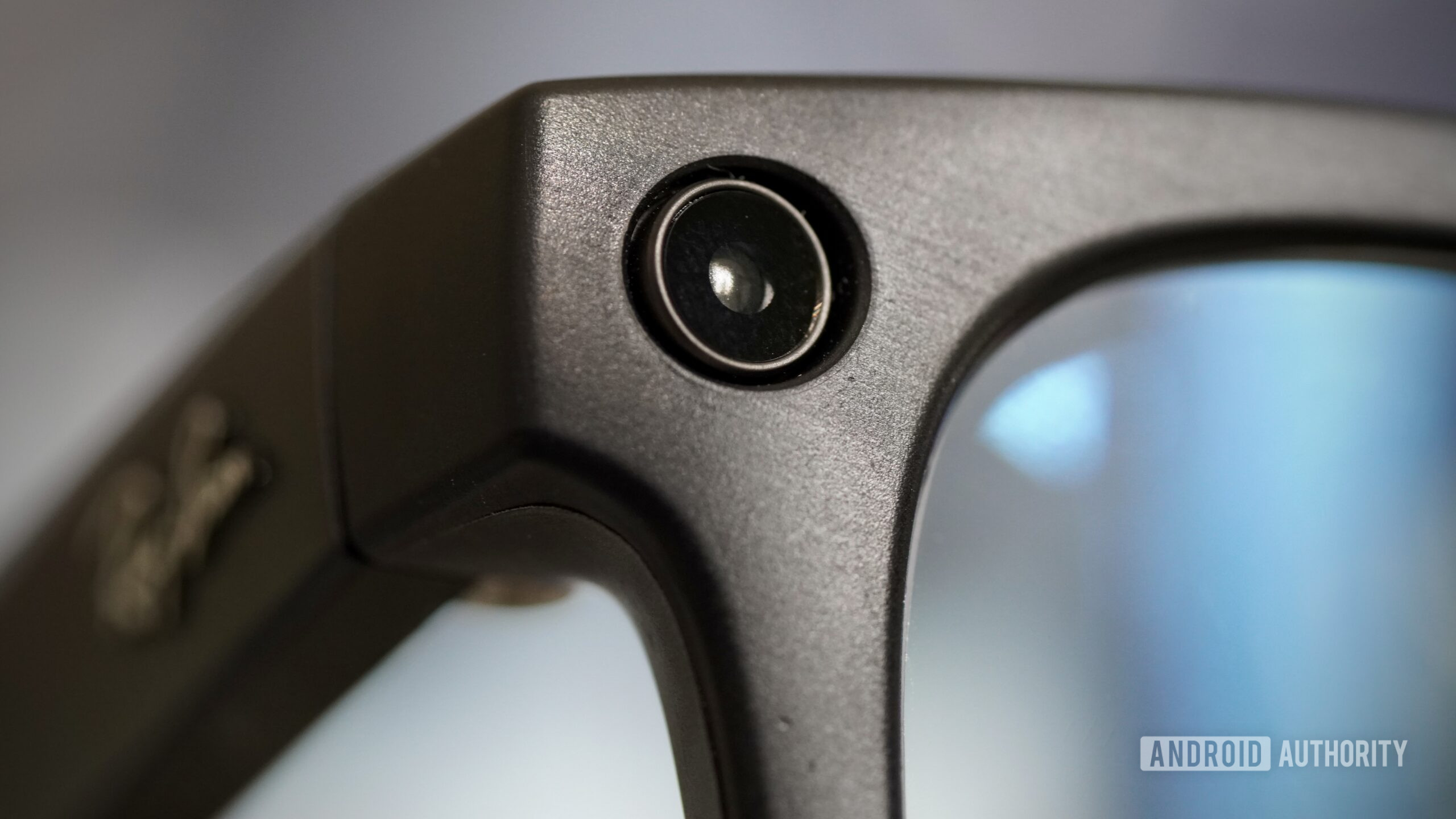
[2] Current smart glasses, including Meta's Ray-Ban lineup, largely rely on pogo pins embedded in the nosebridge for charging. This necessitates a firm connection to the charging case and, crucially, contributes to their noticeable thickness. According to www.engadget.com, NuCurrent CEO Jacob Babcock believes these pins are a significant reason for the similar, often chunky, aesthetic across Meta's existing smart eyewear.
[3] NuCurrent's innovative prototype replaces these pins with a tiny coil embedded in the glasses' arm. This coil connects wirelessly to a transmitter within the case. The company reports that this NFC-enabled system can achieve a 50 percent charge in 20 minutes, a performance on par with Meta's current pogo pin-based charging.
[4] The spatial advantage of NFC is substantial. While pogo pins dictate a certain bulk, NuCurrent CEO Jacob Babcock told www.engadget.com that NFC coils are 'measured in tenths of millimeters,' freeing up valuable internal space. He stressed the importance, noting, 'Every cubic millimeter is very important inside of smartglasses.'
[5] Beyond individual designs, NFC-based charging also presents a path toward universal charging standards for smart glasses and other wearables. Much like Qi became the ubiquitous standard for smartphones, a similar consolidation could emerge for eyewear, though Babcock cautions this could still be several years away.
[6] There's clear demand from manufacturers for more diverse and stylish smart glasses. NuCurrent has already collaborated with Essilor Luxottica, Ray-Ban's maker, on their Nuance Audio glasses. Babcock articulated this industry shift to www.engadget.com: 'What companies are realizing is that face-worn technology must be much more fashionable and provide a diversity of options compared to last generation personal tech.' He added, 'In order to enable scale, you need to get rid of these technology limitations.'
[7] Our take: This development is a critical step towards mainstream adoption. Aesthetics have long been a barrier for smart glasses, relegating many models to niche tech enthusiast markets. By addressing the fundamental design limitations imposed by charging hardware, NuCurrent points to a future where smart eyewear is indistinguishable from traditional frames, driving wider appeal and accelerating the industry's growth.
## How charging shapes existing hardware
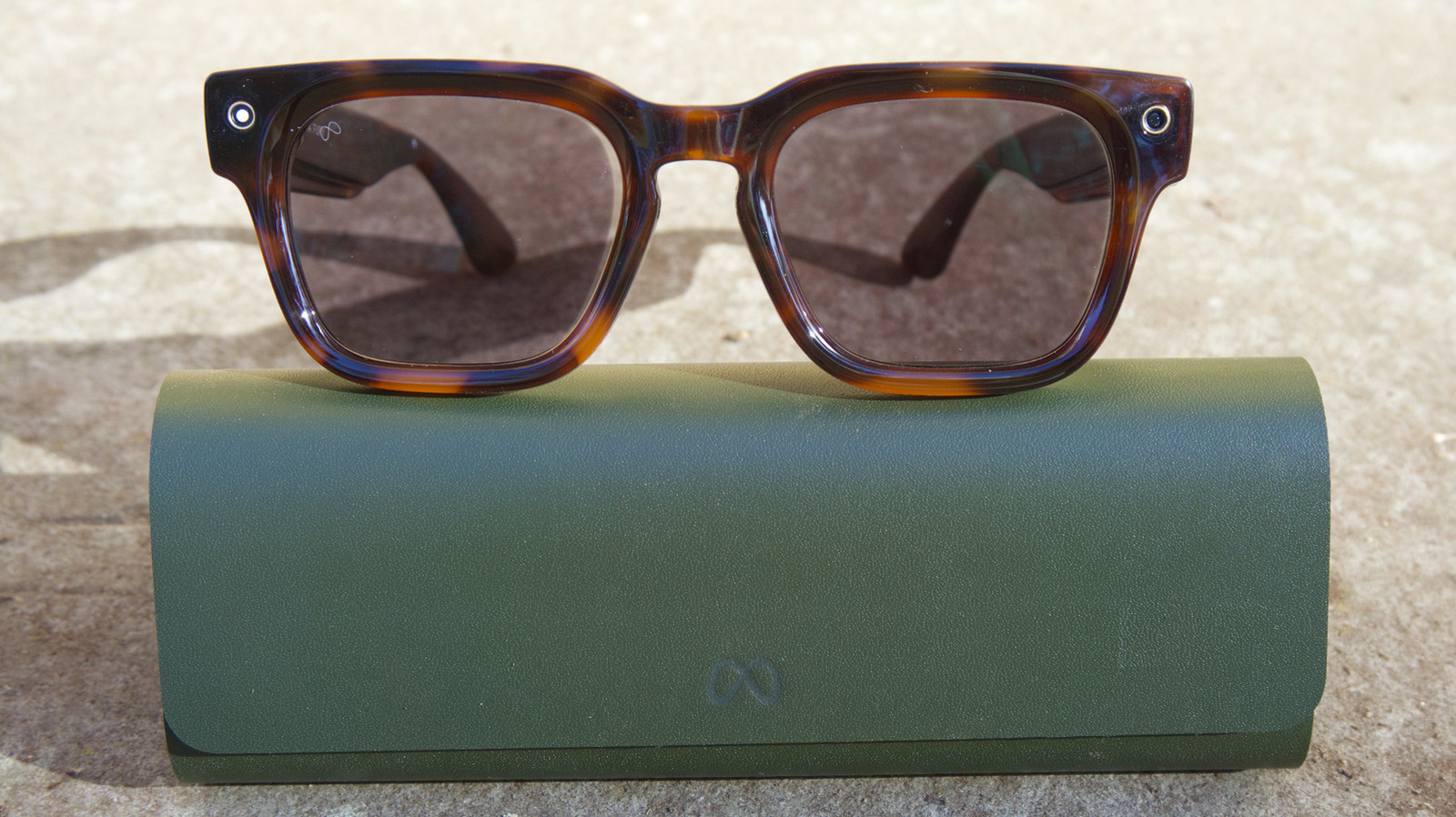
Hardware bulk remains directly tied to component placement and power delivery across the smart eyewear sector. Earlier releases such as the Oakley Meta HSTN, which officially launched on August 26, 2025, for $399, demonstrate these physical trade-offs. Weighing 48 grams, the frames integrate an 8-hour battery, a 12 MP camera, and 1080p video recording, but required designers to build around conventional internal connections and nosebridge contact points.
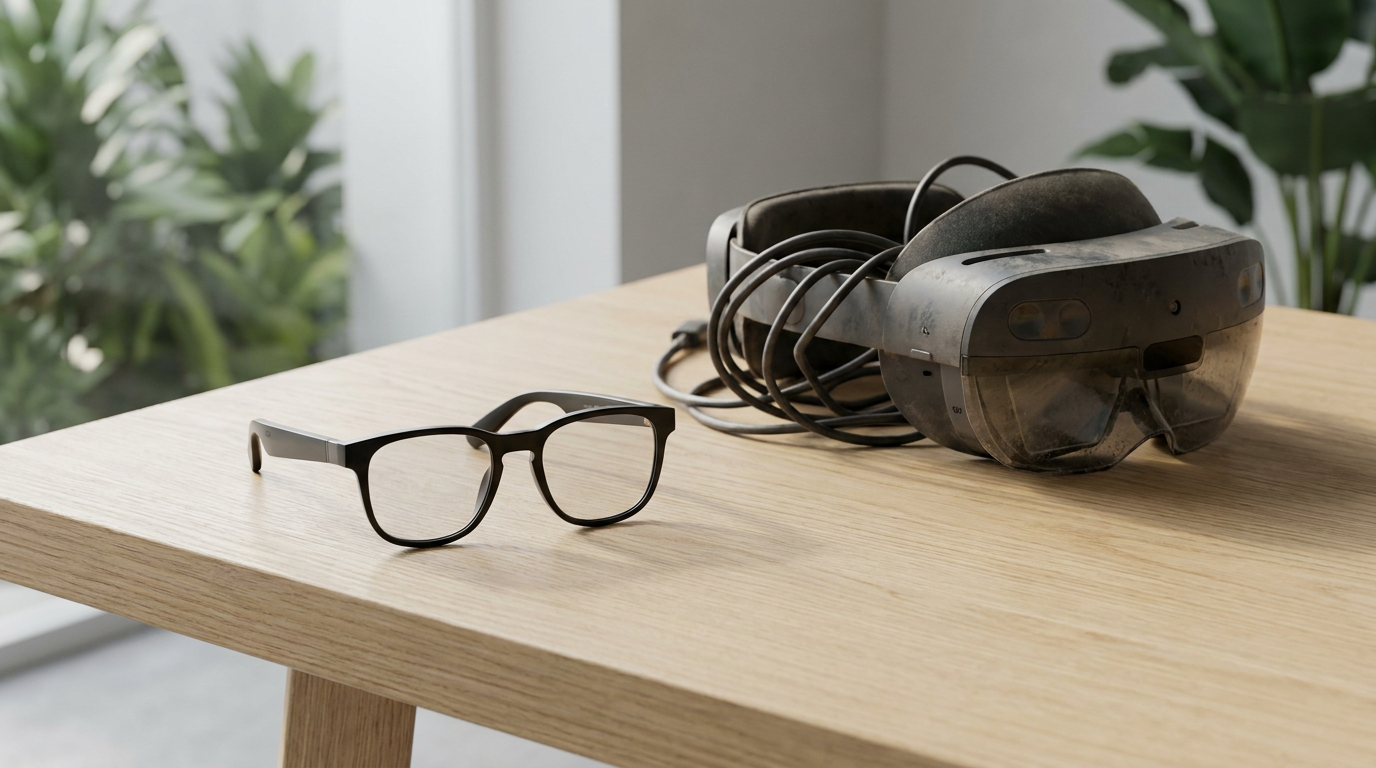
By contrast, tethered devices bypass built-in charging pins entirely at the cost of mobility. For example, the upcoming Meta VR Glasses, planned for spring 2027 at $1,299.99, weigh 100 grams and rely on a physical fiber-optic tether to an external compute puck to deliver a 3-hour battery life. For standalone frames aimed at all-day wear, however, wireless operation is mandatory. Eliminating physical pins from the bridge or temples removes one of the most stubborn structural constraints facing untethered hardware.
## Update: The push for diverse form factors
Since this article was published in June 2026, manufacturers have continued to press for more fashionable and varied profiles. Meta and EssilorLuxottica expanded their lineup at Connect in September 2026, rolling out the Ray-Ban Meta (Gen 3) on September 23, 2026, starting at $449. Those frames introduced a slimmer build and a customizable action button alongside a 12 MP camera capable of 3K Ultra HD video and 9 hours of battery life.
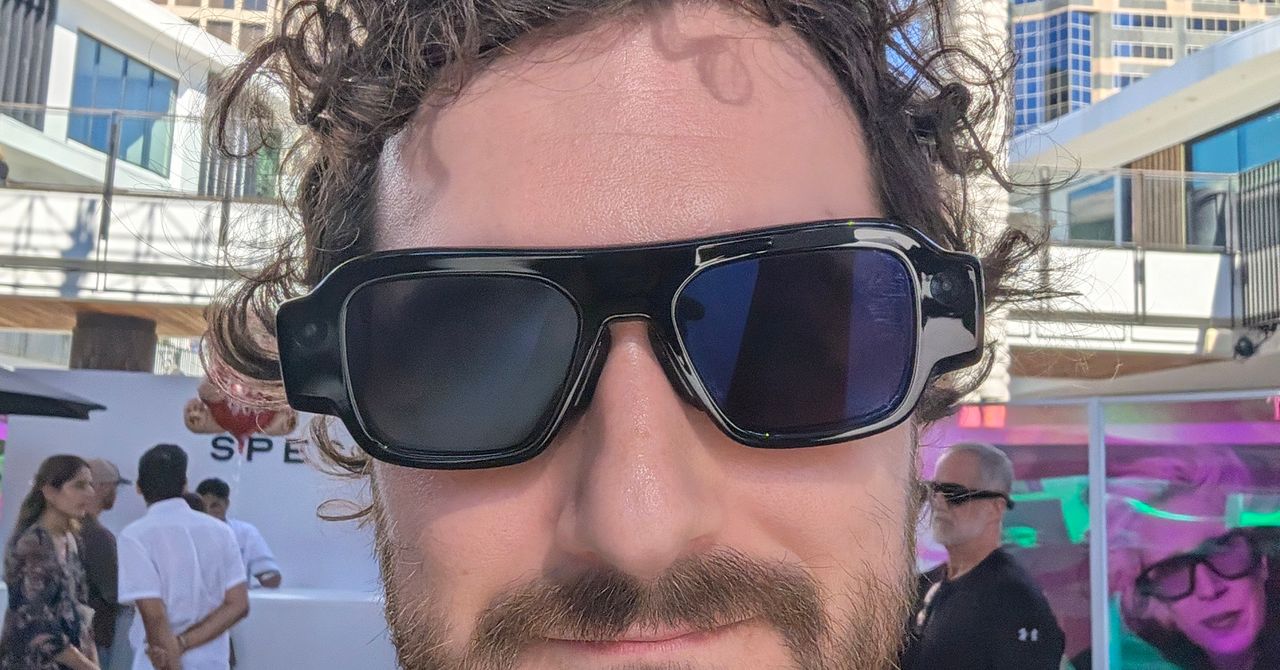
At the same event, Meta emphasized silhouette variety by revealing the Meta Capri cat-eye frames and the limited-edition Meta Fury clear frames with mirrored lenses. Furthermore, as we reported on October 27, 2026, in 'Meta's Audio-Only Ray-Bans Pose a Pricey Dilemma,' Meta introduced the camera-free Ray-Ban Meta Audio starting at $349. Shipping October 13, 2026, these 43-gram frames offer 12 hours of battery life alongside a case providing 4 additional charges. As smart eyewear branches into thinner, lighter designs and specialized shapes, removing physical pogo pins through technologies like NFC charging will remain central to unlocking truly traditional frame aesthetics.
Interactive guide: prices, displays, cameras, battery.
Share this story