Analysis · Specs
Specs Leads the Charge: Smart Glasses Evolve Into Luxury Wearables
Brands are actively positioning smart glasses as premium purchases, aiming to carve out a new luxury segment in the wearables market. Leading the charge, Specs eyewear offers a stark example of this high-end strategy.
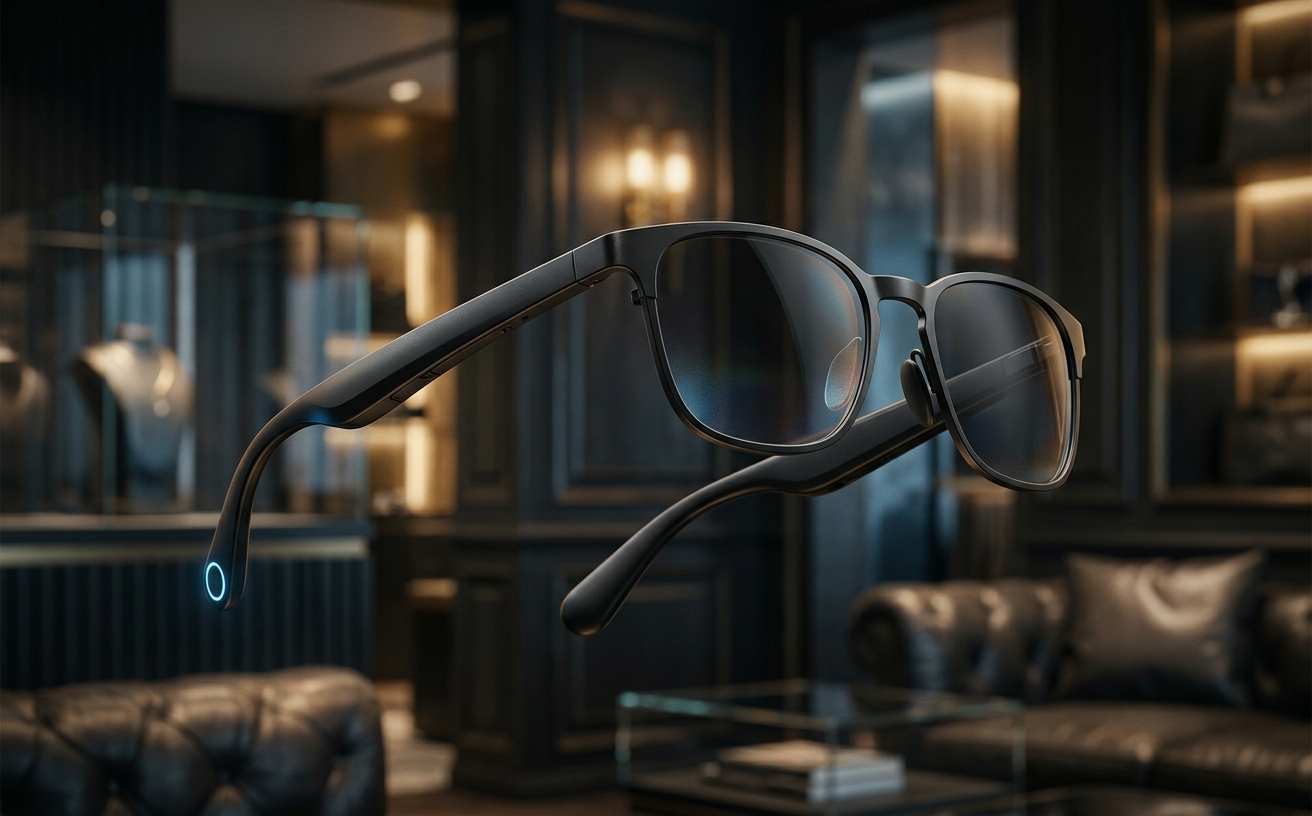
Smart glasses are shedding their purely utilitarian image, rapidly entering the luxury market. As fashionista.com reports, brands are deliberately positioning these wearables as high-end purchases. A prime example is the new Specs eyewear, priced at $2,195, signaling a clear move towards premiumization.
This luxury push comes as companies endeavor to market smart glasses as technological necessities, akin to smartphones or laptops. While consumers have yet to widely adopt this view of essentialism, fashionista.com notes a consistent year-over-year increase in AI glasses sales.
For true mainstream adoption, smart glasses face a perception hurdle. According to Charles DuManoir, founder of Desygn Capital, speaking to Vogue Business, the crucial inflection point will be when wearing smart glasses shifts from signifying a "tech enthusiast" to a "modern, culturally aware person." This highlights the industry's challenge in normalizing advanced eyewear.
Our take: The luxury play for smart glasses is a shrewd strategy to bypass early mass market resistance. By initially targeting affluent early adopters and fashion-conscious consumers, brands can establish desirability and a premium narrative before attempting broader penetration. This approach mirrors the trajectory of early smartphones, which began as high-end devices before becoming ubiquitous. The long-term success hinges on delivering seamless utility that justifies the price tag, moving beyond mere novelty.
## Updates: The premium push in practice
Since this article was published in June 2026, the strategy of positioning smart glasses as high-end luxury hardware has accelerated across both retail and marketing fronts. As we reported on September 20, 2026, Snap made another public push for its $2,200 Specs smart glasses, seeking to clarify the device's place in the ecosystem and defend its premium price point. That same day, we reported that Verizon announced a partnership with SPECS Inc. to debut SPECS AR glasses, complete with a 5G charging case designed to enable hands-free, untethered augmented reality experiences.
Soon after, the product moved directly into consumer hands. As we reported on September 26, 2026, Snap opened pre-orders for Specs, marketing them as the first fully autonomous AR glasses. While competitors such as Meta and Apple continued refining tethered prototypes and dedicated headsets, Snap integrated all computing power directly into the temples of the frame.
To reinforce this luxury perception and reach mainstream culture, the company also turned to Hollywood. As we reported on October 22 and October 26, 2026, Snap recruited actor Robert Downey Jr. as its lead spokesman and Chief Customer Experience Officer for Specs AR glasses. Leveraging his association with Marvel's tech-centric Iron Man character, Downey signed on to star in broadcast advertisements, lead a promotional content series, and collaborate directly on hardware, software content, and developer experiences.
## Hardware performance and market competition
Despite celebrity backing and luxury framing, hardware realities continue to present challenges. As we reported on September 24, 2026, UploadVR's David Heaney tested Snap's $2,195 glasses and noted significant optical flaws, even while praising the device's strong spatial tracking. More recently, as we reported on November 2, 2026, testing of the $2,195 AR hardware showed impressive physical stability, successfully staying in place during exercises like push-ups. Even so, the software experience remains experimental, leaving key questions about everyday practical utility unanswered.
At the same time, the broader smart eyewear segment is expanding with different hardware approaches that could challenge high-cost positioning. As we reported on October 14, 2026, Samsung unveiled the specifications for its own intelligent eyewear scheduled for a November launch. Samsung's design features a Qualcomm Snapdragon AR1 Gen 1 processor and weighs approximately 41 grams. Meanwhile, as we reported on October 18, 2026, Alibaba announced its Qwen Glasses N1 on October 14, 2026, challenging Meta's third-generation smart glasses by offering a significantly higher-resolution camera and impressive battery life.
## What to watch next
As the smart glasses market heads toward the end of 2026, the viability of the luxury wearable strategy faces a critical test. Premium positioning and celebrity endorsements can generate initial attention, but long-term consumer retention requires fulfilling the transition Charles DuManoir described, shifting the wearer from a gadget hobbyist to a culturally modern individual. With upcoming lightweight alternatives from Samsung and battery-focused models from Alibaba entering the market, buyers will soon determine whether standalone luxury AR glasses can sustain a four-figure price premium over more utility-focused smart eyewear.
Interactive guide: prices, displays, cameras, battery.
Share this story