Analysis · —
The HUD-Only Smart Glasses Comeback is Here
Forget full AR overlays and privacy nightmares. The smartest path forward for smart glasses might be the simplest: discreet heads-up displays and practical utility, not flashy fantasies.

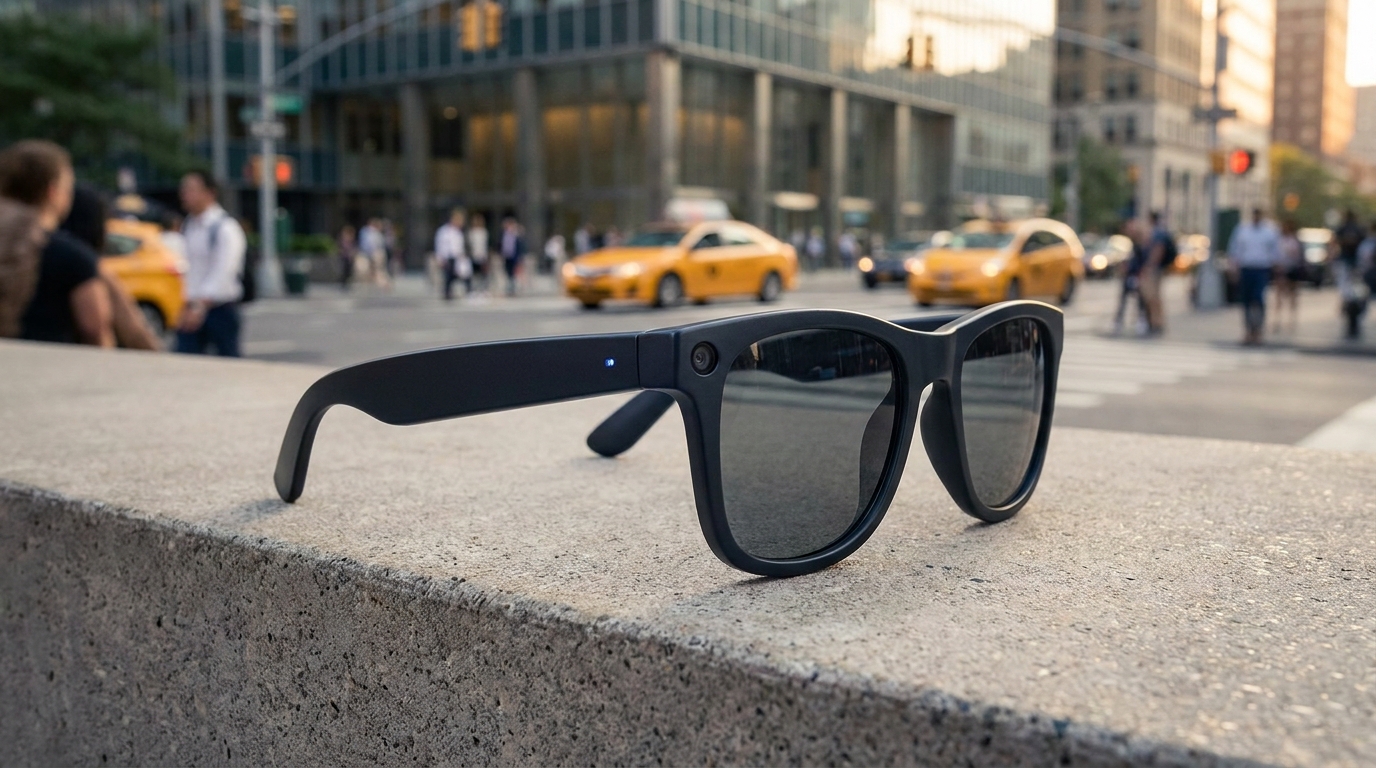
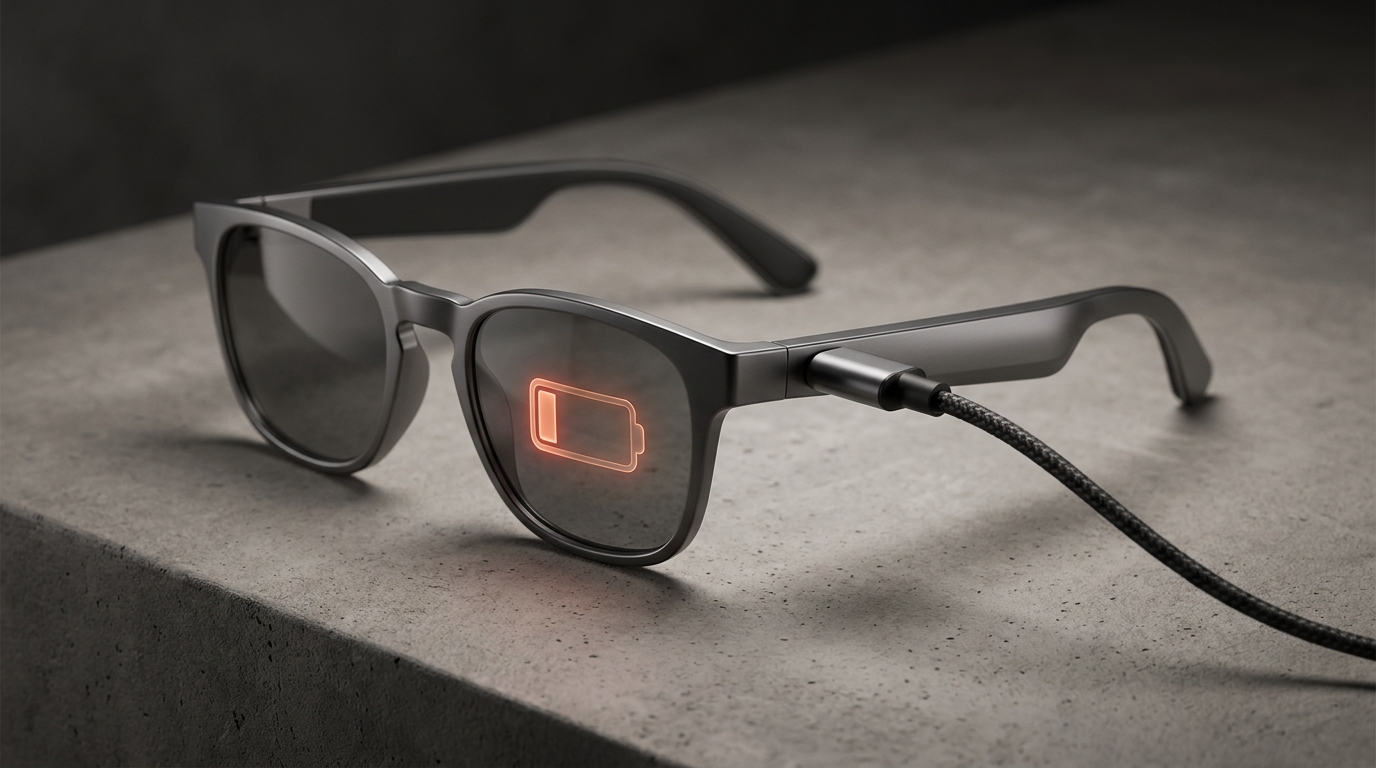
The smart glasses narrative has been dominated by two extremes: the ultra-ambitious, complex AR visions that alienate consumers with exorbitant costs and battery nightmares, or the sleek, AI-forward devices mired in privacy scandals. Meta pushes its 'Meta Labs' retail presence and aims for 10 million units, while Apple reportedly axes Vision Pro successors for AI glasses. Acer and Rokid are entering the fray, and China's market explodes in what Tony Leone calls the 'War of 100 Glasses.' Yet, amidst this feature race and market expansion, a critical, persistent problem plagues them all: battery life. Until this core issue is addressed, widespread adoption remains a distant dream. The industry is chasing the wrong moon.
The current landscape is defined by features that often overshadow fundamental usability. Meta's Ray-Ban glasses, despite their retail expansion, are plagued by privacy concerns, particularly the discovery of dormant facial recognition code ('NameTag') within their companion app. This feature, capable of creating biometric 'faceprints,' raises profound questions about user consent and data security, even if Meta claims it's currently inactive. Joanna Stern's investigation into a black market for disabling the recording indicator light further highlights the public's deep-seated unease with always-on cameras.
Apple's strategic pivot, consolidating XR efforts to prioritize two distinct smart glasses projects over further Vision Pro iterations, signals a pragmatic shift. The company is reportedly aiming for an AI-focused model by 2027, echoing Meta's direction but hopefully learning from its privacy missteps. This focus on mass-market wearables, rather than high-end mixed reality, suggests a recognition that current technology isn't ready for the latter's full potential, at least not for consumers.
Meanwhile, the sheer volume of hardware entering the market, especially from China, underscores the competitive intensity. Tony Leone reports an 80% year-on-year jump in AI eyewear sales in Shenzhen's Huaqiangbei electronics bazaar. This 'War of 100 Glasses' features dozens of aggressive competitors, many with unfamiliar domestic brands. The focus here appears to be rapid iteration and market saturation, likely with simpler, more affordable devices.
This explosion of activity across the spectrum, from major players like Meta and Apple to burgeoning markets and even established brands like Acer entering the race, points to a crucial realization: the immediate future of smart glasses may not lie in fully immersive AR or sophisticated AI integration that demands constant power. Instead, a more grounded approach is gaining traction.
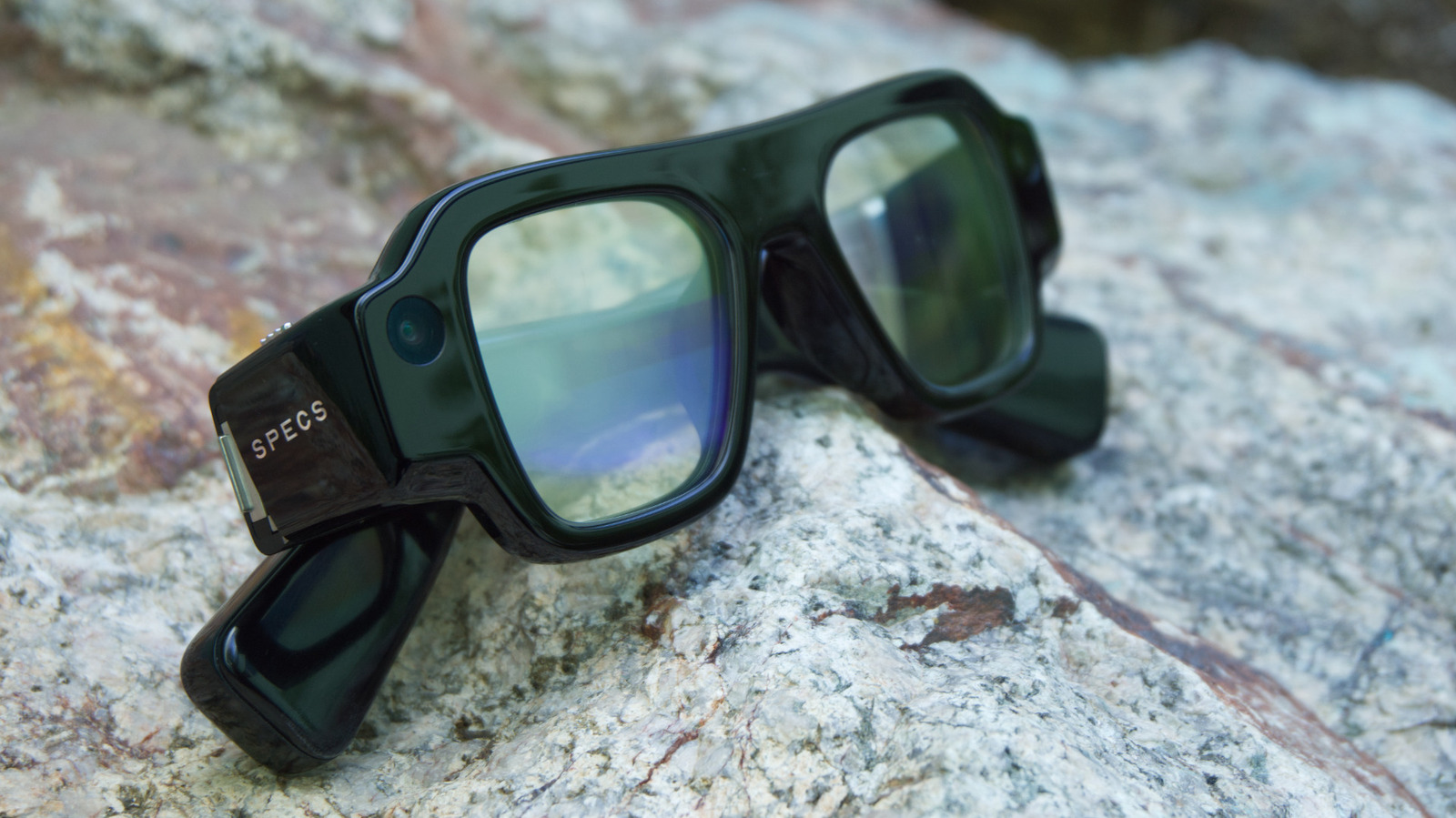
Consider Innovega's strategic pivot. After years chasing the elusive AR contact lens, the company has launched its Gen One smart glasses, targeting the low-vision community. This isn't a consumer play for social sharing or enhanced productivity; it's a medically-oriented solution focused on practical, life-changing vision enhancement. Their discreet design resembles conventional eyewear and uses a front-facing camera to process and dynamically adjust magnification, brightness, contrast, and sharpness, projected onto transparent micro-OLED displays.
Innovega's move isn't an anomaly; it represents a critical segment of the market that prioritizes function over form and advanced features. These are not glasses designed to overlay the world with digital information but to augment and clarify reality for those who need it most. This focus on a specific, vital need highlights the potential of smart glasses beyond broad consumer appeal.
This quietly growing segment, exemplified by Innovega's assistive tech, points to the resurgence of HUD-only (Heads-Up Display) glasses. These devices offer a targeted, low-power approach by projecting only essential information or augmented visual assistance, directly addressing the battery life paradox plaguing more feature-rich competitors. They don't demand the processing power or constant connectivity that drains batteries dry.
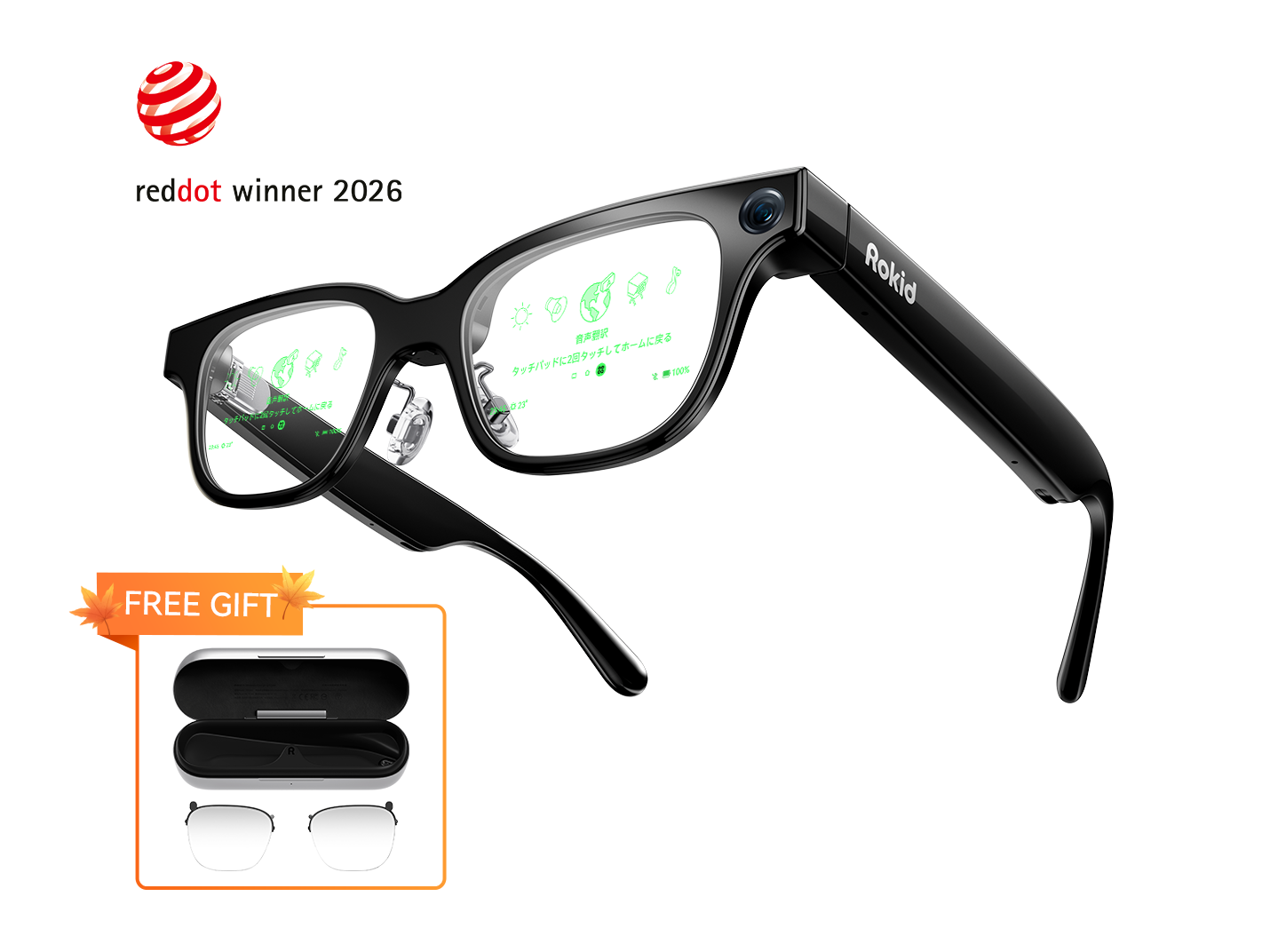
Even companies like Rokid, while exploring AI and AR, are experimenting with integrated screens, albeit monochrome ones. While PhoneArena questions whether this is a genuine innovation or a marketing gimmick, the very consideration of a screen separate from a full visual overlay suggests a tiered approach to functionality. A simple display projecting critical alerts or basic information could be a significant step up in usability for many.
The fundamental flaw of short battery life, acknowledged by observers of the smart glasses revolution, directly handicaps the ambitious visions of companies like Meta and Apple. While they chase retail presence and new models, their devices often struggle to last a full day of typical use. This isn't a minor inconvenience; it's an adoption killer.
The success of devices like Innovega's Gen One, despite their niche focus, demonstrates that practical application and enhanced usability can drive adoption without requiring a complete overhaul of user behavior or technology infrastructure. They offer a tangible benefit that doesn't rely on constant charging.
The real innovation in smart glasses might not be about mimicking reality or injecting AI into every interaction. It's about delivering specific, valuable functions in a wearable form factor that seamlessly integrates into daily life. This requires a focus on power efficiency and targeted utility.
This is where the HUD-only approach shines. By stripping away unnecessary complexity and focusing on essential visual overlays or critical information delivery, these glasses can achieve significantly longer battery life and a more discreet user experience. This addresses the core complaint that hampers broader adoption of current smart glasses.
The future of smart glasses likely involves a spectrum of devices, but the current hype around complex AR and always-on AI is obscuring a more viable, immediate path forward. The comeback of simpler, utility-focused HUD glasses offers a compelling, practical alternative that could finally make smart eyewear a true mass-market success.
Interactive guide — prices, displays, cameras, battery.
Share this story