Analysis · —
The Android XR Invasion Is Coming. It Will Change Everything.
For years, the smart glasses market has been a chaotic gold rush defined by Meta. In the next 12 months, a pincer movement by Samsung and Google will turn it into a full-blown platform war, with Android XR as the weapon of choice.
The smart glasses land grab is in full swing. Spurred by the undeniable retail success of the Ray-Ban Meta glasses, a chaotic swarm of brands is rushing to plant a flag on consumer faces. Huawei just dropped its first AI glasses on HarmonyOS. Reebok is partnering with Lucyd on prescription-ready audio frames. It’s a messy, fragmented, and opportunistic market of disconnected gadgets.
As we’ve argued here before, this gold rush has been building for two extremes: enterprise workhorses like Vuzix for the factory floor, or high-fashion plays like the rumored Google/Gucci collaboration. The vast territory in the middle-the actual everyday user-has been served a series of interesting but ultimately isolated products. That’s all about to end. The era of the gadget is over; the era of the platform is about to begin.
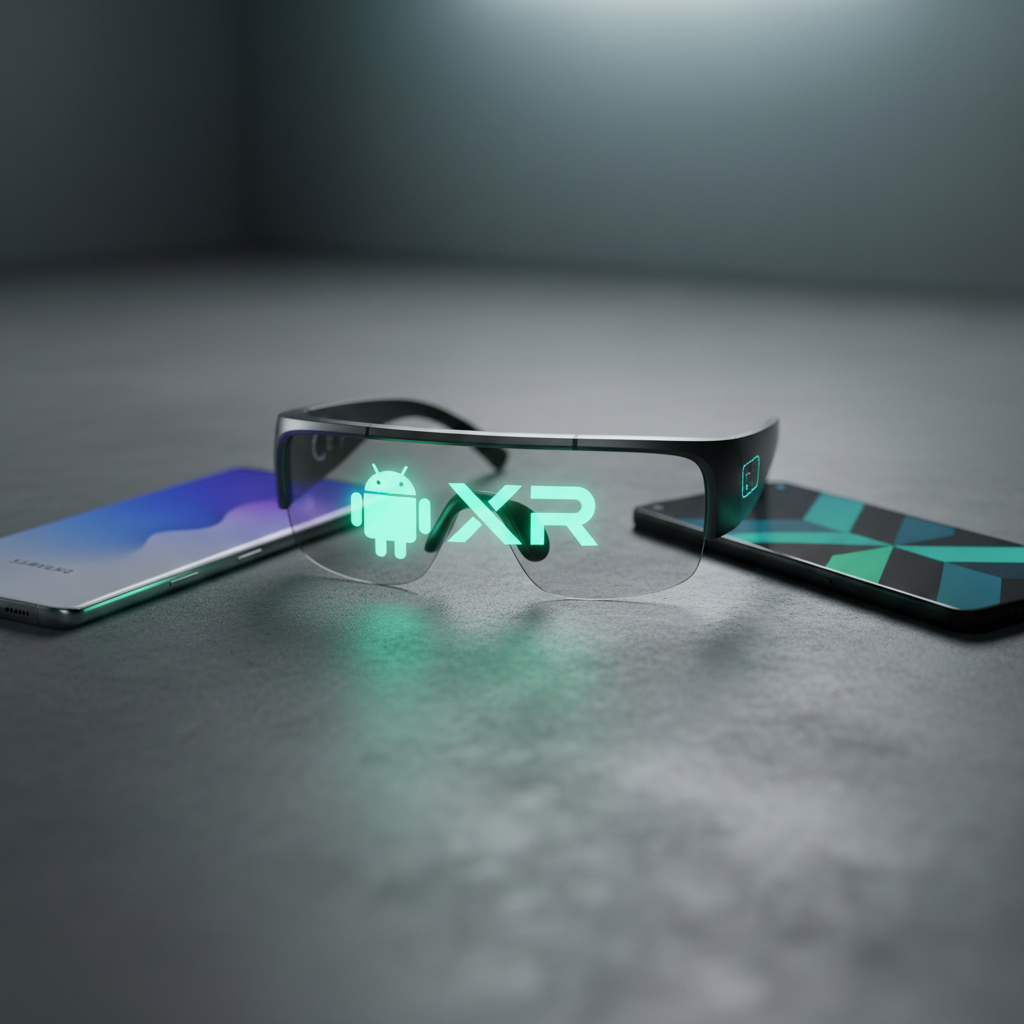
The catalyst is Samsung. The company’s plan to launch its Galaxy AI Smart Glasses in the second half of 2026 is the single most important development in this space since Meta put a camera in a pair of Wayfarers. It’s not just about the hardware, which includes a 12MP camera and a Qualcomm AR chip. The crucial detail, the one that redefines the entire competitive landscape, is the operating system: Android XR.
This isn't a solo mission. Samsung's launch is the first half of a pincer movement orchestrated by Google. While Samsung attacks with a full-featured device integrated into its massive Galaxy ecosystem, Google itself is prepping 'Project Aura' for a 2026 release. These will be screenless, 'normal-looking' glasses, but they’ll run on the very same Android XR platform. This isn't a collection of disparate product launches; it's a coordinated ecosystem assault.
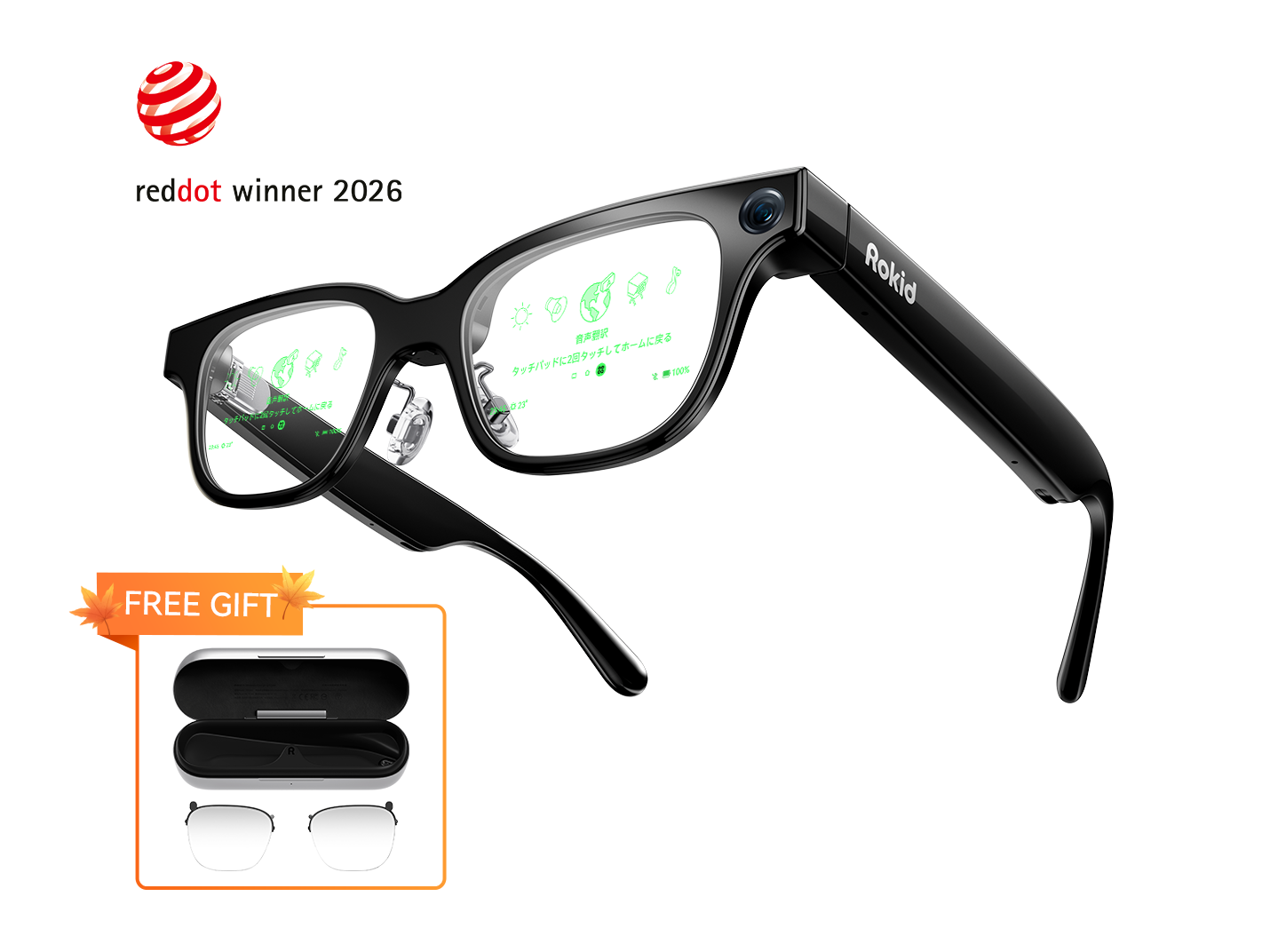
A shared OS changes the stakes entirely. It means a unified developer platform, a potential shared app store, and a coherent user experience across hardware from different manufacturers. For the first time, developers will have a massive, open target to build for, just as they did with Android for smartphones. This instantly elevates the competition from one-off feature battles-like Rokid’s in-lens display versus Meta’s camera-to a war for platform dominance.
This fundamentally alters the market that Meta so painstakingly built. The company's reward for proving the camera-and-audio form factor was viable is to now find its closed garden under siege. The unprecedented 25% price drop on the first-generation Ray-Ban Meta glasses isn't just a spring sale; it's a strategic clearing of inventory in the face of an existential threat. Meta has to brace for impact.
Meta went from market-maker to an incumbent with a target on its back overnight. Its success was built on a proprietary OS, locking users into its ecosystem. Now, it faces the combined might of the two companies that perfected the open ecosystem playbook in mobile. Meta built the playground, and now Google and Samsung are about to show up with all of their friends.
This Android XR assault gains even more urgency when you look at the timeline for the industry's other 800-pound gorilla: Apple. While Cupertino is reportedly testing four different 'N50' prototype designs, a launch isn't expected until 2027. This gives the Android XR alliance a critical 12 to 18-month window to establish an ecosystem, seed the market with millions of devices, and capture developer loyalty.
If Samsung and Google can cement Android XR as the default non-Apple platform for smart eyewear before Apple's first device even ships, they could create an unassailable lead. They have a chance to do to Apple in glasses what they did to them in phones: win on volume, openness, and choice, leaving Apple to dominate the high-end premium slice of the pie.
The picture is further complicated by Huawei. The Chinese tech giant's new AI Glasses are impressive, but they run on the company’s proprietary HarmonyOS. This effectively creates a third major bloc in the coming war, alongside Android XR and Meta. Huawei’s formidable presence, especially in Asia, ensures the market won't be a simple two-horse race, but it also means they are cut off from the massive global pool of Android developers.
The first wave of Android XR devices will likely mirror Meta’s proven formula: camera, audio, and an AI assistant in a familiar frame. But Samsung’s reported two-tiered strategy-offering both a basic model and an advanced version with an in-lens AR display-is the real game-changer. It’s a brilliant strategy to attack both the current market and the future one simultaneously.
To make that advanced AR tier viable, you need a solution to the input problem. That’s where enabling tech like the Sensoryx Magic Ring comes in. A discreet ring providing 6DoF hand tracking makes complex AR interaction feasible without clunky controllers or unreliable hand gestures. This is the missing link that finally makes a consumer-grade AR display more than just a novelty.
While Meta validated the simple AI glasses concept, Chinese manufacturers like Rokid are proving that niche but powerful use cases like teleprompters exist for display-equipped glasses. Samsung’s strategy allows it to capture both the mainstream Ray-Ban user and the more advanced Rokid user under a single, unified Android XR platform. It's a play for the entire market.
Forget the noise about one-off collaborations and iterative feature bumps. The next twelve months are about the quiet, brutal deployment of a platform. The smart glasses market is finally graduating from a hobbyist sector into a full-scale technological cold war. The battle lines are being drawn, and with Android XR, Google and Samsung are about to make their first major move.
Interactive guide — prices, displays, cameras, battery.
Share this story