Analysis · —
Smart Glasses' Biggest Flaw? The Battery That's Always Dead
While companies like Meta and Apple chase features and retail presence, the fundamental limitation of short battery life continues to cripple the smart glasses revolution. Until this core issue is addressed, widespread adoption remains a distant dream.
The smart glasses industry is booming, or at least that's the spin. Meta is expanding its retail footprint with 'Meta Labs' and pushing for 10 million unit sales, while Apple, shedding its Vision Pro ambitions for more mass-market glasses, is reportedly targeting 2027 for an AI-focused model. Acer and Rokid are entering the fray with new devices, and even the Chinese market is exploding in what Tony Leone calls the 'War of 100 Glasses,' with an 80% year-on-year sales jump. Yet, amidst this flurry of feature announcements and market expansion, a critical, persistent problem is being largely ignored: battery life.
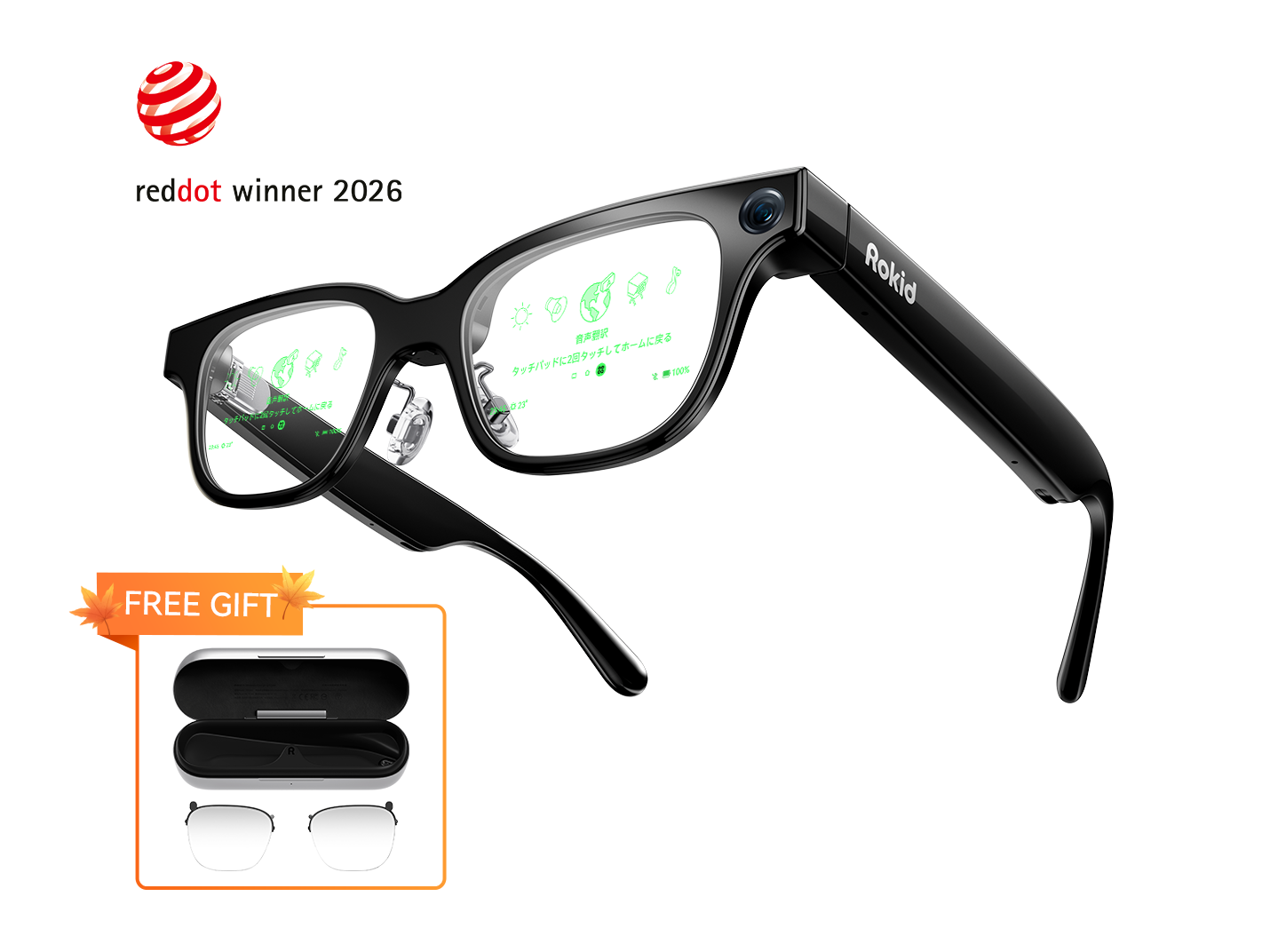
We're seeing constant innovation in AI capabilities, from Meta's rumored facial recognition features to the AR displays of Rokid's new glasses. Innovega is even pivoting to assistive smart glasses for the visually impaired, a noble cause but one that still requires a device that can actually stay powered. The conversation is saturated with talk of new form factors, sleek designs like the Ray-Ban Meta, and enhanced software. But none of these advancements matter if the glasses die after a few hours of use, rendering them little more than a novelty gadget.
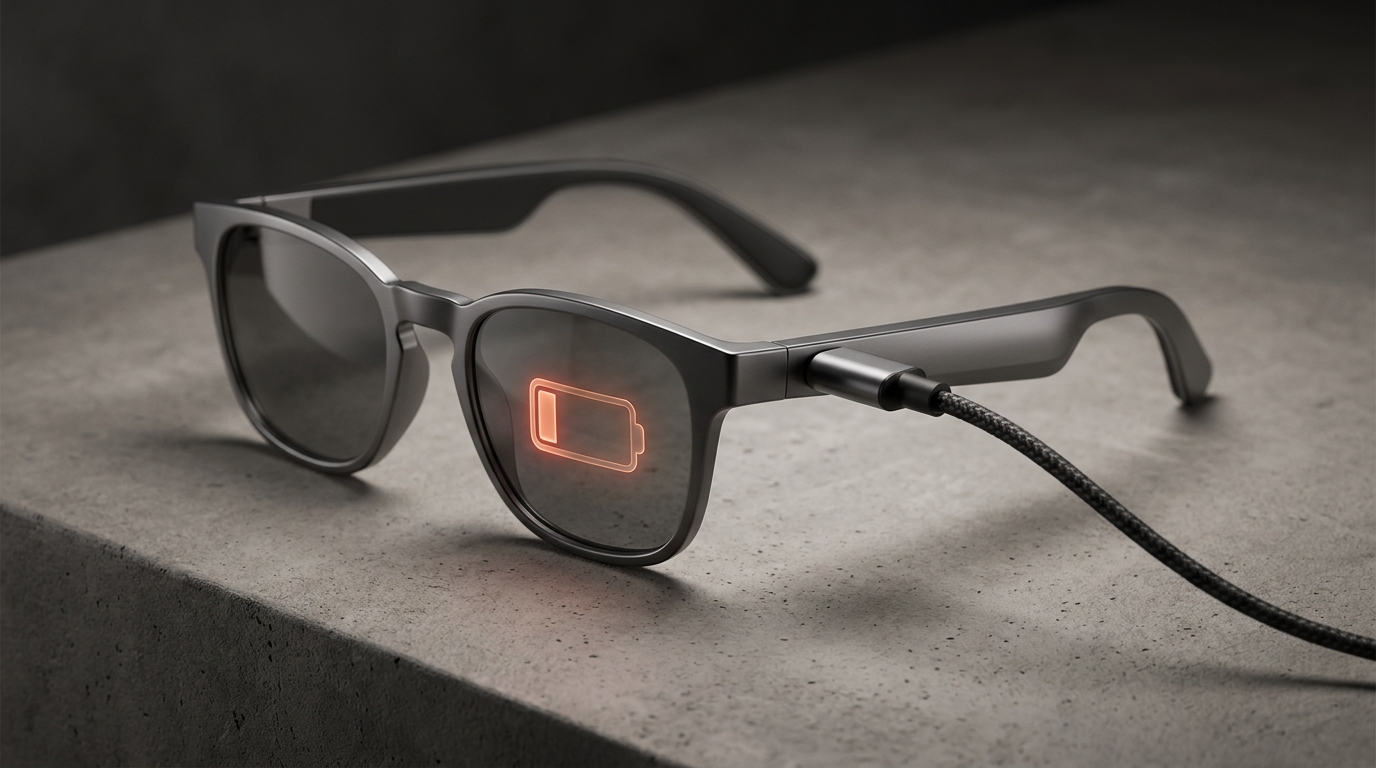
Consider the practical implications. Ray-Ban Meta glasses, praised for their style, are still limited by their battery. Users are forced into a cycle of constant charging, tethering the futuristic potential of smart eyewear to the mundane reality of a power outlet. This isn't a problem confined to Meta; it's a universal hurdle. Whether it's an AI-powered device from Acer or a display-equipped AR pair from Apple's projected lineup, the energy demands of sensors, processors, and displays will always strain battery capacity.
The hacking of Ray-Ban Meta glasses, specifically to disable the recording light, as exposed by NBC News, highlights user frustration. While the privacy implications are alarming, the fact that users are willing to circumvent core features suggests a deeper dissatisfaction with the device's overall utility, potentially linked to its limitations like power. When a feature as basic as continuous operation is in question, users will seek workarounds, however unsavory.
Apple's strategic shift from high-end XR like the Vision Pro to more accessible smart glasses, as reported by MacRumors, indicates a recognition of market realities. However, even these mass-market focused devices will founder if they can't offer a full day's use. The N50 smart glasses, reportedly delayed until late 2027, might offer integrated AI with Apple Intelligence, but without a significant battery breakthrough, they risk becoming another expensive paperweight. This persistent energy bottleneck prevents smart glasses from moving beyond niche applications.
The burgeoning Chinese market, a bellwether for consumer electronics, is flooding with dozens of new smart glass models. While this competition drives innovation in features and price points, it's unlikely that battery technology is seeing a proportional leap. The sheer volume of devices, as noted by Tony Leone, suggests a focus on rapid iteration and market share over fundamental improvements in power management. This race to market often leaves core engineering challenges like battery life as secondary concerns.
Companies are investing heavily in retail presence, like Meta's Tysons Corner 'Meta Lab,' to showcase their products. This is crucial for consumer education and adoption. However, a fancy showroom can't compensate for a device that dies before lunch. Potential buyers will experience the product, be intrigued by the features, but ultimately be deterred by the practical constraint of a short operational lifespan.
The current approach seems to be one of incremental improvements and optimistic projections, rather than a fundamental rethinking of power architecture. Are we looking at a future where smart glasses are perpetually tethered to power banks, or worse, designed for very limited, task-specific usage? The latter is already happening with some devices, like Innovega's Gen One targeting low vision, which might accept shorter battery life due to its specific assistive function. But for general-purpose smart glasses, this is a non-starter.
This isn't just about wanting longer battery life; it's about unlocking the true potential of smart eyewear. Imagine glasses that could reliably record your day, seamlessly translate conversations in real-time, or provide constant contextual information without a second thought to power levels. This future is perpetually on the horizon, perpetually out of reach, because the battery problem remains stubbornly unsolved.
The industry is at a crossroads. It can continue to chase fleeting trends and incremental feature upgrades, or it can confront the fundamental engineering challenge that is holding back widespread adoption. Until significant breakthroughs are made in battery density, power efficiency, or even radical new charging paradigms, the smart glasses revolution will remain just that-a revolution perpetually waiting to happen, its devices constantly running on empty.
Perhaps the focus should shift from simply embedding more AI into existing hardware to engineering a power solution that can sustain these advanced capabilities. This might mean thicker frames, user-replaceable batteries, or entirely new energy harvesting technologies. Whatever the solution, it needs to be as bold and integrated as the AI features themselves.
The market is hungry for truly seamless integration. Meta's vision of 10 million units and Apple's pivot towards mass appeal both signal a desire for devices that become as ubiquitous as smartphones. But without the power to match their ambition, these smart glasses will remain relegated to early adopters and niche applications, perpetually failing to live up to their revolutionary promise.
Interactive guide — prices, displays, cameras, battery.
Share this story