News · —
Tony Leone: China's 'War of 100 Glasses' Heats Up - AI Eyewear Market Explodes
Tony Leone reports on an unprecedented surge in the Chinese smart glasses market, dubbed the 'War of 100 Glasses,' with dozens of companies aggressively competing.

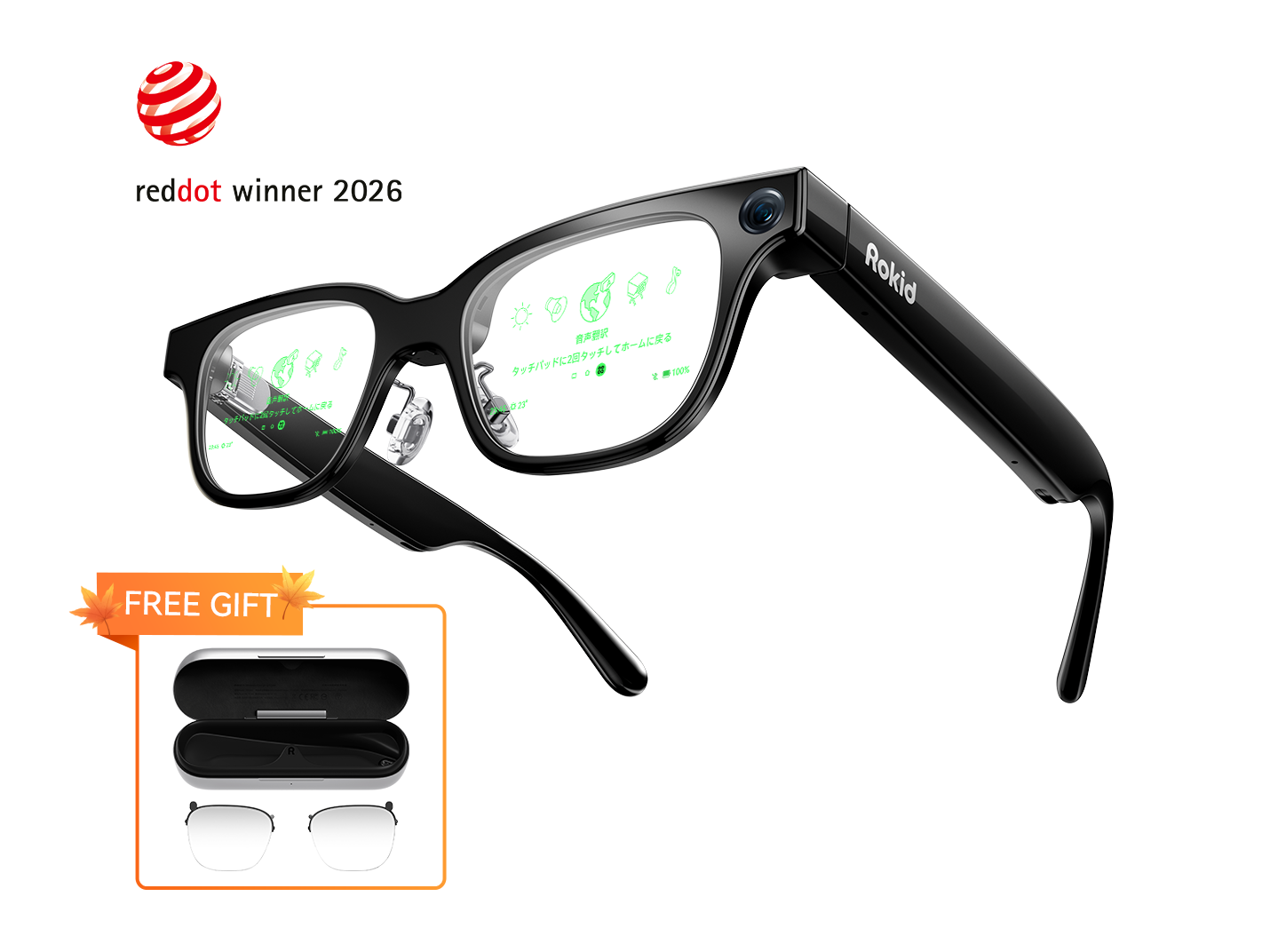
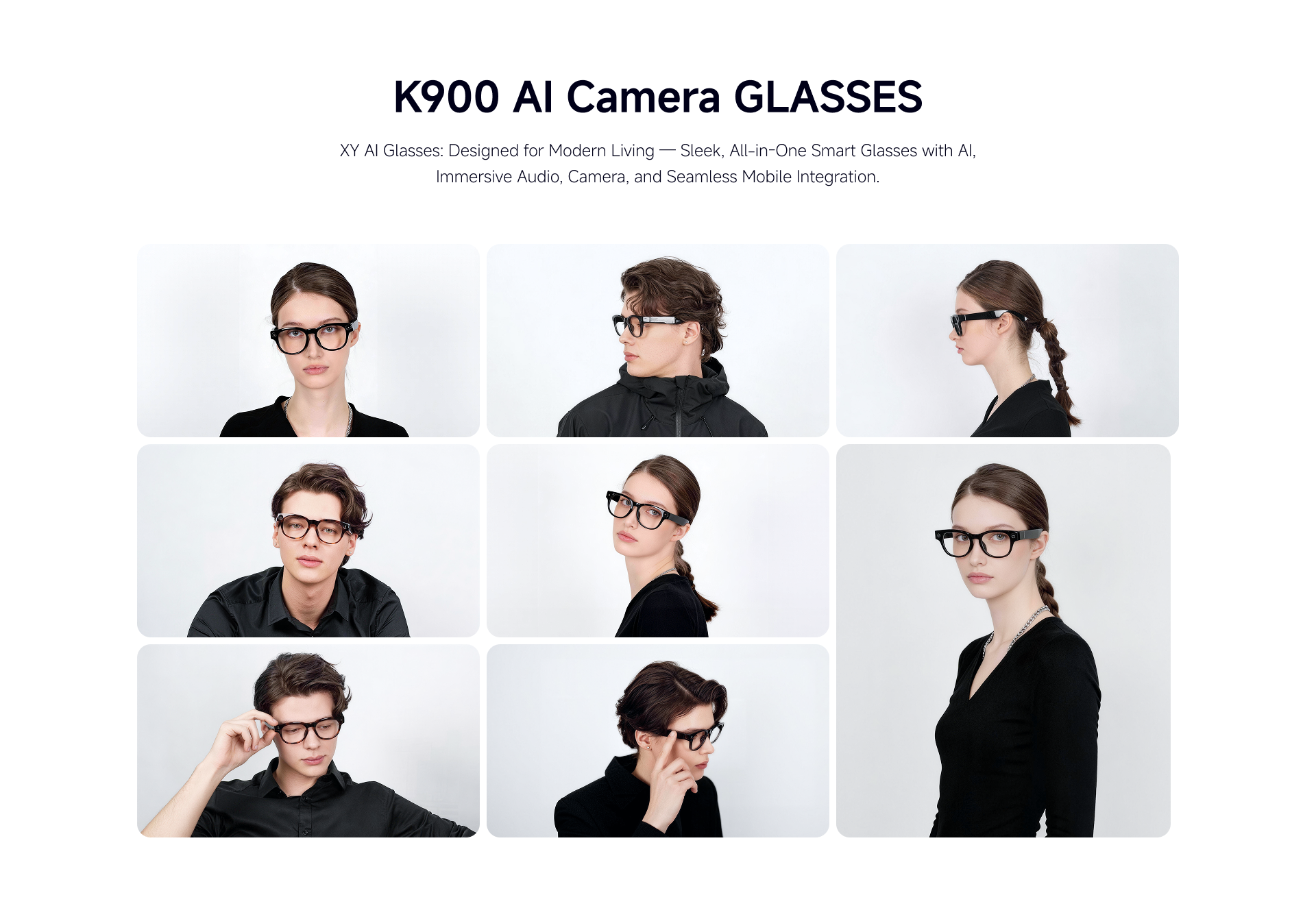
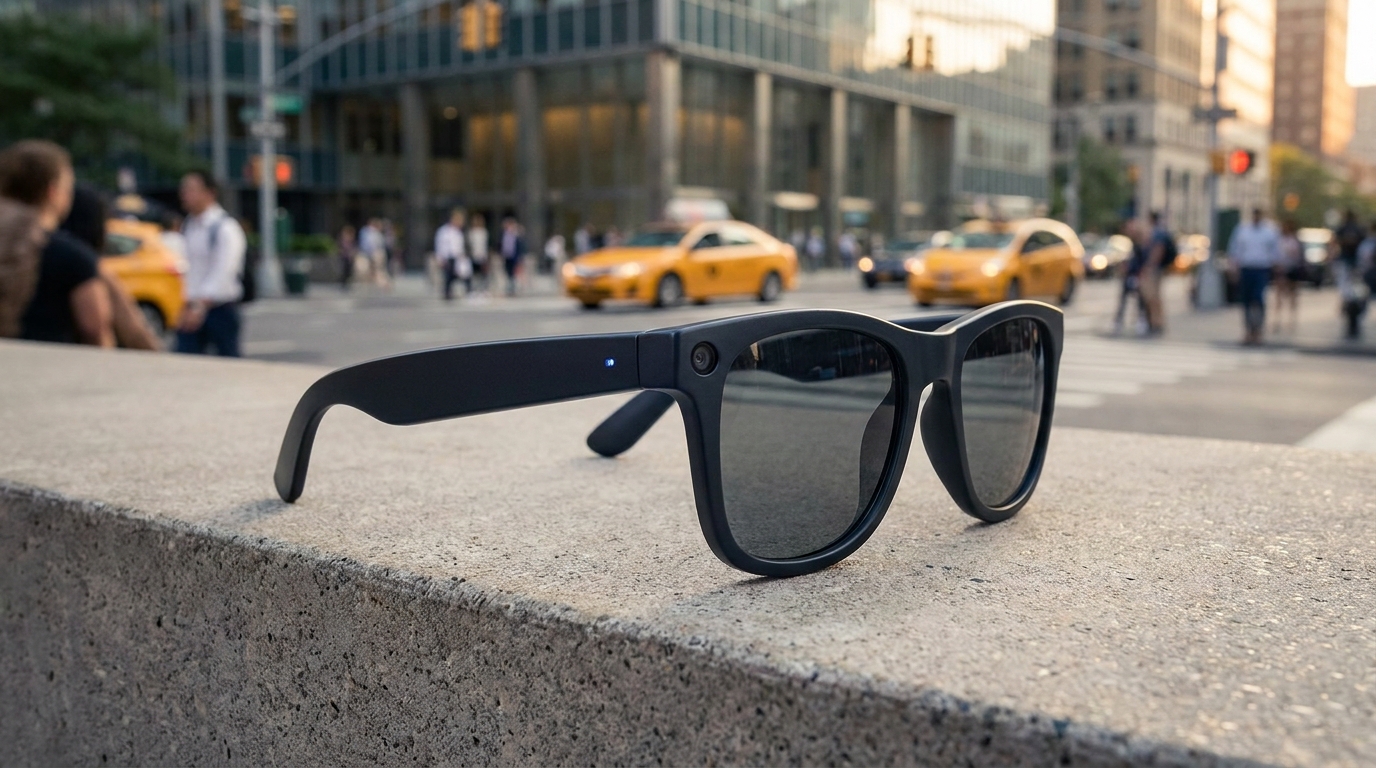
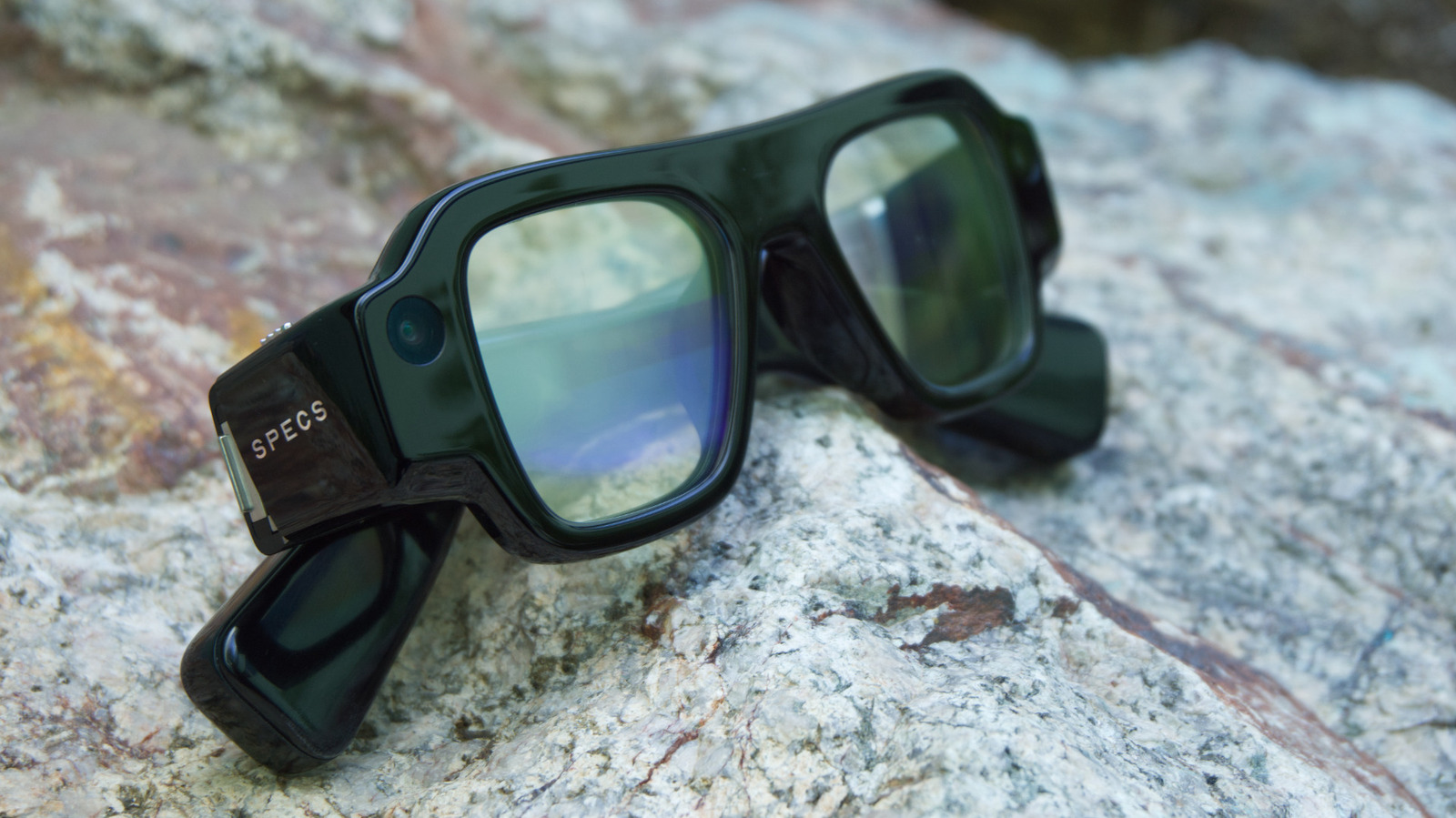
Tony Leone, in a recent LinkedIn analysis, explains that the Chinese AI smart glasses market has ignited a fierce competitive wave, aptly dubbed the 'War of 100 Glasses.' This unprecedented expansion became particularly evident in early 2026, with Shenzhen's sprawling Huaqiangbei electronics bazaar serving as a key bellwether. Tony Leone reports that the market, a historical barometer for China's consumer electronics trends, experienced a notable surge in smart glass sales during this period. Tony Leone highlights a dramatic 80% year-on-year jump in AI-powered eyewear sales at Huaqiangbei within the first two months of 2026. Vendors swiftly reconfigured retail spaces, stocking products from numerous domestic brands, many unfamiliar outside China. This intense pace constitutes a 'saturation attack,' as Tony Leone notes, with manufacturers like XGIMI, Thunderbird Innovation, Rokid, and MLVision launching new models in rapid succession, almost daily. At last count, more than 70 companies are actively vying for market share in China's AI smart glasses sector. Tony Leone emphasizes the scale of this competition: not merely concepts or prototypes, but 70 established commercial entities, ranging from vast internet conglomerates to lean startups, all simultaneously aiming to integrate AI into consumer eyewear. The catalyst for this explosion is clear: Meta's Ray-Ban AI glasses. After years of being dismissed as a niche product, Meta's offering sold over seven million units in 2025 alone. This singular success 'detonated something in the Chinese tech industry,' according to Tony Leone. The prevailing logic among Chinese manufacturers is direct: replicate Meta's success, but deliver it 'cheaper, faster, and with our own AI.' Our take: The 'War of 100 Glasses' fundamentally shifts the global landscape for AI eyewear. While Western markets, led by Meta and soon Apple, are progressing deliberately, China is pursuing a hyper-accelerated, high-volume strategy. This intense domestic competition could rapidly mature the technology and drive down prices, potentially forcing global competitors to adapt or fall behind. However, it also raises questions about sustainability, long-term software support, and the sheer fragmentation of the ecosystem.
Interactive guide — prices, displays, cameras, battery.
Share this story