Analysis · —
The Ambient Iron Curtain: US vs. China's Smart Glasses Showdown
2026 isn't just a year for smart glasses; it's the crucible for digital sovereignty. The race to own ambient computing will redefine global power dynamics.

2026 marks a decisive turning point in the geopolitical struggle for digital supremacy, specifically in the realm of smart glasses. This isn't merely a competition for market share; it's a high-stakes race between US and Chinese tech giants to define and control the future of ambient computing. The struggle will shape not just our devices, but our very perception of the world.
On the US front, Meta has solidified an aggressive position. Its Ray-Ban Meta and Oakley Meta glasses, boosted by firmware v26, integrate sophisticated on-device intelligence via Muse Spark AI. The Meta One Premium subscription, priced at $19.99 monthly, now strategically paywalls advanced AI features, cementing an ecosystem lock-in from the ground up. This move sets a clear precedent for monetizing cutting-edge wearable AI.
Beneath the user-facing hardware, Qualcomm quietly underpins much of this global ambition. The company's Reality Elite chip is poised to become the indispensable brain inside next-generation AI-powered eyewear, dictating the foundational architecture for countless devices. Qualcomm's silicon supremacy means even non-US brands may depend on its technology, a crucial factor in the broader geopolitical tech race.
Further augmenting the US-aligned competitive landscape, Samsung prepares its Galaxy Glasses. Upcoming details suggest deep integration with existing Galaxy Rings and smartwatches, enabling intuitive gesture controls and leveraging a pre-established user base. This ecosystem-first strategy provides Samsung a distinct competitive edge, differentiating it from more standalone smart glasses offerings.
Meanwhile, China's tech titans are advancing with stealth and significant ambition. ByteDance, the powerhouse behind TikTok, is making a quiet yet formidable entry into the smart glasses arena. Their vast ecosystem and expertise in multimodal AI position them as a sleeping giant, ready to unleash a pervasive, immersive digital layer.
Alibaba Quark presents another significant Chinese player with its 'Quark AI Glasses S1.' While public details remain scarce, Alibaba's unparalleled resources in AI research, data analytics, and e-commerce signal a strategic long-term play. This enigmatic entry suggests a profound intent to integrate context-aware services and novel commerce experiences directly through wearables.
Both sides are undeniably building proprietary 'walled gardens' through their smart glasses initiatives. Meta's subscription model and ByteDance's leveraging of its existing user base exemplify this trend. This aggressive drive for integrated, closed ecosystems fundamentally narrows the path for independent developers and open-source innovation.
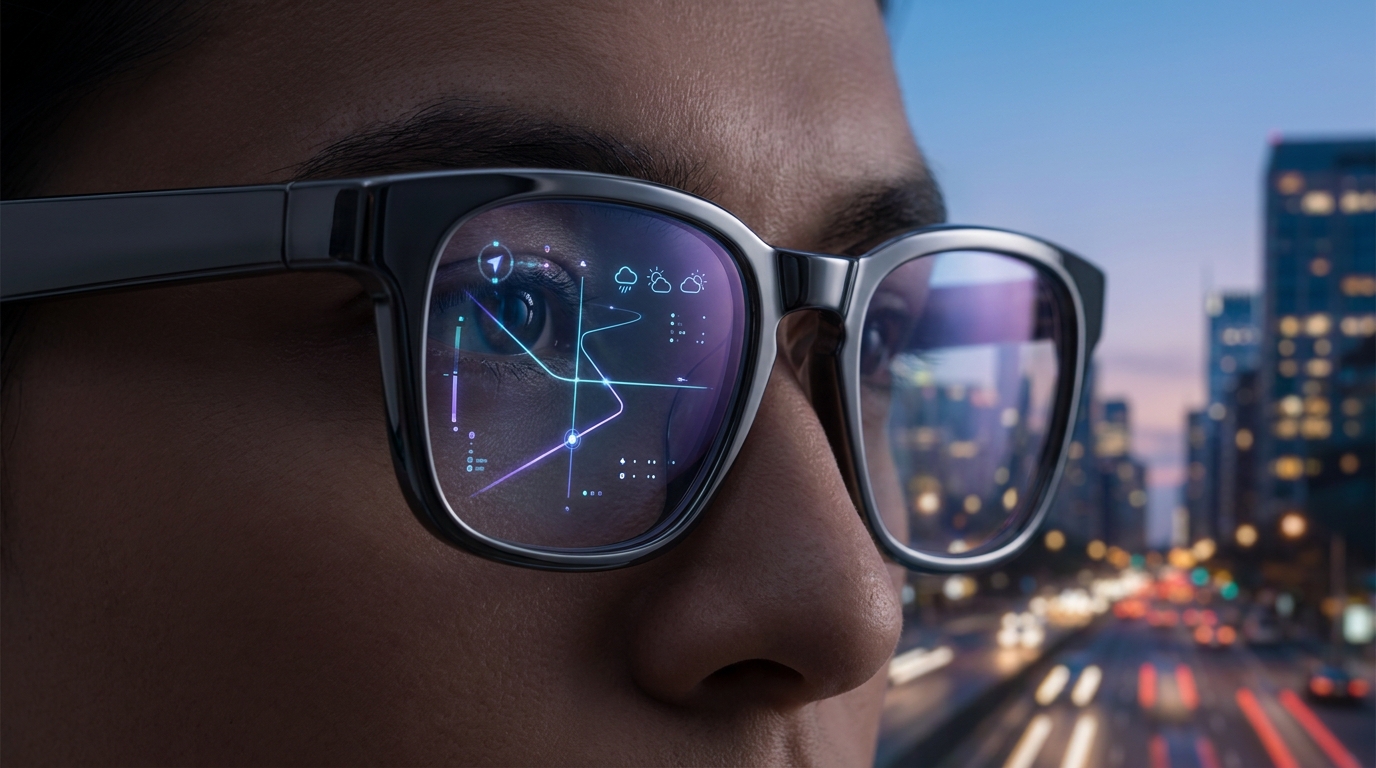
A key strategic divergence exists in the industry's approach to displays. While some US players like Snap with its $2,195 SPECS still chase the 'see-through computer' spectacle, the true path to mass adoption lies in discreet, display-less AI glasses. This AI-first, utility-focused approach, as seen with new entrants like Thunderbird V3 AI Glasses, fundamentally redefines consumer appeal away from digital bombardment.
Despite this intense competition, the smart glasses market globally continues to misunderstand core user needs. A persistent fixation on visual spectacle, combined with high costs and new subscription models, creates unnecessary friction. This misalignment between product offering and genuine consumer demand remains a critical challenge for mass adoption across all brands.
Beyond market dynamics, a shared concern for both competing blocs is the weaponization of advanced tech. The recent €1.5 million crypto fraud in France, reportedly leveraging smart glasses, highlights the growing potential for misuse. Such incidents underscore the urgent need for robust security measures and consumer trust frameworks in an increasingly connected world.
The 2026 smart glasses race transcends mere hardware sales; it's about establishing digital sovereignty over our very perception. Whichever nation's tech giants successfully define the pervasive, AI-first ambient computing layer will wield unprecedented influence. This control extends to personal data, information flow, and ultimately, our interaction with the digital world.
This year, 2026, serves as a true crucible for the future of smart eyewear. Meta's aggressive monetization and product strategies are setting global precedents, while ByteDance and Alibaba's stealthy, ecosystem-driven plays position them for immense long-term impact. The foundational battle for this nascent technology will significantly impact the global tech landscape.
The outcome of this US vs. China contest will not just redraw the lines of technological dominance; it will fundamentally reshape the contours of global power. The subtle yet profound battle for ambient computing and cognitive influence is underway, and 2026 is where its most critical chapters are being written.
Interactive guide — prices, displays, cameras, battery.
Share this story