Analysis · —
2026: The AI Glasses Race, USA vs. China for Digital Supremacy
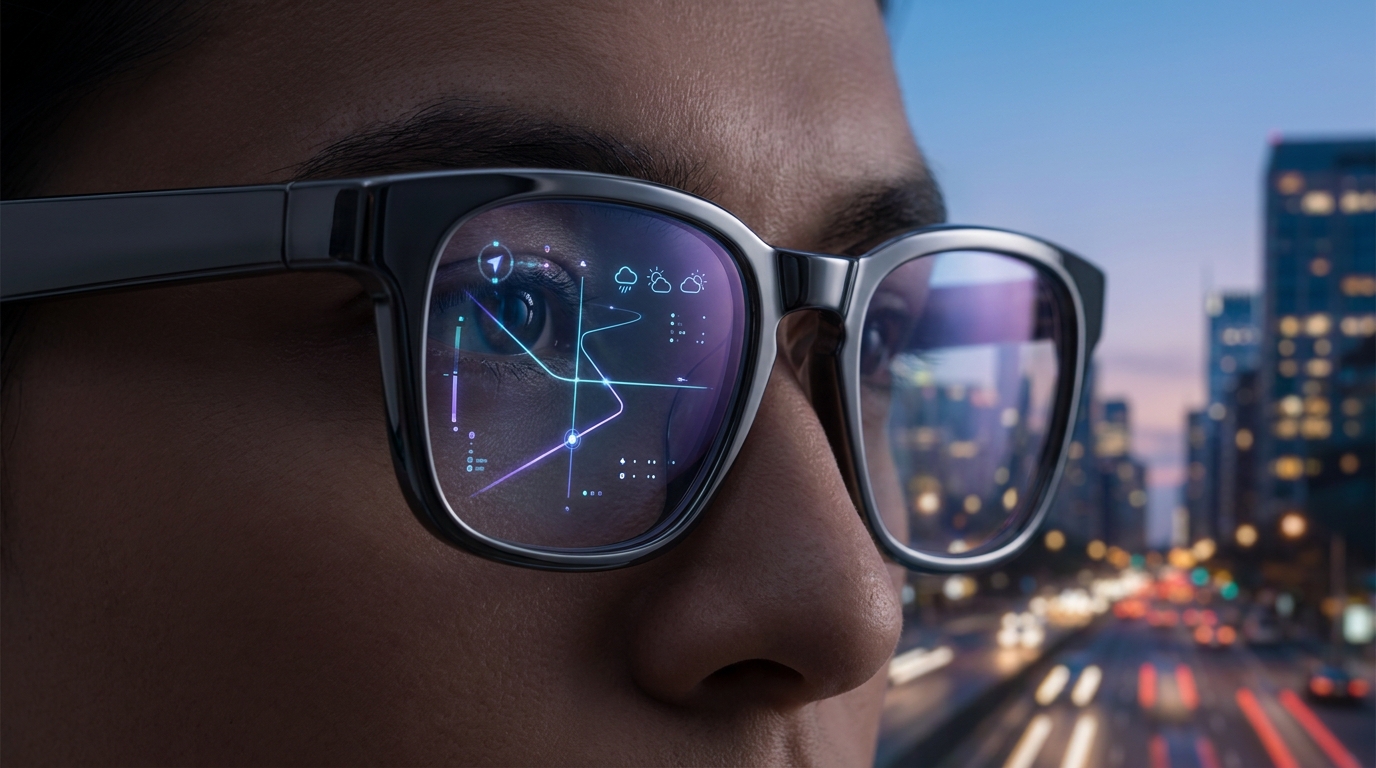
The battle for ambient computing in 2026 is a high-stakes geopolitical contest, as Meta's aggressive monetization meets ByteDance and Alibaba's stealthy ambition. This isn't just about devices; it's about digital sovereignty.
2026 isn't just another year for smart glasses; it's the crucible for a high-stakes geopolitical contest. The race between US and Chinese tech giants to define the future of ambient computing is no longer a whisper, it's a roar. This isn't about incremental upgrades, it's about establishing digital sovereignty over our very perception, a struggle reaching an inflection point.
On the US side, Meta has planted its flag with undeniable force. With firmware v26 and the introduction of Muse Spark AI, Ray-Ban Meta and Oakley Meta glasses have cemented their lead, offering sophisticated on-device intelligence. This aggressive play is less about hardware and more about an ecosystem lock-in, shaping user experience from the ground up.
Critically, Meta's Meta One Premium subscription, priced at $19.99 per month, transformed AI utility into a recurring revenue stream. This paywall for features like extended Conversation Focus signifies a profound shift, monetizing intelligence itself. It's a confident, controversial move, but one that solidifies Meta's financial model and puts immense pressure on rivals.
Across the Pacific, Chinese titans are mobilizing with equal ambition, albeit with characteristic opacity. ByteDance, the undisputed master of multimodal AI and short-form video, is quietly entering the smart glasses arena, a move signaling a looming battle for personal augmented reality. Their existing ecosystem of billions presents an unparalleled launchpad for any new hardware initiative.
Not to be outdone, Alibaba's Quark division has also made its enigmatic foray with the Quark AI Glasses S1. While details remain frustratingly scarce, this move from an e-commerce and cloud computing behemoth cannot be dismissed. Both ByteDance and Alibaba possess the AI research and data analytics resources to rapidly challenge Meta's perceived dominance.
The battleground for mass adoption is not, despite industry fixation, on dazzling displays. Instead, it's the discreet, display-less AI glasses that promise genuine utility without digital bombardment. Products like Snap's $2,195 SPECS, and even Apple's perpetually delayed Vision Pro, prove the 'see-through computer' approach consistently misses the mark, alienating everyday users.
The true path forward, embraced by a new wave of devices, is AI-first. A new player like Thunderbird, with its V3 AI Glasses, epitomizes this silent revolution, positioning itself firmly in the ambient computing camp. This focus on computational prowess and user experience, rather than visual spectacle, is where the real market leverage lies for global contenders.
Underlying this geopolitical hardware struggle is Qualcomm, the silent engine of the entire smart glasses market. Their Reality Elite chip is poised to become the indispensable brain inside the next generation of AI-powered eyewear. While Qualcomm isn't building glasses, its silicon supremacy dictates the architecture for countless devices, from American to Chinese brands, giving the US a foundational advantage.
The intensifying US-China competition is driving a fierce consolidation into proprietary, tightly integrated ecosystems. Meta's approach, exemplified by its subscription model, mirrors ByteDance's ambition for a persistent, immersive digital layer. This trend actively boxes out open-source builders, funneling users into specific, controlled environments.
Even South Korean giant Samsung, often aligning with the US tech sphere, is doubling down on ecosystem integration with its upcoming Galaxy Glasses. Planned compatibility with the Galaxy Ring and smartwatches, potentially enabling gesture controls, showcases another facet of this lock-in strategy, creating a distinct competitive edge against both US and Chinese rivals.
Despite this monumental tech race, smart glasses in 2026 still largely miss the mark for everyday users. The industry's fixation on spectacle, high costs, and now new subscription models create unnecessary friction for mass adoption. This disconnect is a significant vulnerability for both American and Chinese contenders, despite their technological might.
Adding to consumer hesitation is the growing concern over the weaponization of advanced tech. The recent €1.5 million crypto fraud case in France, allegedly leveraging smart glasses for deception, serves as a stark reminder. This potential for misuse, from surreptitious recording to facilitating sophisticated cons, erodes user trust, a critical factor for any mass market device.
2026 is shaping up to be a defining year, not just for smart glasses, but for the fundamental control of ambient intelligence. The US, led by Meta's aggressive monetization and Qualcomm's foundational silicon, faces a potent, stealthy challenge from Chinese giants like ByteDance and Alibaba in this critical arena.
This isn't just about who sells the most units. It's about whose AI defines our digital reality, whose ecosystem captures our data, and ultimately, which nation sets the standards for the next era of computing. The smart glasses race is a proxy war for technological supremacy, and the stakes could not be higher.
Interactive guide — prices, displays, cameras, battery.
Share this story