Analysis · —
2026's Smart Glasses: Still Too Tech, Not Enough Life
We're nearing mid-decade, and the industry giants are still pushing devices that fundamentally misunderstand how humans live. Despite impressive technological strides, the user experience remains an afterthought for daily wear.

The smart glasses landscape of 2026, while undeniably more sophisticated than its predecessors, continues to miss the mark for everyday users. Companies like Meta and Snap are pouring billions into R&D, delivering hardware that is technically impressive, yet often practically clumsy. The fundamental flaw persists: many of these devices are designed from a tech-first perspective, rather than an ergonomic, human-centric one.
Take EssilorLuxottica's grand alliance with Applied Materials, announced on June 16, 2026. This partnership aims to accelerate AR displays and AI glasses, building on their existing collaboration with Meta which has yielded products under Ray-Ban and Oakley. While the move signals a continued push for advanced optics, it reinforces a display-centric approach that often clashes with real-world wearability and battery life, issues that plague even Meta's $800 Display Glasses.
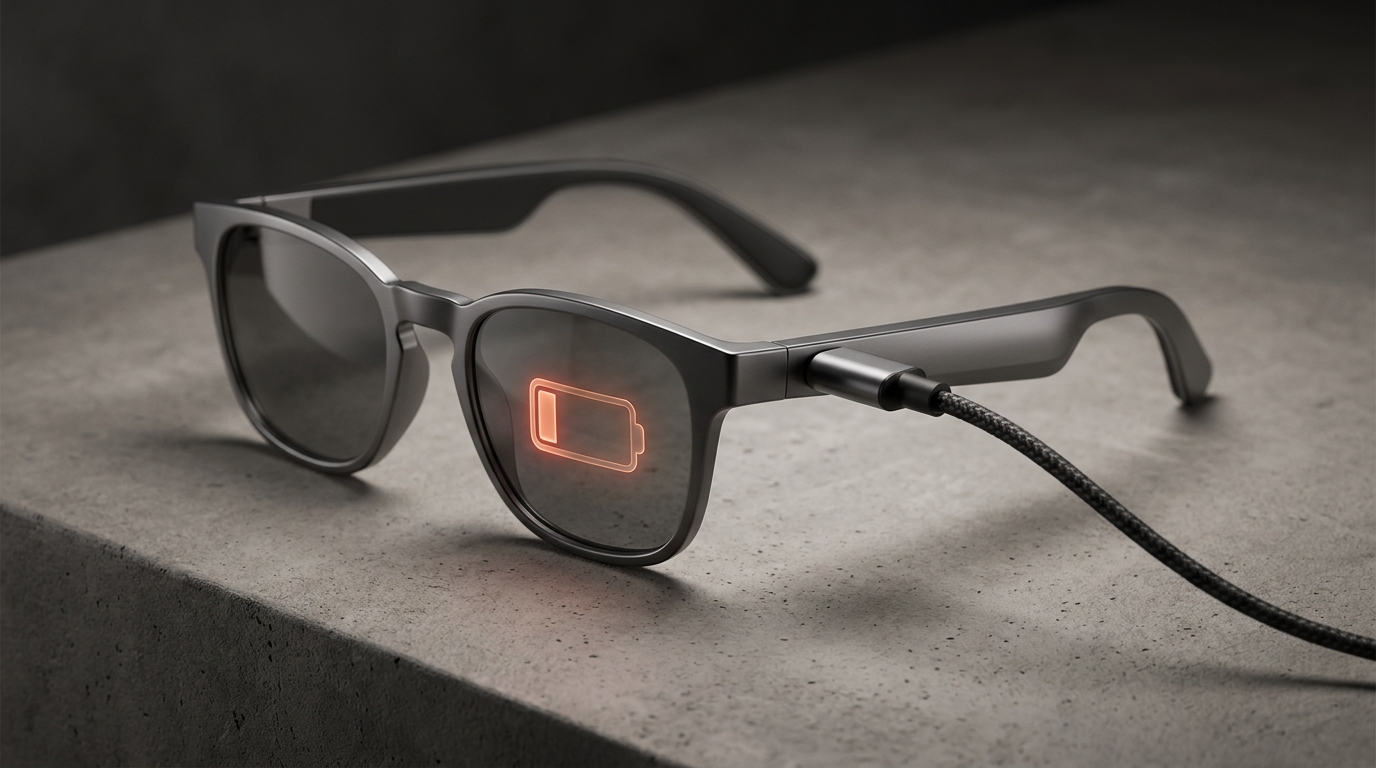
Indeed, Meta's Display Glasses, even after their May 2026 software update adding Instagram integration and AR widgets, still contend with significant challenges like weight and battery life, as Geeky Gadgets noted on June 14. These are not minor inconveniences; they are fundamental barriers to all-day use. A device that constantly needs charging or feels heavy on the face is not seamlessly integrated into a user's life, regardless of its feature set.
Even the exciting prospect of NFC charging, showcased by NuCurrent's prototype at AWE, while promising sleeker designs by eliminating pogo pins, merely addresses one design hurdle. The core architectural decisions, driven by powerful display engines and AI processing, remain the primary culprits for bulk. As NuCurrent CEO Jacob Babcock indicated via engadget.com on June 16, the charging mechanism contributes to thickness, but it is far from the only factor.
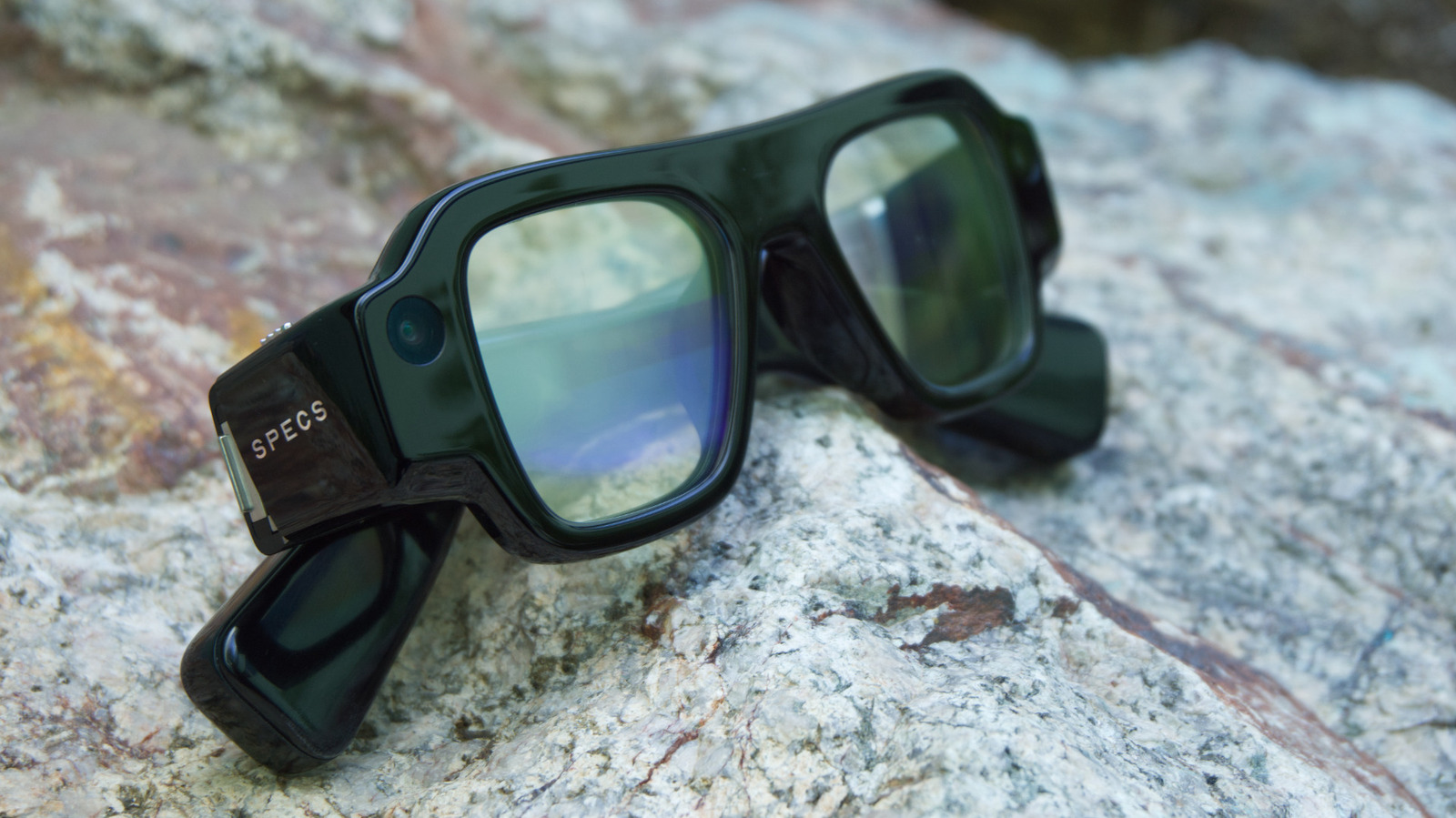
Snap's new AR Specs, priced at a staggering $2,195, exemplify the industry's continued disconnect. CEO Evan Spiegel, as reported by Engadget on June 16, attempts to rebrand them as a 'see-through computer' rather than 'AI glasses,' emphasizing privacy and parental controls. Yet, despite this messaging, the price point and the focus on 'overlaying computing on the world' suggest an advanced, but still niche, device for early adopters, not the broad public.
The high cost of Snap's Specs, echoed by Snap Newsroom on June 16, immediately limits their accessibility. While perhaps a 'landmark moment' for post-smartphone computing, as Snap themselves claim, it's a future reserved for those with disposable income. Mass adoption requires affordability, and even Meta's more budget-friendly Ray-Ban models, which The Gadgeteer noted on June 13 range up to $799, remain a significant investment for many.
Snap's differentiation strategy, attempting to steer clear of the 'AI glasses' label by positioning Specs as a 'computer,' is telling. It highlights a lingering public discomfort with always-on cameras and microphones. While Meta's AI glasses are providing incredible assistance to visually impaired veterans, as Fox News reported, the broader public is wary of wearers 'recording everything,' a concern Spiegel tacitly acknowledges.
The core issue isn't just about displays or recording capabilities; it's about the pervasive sense of 'tech on your face.' While Meta's latest Ray-Ban models are praised by The Gadgeteer for avoiding this, the moment a device demands frequent interaction, noticeable weight, or a specific charging ritual, it breaks the illusion of natural eyewear. Qualcomm's Snapdragon Reality Elite platform, as TheNextWeb reported on June 17, enables powerful AI, but raw processing power doesn't inherently translate to comfortable, discreet wear.
This leads to a bifurcation in the market, which Smart Glasses Daily Originals covered on June 13 and May 29. On one hand, you have the high-end AR glasses with immersive displays, often heavy and expensive. On the other, the 'display-less AI glasses' like Meta's basic Ray-Ban line, which prioritize audio and camera functions. The latter, despite often being less flashy, are seeing genuine mass-market traction because they offer practical AI augmentation without the typical AR baggage.
Meta's strategy with its Ray-Ban AI glasses, focusing on practical, display-free augmentation, has been a 'dominant driver' for EssilorLuxottica's growth. This success stems from prioritizing utility and style over dazzling, yet impractical, display technology. It's a pragmatic recognition that most users don't yet need a visible screen floating in their field of view, but they do want intelligent assistance and communication.
Even Meta's retail expansion, bringing 'Meta Lab' demo sections to 50 Best Buy locations, as UploadVR reported on June 15, is designed to combat this disconnect. They understand that hands-on experience is crucial for consumers to overcome skepticism about new form factors. But until the underlying technology allows for truly invisible integration, these devices, no matter how powerful, will remain a distinct category of 'tech' rather than becoming just 'glasses.'
The industry needs to shift its focus from 'what can we put into glasses?' to 'how can glasses disappear into daily life?' The obsession with spatial computing and immersive AR, while exciting, often overlooks the basic human desire for comfort, subtlety, and long-lasting utility. Until smart glasses truly become extensions of ourselves- unobtrusive and always available- they will continue to be a specialized gadget, not an everyday essential.
Interactive guide — prices, displays, cameras, battery.
Share this story