Manufacturer News · Snap
Snap's $2,195 Specs: The First True AR Glasses Are Finally Here
Snap just unveiled SPECS, a standalone AR device years ahead of its rivals. At $2,195, they aren't for everyone, but they are a landmark moment for post-smartphone computing.
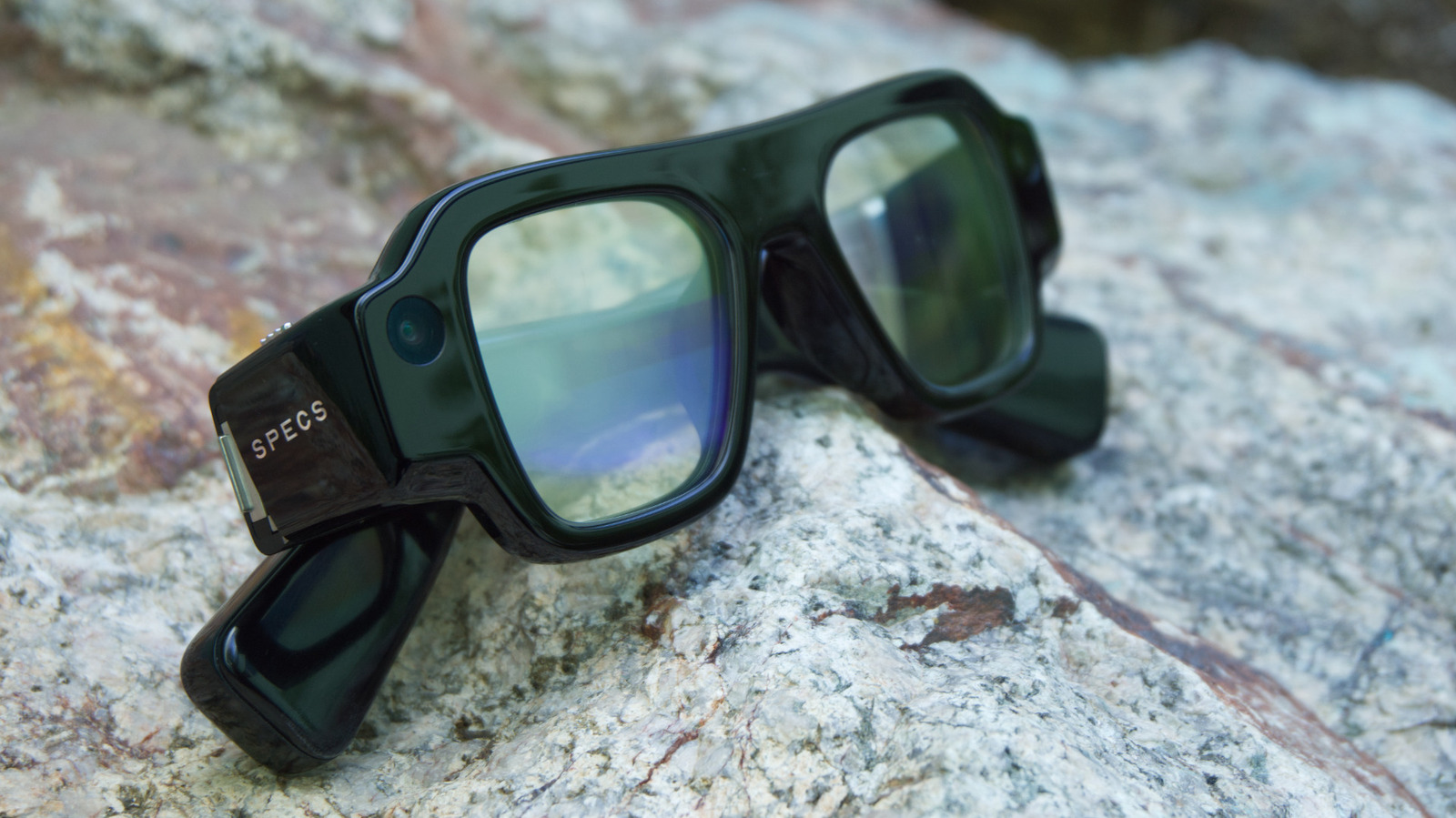
Snap CEO Evan Spiegel just dropped the mic at AWE 2026, finally unveiling the company's first true augmented reality glasses for consumers: SPECS. The price tag is just as stunning as the hardware: a cool $2,195. That's a steep climb from the notification-centric smart glasses we've seen so far, but Snap is betting that this is the device that finally delivers on the promise of spatial computing. It's a standalone system that overlays digital information onto the real world, no phone or clumsy puck required. Pre-orders are open now with a $200 refundable deposit, with the first units shipping this fall in the US, UK, and France. The question isn't whether the tech is impressive, it's whether anyone is ready to pay two grand for a glimpse of the future.
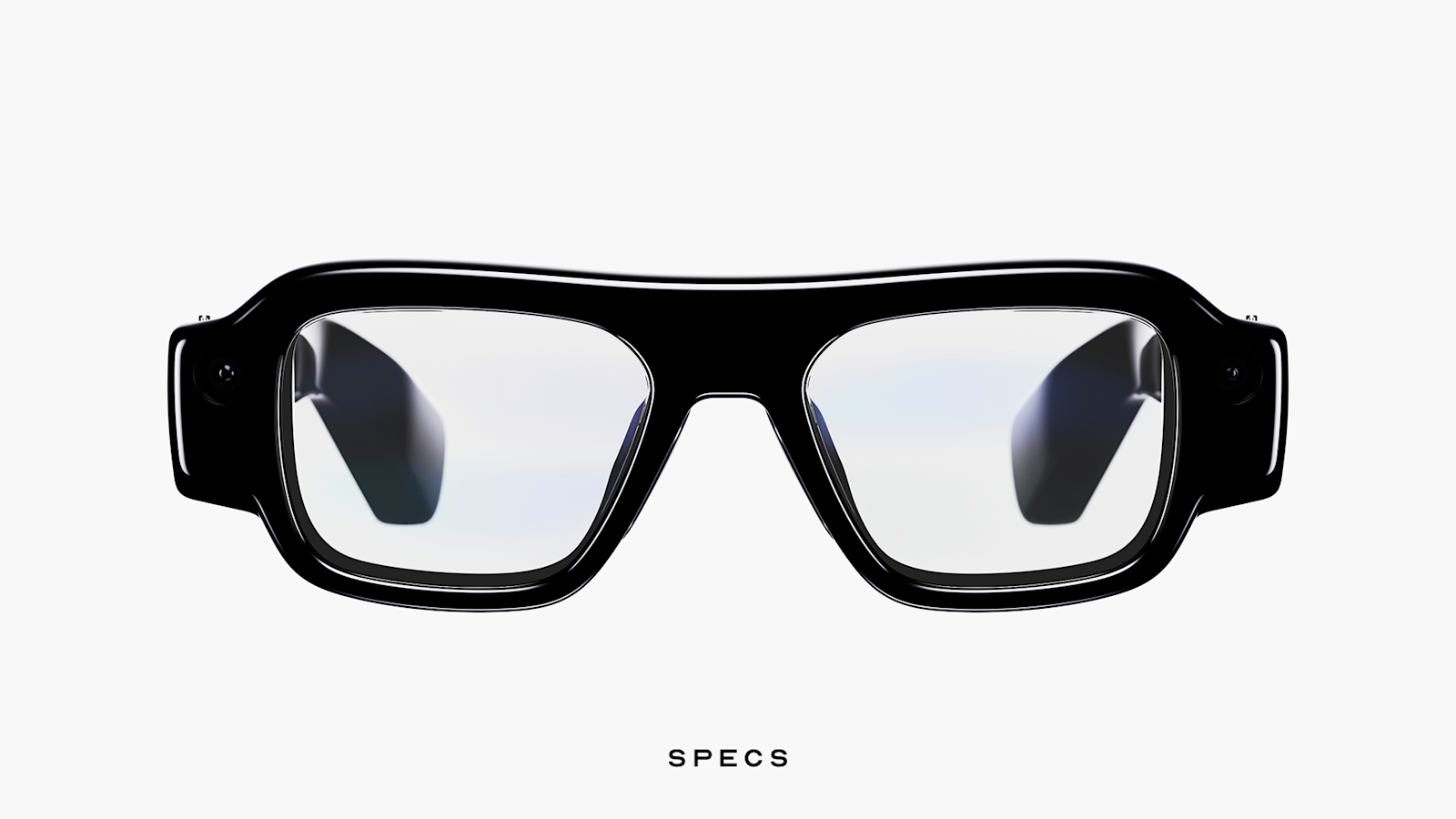
Let's be clear about what "true AR" means, because the term gets thrown around a lot. It isn't just a heads-up display (HUD) showing notifications in a fixed corner of your eye, like the Ray-Ban Meta Display. It also isn't a simple media viewer that projects a giant, static TV screen in front of you, which is the core function of glasses from XREAL and Viture. True AR, or spatial computing, means the device understands your environment. It can place digital objects in your room that stay put when you walk around them. SPECS are designed to do just that, creating interactive digital content that feels like it's part of your physical world. This is a fundamental leap in capability, moving from passive information display to active world-interaction.
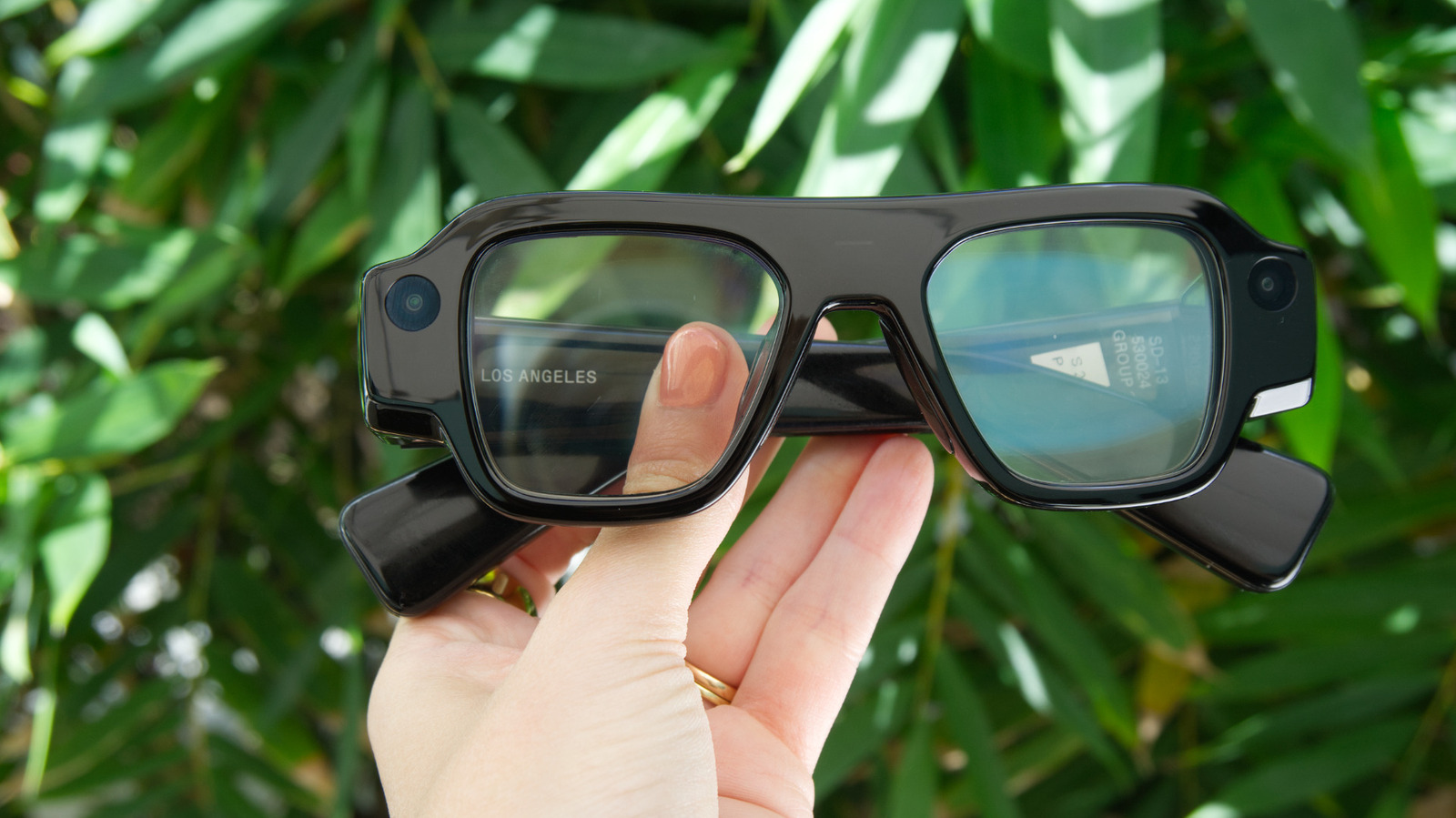
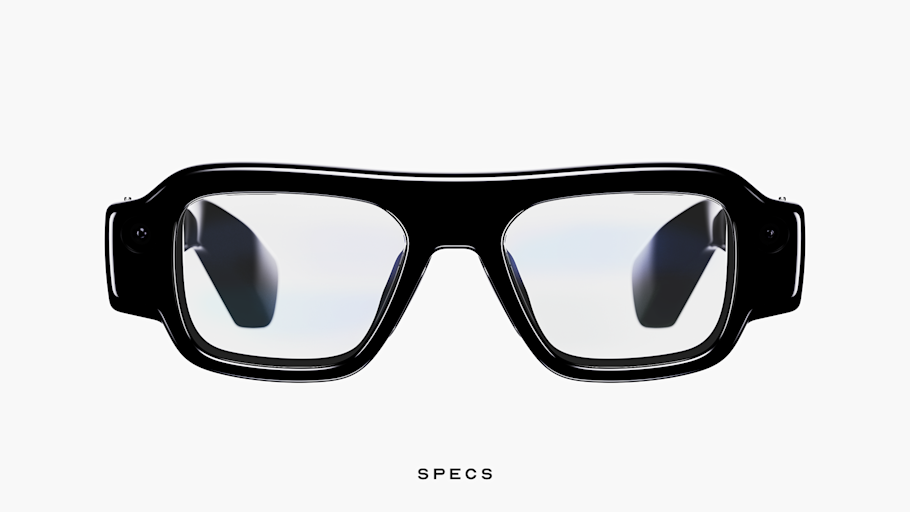
Snap clearly obsessed over the industrial design. SPECS will ship in two sizes, a 47 mm and a 52 mm frame, to accommodate different head sizes. The frames are made from a Swiss-engineered TR90 polymer, a durable and lightweight thermoplastic common in high-end eyewear. At 132 grams for the smaller model and 136 grams for the larger one, they are not exactly featherlight, but it's a massive improvement over the 226-gram developer-only Spectacles 5. For comparison, a standard pair of acetate glasses is about 30-40 grams. The key here is wearability. Snap seems to understand that if it doesn't look and feel like a pair of glasses, no one will wear it. For those who need them, prescription lens inserts will also be available, a crucial feature for daily use.
The display is where the magic happens, and Snap is using its own proprietary Liquid Crystal on Silicon (LCoS) projection system. It projects a 16-million-color image into a new custom waveguide. The result is a 51-degree diagonal field of view (FOV), which is about 30 percent larger than the previous generation. In AR, the FOV is your window into the digital world. A wider FOV means a more immersive experience, with less of a 'looking through a keyhole' effect. Snap claims the motion-to-photon latency is just 7 milliseconds, critical for making digital objects feel solid and stable. The perceived size is equivalent to a 24-inch desktop monitor or a 115-inch cinema screen viewed from 10 feet away. This is the spec that will make or break the user experience.
While the display gets the headlines, the real breakthrough might be the waveguide. This is the transparent part of the lens that directs the projected light into your eye. For years, the holy grail of AR has been creating a waveguide that is both highly efficient at displaying an image and almost perfectly clear when it's off. Bad waveguides create a distracting rainbow shimmer or haze called 'eye glow', ruining the illusion. Snap claims its new nanostructure waveguide represents a major leap forward in clarity and brightness. This is the moonshot. Getting this right means creating glasses you can actually see the world through, making all-day wear a plausible reality instead of a sci-fi fantasy. It's the key to making AR glasses, well, glasses.
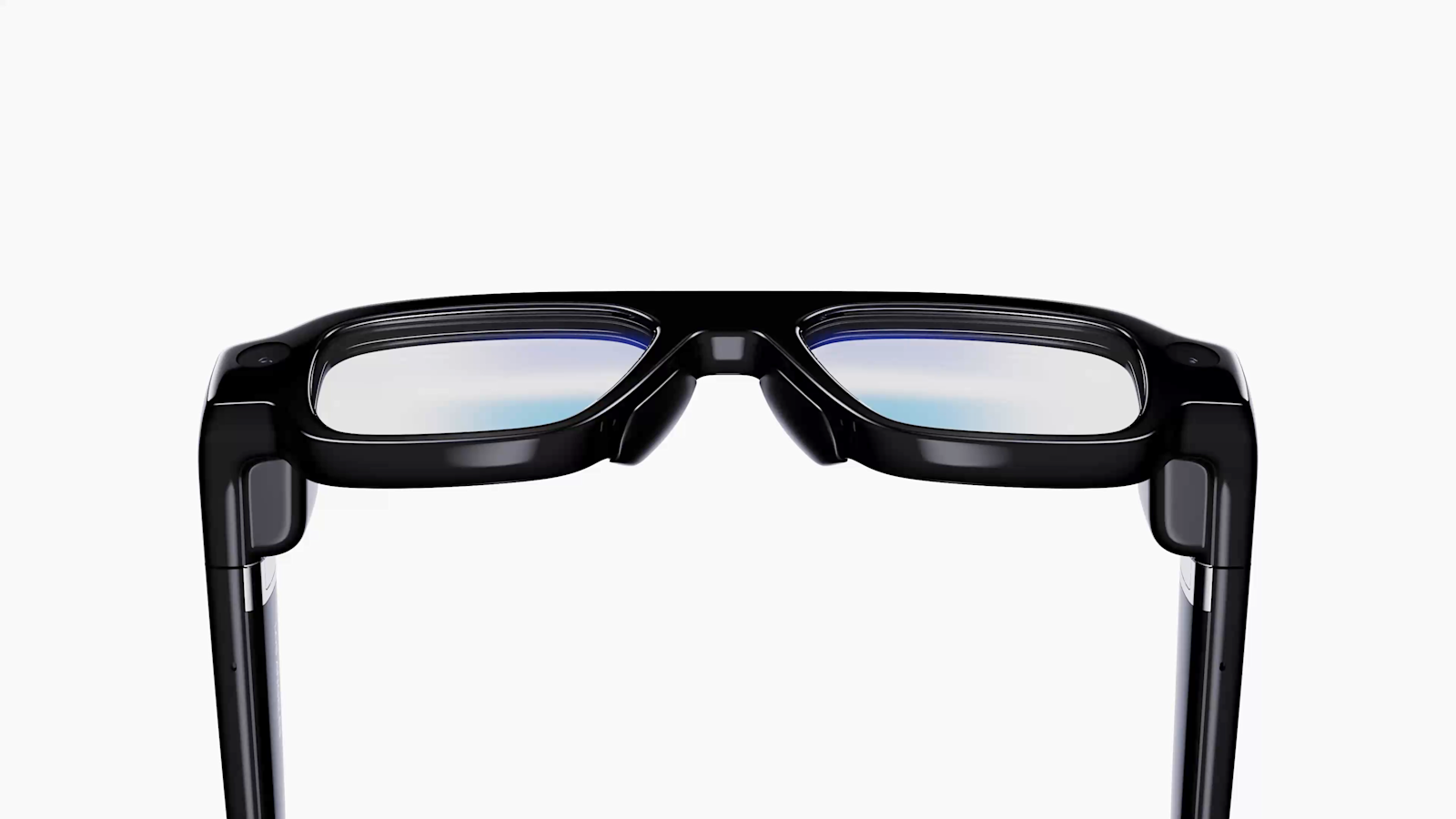
Powering this whole experience is a unique dual-chip architecture. SPECS run on two separate Snapdragon processors. One chip is dedicated entirely to computer vision tasks: understanding the geometry of a room, recognizing objects, and tracking your hands for gesture input. The second chip runs the main Snap OS and the AR experiences, known as Lenses. This division of labor is smart, ensuring that demanding environmental sensing doesn't bog down the user interface or the AR content itself. The system is fully standalone, a major differentiator that allows for untethered use without a connected phone or a processing puck clipped to your belt. It's a self-contained computer on your face, complete with an AI assistant and a new generation of gesture-controlled Lenses.
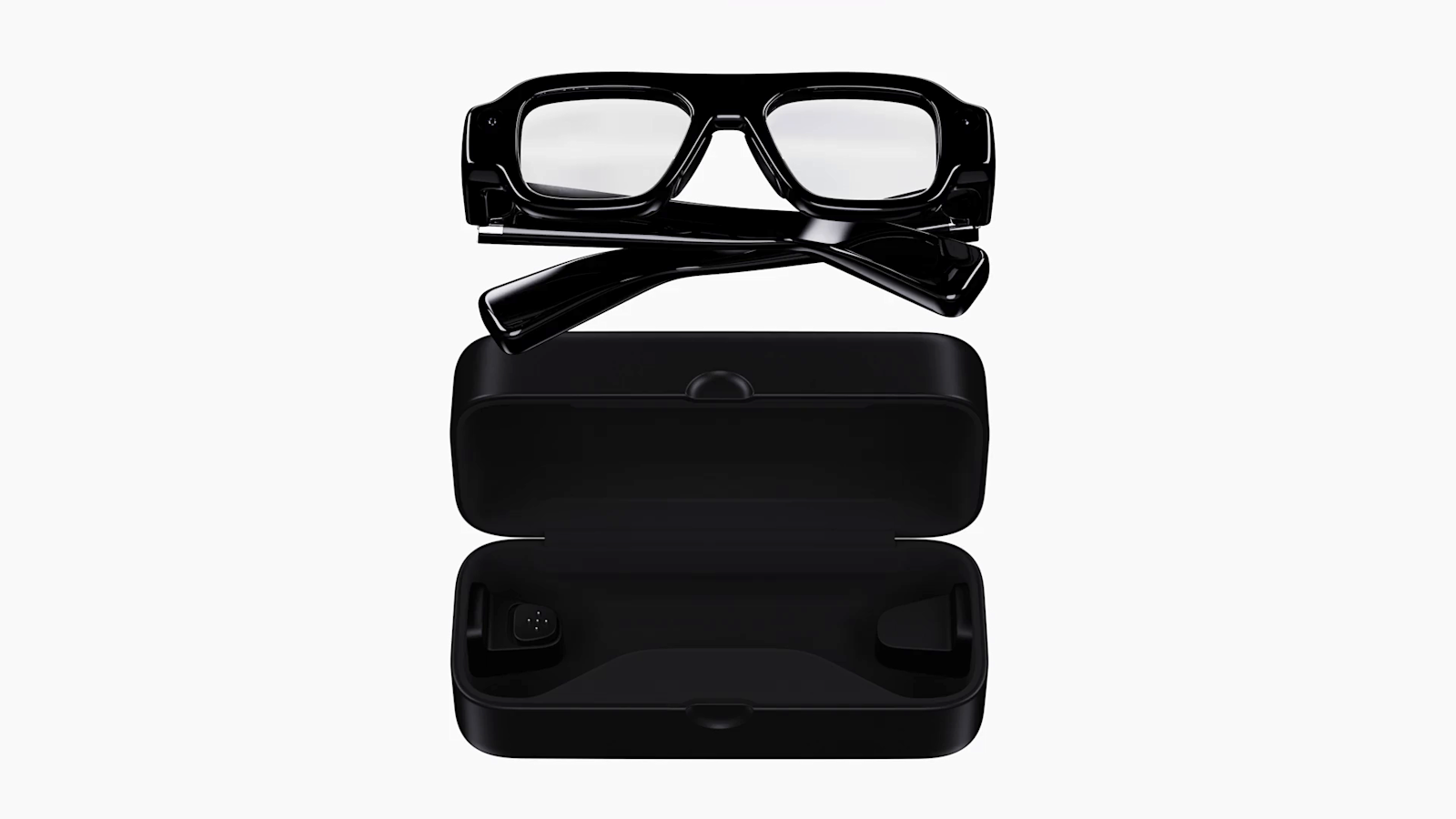
For a device meant to be worn out in the world, battery life is everything. Snap is claiming about four hours of mixed-use battery on a single charge. That's enough for a specific activity or a social outing, but it falls short of all-day computing. It's a reasonable figure for a first-generation standalone device this small, but it highlights the compromises still being made. Let's also be honest about what we don't know. Snap was conspicuously silent on key display specs like resolution, brightness in nits, and refresh rate. We also have no official numbers on RAM, internal storage, camera resolution, or an IP rating for water and dust resistance. This was a launch announcement, not a full technical review, and these missing details will be critical for a final verdict.
Snap isn't selling a gadget, it's selling a look. The company is launching SPECS with a high-fashion 'SPECS Visionary' campaign featuring a roster of cultural heavyweights: Kaia Gerber, Jack Harlow, Imogen Heap, Jimmy Butler, and Hoyeon. This is a calculated and expensive bet that the path to mainstream AR adoption runs through culture and style, not just technical specifications. By positioning SPECS as a covetable fashion object from day one, Snap is trying to sidestep the 'glasshole' stigma that plagued early smart glasses. The goal is to make wearing a computer on your face feel less like a nerdy experiment and more like a deliberate fashion statement. It's a bold strategy that attempts to define AR eyewear as an accessory before the tech world can define it as a utility.

How they stack up against the rest of the field. At $2,195, SPECS are in a class of their own. They are far more capable than the $799 Ray-Ban Meta Display, which is a simple HUD device. They are significantly lighter and more stylish than true-AR enterprise headsets like the 260g Magic Leap 2 ($3,300) or the discontinued 566g HoloLens 2 (was $3,500). They also shouldn't be confused with media viewers from XREAL or Viture, which are essentially wearable monitors and lack spatial awareness. The closest competitor on paper is TCL's RayNeo X3 Pro, but it has yet to ship at scale to Western consumers. We track every shipping pair of smart glasses in our running benchmark, and at 132 g for the 47 mm SKU, Specs are the lightest true-AR product on the list, period.
Our take: SPECS are the most compelling piece of AR hardware ever designed for consumers. They are a beautiful, ambitious attempt to build the device we've all been promised for the last decade. But the $2,195 price tag is a wall that most people will not be able to climb. Snap is creating a category that is more expensive than a flagship phone and less capable than a dedicated VR headset. This will likely relegate SPECS to a beautiful, influential niche for developers, artists, and wealthy early adopters. It's a stunning step forward, but it's not the final leap into the mainstream. For a full breakdown of the numbers and how SPECS compare to every other device on the market, see our comprehensive benchmark and industry whitepaper.



Interactive guide — prices, displays, cameras, battery.
Share this story