Guides · Ray-Ban
Smart Glasses: How to Spot Covert Recording
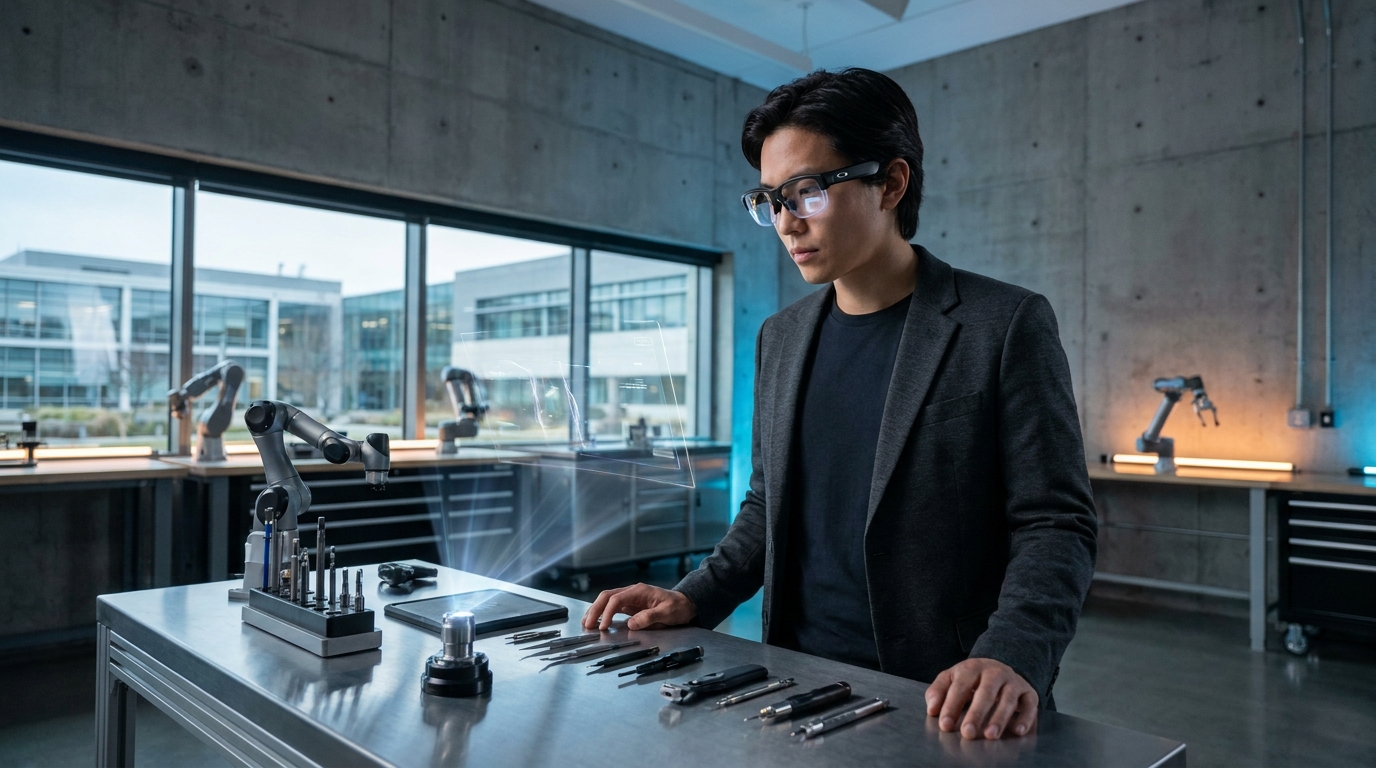
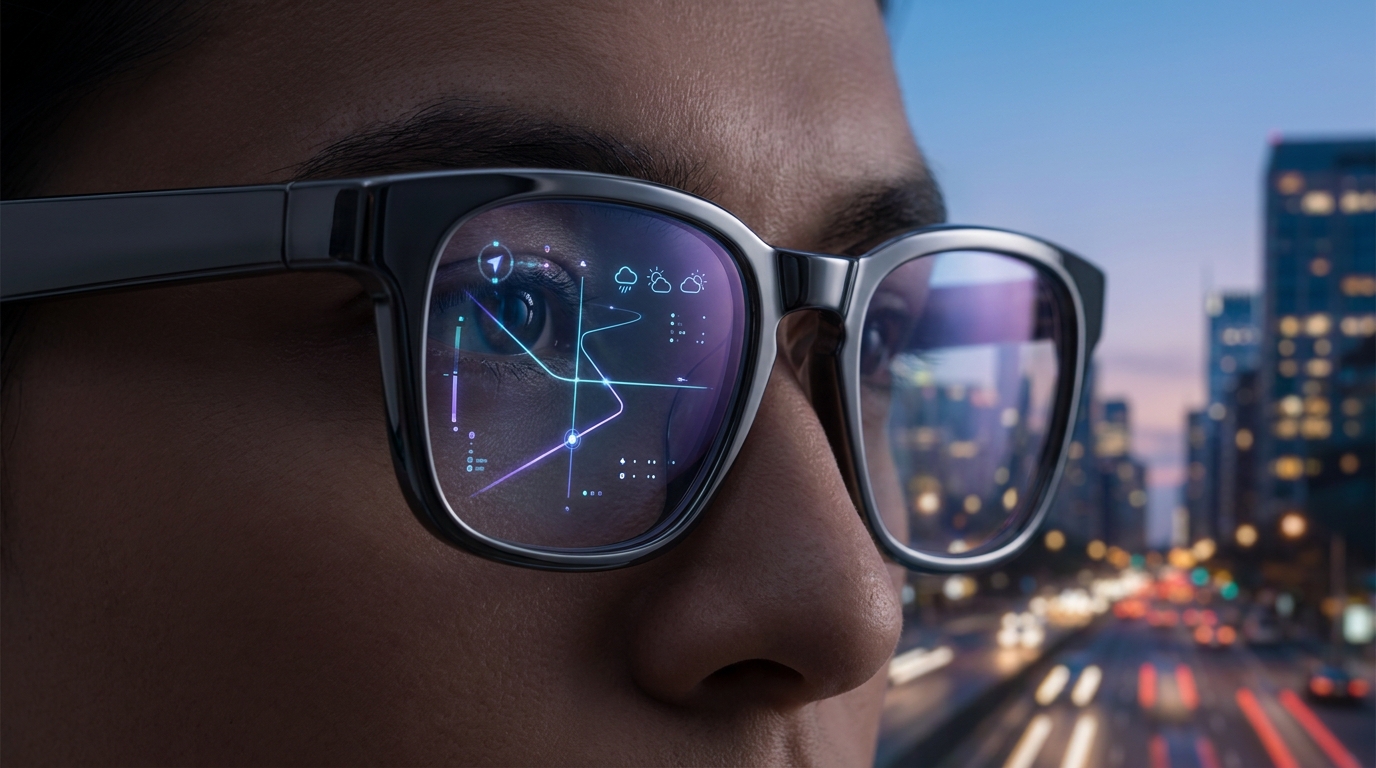
As smart eyewear integrates deeper into daily life, privacy concerns rise. Recognizing signs of active recording, from indicator lights to subtle motions, is crucial for maintaining personal space.
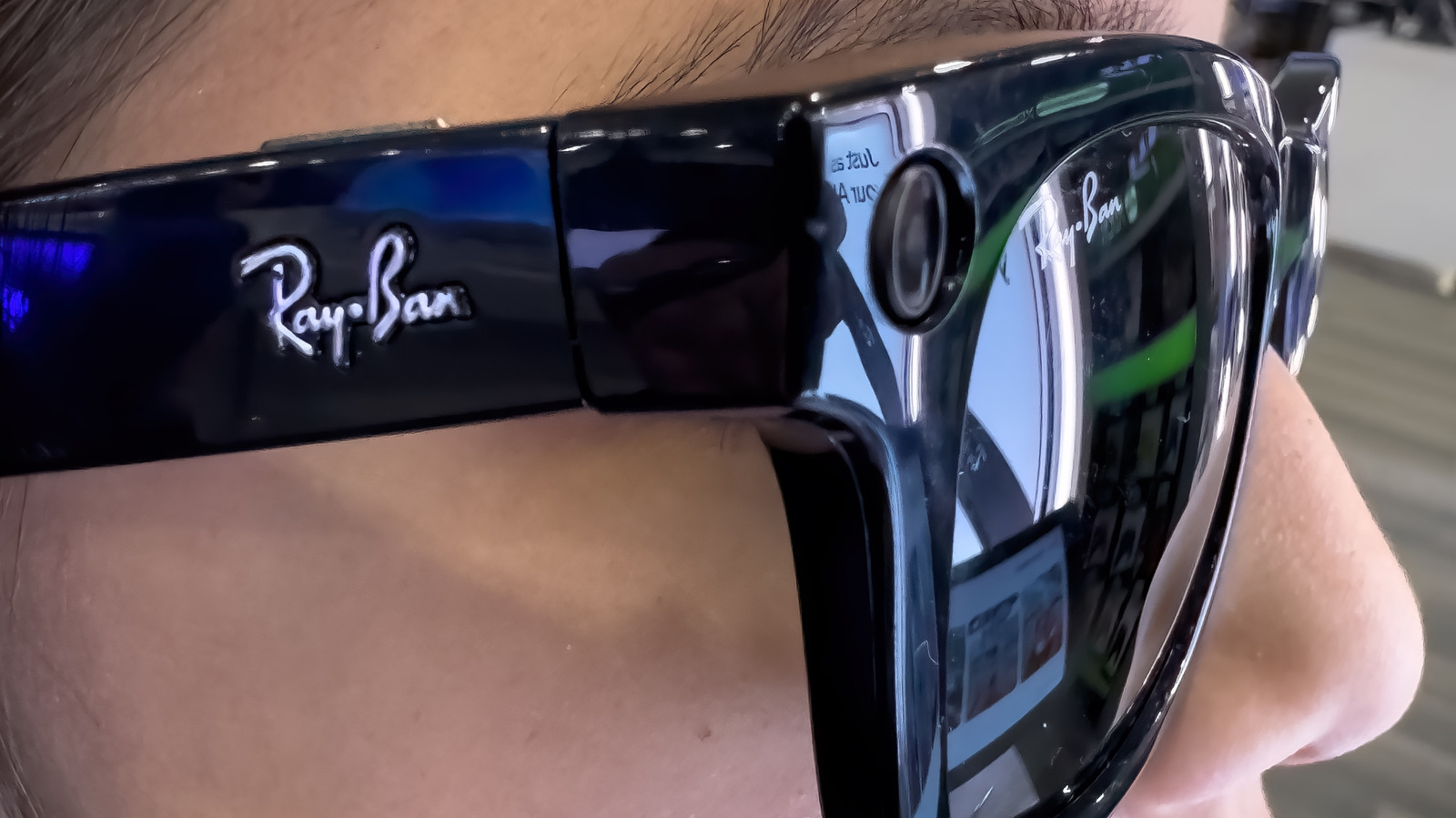
The proliferation of smart glasses, while offering compelling technological convenience, introduces significant privacy challenges. A key concern centers on the potential for individuals to record private moments without consent. While high-tech solutions like eyewear detection apps exist, the need for immediate, on-the-spot vigilance remains critical. As tech analyst Daniel Trock highlighted in a May 27, 2026 BGR article, users must be aware of physical cues like obvious camera lenses, suspicious motions, and audio indicators.
Many major smart glasses manufacturers, including Ray-Ban and Oakley, integrate small, distinct indicator LEDs on their frames. These lights, typically positioned in a corner, are designed to illuminate when the glasses' camera is actively capturing photos or video. Ideally, this serves as a clear, real-time warning.
However, this privacy feature is not universal, nor is it foolproof. Not all smart glass models include an indicator light, and even when present, it can be easily obscured or disabled. As Daniel Trock noted for BGR, a small, color-matched sticker is often all it takes to hide the LED, rendering the warning useless. Therefore, while a visible LED confirms recording, its absence does not guarantee privacy.
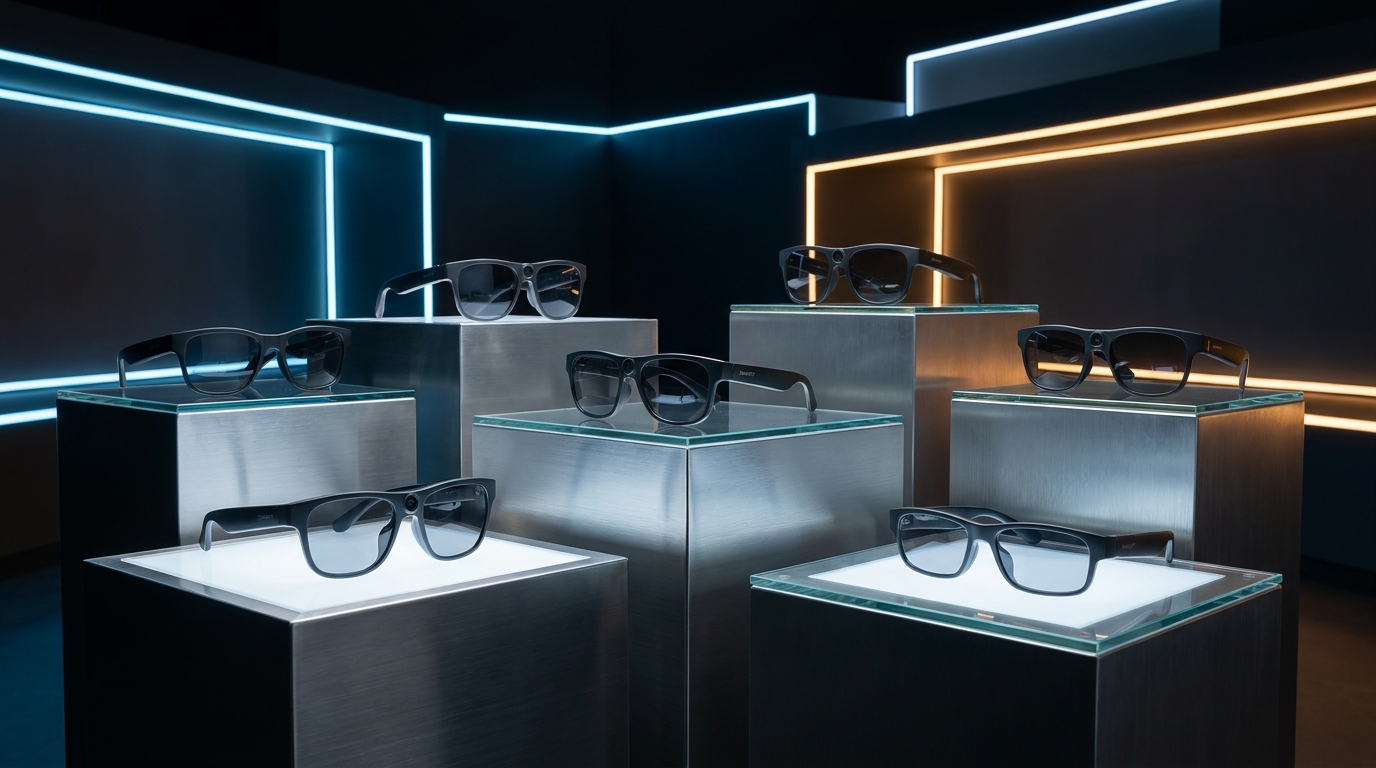
Beyond indicator lights, discerning the physical presence of a camera lens is another tactic. While smart glasses often feature small, discreet camera units, they are still present. These lenses are commonly found in the top corners of the frames or, in some designs, as a tiny pinhole on the bridge. Look for a subtle shimmer or unusually thick frame segments which may house internal components like the battery and camera module. Unlike decorative rivets, a pinhole on the bridge is a strong visual cue.
Smart glasses typically forgo large physical buttons in favor of more subtle interaction methods. Activating features like video recording or photo capture often requires specific head or hand gestures. While experienced users might perform these actions discreetly, attentive observers can often detect these deliberate motions, signaling that the device is being actively used to capture content.
Our take: The burden of privacy largely falls on the individual in public spaces. As smart eyewear becomes more ubiquitous, it's critical that manufacturers prioritize transparent recording indicators that are difficult to disable. Until then, awareness of these visual and behavioral cues remains the most practical defense against unwanted recording. This isn't just about avoiding a candid photo, it's about preserving personal autonomy in an increasingly surveilled world.
Interactive guide — prices, displays, cameras, battery.
Share this story