Manufacturer News · Meta
Smart Glasses 2026: Ray-Ban Meta Dominates Discretion, Market Values Range $149-$799
As of June 13, 2026, the smart glasses market offers a clear divide between polished big-brand offerings and focused niche devices. The Gadgeteer identifies ten notable pairs, with Meta's latest Ray-Ban models setting a new standard for subtle integration and advanced AI.
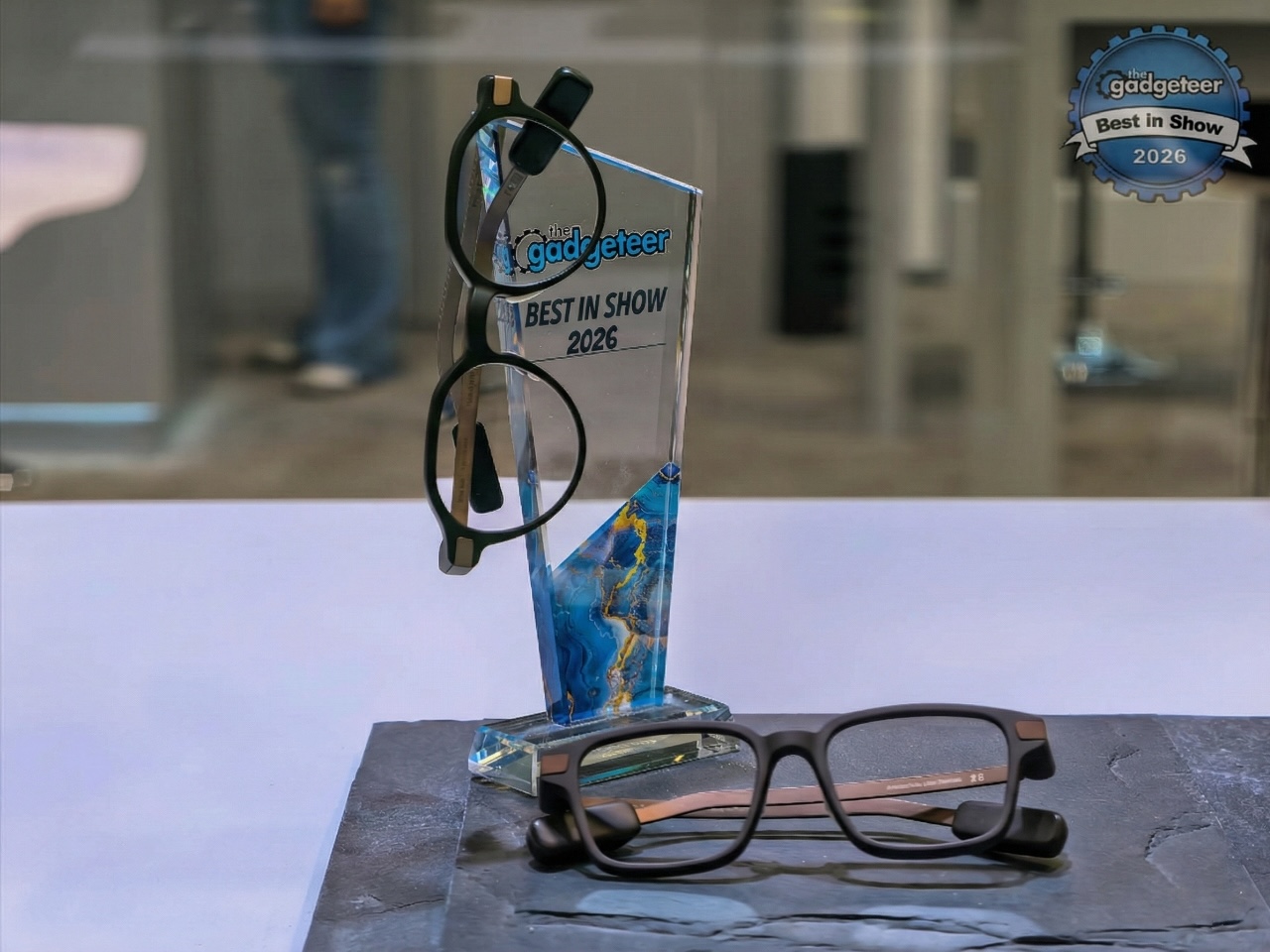
Published on June 13, 2026, a comprehensive report from The Gadgeteer outlines a newly mature smart glasses market, asserting that ten currently available pairs justify their price points. According to their reporting, the consumer-ready segment spans from $149.99 to $799, with the OhO sunshine Edge Pro marking the entry point and the Meta Ray-Ban Display, which includes the Neural Band, representing the high end of retail availability. Snap Spectacles continue to be accessible for developers only, at $99 per month.
Meta's second-generation Ray-Ban lineup remains a standout, praised by The Gadgeteer for its ability to avoid "looking like tech on your face." This spring introduced new prescription-first additions to the collection: the Blayzer and Scriber Optics frames. Developed by EssilorLuxottica, these models debuted in March 2026, with optical retail availability expanding from April 14, broadening Meta's reach within the traditional eyewear sector.
Functionally, the Ray-Ban Meta series offers compelling features. Users can capture up to 3K Ultra HD video, and the integrated Meta AI button provides contextual answers based on the user's field of view. A redesigned charging case now extends on-the-go power by up to 48 hours. Meta has also diversified its hardware variants with the Oakley Meta HSTN and Oakley Meta Vanguard, ensuring the same core technology is available across distinct everyday and sport-oriented frame families.
The Gadgeteer emphasizes the Ray-Ban Meta's suitability for "hands-free capture and a built-in assistant without looking like you are cosplaying a Black Mirror episode." The primary trade-off, as they note, is the absence of an in-lens display; notifications are delivered exclusively via open-ear speakers. They suggest that users with extreme prescription needs, not yet covered by the new Blayzer and Scriber range, might still need to wait for future iterations.
Our take: Meta's consistent focus on discreet design combined with practical AI features positions the Ray-Ban collaboration as a strong contender for mainstream adoption. While the lack of an in-lens display might deter power users, the emphasis on natural interaction and fashionable aesthetics addresses a significant barrier for many consumers. The strategic expansion into prescription-first options through EssilorLuxottica is a shrewd move, embedding smart features into essential everyday wear. This approach is key to moving smart glasses from novelty to utility for a broader market.
Interactive guide — prices, displays, cameras, battery.
Share this story