Analysis · Rokid
Rokid Redefines Smart Displays: How China's Innovators Eclipse Western Offerings
While Meta's Ray-Ban Display offers a discreet side screen, Chinese companies Rokid and Alibaba are captivating consumers with immersive virtual displays and advanced AI features, driving a new wave of smart glasses adoption.
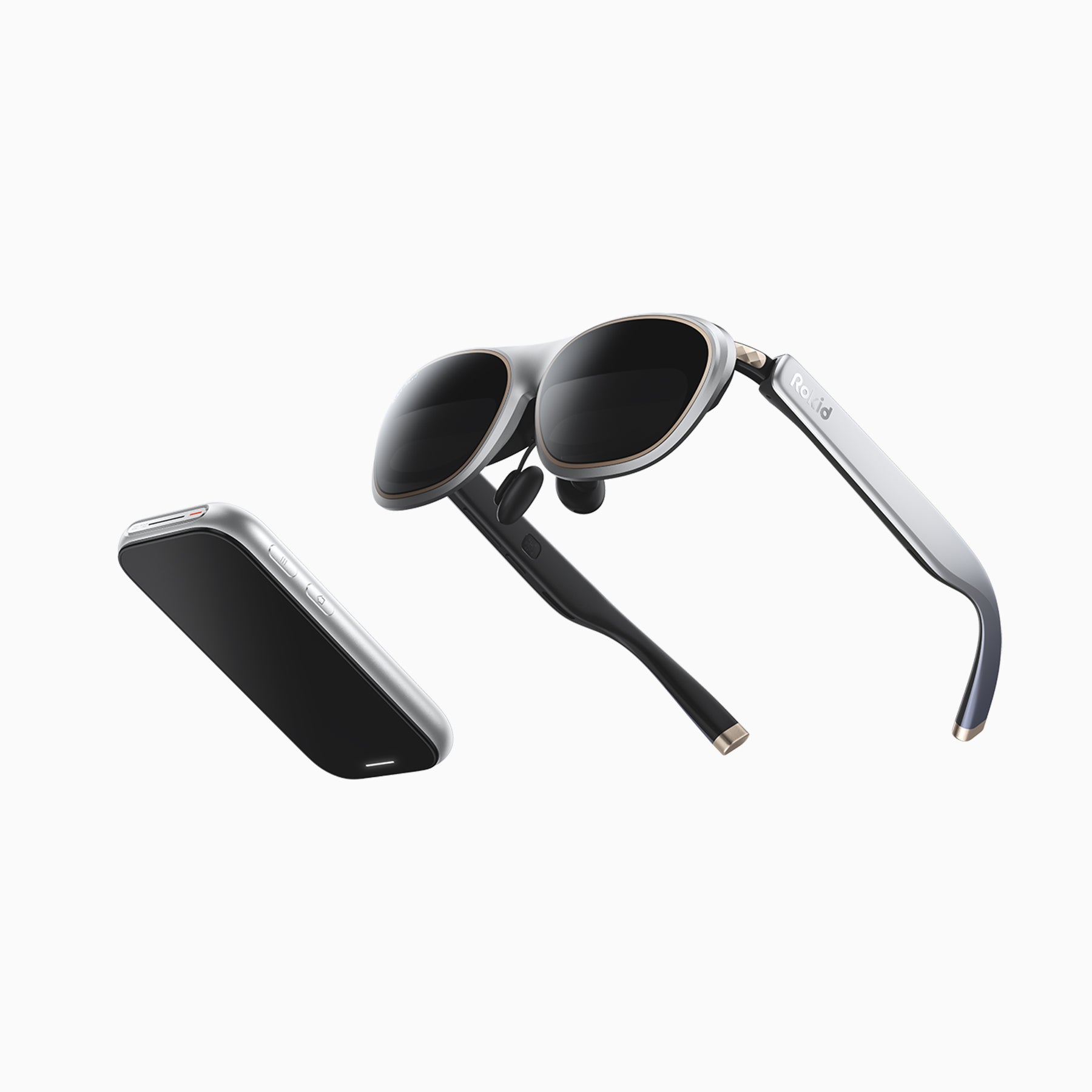
Published on April 13, 2026, a report by Evelyn Cheng for cnbc.com highlights how Chinese smart glasses manufacturers are rapidly innovating, offering advanced features that differentiate them from Western counterparts like Meta's Ray-Ban Display. The piece dissects the competitive landscape, particularly focusing on Rokid and Alibaba's recent advancements.
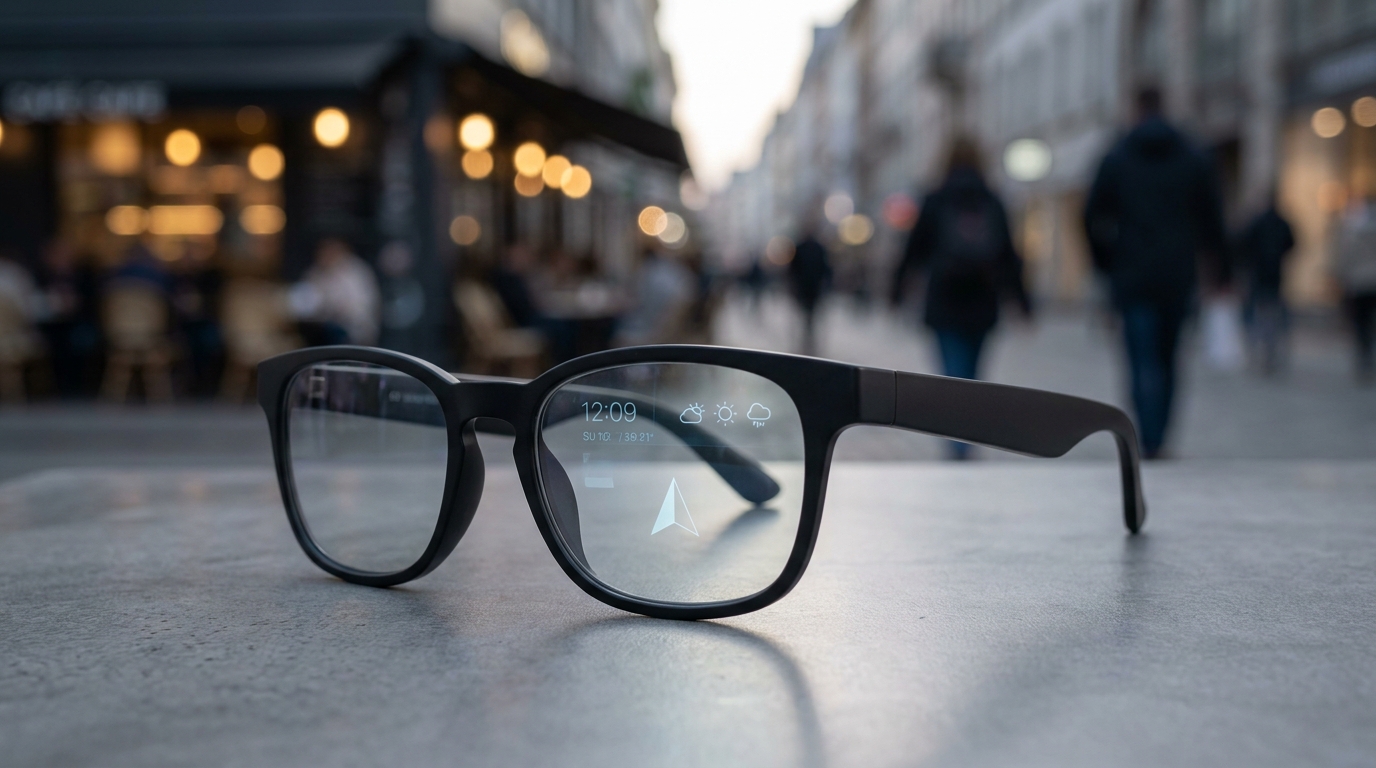
Evelyn Cheng of cnbc.com reports that while smart-glasses wearers in the U.S. received a small corner screen with the Meta Ray-Ban Display, Chinese users are being offered smart frames with a virtual display projected directly in front of the user. According to Cheng, Rokid currently leads sales in China, despite its AI-powered frames retailing for approximately $100 more than its closest competitor, Alibaba. This sales dominance has been maintained for the past three months, per data from online electronics retailer JD.com, which Cheng notes is significant in 'budget-conscious China.'
One particularly popular feature for Rokid, Evelyn Cheng adds, is a virtual screen that functions as a teleprompter, scrolling text for presentations. Gary Cai, Rokid's Vice President, conveyed in Mandarin to cnbc.com that 'A lot of people buy our glasses for this teleprompting capability,' a feature popular with both company executives and government officials. Cheng also notes that Rokid is expanding its global footprint, having held 3.9% market share last year, while Alibaba is also planning an international rollout after showcasing its smart glasses at Mobile World Congress in Barcelona.
The cnbc.com piece further states that Rokid currently ships its AI display glasses to countries including the U.K. and Canada, though not yet to the U.S. These frames retail for $599 outside China, which is less than the $799 starting price of the Meta Ray-Ban Display. Meanwhile, Meta has reportedly delayed the overseas release of its Ray-Ban Display due to what it cites as 'unprecedented' U.S. demand and inventory constraints. Jason Low, Omdia's Shanghai-based research director for connected life, told Evelyn Cheng that while virtual display AI glasses are still niche and expected to modestly account for 10% of global sales, Chinese consumers prefer them for interaction, despite some 'rudimentary' display technology.
Our take: The insights from Evelyn Cheng’s reporting underscore a critical divergence in smart glasses development. While Western companies like Meta appear to prioritize discreet design and seamless integration (like the Ray-Ban collaboration) for general consumer appeal, Chinese manufacturers are pushing the envelope with more overt, feature-rich virtual displays. This approach, while potentially less 'fashion-forward' by some standards, directly addresses specific use cases like teleprompting, indicating a market driven by utility and advanced functionality first. This could signal a broader trend where specific, powerful applications-rather than pure aesthetics-drive early adoption in the smart glasses market, especially in regions with distinct consumer priorities.
We've been tracking similar trends across the smart glass industry, where the race for the 'killer app' often dictates regional success. The higher price point for Rokid's glasses, despite China's budget consciousness, clearly indicates that functional value, such as AI-powered virtual displays, is outweighing cost for a segment of the market. This suggests a growing maturity in the sector where consumers are willing to invest in advanced capabilities, setting a new bar for innovation beyond basic notification displays.
Interactive guide — prices, displays, cameras, battery.
Share this story