News · Rokid
Rokid AI Glasses: Covert Filming and Privacy Loopholes Draw Scrutiny
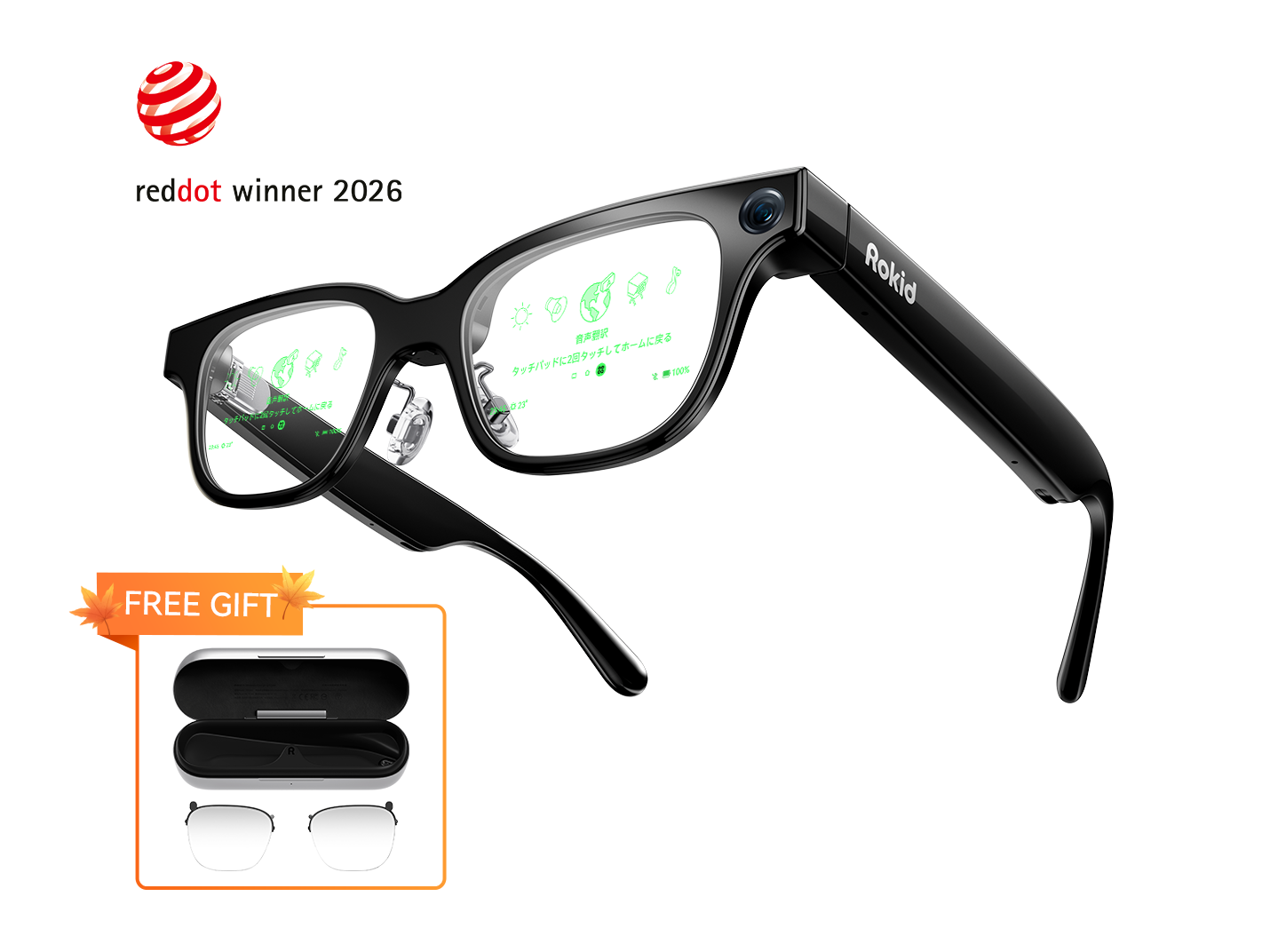
Users of Rokid's smart eyewear are reportedly filming individuals without consent, sharing footage online, and utilizing specialized stickers to disable recording indicators. This raises questions about privacy safeguards and the real-world misuse of camera-equipped wearables.
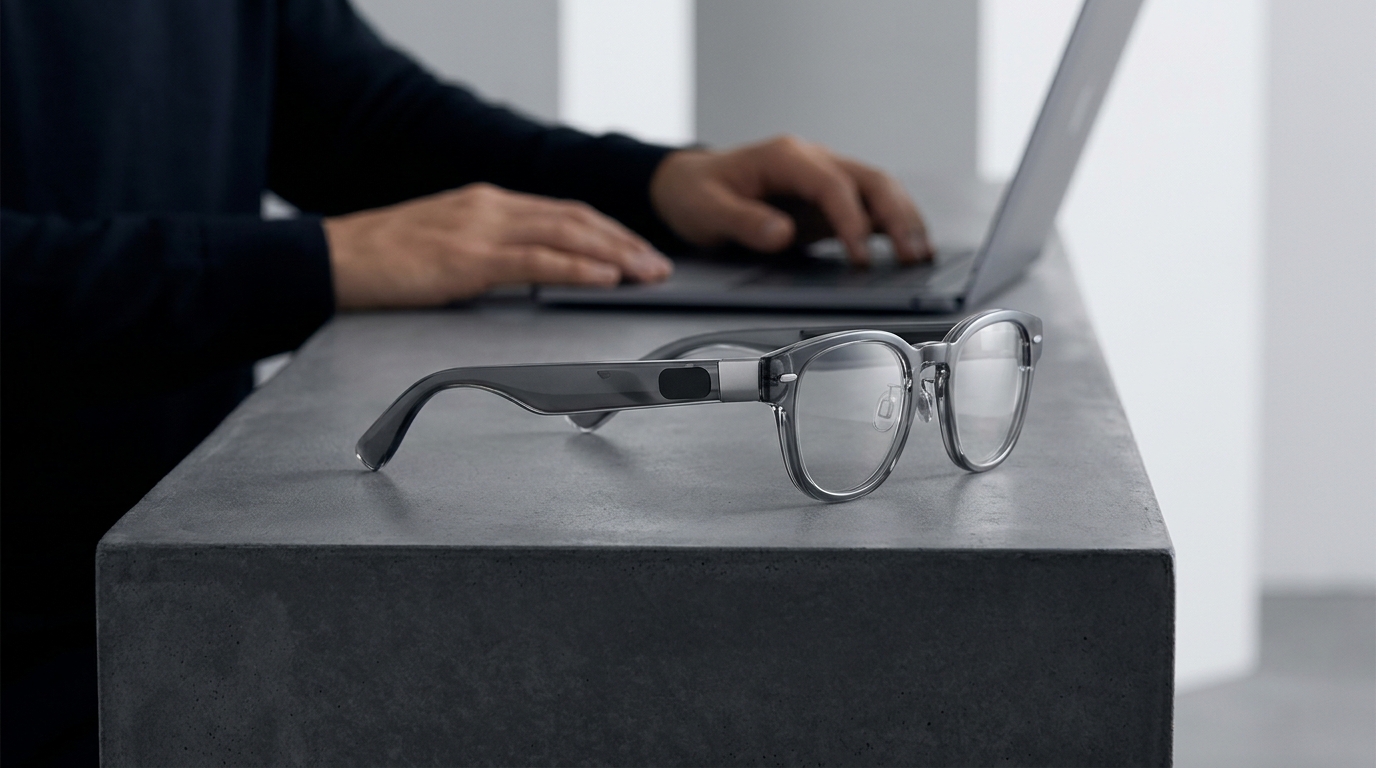
On June 10, 2026, Rokid's AI glasses found themselves embroiled in a significant privacy controversy. Reports indicate that users in China are purportedly employing the devices to film individuals without their knowledge or consent, with the resulting footage then shared publicly on Rokid's own community forums.
According to a report from the Xiaoxiang Morning Post, cited by Gizmodo, examples include interactions with Spring Airlines flight attendants captured unknowingly. The Post further noted numerous other instances of non-consensual recordings appearing on Rokid's community platforms. Gizmodo reached out to Rokid for comment on these incidents but did not receive a response before its publication.
Adding another layer to the privacy dilemma, the Xiaoxiang Morning Post also reported the online sale of third-party stickers designed to obscure the recording indicator light on Rokid AI glasses. These accessories reportedly bypass the glasses' internal sensors, preventing the devices from recognizing that the LED, intended to signal recording, has been covered. This issue mirrors similar concerns raised with Meta's Ray-Ban AI glasses, for which comparable light-disabling stickers are also available.
The problem of circumventing visual recording indicators isn't limited to stickers. As journalist Joanna Stern demonstrated in a recent report, individuals in the U.S. have paid for the physical modification of Ray-Ban Meta glasses-specifically, drilling out the indicator light-to achieve more discreet recording capabilities.
Our take: The unfolding situation with Rokid AI glasses underscores a fundamental challenge for all camera-equipped smart eyewear. While these devices offer undeniable utility, their inherent capacity for surreptitious recording creates significant privacy friction. Companies must move beyond basic indicator lights-which are easily thwarted-and explore more robust technical and legal frameworks to prevent misuse. The industry's long-term viability hinges on its ability to build user trust, and incidents like these erode it rapidly.
This isn't merely a Rokid or Meta problem; it's an industry-wide 'glasshole' problem that has plagued smart glasses since their inception. From courtrooms to classrooms and public spaces, the potential for non-consensual recording demands better preventative measures and stronger public education. The question remains whether manufacturers can effectively manage these privacy implications to secure broader societal acceptance for their devices.
Interactive guide — prices, displays, cameras, battery.
Share this story